

Does foot stiffness after work really have a fast solution?
Yes—but the fastest relief depends on what's causing your discomfort. Most cases of sore feet after work are linked to muscle fatigue, repetitive impact, temporary swelling, or reduced circulation after hours of standing or walking. A combination of elevation, gentle stretching, supportive footwear, and targeted massage can noticeably reduce foot stiffness after work within 10 to 20 minutes.
If your feet hurt after work every day, recovery shouldn't stop at symptom relief. Addressing the underlying cause—whether it's worn-out shoes, long shifts, or an underlying foot condition—helps prevent recurring pain and supports long-term comfort.
Sore Feet After Work? Causes, Fast Relief & Best Recovery Methods
⏱ 5 min read — Long days shouldn't end with aching feet and stiff ankles. Sore feet after work are common, especially if you stand or walk for hours. The good news? With the right recovery methods, you can relieve discomfort quickly, improve mobility, and reduce the chance of tomorrow's shift feeling just as painful.
Ever wondered why foot stiffness after work feels worse as the week goes on? Muscles become fatigued, connective tissues experience repetitive stress, circulation may slow during prolonged standing, and joints absorb thousands of impacts throughout the day. Fortunately, evidence-based recovery habits can help break that cycle.
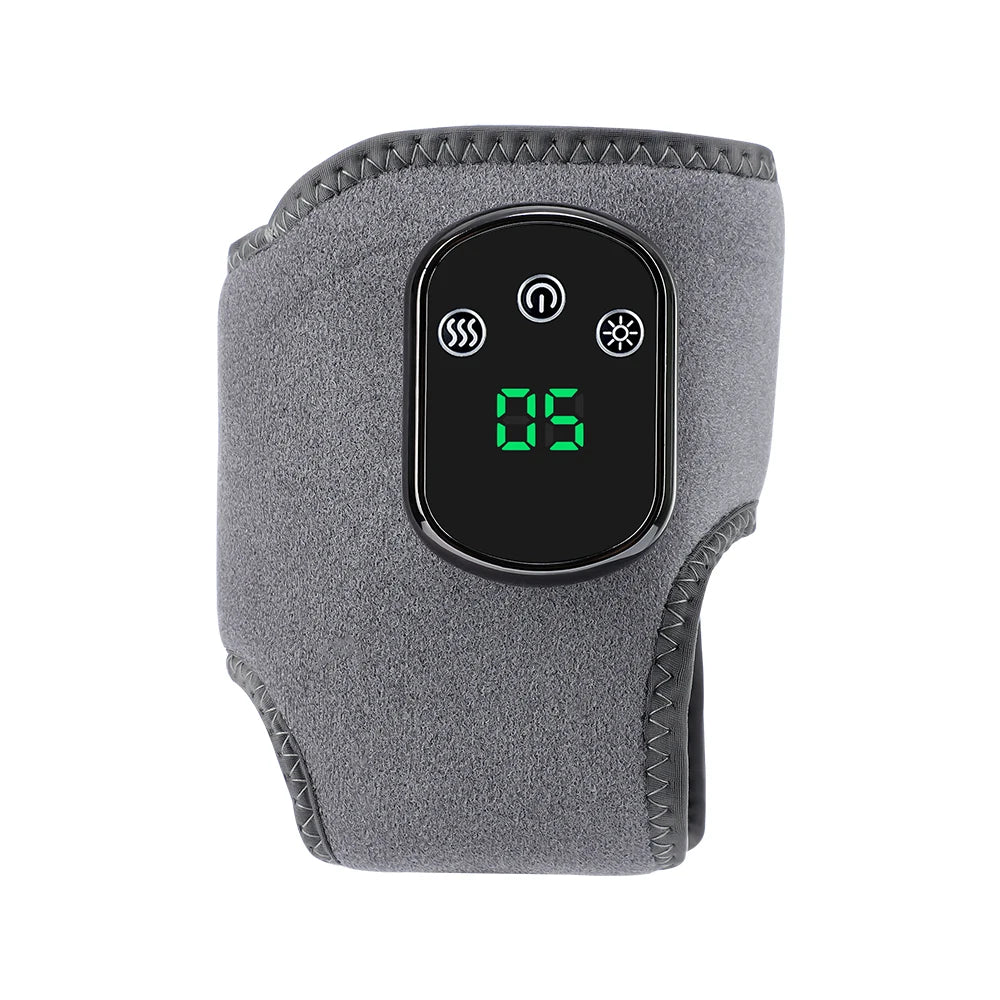
Targeted comfort for foot stiffness after work and sore ankles after walking — See it in action
Why Your Feet Hurt After Work (By Cause & Job Type)
Sore feet after work are usually caused by repeated mechanical stress, muscle fatigue, inadequate support, or reduced circulation. Understanding the source of the discomfort helps you choose the most effective recovery strategy.
Standing All Day (Retail, Nurses, Factory Workers)
Standing for extended periods places continuous pressure on the heels, arches, and forefoot while limiting natural muscle pumping that supports circulation. This often leads to foot pain from standing all day , swollen feet, and stiff ankles by the end of a shift.
Walking & High Activity Jobs
Delivery drivers, warehouse workers, hospitality staff, and healthcare professionals may take thousands of steps during a workday. Repetitive loading can create muscle fatigue, resulting in sore ankles after walking , tired arches, and aching soles.
Poor Footwear & Lack of Support
Unsupportive shoes remain one of the most common reasons feet hurt after work . Worn cushioning, inadequate arch support, tight toe boxes, or shoes that don't fit your work environment can increase stress on muscles, ligaments, and joints.
Medical Causes (Plantar Fasciitis, Flat Feet, Circulation Issues)
Persistent or worsening pain may be related to conditions such as plantar fasciitis , flat feet, arthritis, tendon problems, or circulation issues. These situations often require targeted treatment rather than recovery alone.
Symptoms That Point to Different Types of Foot Fatigue
Not all foot discomfort feels the same. Paying attention to where and when pain occurs can help distinguish everyday fatigue from a condition that needs medical evaluation.
Morning vs Evening Pain
If discomfort is mild in the morning but builds throughout the day, muscle fatigue and repetitive loading are likely contributors. Pain that's worst with the first few steps after getting out of bed may suggest plantar fascia irritation or other structural issues.
Heel, Arch, Ball of Foot or Ankle Pain
- Heel pain: Often associated with repetitive impact or plantar fascia irritation.
- Arch pain: May indicate overworked foot muscles or insufficient arch support.
- Ball of foot pain: Can develop from prolonged standing or high-pressure footwear.
- Sore ankles after walking: Frequently reflects muscle fatigue, tendon overload, or reduced mobility.
Swelling, Stiffness and Burning
Temporary swelling and foot stiffness after work commonly improve after elevation, gentle movement, and recovery exercises. Burning sensations, increasing numbness, or persistent swelling deserve medical assessment, particularly if symptoms continue despite rest.
10-Minute Recovery Routine for Sore Feet After Work
This quick routine combines circulation support, mobility work, and muscle relaxation to provide effective aching feet relief .
Minute 1–3: Elevation & Blood Flow Reset
Lie down and elevate your feet above heart level. This encourages fluid movement, reduces swelling, and helps restore circulation after prolonged standing.
Minute 4–6: Stretching & Mobility
Stretch the calves, Achilles tendons, toes, and arches using slow, controlled movements. Gentle mobility exercises improve flexibility and reduce foot stiffness after work .
Minute 7–10: Massage or Heat Therapy
Finish with massage or gentle heat. This combination relaxes tired muscles, improves comfort, and supports recovery after demanding work shifts.
How to Relieve Sore Feet After Work (Proven Methods Compared)
Different recovery methods address different causes of discomfort. Combining several approaches usually provides better results than relying on just one.
Stretching vs Massage vs Soaking
- Stretching: Best for muscle tightness and limited mobility.
- Massage: Helps reduce muscle tension and promotes relaxation after long shifts.
- Warm foot soaking: Offers temporary comfort and helps loosen stiff tissues.
When to Use Ice vs Heat
- Ice: More appropriate after acute injuries or when swelling and inflammation are prominent.
- Heat: Better suited for chronic muscle tightness, stiffness, and improving circulation before or after massage.
Footwear & Insoles Adjustments
Replacing worn shoes, choosing footwear designed for your work environment, and using supportive insoles can substantially reduce recurring foot pain after standing all day .
Recovery Method by Job Type
| Occupation | Most Common Problem | Recommended Recovery |
|---|---|---|
| Nurses & Retail Workers | Standing fatigue | Elevation, stretching, supportive footwear, heat massage |
| Warehouse & Delivery | Walking fatigue | Massage, calf stretching, mobility exercises |
| Office Workers | Stiffness after prolonged sitting | Walking breaks, mobility work, gentle massage |
How Do Foot Massagers Help With Pain Relief?
Foot massagers don't treat every cause of foot pain, but they can play a valuable role in recovery by reducing muscle tension, promoting relaxation, and encouraging healthy circulation after long workdays.
Massage Mechanisms
Different technologies provide different sensations. Kneading rollers target deeper muscle tension, vibration helps relax tired muscles, while compression gently applies pressure around the foot.
Heat and Circulation Benefits
Gentle warmth can improve comfort in stiff muscles and joints, making heat particularly helpful when foot stiffness after work is the main complaint.
| Technology | Primary Benefit | Best For |
|---|---|---|
| Kneading Rollers | Deep muscle release | Plantar tension |
| Air Compression | Gentle pressure | Swelling reduction |
| Heat Therapy | Comfort and circulation support | Joint stiffness |
| Vibration | Muscle relaxation | Sore ankles after walking |
Best Foot Massagers for Sore Feet (Compared)
The best foot massager for sore feet depends on whether your priority is deep tissue pressure, muscle relaxation, portability, or overall recovery.
Vibration vs Shiatsu
Vibration works well for general muscle fatigue and everyday recovery, while Shiatsu-style kneading is often preferred for people who enjoy deeper pressure.
Adding heat can improve comfort for people experiencing stiffness, whereas non-heated models may be sufficient if warmth isn't needed.
Best Choice by User Needs
| Type | Pros | Cons | Best For |
|---|---|---|---|
| Manual Rollers | Affordable, portable | Requires effort | Quick stretching sessions |
| Basic Electric | Hands-free | Limited features | General daily recovery |
| Vibrating Heated Massager | Heat plus vibration, adjustable comfort | Higher initial cost | Regular post-work recovery |
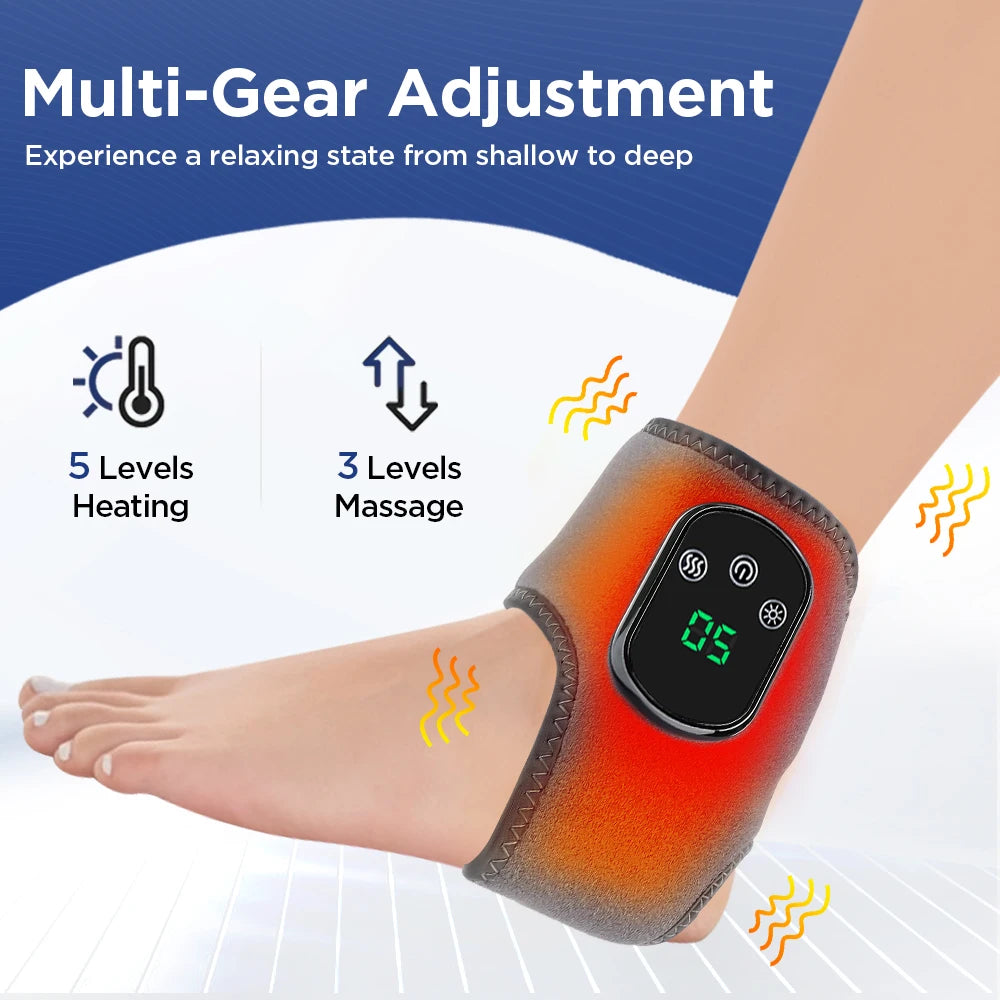
Evening recovery made simple — ankle soreness relief with gentle heat. See it in action
Why Choose a Vibrating Heated Foot Massager?
A vibrating heated foot massager combines two recovery approaches in one device. Heat helps ease stiffness while vibration promotes muscle relaxation, making this combination especially useful after physically demanding workdays.
- Supports relaxation of tired muscles
- Provides soothing warmth for stiff joints
- Offers adjustable comfort settings
- Fits easily into a daily recovery routine
One option is the electric foot heat massager , designed for convenient home recovery after long shifts.
Who Benefits Most?
- Healthcare professionals and retail workers
- Warehouse employees and delivery drivers
- People who stand or walk for several hours daily
- Active adults seeking consistent evening recovery
Explore more recovery tools in Body Care and Health Devices .
Real Results: What Actually Works for Tired Feet
Most Effective Daily Habits
- Stretching after every shift improves flexibility.
- Supportive shoes reduce repetitive strain.
- Massage provides temporary symptom relief for many users.
- Regular recovery routines are more effective than occasional intensive sessions.
What Has Limited Benefit
Simply resting without movement may not fully address stiffness. Likewise, replacing supportive footwear only after significant wear can allow recurring discomfort to continue. Long-term improvement usually comes from combining good footwear, recovery exercises, and appropriate self-care.
How to Use a Foot Massager for Best Results
Recommended Duration
Most people benefit from 10 to 15 minutes after work, although following the manufacturer's instructions is always recommended.
Safety Tips
- Begin at the lowest comfortable intensity.
- Stop if pain becomes worse rather than better.
- Avoid using massage directly over open wounds or acute injuries.
Combine With Stretching
For better results, use massage after gentle calf and foot stretches. Combining recovery methods often provides more lasting relief than using either approach alone.
Enhance your recovery environment with relaxing products from the Lifestyle collection.
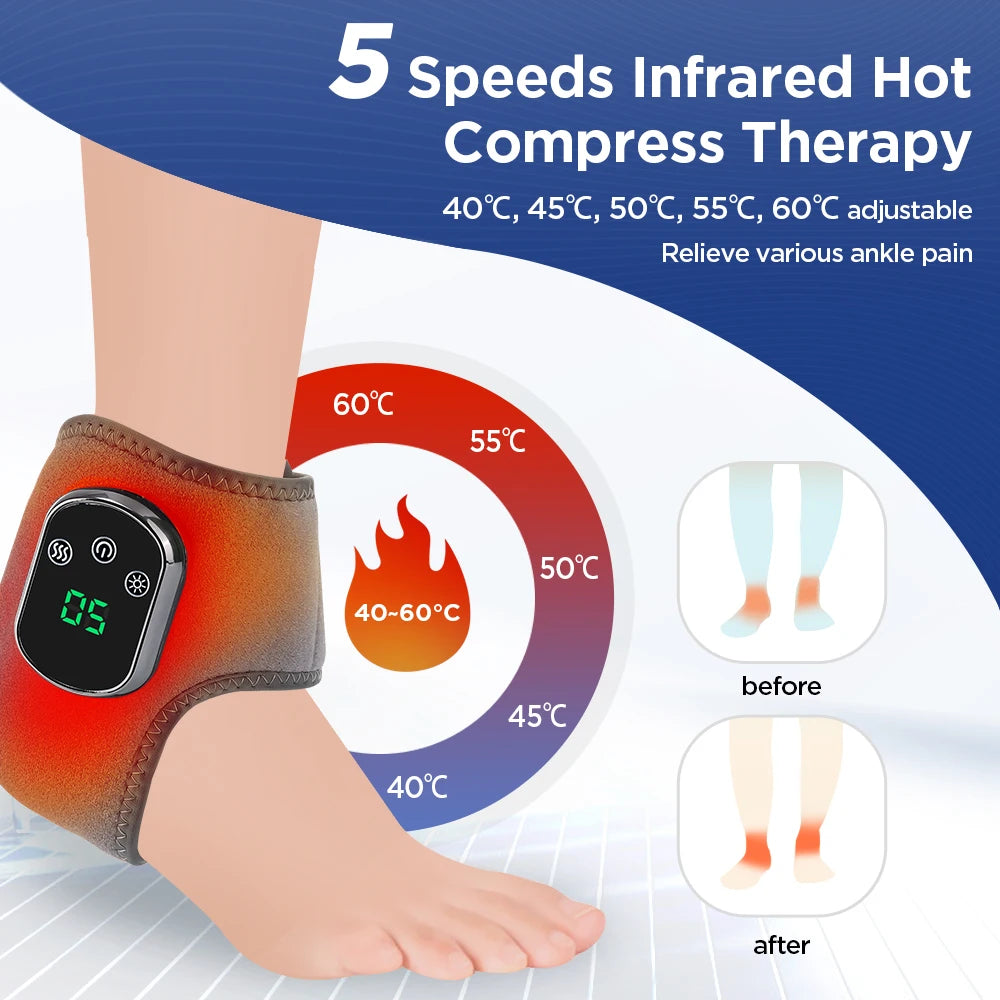
End-of-day relief for foot stiffness after work — See it in action
How to Prevent Sore Feet After Every Work Shift
Choose Better Shoes
Select footwear designed for your job, replace worn shoes regularly, and consider supportive insoles if you spend long hours standing.
Alternate Standing and Walking
Whenever possible, shift your weight, change positions, and take short walking breaks to reduce continuous pressure on the same tissues.
Simple Workplace Habits
- Stretch during breaks.
- Stay hydrated throughout the day.
- Wear moisture-wicking socks.
- Elevate your feet for a few minutes after work.
- Maintain calf flexibility with regular stretching.
When Foot Pain After Work Might Be Serious
Most sore feet after work improve with rest and recovery. However, some symptoms warrant medical evaluation.
Warning Signs You Shouldn't Ignore
- Sharp or severe heel pain
- Persistent swelling that doesn't improve
- Numbness, tingling, or weakness
- Pain lasting several weeks despite self-care
- Difficulty bearing weight
When to See a Doctor
Seek medical advice if symptoms are severe, progressively worsening, associated with injury, or repeatedly interfere with your daily activities.
Frequently Asked Questions
How long should I use a foot massager each day?
Most people find 10 to 20 minutes sufficient, although you should follow the manufacturer's recommendations.
Is heat safe for sore ankles after walking?
Gentle heat is generally appropriate for muscle stiffness and chronic soreness but is usually avoided immediately after an acute injury with significant swelling.
Can I use it every day?
Yes. Daily use is appropriate for many healthy adults if it remains comfortable and doesn't increase pain.
Why do my feet hurt more at night after work?
Discomfort often becomes more noticeable after daily activity ends because fatigue has accumulated and you're no longer distracted by movement.
What is the fastest way to relieve sore feet?
Elevation, stretching, supportive footwear, and a heated foot massage session provide an effective combination for rapid relief.
Can standing on concrete all day damage my feet?
Hard surfaces increase repetitive impact and may contribute to muscle fatigue, heel pain, and joint stress, particularly without supportive footwear.
Are compression socks helpful after work?
Compression socks may help some people reduce leg fatigue and mild swelling, especially after prolonged standing, although they're not a replacement for proper footwear or medical treatment when needed.
Final Verdict: Best Way to Relieve Sore Feet After Work
The most effective approach combines supportive footwear, daily stretching, and a consistent recovery routine tailored to the demands of your job.
For people dealing with recurring foot stiffness after work , a vibrating heated foot massager can complement other recovery habits by promoting muscle relaxation and improving comfort after long shifts.
If symptoms become persistent, severe, or progressively worse, consult a healthcare professional to identify and treat the underlying cause.
Pillar Article: Ankle Heat Massager with Auto Shutoff: In-Depth Review and Ratings
Other Related Articles:
Explore More:













