

Vibration Massage for Ankle Pain: Best Heated Massagers & How They Work
Vibration massage for ankle pain is commonly used to ease stiffness, improve comfort, and support recovery from everyday overuse. When combined with gentle heat, vibration therapy may temporarily reduce discomfort, increase local circulation, and help loosen tight muscles surrounding the ankle joint. While it is not a treatment for fractures, severe sprains, or underlying medical conditions, a quality massage device can be a useful part of a broader self-care routine. This guide explains what current evidence suggests, how heat and vibration work together, and which devices are best suited for different types of ankle discomfort.
Does vibration massage really help ankle pain?
Yes—vibration massage may help relieve mild to moderate ankle pain caused by muscle tightness, joint stiffness, or overuse. Research suggests that vibration therapy can temporarily improve circulation, reduce the perception of pain through sensory stimulation, and increase flexibility. Devices that combine heat and vibration may provide greater comfort than heat alone, but they should be viewed as supportive therapy rather than a cure for structural injuries or chronic medical conditions.
What the current evidence says
Studies on vibration therapy indicate that localized mechanical vibration can improve blood flow, temporarily decrease pain sensitivity, and enhance joint mobility in some people. These effects are most consistently seen when vibration is used alongside other conservative measures such as activity modification, stretching, and rehabilitation exercises. Although evidence continues to grow, researchers generally agree that vibration therapy ankle pain relief is most effective as part of a comprehensive recovery plan rather than a standalone treatment.
Which types of ankle pain may benefit
People experiencing ankle stiffness after long periods of standing, mild muscle fatigue after exercise, or lingering soreness from repetitive activity may notice meaningful short-term relief. Ankle pain relief with a massage device may also be helpful for individuals with reduced mobility related to aging, provided there is no acute injury or medical condition that requires professional evaluation.
Expected results and limitations
Most users experience temporary improvements in comfort, flexibility, and mobility immediately after a session. However, vibration does not repair torn ligaments, heal fractures, or replace medical treatment for persistent swelling, instability, or severe pain. If symptoms worsen, last several weeks, or follow a significant injury, medical assessment is recommended before continuing vibration therapy.
How Vibration Therapy May Relieve Ankle Pain
Vibration massage for ankle pain works through several physiological mechanisms that can improve comfort and mobility. While ongoing research is still defining its long-term effectiveness, current evidence supports its role as a complementary therapy for mild overuse symptoms and stiffness.
Improves circulation and reduces stiffness
Mechanical vibration encourages small increases in local blood flow around the ankle and surrounding soft tissues. Better circulation delivers oxygen and nutrients needed for normal tissue function while helping reduce the feeling of stiffness that often develops after prolonged sitting, standing, or repetitive activity.
Pain modulation through sensory stimulation
Vibration activates sensory receptors in the skin and muscles. According to the gate control theory of pain, this sensory input may temporarily reduce how strongly pain signals are perceived, providing short-term relief without medication for some users.
Relaxes muscles and tendons
Tight calf muscles, the Achilles tendon, and surrounding connective tissues can increase stress on the ankle joint. Gentle vibration helps these tissues relax, which may improve range of motion and reduce discomfort during everyday movement.
Heat and vibration therapy benefits
Heat complements vibration by increasing tissue elasticity and promoting muscle relaxation before or during treatment. Together, heat and vibration therapy benefits include improved comfort, easier movement, and a more relaxing treatment experience compared with using either therapy by itself. Heated ankle massager benefits are generally greatest for stiffness and muscle-related discomfort rather than acute injuries.
What research still doesn't prove
Although vibration therapy ankle pain relief is promising, current evidence does not show that massage devices can heal ligament tears, reverse arthritis, or accelerate recovery from significant ankle injuries. They are best viewed as supportive tools that may help manage symptoms while appropriate rehabilitation and medical care address the underlying cause.
Who Should Use a Vibrating Ankle Massager (and Who Shouldn't)
A vibrating ankle massager is most appropriate for people with mild to moderate ankle discomfort related to muscle tightness, repetitive activity, or chronic stiffness. Before starting treatment, consider the cause of your symptoms to determine whether vibration therapy is a suitable option.
Athletes and active adults
Runners, hikers, gym-goers, and people whose jobs involve prolonged standing often develop ankle fatigue from repetitive loading. For these users, vibration massage may help reduce muscle tightness, improve comfort after activity, and support recovery between training sessions. It is best used after exercise rather than immediately following a significant ankle injury.
Older adults with stiffness
Age-related joint stiffness and reduced flexibility can make walking and daily activities less comfortable. Gentle heat combined with low-intensity vibration may improve mobility before light exercise or after extended periods of sitting. Users should begin with the lowest settings and discontinue use if discomfort increases.
Contraindications and precautions
Vibration therapy is generally not recommended over suspected fractures, severe sprains, fresh ligament injuries, open wounds, active infections, or areas with marked swelling, bruising, or significant inflammation. Individuals with reduced sensation, certain circulatory disorders, or implanted medical devices should seek medical advice before using a heated vibration massager.
When to seek medical care
If ankle pain follows a traumatic injury, prevents you from bearing weight, causes obvious joint instability, or persists despite rest and conservative care, consult a healthcare professional. A massage device should complement—not replace—an accurate diagnosis and appropriate treatment plan.
Best Vibrating Heated Massagers for Ankle Pain
The best vibrating heated massager for ankles depends on the location of your symptoms, how often you plan to use the device, and whether you prefer targeted treatment or full-joint coverage. Prioritize adjustable heat, multiple vibration settings, comfortable materials, and an ergonomic design over marketing claims.
Wrap-style devices
Wrap-style ankle massagers provide even heat and vibration around the joint while remaining hands-free during treatment. They are well suited for daily recovery, chronic stiffness, and users who want consistent coverage without manually repositioning the device.
- Best overall vibrating ankle massager: Adjustable wrap-style models that combine secure compression, multiple vibration levels, and gentle heat for full ankle coverage.
- Foot & ankle wraps: Portable wrap designs are convenient for home or office use and provide targeted support for routine recovery. Check this model .
Handheld options
A handheld massager for ankle pain offers greater precision than wrap-style devices. It works well for treating the Achilles tendon, calf muscles, or specific sore spots around the ankle, although it requires continuous manual use during each session.
- Best handheld massager for ankle pain: Compact handheld devices with adjustable vibration speeds for treating localized muscle tightness.
- Best budget option: Basic handheld or heated vibrating pads designed for occasional use and mild discomfort.
Foot-and-ankle systems
Foot-and-ankle massage systems treat a larger area than ankle-specific devices. While they may not target the ankle as precisely, they can improve overall lower-leg comfort and are a practical choice for people who experience foot fatigue together with ankle stiffness.
- Best for deep heat therapy: Systems with adjustable heating levels designed for persistent stiffness and relaxation.
- Best portable option: Lightweight cordless models that are easy to use while traveling or at work.
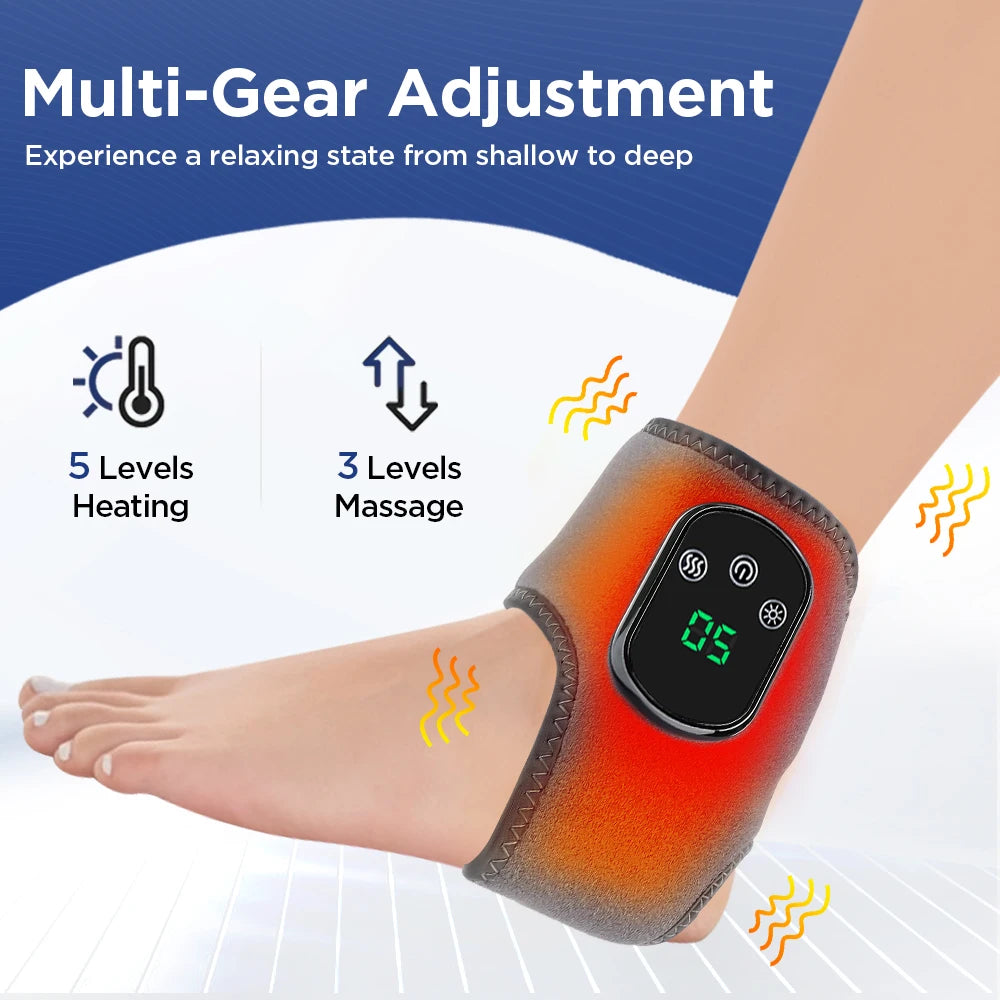
Wrap-style vibrating ankle massagers provide even heat and vibration to help improve comfort and reduce stiffness.
Handheld vs Wrap vs Foot Massagers: Which Is Best for Ankles?
Each type of vibrating massager for ankle pain offers different advantages depending on where your discomfort is located and how you plan to use the device. Coverage, convenience, and treatment goals are often more important than vibration power alone.
Handheld massagers
A handheld massager for ankle pain is ideal when discomfort is limited to a specific area, such as the Achilles tendon, outer ankle, or calf muscles. Because you control the angle and pressure, these devices provide precise treatment for localized soreness.
- Pros: Highly targeted, portable, adjustable positioning, suitable for treating multiple body areas.
- Cons: Requires continuous manual operation and may be less comfortable for longer sessions.
- Best for: Muscle tightness, tendon irritation, and post-workout recovery.
Wrap-style ankle massagers
Wrap-style devices are designed specifically for the ankle joint. They deliver even heat and vibration around the affected area while remaining securely in place, making them a convenient choice for regular home use.
- Pros: Hands-free operation, full ankle coverage, consistent heat distribution, comfortable during extended sessions.
- Cons: Less effective for treating areas above the ankle, such as the calf.
- Best for: Chronic stiffness, mild joint discomfort, and daily recovery routines.
Foot and calf massagers
Foot and calf massage systems work across a larger portion of the lower leg. Although they are not designed exclusively for the ankle, they can improve overall comfort by relaxing surrounding muscles and encouraging healthy circulation throughout the feet and calves.
- Pros: Treats multiple muscle groups simultaneously, suitable for tired feet and lower legs.
- Cons: Less precise for isolated ankle pain than dedicated ankle wraps.
- Best for: General lower-leg fatigue, prolonged standing, and combined foot and ankle discomfort.
Quick comparison by condition
- Localized Achilles or tendon discomfort: Handheld massager.
- Daily ankle stiffness and joint soreness: Wrap-style ankle massager.
- Foot fatigue with mild ankle discomfort: Foot and calf massage system.
- Need a compact device for travel: Small vibrating pad for feet and ankles or a portable handheld unit.
Comparison Table: Vibration, Heat, Comfort & Best Use
Use this comparison to match the device category with your symptoms and treatment goals.
| Device Type | Coverage | Heat | Portability | Best Use |
|---|---|---|---|---|
| Wrap Massager | Entire ankle joint | Low to high adjustable | Good | Daily recovery, chronic stiffness, hands-free sessions |
| Handheld Massager | Targeted treatment | Varies by model | Excellent | Specific pain points, Achilles tendon, muscle tightness |
| Foot & Calf Massager | Feet, ankles, and calves | Often adjustable | Moderate | Overall lower-leg fatigue and circulation support |
Regardless of device type, adjustable vibration intensity and comfortable heat settings allow you to tailor each session to your tolerance level. Starting with lower settings and gradually increasing intensity is generally the safest approach for new users.
How to Use a Vibrating Massager on Your Ankle (Step-by-Step)
Using a vibrating ankle massager correctly can improve comfort while reducing the risk of skin irritation or unnecessary soreness. Follow the manufacturer's instructions and adjust the settings to match your comfort level.
Preparation
- Inspect your ankle for significant swelling, bruising, open wounds, or signs of an acute injury. If any are present, avoid vibration therapy until you have been medically evaluated.
- Choose a comfortable seated position with your ankle well supported.
- If your device includes heat, begin with a gentle temperature for 3–5 minutes to help relax the surrounding muscles.
Session duration and frequency
- Start with the lowest vibration setting and gradually increase intensity only if it remains comfortable.
- Position the device so it covers the area of discomfort without applying excessive pressure.
- Limit each session to approximately 10–15 minutes. Most people benefit from one or two sessions per day, allowing the tissues time to recover between treatments.
Pressure and positioning
Wrap-style devices should fit securely without restricting circulation. When using a handheld massager, keep the device moving slowly over the muscles surrounding the ankle rather than pressing continuously on one sensitive spot.
Common mistakes to avoid
- Using the highest vibration setting during your first session.
- Applying prolonged vibration to painful, swollen, or inflamed tissue.
- Using vibration as a substitute for medical evaluation after a significant ankle injury.
- Continuing treatment if pain noticeably increases during or after the session.
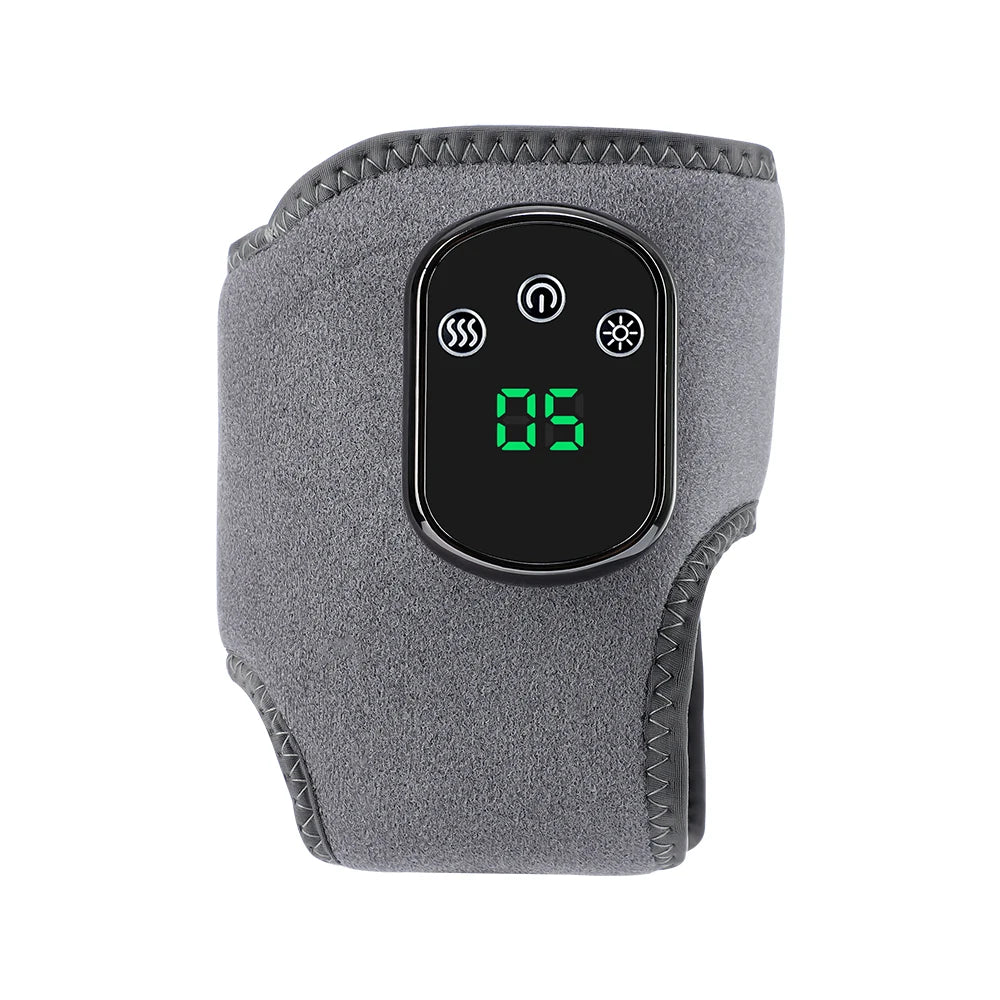
A handheld heated massager can provide precise treatment for localized ankle discomfort and surrounding muscles.
Heated Ankle Massager Benefits You Should Know Before Buying
A heated ankle massager can be a useful addition to your home recovery routine, especially if your symptoms are related to muscle tightness, stiffness, or everyday overuse. Understanding both the benefits and limitations helps you choose a device that matches your needs.
- Improves comfort: Heat and vibration may temporarily reduce stiffness and make ankle movement feel easier.
- Supports post-activity recovery: Regular use after walking, exercise, or prolonged standing may help relax surrounding muscles.
- Drug-free symptom management: Massage devices offer a non-medication option for managing mild ankle discomfort.
- May enhance mobility: Looser muscles and reduced stiffness can improve flexibility during daily activities.
- Customizable treatment: Adjustable heat and vibration settings allow users to tailor sessions to their comfort level.
Although heated ankle massagers can improve symptoms, they do not repair damaged ligaments, heal fractures, or treat the underlying causes of chronic ankle disorders. Persistent or worsening pain should always be evaluated by a qualified healthcare professional.
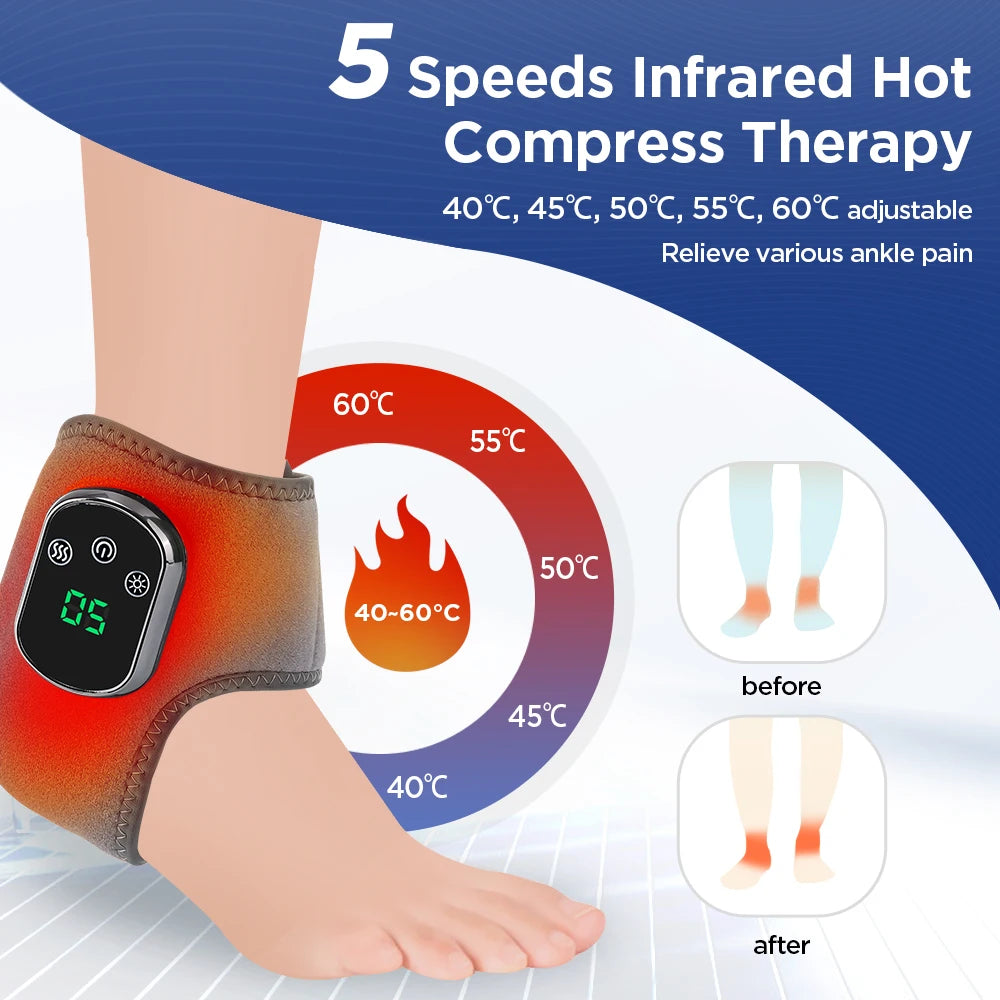
Combining gentle heat with vibration may help improve comfort and mobility during regular self-care sessions.
For a wider selection of products, explore our Body Care and Health Devices collection to compare vibrating heated massagers, handheld models, and other recovery devices.
How Long Until You Notice Results?
The timeline for improvement depends on the cause of your ankle discomfort, how consistently you use the device, and whether vibration therapy is combined with appropriate stretching, strengthening, or activity modification. Most people notice changes in comfort before they notice meaningful improvements in mobility.
Immediate effects
Many users experience temporary vibration massage for ankle pain relief immediately after a 10–15 minute session. Common short-term effects include reduced stiffness, a warming sensation, and improved comfort while walking. These benefits are typically temporary and may last from several minutes to a few hours.
Short-term progress
For ankle discomfort caused by overuse or muscle tightness, regular use over several days or weeks may help maintain flexibility and reduce recurring stiffness. Consistency is generally more beneficial than increasing session length or vibration intensity.
When to stop or reassess
Stop using the device if pain increases during treatment, swelling worsens, or new symptoms develop. If ankle pain persists for more than a few weeks, repeatedly returns, or follows a significant injury, seek medical evaluation to identify the underlying cause.
FAQ: Vibration Therapy for Ankle Pain
How long should I use a vibrating heated massager?
Most treatment sessions should last 10–15 minutes. Longer sessions do not necessarily improve results and may increase skin sensitivity or irritation. One or two sessions per day are usually sufficient for mild ankle discomfort.
Does vibration help ankle pain immediately?
It can. Vibration therapy may temporarily reduce pain perception, improve circulation, and decrease stiffness, allowing some users to feel more comfortable immediately after treatment. Results vary depending on the underlying condition.
Is vibration therapy safe for ankles?
Yes, vibration therapy is generally safe for mild muscle-related soreness and joint stiffness when used according to the manufacturer's instructions. It should not be applied over acute injuries, fractures, severe inflammation, or areas with significant swelling unless advised by a healthcare professional.
Can I use vibration after an ankle sprain?
Not during the acute stage of an ankle sprain. Wait until swelling and inflammation have improved and follow guidance from your healthcare provider or rehabilitation specialist before introducing vibration therapy.
Can I use it on a swollen ankle?
Generally, no. Significant swelling often indicates active inflammation or injury. Rest, appropriate medical care, and other recommended treatments are usually more appropriate until swelling has resolved.
What is the best vibrating heated massager for ankles?
For most users, wrap-style heated ankle massagers provide the best balance of heat, vibration, and hands-free convenience. Handheld massagers are often preferable when discomfort is limited to a small area such as the Achilles tendon or surrounding muscles.
Pillar Article: Sore Ankles After Walking? Top Massagers Compared for Fast Relief
Other Related Articles:
- Portable Electric Massager Showdown: Find Your Ideal Ankle Relief
- Heat and Vibration Pad Reviews: Best Options for Sore Ankles
- Auto Shut Off Massagers: Safety and Comfort in Everyday Use
- Infrared Heat Benefits Explained: Which Foot Massager Works Best
Explore More:













