

Best Ankle Heating Pad for Pain Relief (2026 Buyer’s Guide & Reviews)
Whether you're dealing with stiff ankles first thing in the morning, lingering soreness after exercise, or fatigue from standing all day, a quality ankle heating pad can provide targeted warmth and comfort. In this guide, you'll learn how ankle heat therapy works, which features matter most, and how to choose the best option for your recovery needs.
⏱ 6 min read
Quick Comparison: Best Ankle Heating Pads at a Glance
If you're looking for the best heating pad for sore ankles, this quick overview compares the most common options by heating performance, power source, key features, and ideal use case.
- Best Overall: Adjustable heat levels, ergonomic wrap, consistent warmth, ideal for everyday pain relief.
- Best with Vibration: Combines soothing heat with multiple vibration modes for muscle relaxation and improved circulation.
- Best Electric (Plug-In): Continuous, reliable heat for longer treatment sessions at home.
- Best Cordless: Rechargeable design for convenient therapy at home, work, or while traveling.
- Best for Arthritis: Gentle, evenly distributed heat designed to ease joint stiffness.
- Best Budget: Affordable heated ankle wrap offering dependable warmth and simple controls.
- Best for Sports Recovery: Rapid heat-up, supportive fit, and targeted therapy after workouts.
Continue reading for detailed recommendations, buying advice, and the features that make each ankle heating pad best suited to different recovery needs.
7 Best Ankle Heating Pads for Pain Relief (Tested & Reviewed)
Best Overall
This ankle heating pad delivers an excellent balance of comfort, heating performance, and value. Adjustable temperature settings, a secure wrap-around design, and even heat distribution make it suitable for daily use.
- Pros: Comfortable fit, multiple heat settings, reliable warmth.
- Cons: May not include massage features.
- Best for: Everyday stiffness, mild chronic discomfort, and routine recovery.
Best with Vibration
An ankle heating pad with vibration combines therapeutic warmth with multiple massage modes to help relax tight muscles and improve circulation. It's an excellent option for users who want more than heat alone.
- Pros: Heat and vibration therapy, customizable massage intensity, enhanced comfort.
- Cons: Slightly heavier than basic heated wraps.
- Best for: Muscle tension, post-workout recovery, and chronic stiffness.
Best Electric Plug-In Option
This electric ankle heating pad provides continuous, stable heat without battery limitations, making it ideal for longer recovery sessions at home.
- Pros: Consistent heating, no charging required, dependable performance.
- Cons: Limited portability.
- Best for: Home therapy and regular daily use.
Best Cordless / Battery Powered
A rechargeable heated ankle wrap offers excellent portability while still delivering effective warmth wherever you need relief.
- Pros: Lightweight, rechargeable, convenient for travel.
- Cons: Battery runtime varies by heat setting.
- Best for: Commuters, office workers, and frequent travelers.
Best for Arthritis Relief
Designed with gentle, evenly distributed heat, this option helps reduce stiffness while maintaining comfort for sensitive joints.
- Pros: Even heating, soft materials, comfortable compression.
- Cons: Lower maximum heat than performance-focused models.
- Best for: Arthritis, age-related joint stiffness, and daily mobility support.
Best Budget Option
This affordable heated ankle wrap delivers dependable warmth and straightforward operation without unnecessary extras.
- Pros: Budget-friendly, easy to use, lightweight.
- Cons: Fewer advanced features.
- Best for: Occasional soreness and entry-level heat therapy.
Best for Sports Recovery
Built for active lifestyles, this model heats quickly and provides a supportive fit that helps relieve soreness following training sessions.
- Pros: Fast heating, supportive compression, comfortable during recovery.
- Cons: Premium features may increase the price.
- Best for: Runners, gym-goers, and athletes recovering from intense activity.
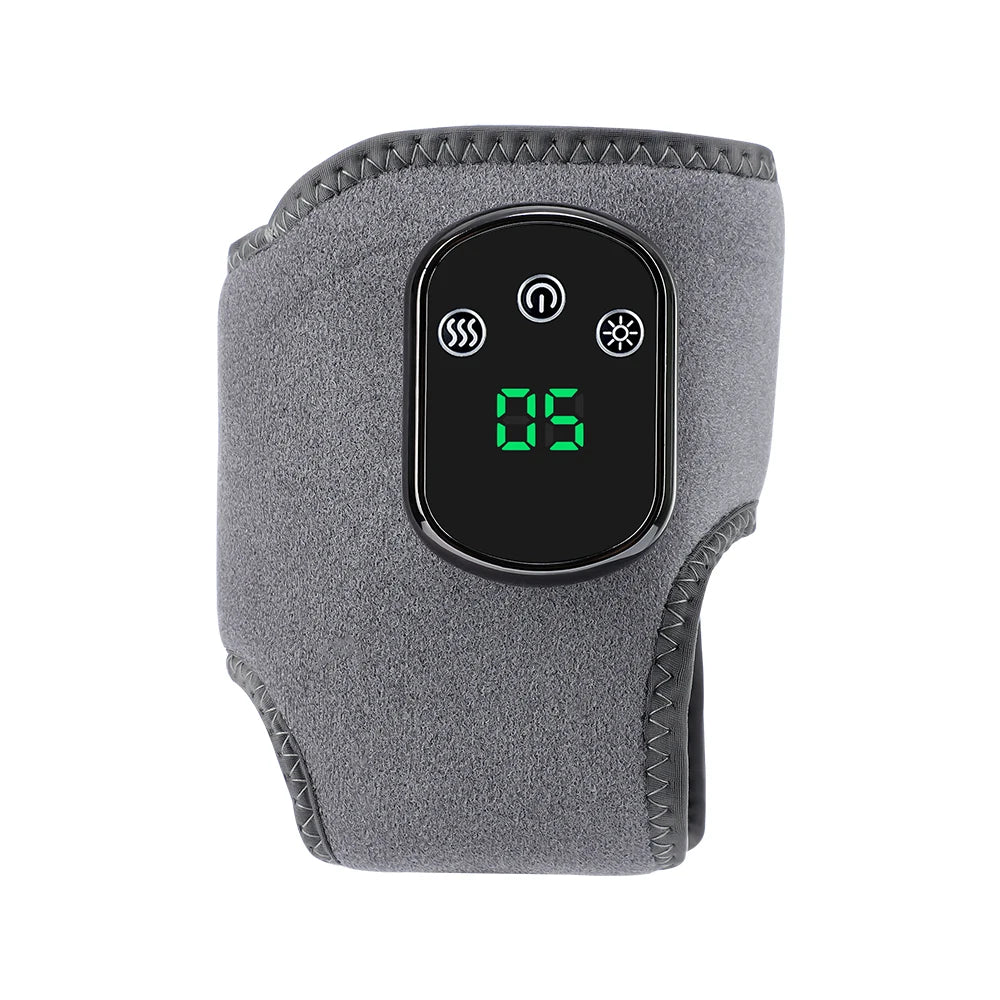
Targeted heat and vibration massage for ankles in minutes — See it in action
Does an Ankle Heating Pad Really Work?
Yes. An ankle heat therapy pad can help relieve pain and stiffness by increasing local blood flow, relaxing tight muscles, and improving tissue flexibility. The added circulation delivers oxygen and nutrients to the affected area, supporting the body's natural recovery process and making movement feel more comfortable.
Research on heat therapy for ankle pain and other musculoskeletal conditions suggests that gentle warmth is most effective for chronic stiffness, muscle tightness, and recovery after physical activity. While heat does not treat the underlying cause of an injury, it can temporarily reduce discomfort and improve mobility when used as part of a broader recovery plan.
Models that combine heat with vibration may provide additional benefits. Rhythmic vibration helps relax surrounding muscles, encourages circulation, and can reduce the sensation of soreness after exercise or prolonged standing.
For best results, use an ankle heat therapy pad consistently according to the manufacturer's instructions. Keep in mind that heat is intended for recovery and symptom relief—it is not a replacement for medical evaluation if pain is severe, persistent, or caused by a significant injury.
How Heat Therapy Helps Relieve Ankle Pain
Heat vs Vibration: What Works Better?
Heat and vibration each serve a different purpose, and many users benefit from using both together.
- Heat: Relaxes muscles, increases circulation, reduces joint stiffness, and improves flexibility before or after activity.
- Vibration: Helps loosen tight soft tissues, eases muscle tension, and provides a gentle massage that complements heat therapy.
- Combined therapy: A heat and vibration pad for ankle recovery offers both surface warmth and soothing massage, making it a practical choice for chronic stiffness, everyday discomfort, and post-workout recovery.
When to Use Heat (and When Not To)
Heat therapy works best after the initial inflammatory stage has passed or whenever stiffness limits comfortable movement.
- Use heat before stretching to improve flexibility.
- Apply heat after exercise to help relax tired muscles.
- Choose a vibrating heating pad for joints if muscle tightness accompanies joint discomfort.
- Avoid applying heat to a fresh injury with significant swelling, redness, or inflammation. During the first 24 to 48 hours after an acute injury, cold therapy is generally the better choice.
- Discontinue use if heat feels excessively hot or causes skin irritation.
How to Choose the Best Ankle Heating Pad
Heating Levels & Temperature Control
An effective electric ankle heating pad should offer multiple temperature settings so you can match the level of warmth to your comfort and recovery needs. Even heat distribution is just as important as maximum temperature, helping prevent hot spots while providing consistent coverage around the ankle.
Vibration Modes & Intensity
If you choose an ankle heating pad with vibration, look for adjustable massage modes rather than a single fixed setting. Variable intensity allows you to select gentle relaxation for everyday comfort or stronger vibration after demanding physical activity.
Corded vs Cordless
Corded models provide continuous heating without battery concerns, making them well suited for home use. Rechargeable cordless designs offer greater portability and freedom of movement, making them convenient for travel, work, or use between activities.
Material & Fit
A quality heated ankle wrap for pain relief should use soft, breathable materials and adjustable straps that create a secure fit without restricting circulation. Light compression also helps keep the heating elements positioned evenly against the ankle for more effective therapy. If the cover is removable, washable fabric is an added advantage for long-term hygiene.
Safety Features
Look for built-in safety features such as automatic shut-off, overheat protection, and easy-to-use controls. These features make daily use safer while helping extend the lifespan of the device. Always follow the manufacturer's recommended treatment time and avoid sleeping while wearing an electric heating pad unless it is specifically designed for overnight use.
Why Ankles Get Sore and Stiff So Easily
Your ankles absorb substantial force with every step, helping support balance, movement, and body weight throughout the day. Whether you're walking, running, climbing stairs, or standing for extended periods, the joint is constantly under stress. Without proper recovery, that repeated strain can lead to stiffness, soreness, and reduced mobility.
- Overuse: Frequent walking, running, sports, or physically demanding work can fatigue the muscles and tendons around the ankle.
- Arthritis and joint wear: Degenerative joint conditions commonly cause morning stiffness and discomfort that improves with gentle movement.
- Reduced circulation: Sitting or standing for long periods may contribute to aching ankles and tight surrounding muscles.
- Cold temperatures: Cooler conditions can make muscles and connective tissues feel tighter, increasing stiffness.
For many people, light movement combined with heat therapy for ankle pain provides better relief than prolonged inactivity, helping restore flexibility while supporting everyday comfort.
How a Heated Ankle Vibration Massager Delivers Fast Relief
An ankle heating pad with vibration combines therapeutic warmth, gentle massage, and a supportive wrap to address several common sources of discomfort at the same time.
- Heat: Encourages healthy blood flow, relaxes tight muscles, and helps reduce joint stiffness.
- Rhythmic vibration: Provides a soothing massage that eases muscle tension and promotes relaxation around the ankle.
- Compression fit: Keeps the heat and vibration pad for ankle therapy positioned securely while offering light support during treatment.
This combination is well suited for chronic stiffness, post-workout recovery, mild muscle soreness, and everyday fatigue after long hours of walking or standing. While it can improve comfort and mobility, it should not be considered a replacement for professional treatment of serious injuries.
Step-by-Step: How to Use an Ankle Heating Pad for Maximum Relief
- Secure the ankle heat therapy pad so it fits comfortably without restricting circulation.
- Begin with the lowest temperature setting and increase gradually if additional warmth is needed.
- Activate the vibration function, if available, and choose an intensity that feels comfortable.
- Use the device for approximately 15–20 minutes, or according to the manufacturer's instructions.
- After treatment, gently stretch the ankle and, if possible, elevate the leg for several minutes to promote relaxation.
Using the device consistently after physical activity or during periods of stiffness typically provides better long-term results than occasional use.
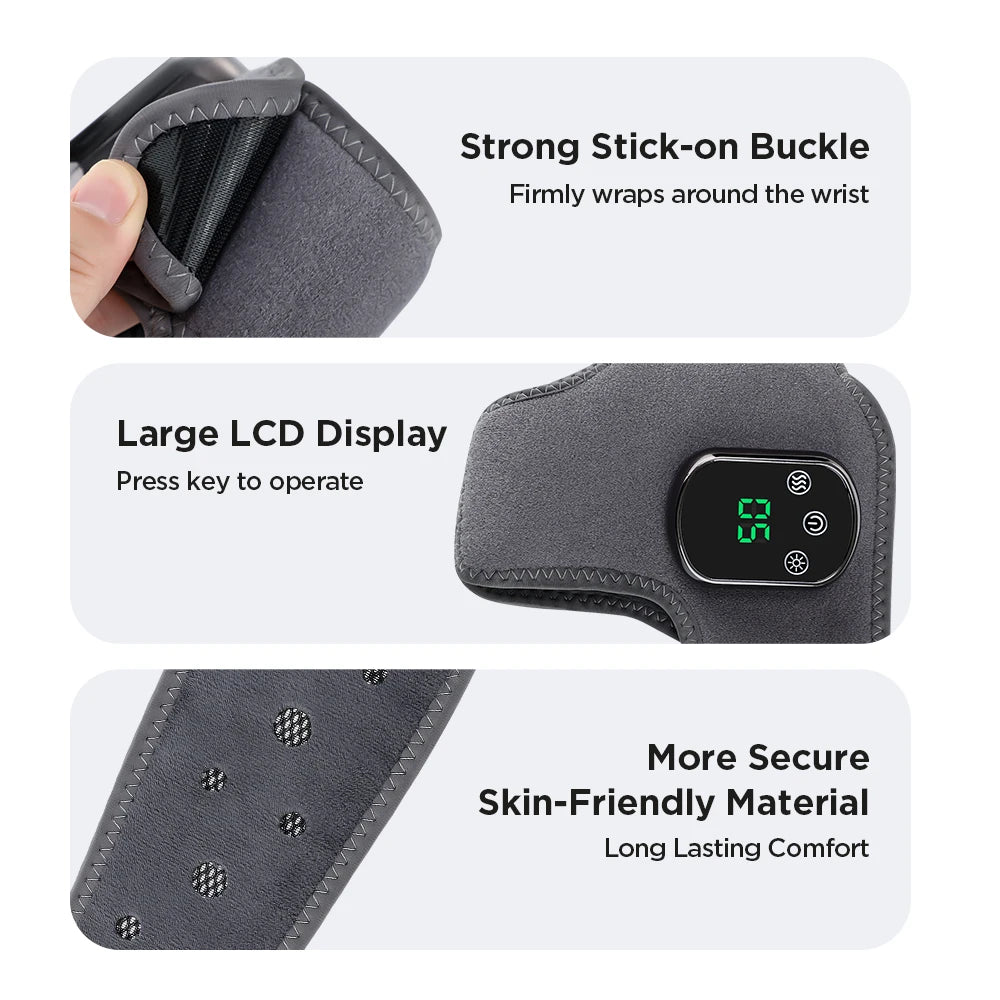
Using a handheld massager with heat for daily ankle comfort — See it in action
Common Mistakes That Reduce Results
Even the best heating pad for sore ankles will be less effective if it isn't used correctly. Avoid these common mistakes to get the most from each treatment session.
- Using excessive heat: Begin with a low or medium temperature and increase only if needed. Excessive heat may irritate the skin without providing additional benefits.
- Using heat too soon after an injury: Fresh sprains or swollen ankles typically respond better to cold therapy during the initial inflammatory phase.
- Inconsistent treatment: Regular sessions are generally more effective than occasional use for managing chronic stiffness.
- Poor positioning: Make sure the wrap fits securely so heat is distributed evenly around the ankle.
- Ignoring discomfort: Stop using the device if you experience excessive warmth, skin irritation, or increasing pain.
Proper technique, consistent use, and following the manufacturer's safety recommendations help maximize the benefits of heat therapy for ankle pain.
Best Routine for Sore Ankles After Workout
A structured recovery routine can help reduce post-exercise soreness and improve flexibility. After the initial cool-down, applying heat at the appropriate time helps relax tight muscles and restore comfort.
- Perform gentle ankle stretches and range-of-motion exercises.
- Apply an ankle heating pad for 10–20 minutes once acute swelling has subsided.
- Stay hydrated to support normal muscle recovery.
- Elevate your feet briefly if they feel fatigued after prolonged activity.
- Repeat the routine after demanding training sessions or long days on your feet.
Many users combine heat therapy with other recovery tools from the Body Care and Health Devices collection.
Who Benefits Most From Ankle Heat Therapy
Arthritis
People with osteoarthritis or age-related joint stiffness often find that a heated ankle wrap for pain relief helps loosen tight tissues before walking or exercising, making everyday movement more comfortable.
Sports Injuries
After the acute swelling stage has passed, heat therapy can support recovery from minor strains and overuse by relaxing muscles and improving circulation before stretching or rehabilitation exercises.
Plantar Fasciitis
Although plantar fasciitis primarily affects the heel, many people also experience ankle tightness. Gentle warmth may help relax surrounding muscles before mobility exercises, though it should not replace condition-specific treatment.
Chronic Stiffness
Individuals who spend long hours standing, walking, or sitting may benefit from routine heat therapy for ankle pain to improve flexibility and reduce everyday discomfort caused by muscle tightness.
When to avoid heat: Do not apply heat to an ankle with significant swelling, redness, or a recent injury. If symptoms are severe, persistent, or associated with instability or inability to bear weight, seek medical evaluation.
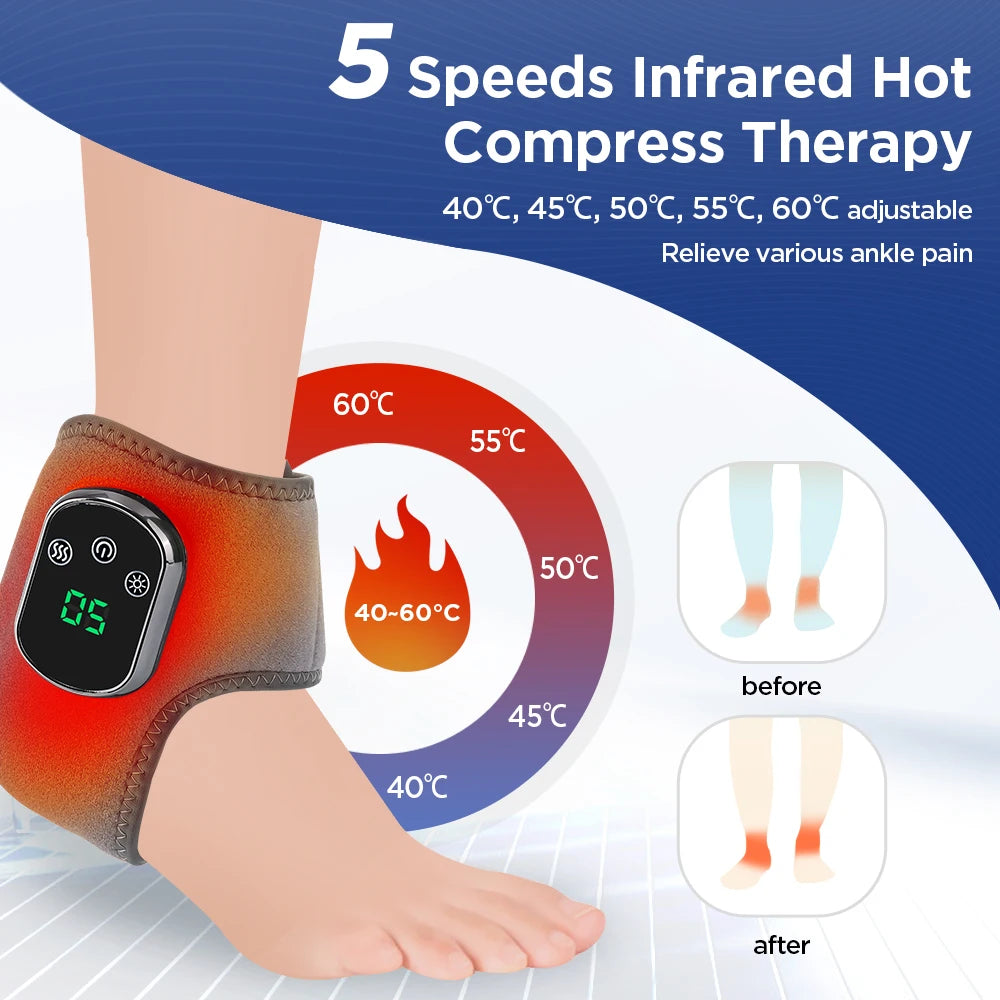
A simple daily ritual for ankle pain relief — See it in action
Final Verdict: Which Ankle Heating Pad Should You Choose?
The best ankle heating pad is the one that matches your symptoms, lifestyle, and recovery goals. If you experience frequent stiffness or muscle tension, an ankle heating pad with vibration provides the most comprehensive therapy by combining soothing warmth with gentle massage. For daily home use, a plug-in electric ankle heating pad offers continuous heat, while rechargeable models are ideal if portability is your priority.
When comparing options, focus on adjustable temperature settings, a secure and comfortable fit, built-in safety features such as automatic shut-off, and—if desired—multiple vibration modes. Choosing a model that you'll use consistently is more important than selecting one with unnecessary features.
Frequently Asked Questions
How often should I use an ankle heating pad?
Most people can safely use an ankle heating pad once or twice daily for 15–20 minutes per session. Always follow the manufacturer's instructions and allow your skin to cool between treatments if using multiple sessions.
Is an electric ankle heating pad safe?
Yes. An electric ankle heating pad is generally safe when used as directed. Look for models with overheat protection and automatic shut-off, and avoid using heat on broken skin or areas with reduced sensation.
Can heat therapy reduce ankle swelling?
Not during the early stages of an acute injury. If your ankle is newly injured, swollen, or inflamed, cold therapy is usually recommended first. Heat is more appropriate after swelling has subsided and stiffness becomes the primary concern.
What is the best heating pad for sore ankles?
The best heating pad for sore ankles typically combines adjustable heat, a comfortable wrap-around design, and optional vibration. These features provide customizable relief for everyday stiffness, post-workout recovery, and chronic discomfort.
Are vibrating heating pads better for joints?
For many users, yes. Heat relaxes muscles while vibration helps ease muscle tension and encourages circulation, creating a more comprehensive recovery experience than heat alone.
Can I wear it while walking?
Most heated ankle wraps are designed for stationary use while sitting or resting. Walking while wearing an electric heating pad may reduce effectiveness and could affect proper positioning unless the manufacturer specifically states otherwise.
Is heat therapy good for arthritis?
Yes. Gentle heat therapy is commonly used to reduce stiffness and improve mobility in people with arthritis. It is particularly helpful before light exercise or stretching.
How long does it take to feel results?
Many users notice temporary relief during or shortly after their first session. Regular use over several days or weeks often provides more consistent improvements in comfort and flexibility.
Can I use an ankle heating pad for plantar fasciitis?
It can help relax the muscles and soft tissues surrounding the ankle and foot, especially before stretching. However, plantar fasciitis often benefits from a broader treatment plan that includes stretching, supportive footwear, and activity modification.
Is a rechargeable or plug-in ankle heating pad better?
Rechargeable models offer greater portability, while plug-in units provide uninterrupted heat for longer sessions. The better choice depends on whether convenience or continuous heating is more important to you.
Do compression and heat work better together?
Light compression helps keep the heating elements in close contact with the ankle while providing gentle support. Many users find that combining compression and heat improves overall comfort during treatment.
What temperature is best for ankle heat therapy?
A warm, comfortable setting is generally most effective. Start with the lowest temperature and increase gradually until you achieve soothing warmth without excessive heat.
Can I sleep while wearing an electric ankle heating pad?
Unless the manufacturer specifically states that overnight use is safe, you should not sleep while wearing an electric heating pad. Doing so increases the risk of prolonged heat exposure.
How do I clean a heated ankle wrap?
Always disconnect the power source before cleaning. Follow the manufacturer's care instructions, which often recommend wiping the device with a damp cloth or removing a washable cover if one is included.
Pillar Article: Sore Ankles After Walking? Top Massagers Compared for Fast Relief
Other Related Articles:
- Portable Electric Massager Showdown: Find Your Ideal Ankle Relief
- Auto Shut Off Massagers: Safety and Comfort in Everyday Use
- Vibration Massage Benefits: Which Heated Pads Ease Ankle Pain Most
- Infrared Heat Benefits Explained: Which Foot Massager Works Best
Explore More:













