

Benefits of Exfoliating Your Body: Science, Results & Best Practices
The benefits of exfoliating your body extend far beyond creating softer skin. A well-balanced exfoliation routine helps remove accumulated dead skin cells, supports the skin's natural renewal process, improves the absorption of moisturizers and treatments, minimizes dullness, and can reduce the likelihood of clogged pores and ingrown hairs. If your body care routine has stopped delivering noticeable improvements, consistent exfoliation may be the step that helps restore smoother, healthier-looking skin.
⏱ 7 min read
The benefits of exfoliating the body begin with consistent care that reveals smoother, healthier-looking skin.
What Is Body Exfoliation and Why It Matters for Skin Health
What happens when you exfoliate your body?
Body exfoliation removes excess dead skin cells from the outermost layer of the skin, known as the stratum corneum. As these cells naturally accumulate, they can leave the skin looking rough, dry, or lackluster. Removing this buildup helps reveal fresher skin beneath, encourages a smoother texture, and reduces debris that can contribute to clogged pores and ingrown hairs. Understanding what happens when you exfoliate your body explains why exfoliating your body is important for maintaining healthy-looking skin.
The science of skin cell turnover
Your skin is constantly renewing itself through a process called cell turnover. Fresh skin cells are produced in deeper layers before gradually moving to the surface, where older cells are eventually shed. Factors such as age, sun exposure, environmental stress, and dry skin can slow this natural cycle, allowing dead cells to accumulate. Gentle, regular exfoliation supports this renewal process by removing surface buildup, helping skin feel smoother, appear brighter, and better absorb hydrating skincare products.
Benefits of Exfoliating Your Body (Short-Term vs Long-Term Results)
Immediate benefits (after 1–3 uses)
- Softer, smoother skin with less surface roughness.
- A brighter, healthier-looking glow after lifting away dull dead skin cells.
- Improved absorption of lotions, body creams, and nourishing treatments.
- Noticeable improvement in rough areas such as elbows, knees, and heels.
Long-term benefits (after consistent use)
- A more even-looking skin tone through regular surface renewal.
- Fewer clogged pores that may contribute to body blemishes.
- Reduced occurrence of ingrown hairs, particularly after shaving or waxing.
- Support for a healthy skin barrier when exfoliation is performed at an appropriate frequency.
- Progressively smoother texture and more refined-looking skin over time.
How Exfoliating Improves Skin (Backed by Science)
Removing dead skin cells and keratin buildup
The outer layer of skin naturally contains keratin-rich dead skin cells that eventually detach on their own. When this shedding process slows, excess keratin and dead cells can create a rough texture and dull appearance. Exfoliation helps remove this buildup, allowing newer skin cells to become more visible and improving overall skin smoothness.
Stimulating circulation and lymphatic flow
Physical exfoliation techniques such as gentle brushing or exfoliating with a mitt may temporarily increase local blood circulation while massaging the skin. Although these effects are short-lived, they can contribute to healthier-looking skin and leave the body feeling refreshed. It's important to view exfoliation as a supportive skincare practice rather than a treatment for circulation or lymphatic conditions.
Enhancing product absorption
Once excess dead skin cells are removed, moisturizers, body lotions, and hydrating ingredients can spread more evenly across the skin's surface. While exfoliation does not change how ingredients work biologically, reducing surface buildup helps skincare products contact healthier skin more effectively, making your overall body care routine feel more effective.
Physical vs Chemical Exfoliation: Which Is Better for Your Body?
Physical exfoliation (scrubs, brushes, gloves)
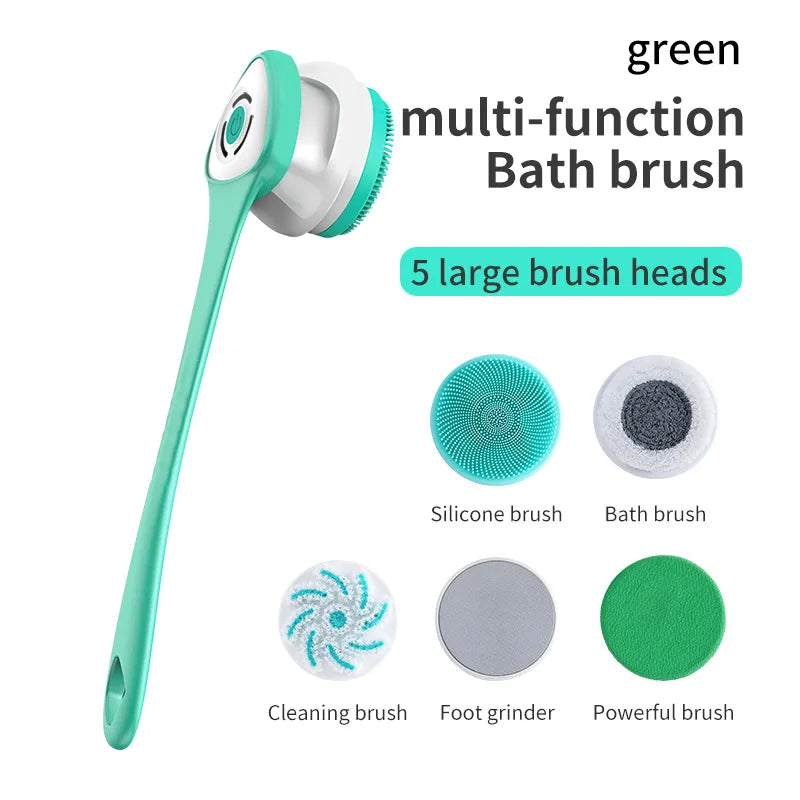
Physical exfoliation removes dead skin cells through gentle friction using tools or textured products. Popular options include exfoliating gloves, body brushes, silicone scrubbers, and sugar or salt scrubs. One of the biggest benefits of exfoliating the body with physical methods is the immediate improvement in skin texture. To protect your skin barrier, use light pressure and avoid aggressive scrubbing, especially on sensitive areas.
Chemical exfoliation (AHAs, BHAs, enzymes)
Chemical exfoliants work by loosening the bonds that hold dead skin cells together rather than physically scrubbing them away. Alpha hydroxy acids (AHAs), such as glycolic and lactic acid, are effective for improving roughness and uneven texture, while beta hydroxy acids (BHAs), including salicylic acid, penetrate oil to help keep pores clear. Enzyme exfoliants derived from fruits can offer an even gentler alternative for some skin types.
How to choose based on your skin type
- Sensitive skin: Choose soft exfoliating tools or low-strength AHAs, PHAs, or enzyme-based formulas, and limit use to once or twice weekly.
- Dry skin: Opt for gentle exfoliants paired with hydrating ingredients such as glycerin, ceramides, or hyaluronic acid to minimize moisture loss.
- Oily or acne-prone skin: BHAs can help reduce excess oil and keep pores clearer, while gentle physical exfoliation can be used occasionally.
- Combination skin: Alternate between mild chemical exfoliants and gentle physical methods depending on the needs of different body areas.
Is Daily Exfoliation Good for Your Body? (Expert Guidelines)
Safe exfoliation frequency by skin type
- Sensitive skin: 1–2 times per week.
- Normal skin: 2–3 times per week.
- Dry skin: Once or twice weekly using gentle exfoliants followed by a rich moisturizer.
- Oily or rough skin: Up to 3–4 times per week if your skin tolerates gentle exfoliation without irritation.
Signs you're over-exfoliating
- Persistent redness or irritation.
- Stinging when applying normally gentle skincare products.
- Dryness, flaking, or an unusually tight feeling.
- Increased sensitivity or tenderness to touch.
- A compromised skin barrier that feels uncomfortable even after moisturizing.
For most people, daily body exfoliation is unnecessary. Giving your skin time to recover between sessions helps maintain a healthy barrier while still delivering the long-term benefits of exfoliating your body. If irritation develops, reduce frequency until your skin feels comfortable again.

Consistent, gentle exfoliation delivers the best long-term skin results.
How to Exfoliate Your Body Properly (Step-by-Step Routine)
Pre-exfoliation prep
Begin by rinsing your body with lukewarm water for several minutes to soften the outer layer of skin. Cleanse away surface dirt, sunscreen, and sweat before exfoliating. Avoid very hot water, which can strip natural oils and leave skin more prone to dryness.
Technique for best results
- Cleanse with a gentle body wash or exfoliating cleanser.
- Select an appropriate exfoliating tool, such as a soft brush, mitt, or silicone scrubber.
- Massage the skin using slow, circular motions with light, even pressure.
- Spend extra time on rough areas like elbows, knees, and heels while avoiding irritated or broken skin.
- Rinse thoroughly with lukewarm water to remove loosened skin cells and cleanser residue.
Post-exfoliation care
Pat your skin dry with a soft towel instead of rubbing. Apply a moisturizer immediately while the skin is still slightly damp to help lock in hydration and support the skin barrier. Consistently following this body exfoliation routine helps maximize smoothness while minimizing the risk of irritation.
Best Exfoliation Routine by Skin Type
Sensitive skin
Choose fragrance-free, gentle exfoliants once or twice per week and avoid coarse scrubs that can damage the skin barrier. Ingredients such as polyhydroxy acids (PHAs), low-strength lactic acid, and soothing botanicals like aloe vera or oat extract are often well suited for easily irritated skin. If redness or stinging occurs, reduce frequency until your skin recovers.
Dry skin
Dry skin benefits from mild exfoliation followed immediately by a nourishing moisturizer. Lactic acid is a popular option because it exfoliates while helping attract moisture. Look for creams containing ceramides, glycerin, or hyaluronic acid after exfoliating to reinforce hydration and maintain a healthy skin barrier.
Oily / acne-prone skin
For skin prone to excess oil or body breakouts, salicylic acid (BHA) helps remove excess sebum and keep pores clearer. Combine gentle exfoliation with non-comedogenic moisturizers to avoid drying the skin, as excessive dryness can sometimes trigger additional oil production.
Common Exfoliation Mistakes to Avoid
Using harsh scrubs
Scrubs with large, sharp particles or aggressive brushing can create tiny surface injuries that weaken the skin barrier. Choose fine-textured exfoliants or soft tools and allow the exfoliating ingredients or texture—not excessive force—to do the work.
Exfoliating too often
More frequent exfoliation does not always produce better results. Over-exfoliating can lead to dryness, irritation, redness, and increased sensitivity. Following a schedule appropriate for your skin type helps you enjoy the benefits of exfoliating body skin while minimizing irritation.
Skipping moisturizer
Hydration is an essential part of every exfoliation routine. Applying moisturizer while skin is still slightly damp helps reduce moisture loss, supports the skin barrier, and keeps newly revealed skin feeling soft and comfortable.
- Avoid exfoliating more frequently than your skin can comfortably tolerate.
- Replace rough or worn exfoliating tools that may become abrasive.
- Use gentle, even pressure rather than vigorous scrubbing.
- Adjust your routine based on your skin type, season, and any signs of irritation.
- Pause exfoliation if your skin becomes inflamed, sunburned, or damaged.
Your Body Exfoliation Results Timeline (What to Expect)
- After the first session: Skin typically feels smoother, softer, and looks more refreshed as surface buildup is removed.
- After one week: With consistent care, rough patches often become less noticeable and moisturizers may absorb more effectively.
- After 2–4 weeks: Many people notice improved texture, a more even-looking tone, and fewer clogged pores or ingrown hairs.
- After 6 weeks and beyond: Maintaining a balanced routine helps support long-term smoothness, healthier-looking skin, and more consistent skincare results.
FAQ: Benefits of Body Exfoliation
What happens when you exfoliate your body?
Body exfoliation removes accumulated dead skin cells from the surface of the skin, helping reveal smoother, brighter-looking skin underneath. Regular exfoliation also supports healthier skin renewal, reduces clogged pores, improves moisturizer absorption, and can help minimize ingrown hairs.
How often should you exfoliate your body?
Most people benefit from exfoliating 2–3 times per week. Sensitive skin often does best with once or twice weekly sessions, while oily or rough skin may tolerate up to 3–4 gentle sessions per week. Adjust your routine if you notice irritation or excessive dryness.
Is daily exfoliation good for your body?
For most skin types, daily exfoliation is unnecessary. Over-exfoliating may damage the skin barrier, leading to redness, dryness, increased sensitivity, and irritation. Gentle consistency is generally more effective than frequent exfoliation.
Does body exfoliation improve skin texture?
Yes. One of the primary benefits of body exfoliation is smoother, more even skin texture. By removing rough surface cells and preventing buildup, regular exfoliation helps soften areas like elbows, knees, heels, and the backs of the arms while promoting a healthier-looking appearance over time.
Can body exfoliation help prevent ingrown hairs?
Yes. Exfoliating before shaving or waxing helps remove dead skin that can trap hairs beneath the surface. Consistent exfoliation, combined with proper shaving technique and moisturizing afterward, may reduce the likelihood of developing ingrown hairs.
Should you exfoliate before or after shaving?
It's generally best to exfoliate before shaving. Removing dead skin cells first helps the razor glide more smoothly, may produce a closer shave, and can reduce the risk of clogged follicles and ingrown hairs. Use gentle pressure and avoid exfoliating immediately after shaving if your skin feels irritated.
Can sensitive skin benefit from body exfoliation?
Yes. Sensitive skin can still enjoy the benefits of exfoliating your body when gentle products and lower frequency are used. Choose mild chemical exfoliants or soft exfoliating tools, avoid abrasive scrubs, and always apply a fragrance-free moisturizer afterward.
What is the difference between physical and chemical exfoliation?
Physical exfoliation removes dead skin cells with tools or fine particles, while chemical exfoliation uses ingredients such as AHAs or BHAs to dissolve the bonds holding dead skin cells together. Both methods can be effective when selected according to your skin type and used correctly.
Consistent exfoliation and proper moisturizing help maintain smoother, healthier-looking skin over time.
Want more self-care tips? Explore: Beauty & Self-Care Blog | Body & Face Blog | Hair, Skin & Nail
Pillar Article: At Home Exfoliation Secrets: How to Reveal Radiant Skin Instantly
Other Related Articles:
- Good Body Scrub for Sensitive Skin: Safe Picks That Actually Work
- Benefits of Exfoliation Explained: Why Your Routine Isn’t Complete Without It
- At Home Exfoliating Scrub Recipes You Can Make Before Tonight
Explore More:













