

Benefits of Body Exfoliation: Science-Backed Guide to Smoother, Healthier Skin
What Is Body Exfoliation and How Does It Work?
Body exfoliation is the process of removing dead skin cells from the outermost layer of the skin, known as the stratum corneum. Although your body naturally sheds these cells every 28–40 days, aging, dry skin, sun exposure, and environmental stress can slow this renewal cycle. As dead skin cells accumulate, skin may appear dull, feel rough, develop clogged pores, and absorb moisturizers less effectively. Regular exfoliation helps restore smoother, healthier-looking skin by supporting your skin's natural renewal process.
The Skin Renewal Cycle Explained
Healthy skin constantly renews itself by producing fresh cells in the deeper layers of the epidermis and gradually moving them toward the surface. Once these cells reach the outer layer, they eventually shed to make room for new ones. When this process slows, dead skin cells build up, contributing to uneven texture, rough patches, and a lackluster appearance. Removing this buildup is one of the primary benefits of body exfoliation, helping reveal fresher skin while allowing skincare products to contact the skin more effectively.
Physical vs. Chemical Exfoliation
- Physical exfoliation: Uses scrubs, exfoliating gloves, brushes, or textured tools to manually lift away dead skin cells. Results are immediate but gentle pressure is essential to avoid irritation.
- Chemical exfoliation: Uses ingredients such as alpha hydroxy acids (AHAs), beta hydroxy acids (BHAs), or fruit enzymes to loosen the bonds between dead skin cells so they naturally shed without abrasive rubbing.
Both approaches can improve skin texture when used appropriately. Physical exfoliation is often preferred for rough areas such as elbows, knees, and heels, while chemical exfoliation may provide a more even result for sensitive, dry, or acne-prone skin. Choosing the right method depends on your skin type, concerns, and how frequently you plan to exfoliate.
Does Body Exfoliation Really Improve Skin Texture and Glow?
How Exfoliation Improves Skin Texture
Yes—body exfoliation can noticeably improve skin texture by removing accumulated dead skin cells, clearing clogged pores, and supporting the skin's natural renewal cycle. As rough surface cells are removed, skin feels softer and appears smoother. Regular exfoliation may also help reduce rough patches on areas such as the arms, legs, elbows, and knees while improving the effectiveness of moisturizers and targeted body treatments.
Why Exfoliation Creates Glowing Skin
One of the biggest benefits of exfoliating for glowing skin is that fresher skin cells reflect light more evenly than dull, flaky skin. Combined with consistent moisturizing and sun protection, exfoliation can promote a brighter, healthier-looking complexion over time. While results are often visible after a few sessions, lasting improvements depend on using the right exfoliation method and avoiding over-exfoliation, which can weaken the skin barrier.
⏱ 5 min read
If your skin feels rough, looks dull, or seems to stop responding to your favorite body lotion, a buildup of dead skin cells may be part of the problem. Exfoliation is a simple but effective step that supports smoother texture, healthier-looking skin, and better absorption of skincare products. In this guide, you'll learn how exfoliation helps skin, the science-backed benefits of body exfoliation, and how to build a safe routine for long-term results.
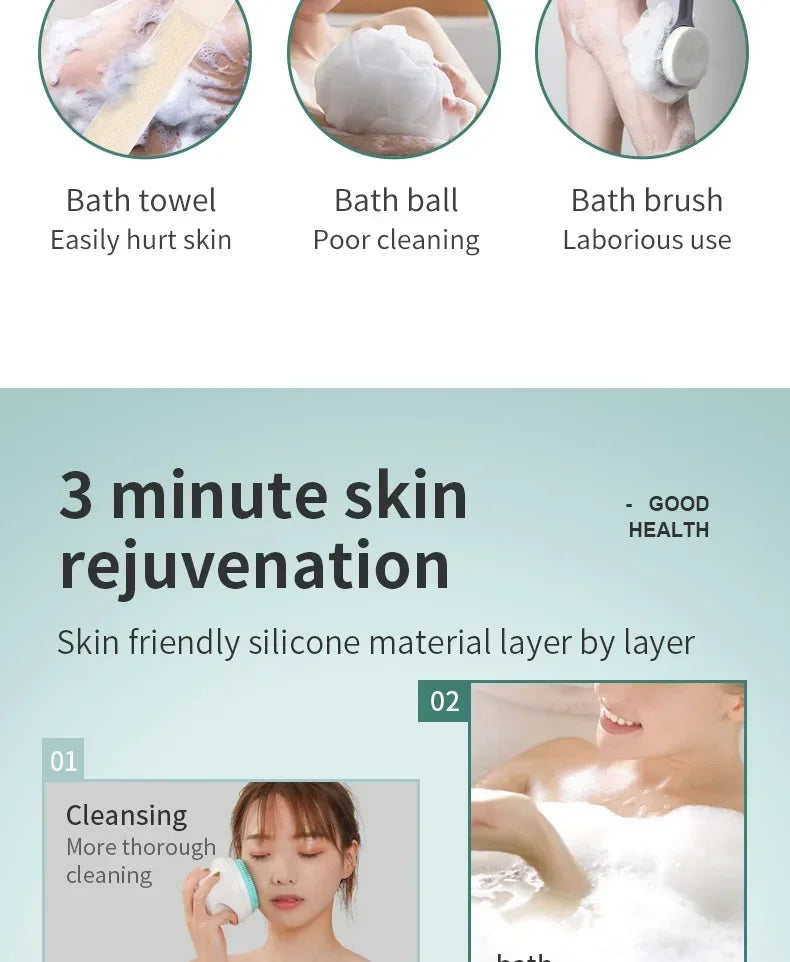
See it in action: benefits of full body exfoliation with KentDO
Key Benefits of Exfoliating Skin (Backed by Science)
Removes Dead Skin Cells for Smoother Texture
One of the primary benefits of exfoliating dead skin cells is a smoother, softer skin surface. By removing accumulated flakes and rough buildup, exfoliation improves texture and helps skin feel noticeably more refined after each session.
Unclogs Pores and Helps Prevent Body Acne
Exfoliation removes excess oil, sweat, and debris that can block pores, making it a valuable addition to routines for body acne on the back, chest, and shoulders. While it is not a standalone acne treatment, regular exfoliation may reduce the conditions that contribute to clogged pores.
Enhances Absorption of Skincare Products
After dead skin cells are removed, moisturizers, hydrating lotions, and treatment products can spread more evenly across the skin. This improves contact with the skin surface, helping maximize the effectiveness of your body care routine.
Promotes Brighter, More Even Skin Tone
Consistent exfoliation encourages fresh skin cells to reach the surface, reducing the appearance of dullness and improving overall radiance. Over time, this can contribute to a more even-looking skin tone when combined with daily sun protection.
Supports Circulation and Skin Renewal
Gentle massage during physical exfoliation temporarily increases surface circulation, while both physical and chemical methods support healthy skin turnover. Together, these effects contribute to healthier-looking skin with improved smoothness and resilience.
Helps Reduce Rough Patches and Ingrown Hairs
Regular exfoliation can soften stubborn rough areas on the elbows, knees, heels, and upper arms. It may also help reduce ingrown hairs by clearing away dead skin that can trap growing hairs beneath the surface, especially before and between shaving or waxing sessions.
Benefits of Full Body Exfoliation vs Targeted Exfoliation
Both full body and targeted exfoliation offer valuable skin benefits, but the best approach depends on your goals. Full body exfoliation promotes a consistently smooth texture and healthy-looking glow across larger areas, while targeted exfoliation concentrates on spots that commonly develop thicker or rougher skin.
- Full body exfoliation: Helps maintain even skin texture, improves overall radiance, supports better absorption of moisturizers, and reduces widespread buildup of dead skin cells.
- Targeted exfoliation: Focuses on problem areas such as elbows, knees, heels, upper arms, back, shoulders, and areas prone to body acne or ingrown hairs.
Most people benefit from exfoliating the entire body one to three times per week while giving extra attention to rough areas only when needed. This balanced approach minimizes irritation while maximizing the benefits of full body exfoliation.

Maximize results with the best body exfoliating tools
Types of Exfoliation: Choosing the Right Method for Your Skin
Physical Exfoliation (Scrubs, Brushes, Gloves)
Physical exfoliation removes dead skin cells through gentle friction using body scrubs, exfoliating gloves, loofahs, or cleansing brushes. One of the key benefits of body scrub products is that they deliver an immediate feeling of smoother skin. However, excessive pressure or overly abrasive products can damage the skin barrier, so gentle technique is essential.
Chemical Exfoliation (AHAs, BHAs, Enzymes)
Chemical exfoliants loosen the bonds between dead skin cells without requiring scrubbing. Alpha hydroxy acids (AHAs), such as glycolic and lactic acid, work well for dry or sun-damaged skin by improving surface texture. Beta hydroxy acids (BHAs), especially salicylic acid, penetrate oil-filled pores, making them a good choice for oily or acne-prone skin. Enzyme exfoliants provide a gentler alternative for people with sensitive skin.
Which Type Is Best for Your Skin Type?
- Sensitive skin: Choose mild enzyme exfoliants or low-strength AHAs and avoid harsh scrubs.
- Oily or acne-prone skin: BHAs help reduce clogged pores while controlling excess oil.
- Dry skin: AHAs improve roughness and support smoother, softer skin when paired with a moisturizer.
- Normal or combination skin: Alternate between gentle physical exfoliation and chemical exfoliants based on your skin's needs.
No single method is ideal for everyone. Selecting an exfoliation routine based on your skin type, sensitivity, and concerns helps maximize results while reducing the risk of irritation.
How Often Should You Exfoliate Your Body?
Recommended Frequency by Skin Type
The ideal exfoliation schedule depends on your skin type, the products you use, and how your skin responds. Consistency is generally more beneficial than frequent exfoliation.
- Sensitive skin: Once per week using gentle exfoliating products.
- Dry skin: One to two times per week, followed immediately by a rich moisturizer.
- Normal skin: Two to three times per week to maintain smooth, healthy-looking skin.
- Oily or acne-prone skin: Two to three times per week, adjusting frequency if irritation develops.
Is Daily Exfoliation Good for Skin?
For most people, daily exfoliation is not recommended. Exfoliating too often can weaken the skin barrier, leading to redness, dryness, increased sensitivity, and irritation. Unless a dermatologist specifically recommends otherwise, allowing time between exfoliation sessions gives the skin an opportunity to repair and maintain its natural protective barrier.
Seasonal and Lifestyle Adjustments
Your exfoliation routine should adapt to changes in weather, activity level, and skin condition. During colder months, skin tends to become drier, so reducing exfoliation frequency may help prevent irritation. In warmer weather or after frequent exercise, sweat and sunscreen buildup may make regular exfoliation more beneficial. Always pay attention to how your skin feels and adjust your routine accordingly rather than following a rigid schedule.
Who Should Avoid or Limit Exfoliation?
Sensitive or Damaged Skin Conditions
Although exfoliation benefits most healthy skin types, it should be postponed if your skin barrier is already compromised. Avoid exfoliating areas affected by eczema flare-ups, rosacea, sunburn, open cuts, active rashes, or skin infections until the skin has fully recovered. Exfoliating damaged skin can increase irritation, delay healing, and worsen inflammation.
Medical Conditions Requiring Caution
People using prescription retinoids, undergoing chemical peels or laser treatments, or managing conditions such as psoriasis should consult a dermatologist before adding exfoliation to their routine. If you have diabetes or circulation problems that affect skin healing, use extra caution and seek professional guidance before exfoliating rough areas, especially on the feet.
Signs You're Over-Exfoliating
One reason to exfoliate your body is to support healthy skin renewal—not to remove the skin's protective barrier. If you notice any of the following symptoms, stop exfoliating for several days and focus on moisturizing until your skin recovers.
- Persistent redness or irritation
- Stinging, burning, or increased sensitivity
- Excessive dryness, tightness, or peeling
- Unexpected breakouts or worsening acne
- Skin that feels raw or unusually shiny
If irritation persists despite reducing exfoliation, or if symptoms become severe, consult a dermatologist to rule out an underlying skin condition.
Common Exfoliation Mistakes to Avoid
- Exfoliating more often than your skin can tolerate.
- Using harsh scrubs with large, abrasive particles on sensitive skin.
- Applying excessive pressure when using brushes, gloves, or scrubs.
- Skipping moisturizer after exfoliation, allowing the skin to lose moisture.
- Layering multiple exfoliating products, such as strong acids and physical scrubs, during the same routine.
- Ignoring signs of irritation instead of reducing frequency or switching to gentler products.
How to Exfoliate Your Body Properly (Step-by-Step)
- Start with warm water. Shower or bathe for a few minutes to soften the outer layer of skin before exfoliating.
- Apply your exfoliating product gently. Whether using a scrub, glove, brush, or chemical exfoliant, follow the product directions and avoid excessive force.
- Use light circular motions. Focus on rough areas while treating delicate skin with extra care.
- Rinse thoroughly. Remove all exfoliating residue with lukewarm water and gently pat your skin dry using a clean towel.
- Moisturize immediately. Apply a nourishing body lotion or cream while your skin is still slightly damp to help restore hydration and support the skin barrier.
Following these steps consistently helps maximize how exfoliation helps skin by improving smoothness, maintaining hydration, and reducing the risk of irritation from improper technique.
Choosing the Best Body Exfoliating Tools and Scrubs
Comparing Scrub Types
- Sugar scrubs: Gentle, dissolve easily in water, and are well suited for sensitive or dry skin.
- Salt scrubs: More abrasive and effective for rough areas such as elbows, knees, and heels, but may be too harsh for delicate skin.
- Chemical exfoliants: Products containing AHAs, BHAs, or enzymes provide more even exfoliation without physical friction and can be ideal for body acne or uneven texture.
Tools vs. Chemical Exfoliants
Exfoliating tools provide immediate smoothness by physically removing surface buildup, while chemical exfoliants gradually improve skin texture by encouraging natural cell turnover. Many people achieve the best long-term results by combining both methods on different days rather than using them together in the same routine.
| Tool | Pros | Cons |
|---|---|---|
| Electric Shower Brush | Consistent exfoliation, easy to use, reaches large body areas efficiently | Requires charging and routine cleaning |
| Natural Loofah | Gentle, inexpensive, and eco-friendly | Needs frequent replacement and thorough drying between uses |
| Exfoliating Gloves | Affordable, reusable, and effective for rough skin | Manual effort required and pressure can be inconsistent |
How to Choose for Sensitive, Dry, or Oily Skin
- Sensitive skin: Choose soft exfoliating tools or mild enzyme and low-strength AHA products. Avoid coarse scrubs.
- Dry skin: Select hydrating sugar scrubs or lactic acid-based exfoliants, followed by a rich moisturizer.
- Oily or acne-prone skin: Consider salicylic acid (BHA) products or gentle cleansing brushes that help remove excess oil without excessive friction.
Regardless of which tool you choose, clean reusable brushes, gloves, and loofahs regularly and replace worn accessories as recommended. Proper maintenance helps reduce bacterial buildup while maintaining effective exfoliation.
For a convenient option, try KentDO Electric Shower Brush for full body exfoliation at home.
Pro Tips for Maximum Results
- Use lukewarm—not hot—water to help protect your skin's natural barrier.
- Apply moisturizer immediately after exfoliating to lock in hydration.
- Exfoliate consistently instead of increasing frequency for faster results.
- Wear sunscreen on exposed skin after exfoliation because freshly exfoliated skin may be more sensitive to UV exposure.
- Pair your routine with quality skincare from Body Care and Health Devices .
Dermatologist-Backed Safety Tips
Patch Testing
Before using a new scrub, acid, or exfoliating treatment on large areas, test it on a small patch of skin for 24 hours to check for redness, irritation, or allergic reactions.
When to Stop Exfoliating
Pause exfoliation if your skin becomes persistently red, painful, swollen, or excessively dry. Allow the skin barrier to recover with gentle cleansing and moisturizing before resuming your routine.
Combining Exfoliation with Active Ingredients
Avoid using strong exfoliating acids alongside retinoids, benzoyl peroxide, or other potent active ingredients during the same routine unless directed by a dermatologist. Alternating products on different days can help reduce irritation while preserving the advantages of exfoliating skin regularly.

Achieve glowing skin: daily exfoliation with top tools
FAQs About Body Exfoliation
Does exfoliating improve skin?
Yes. Regular exfoliation improves skin texture, smoothness, and radiance by removing dead skin cells and supporting healthy skin renewal when performed appropriately.
What are the benefits of exfoliating dead skin cells?
Removing dead skin cells helps smooth rough texture, unclog pores, improve the appearance of dull skin, and allows moisturizers and body treatments to work more effectively.
Is daily exfoliation good for skin?
For most people, no. Daily exfoliation can damage the skin barrier and increase irritation. Most skin types benefit from exfoliating one to three times per week.
How exfoliation helps skin glow?
Exfoliation removes dull surface cells, allowing fresher skin underneath to reflect light more evenly and creating a naturally brighter appearance.
Why should you exfoliate your body?
Body exfoliation helps maintain smoother skin, minimizes clogged pores, improves product absorption, reduces rough patches, and supports a healthier-looking complexion.
Can exfoliation help keratosis pilaris?
Gentle chemical exfoliants containing AHAs, BHAs, or urea may help improve the appearance of keratosis pilaris by reducing the buildup of dead skin around hair follicles. Results are usually best when combined with consistent moisturizing.
Should you exfoliate before or after shaving?
Exfoliating before shaving is generally recommended because it removes dead skin cells and lifts trapped hairs, allowing for a closer shave while reducing the likelihood of ingrown hairs.
Can body exfoliation reduce ingrown hairs?
Yes. Regular, gentle exfoliation helps remove dead skin that can trap hairs beneath the surface, making ingrown hairs less common when combined with proper shaving techniques.
Related Articles:
- Best Exfoliating Shower Gel Roundup: What’s Worth Buying in 2025
- Best Body Brush for Exfoliating Comparison: Which Wins for Glow and Softness?
- Best Body Exfoliating Brush Tested: Which One Really Works?
- How to Exfoliate in the Shower Like a Pro Without Overdoing It
- Best Body Exfoliating Scrub Reviews: Top 10 for Every Skin Type
Pillar Articles:













