

How to Reduce Lower Leg Swelling After a Long Day?
If you're wondering how to reduce lower leg swelling after standing or walking for hours, the most effective first steps are elevating your legs above heart level, moving your ankles and calves, staying hydrated, limiting excess sodium, and using properly fitted compression if appropriate. These methods help improve circulation and encourage excess fluid to move back toward the heart.
Most mild swelling caused by standing all day improves within several hours with home care. However, sudden swelling, severe pain, redness, warmth, or swelling affecting only one leg may indicate a more serious condition requiring medical evaluation.
- Elevate legs for 15–30 minutes
- Walk or perform calf pumps every hour
- Apply a cool compress if swelling feels warm
- Drink water throughout the day
- Reduce high-sodium foods
- Wear compression stockings if recommended
How to Reduce Lower Leg Swelling After a Long Day
⏱ 5 min read — Lower leg swelling can make your legs feel heavy, tight, and uncomfortable after a busy day. Whether you stand at work, walk frequently, exercise, or spend hours caring for children, understanding why swelling happens makes it easier to choose the right recovery routine.
Explore powerful tools in the Body Care and Health Devices collection designed to support leg comfort and recovery.
Ever notice your socks leaving deeper marks on your ankles by evening? Or that heavy, tired feeling that remains even after you sit down?
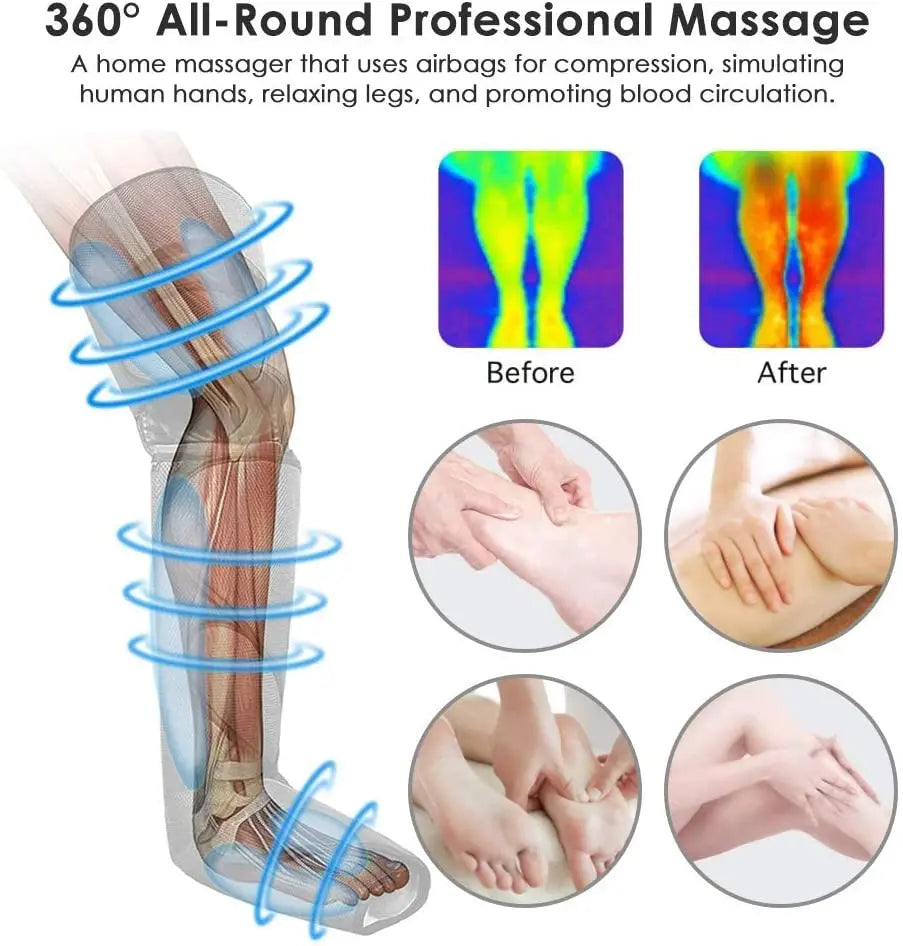
See it in action - how to reduce lower leg swelling, natural recovery tips, and ways to ease leg fatigue after long days
What Causes Lower Leg Swelling? Understanding Why Fluid Builds Up
Lower leg swelling, also called edema, happens when excess fluid collects in the tissues of the feet, ankles, or calves. Gravity naturally pulls fluid downward, which is why swelling often becomes more noticeable after standing or sitting for long periods.
Temporary Swelling vs. Chronic Edema
Temporary swelling can happen after prolonged standing, intense activity, hot weather, or pregnancy and often improves with movement and rest. Chronic swelling that continues for weeks or repeatedly returns may be connected to vein problems, lymphatic issues, medications, or underlying health conditions.
How the Calf Muscle Pump Helps Circulation
The calf muscles act like a natural pump. Every time you walk or contract your calves, they help push blood upward through the veins toward your heart. When you stand still for long periods, this pumping action decreases, allowing fluid to collect in the lower legs.
Why Standing All Day Causes Swelling
People who work on their feet, including healthcare workers, retail employees, teachers, and parents caring for young children, often experience more lower leg pressure. Reduced movement combined with gravity increases pressure inside the veins and can contribute to swelling.
How to Tell What's Causing Your Lower Leg Swelling
The timing, location, and symptoms around your swelling can provide clues about the possible cause.
- After standing all day: Usually affects both legs and improves after elevation or overnight rest.
- After an injury: Swelling is usually focused around the injured area and may include pain or bruising.
- During pregnancy: Mild swelling can be common, but sudden changes should be discussed with a healthcare professional.
- Medication-related swelling: Some blood pressure medicines, steroids, anti-inflammatory medicines, and hormones may contribute.
- Chronic venous insufficiency: May cause recurring ankle swelling, aching, or visible veins.
- Lymphedema: Can create firm swelling caused by lymph fluid buildup.
- Heart, kidney, or liver conditions: May cause swelling in both legs along with other symptoms.
- One swollen leg only: Sudden one-sided swelling may require medical assessment.
When Lower Leg Swelling Needs Medical Attention
Many cases of mild swelling improve with home care, but certain symptoms should not be ignored.
Seek Emergency Care If You Notice:
- Sudden swelling in one leg
- Chest pain or difficulty breathing
- Severe calf pain with warmth or redness
- Rapid swelling after an injury
- Blue or pale skin
Schedule a Medical Appointment If:
- Swelling lasts longer than several days
- It repeatedly returns
- Skin becomes thick, tight, or discolored
- You have heart, kidney, liver disease, or diabetes
Why Lower Leg Swelling Happens After a Long Day
Lower leg swelling commonly develops because fluid movement slows down when your legs remain in one position for too long. Standing, walking, carrying weight, and limited recovery time can all increase pressure in the lower legs.
For many people, improving circulation habits throughout the day can significantly reduce feelings of heaviness and discomfort.
How This Simple Routine Helps Reduce Lower Leg Swelling Fast
Combining several circulation-supporting techniques is often more effective than relying on one method alone.
Quick Relief Checklist You Can Start Today
- Elevate your legs above heart level for 20 minutes.
- Perform ankle pumps and calf raises for several minutes.
- Take a short walk to activate the calf muscle pump.
- Apply a cool compress if your legs feel warm.
- Drink enough water to support healthy fluid balance.
See how a leg air pressure massager can support relaxation after long periods of standing or activity.
How to Reduce Lower Leg Swelling Naturally at Home
Elevate Your Legs Correctly
Raise your legs above heart level for 15–30 minutes whenever possible. This position helps reduce pressure and encourages fluid movement.
Use Cold Therapy
Apply a cool pack wrapped in a towel for 10–15 minutes if your legs feel warm or uncomfortable after a long day.
Walk Instead of Remaining Still
Gentle walking activates the calf muscles and supports circulation better than sitting completely still.
Perform Gentle Ankle and Calf Exercises
Ankle circles, heel raises, and toe lifts can be done throughout the day to encourage movement.
Massage Carefully
Gentle massage may improve comfort, but avoid massage if a blood clot is suspected or swelling appears suddenly in one leg.
Stay Hydrated
Proper hydration supports healthy fluid regulation and may help prevent the body from holding excess water.
Reduce Excess Sodium
High-sodium processed foods can contribute to water retention for some people. Choosing balanced meals may help manage swelling.
Wear Supportive Shoes
Supportive footwear can reduce muscle fatigue when standing or walking for long periods.
Compression Therapy: When It Helps and When to Avoid It
Compression Stockings
Graduated compression stockings apply more pressure around the ankle and gradually reduce pressure higher on the leg. This design supports upward blood movement.
Air Compression Devices
Intermittent pneumatic compression devices inflate and release pressure in cycles to support circulation and reduce feelings of heaviness after prolonged standing.
Who Should Avoid Compression Without Medical Advice
People with severe circulation problems, certain skin infections, or unexplained one-sided swelling should consult a healthcare professional before using compression products.
How Air Compression Massagers Can Support Recovery
Air compression massagers provide intermittent pressure that can mimic some effects of natural muscle movement. They may help support temporary leg fatigue, mild swelling after activity, and recovery after spending long periods on your feet.
These devices are best used as part of a complete routine that includes movement, hydration, elevation, and appropriate medical guidance when necessary.
Explore more recovery tools in the Body Care and Health Devices collection.
Best Ways to Reduce Lower Leg Swelling: Comparison
| Method | Best For | Time | Ease |
|---|---|---|---|
| Leg elevation | Temporary swelling after standing | 15–30 minutes | Easy |
| Walking and movement | Improving circulation | 5–10 minutes | Easy |
| Compression stockings | Recurring swelling support | Daily wear | Moderate |
| Cold therapy | Warmth and discomfort | 10–15 minutes | Easy |
| leg air pressure massager | Relaxation and recovery support | 10–20 minutes | Very easy |
Daily 15-Minute Routine for Lower Leg Swelling Relief
- Walk for 5 minutes.
- Perform calf raises for 2 minutes.
- Complete ankle circles for 2 minutes.
- Elevate your legs for 5 minutes.
- Finish with gentle stretching.
This simple routine can help reduce the heavy, tired feeling that often appears after long days of activity.
How to Prevent Lower Leg Swelling If You Stand All Day
- Take movement breaks every 30–60 minutes.
- Alternate sitting and standing when possible.
- Use compression stockings if recommended.
- Choose supportive shoes with cushioning.
- Drink water regularly throughout the day.
- Maintain healthy body weight habits.
- Stretch calves before and after long periods of standing.
Common Myths About Lower Leg Swelling
-
Myth:
Swelling is always harmless.
Fact: Persistent or sudden swelling can require medical evaluation. -
Myth:
Drinking less water reduces swelling.
Fact: Proper hydration supports fluid balance. -
Myth:
Complete rest is always best.
Fact: Gentle movement often supports circulation. -
Myth:
Massage is always safe.
Fact: Avoid massage when a blood clot is suspected.
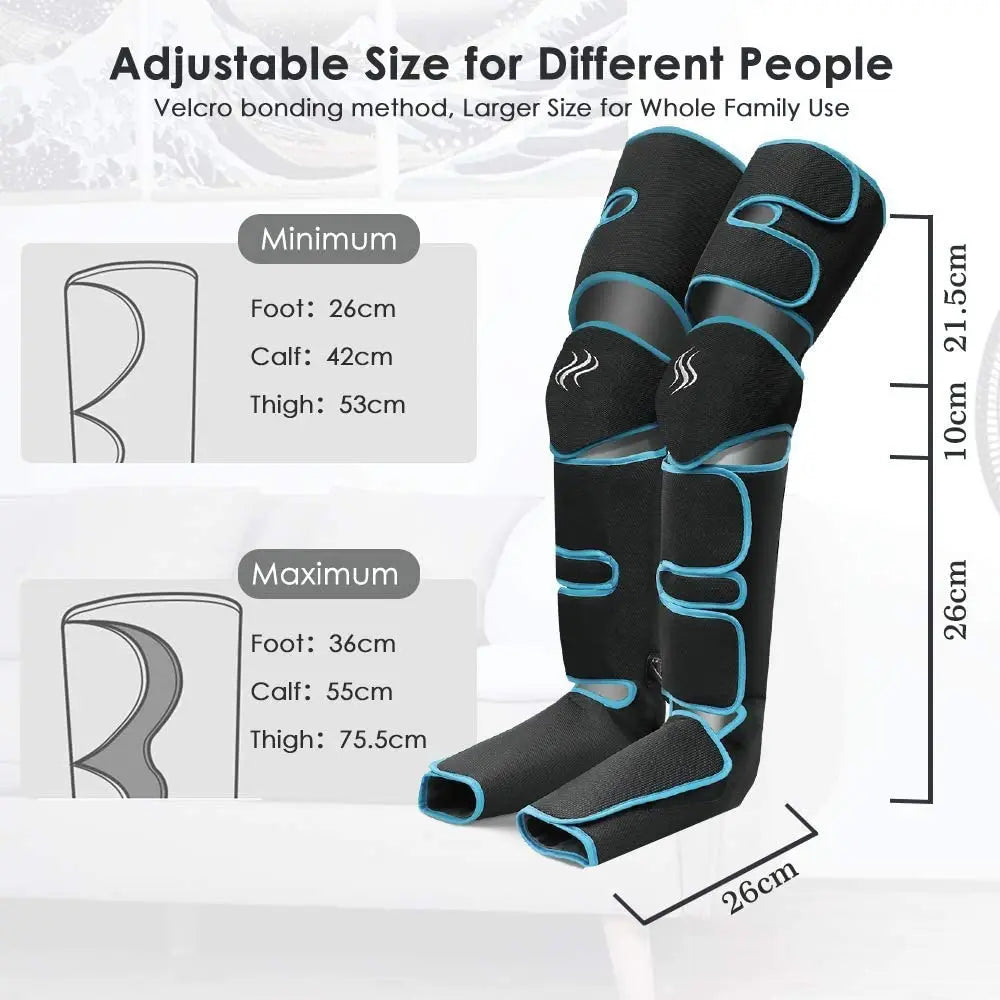
See it in action - lower leg swelling relief tips and recovery methods
Experience comfortable recovery support with the leg air pressure massager .
FAQs About Lower Leg Swelling
What is the fastest way to reduce lower leg swelling?
Elevating your legs, moving your calves, staying hydrated, and using appropriate compression methods are common ways to support faster relief from mild swelling.
How to reduce lower leg swelling naturally?
Natural approaches include leg elevation, walking, ankle exercises, hydration, reducing sodium intake, and supportive footwear.
How do you reduce leg swelling after standing all day?
Take a short walk, elevate your legs, perform calf exercises, and consider compression support if appropriate.
Can dehydration cause swollen legs?
Dehydration may contribute to fluid imbalance and can worsen swelling in some situations.
Should you massage swollen legs?
Gentle massage may help temporary discomfort, but avoid massage if swelling is sudden, one-sided, painful, or associated with possible clot symptoms.
When is lower leg swelling dangerous?
Swelling with chest pain, breathing difficulty, severe pain, redness, warmth, or sudden one-sided swelling requires medical attention.
How long should swelling last?
Mild swelling from standing or activity often improves within hours. Persistent or recurring swelling should be evaluated.
Do compression socks really work?
Graduated compression stockings can help support circulation and reduce swelling for many people when properly fitted and used correctly.
Taking care of your legs is about more than comfort—it supports mobility, energy, and daily recovery. A consistent routine can make long days feel easier.
Pillar Article: How to Improve Leg Circulation Fast at Home
Other Related Articles:
- How to Get Better Leg Circulation While Sitting All Day
- How to Treat a Swollen Leg with Compression Therapy
- How to Use an Air Compression Leg Massager Properly
Explore More:













