

How to Use an Air Compression Leg Massager Properly
An air compression leg massager is a home recovery device designed to support circulation, reduce leg fatigue, and ease swelling through rhythmic air pressure. When used correctly, it can help relieve heavy legs caused by long sitting, standing, or post-exercise soreness.
This guide explains how it works, how to use it safely, optimal settings, and how to get the best results from your sessions.
⏱ 5 min read
Do your legs feel heavy after a long day? Whether you're standing for hours, working at a desk, or recovering after exercise, poor circulation can quickly lead to discomfort and fatigue.
With the right technique, 15–20 minutes of compression therapy can noticeably improve comfort and recovery.
Discover the best options for your routine
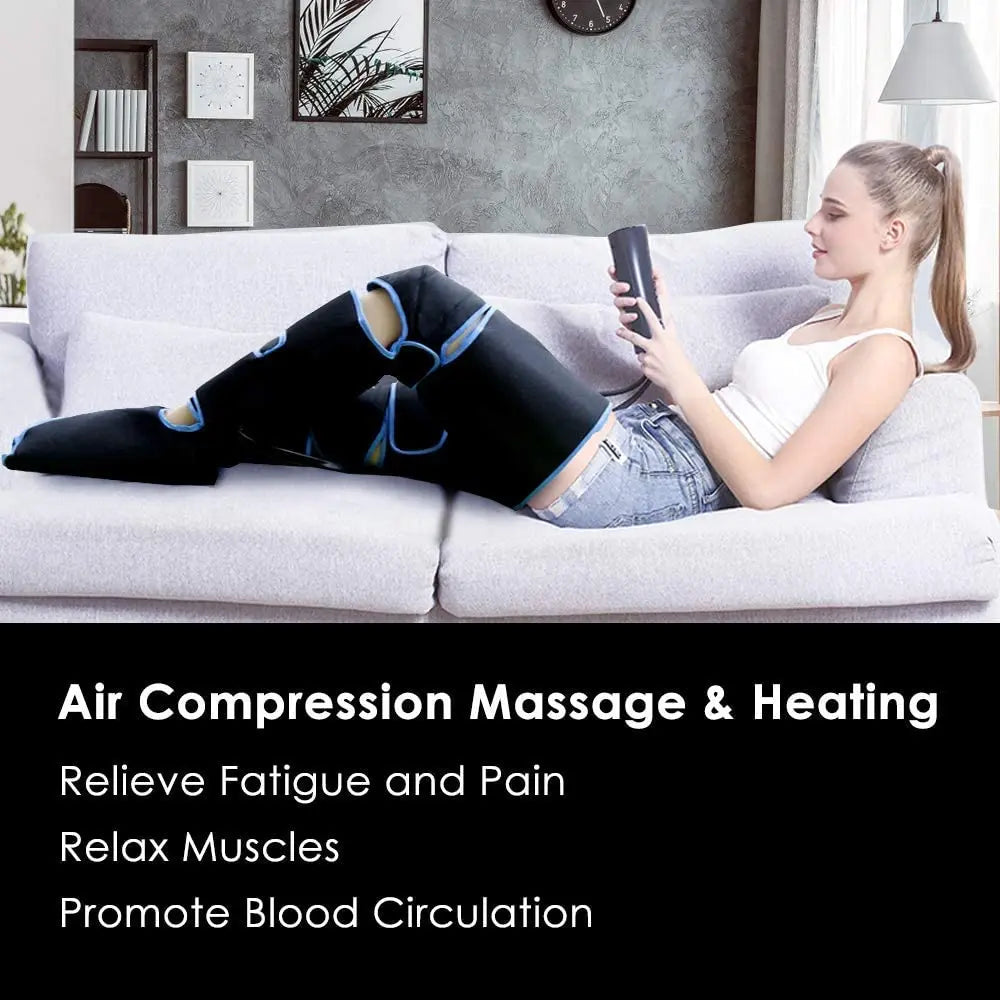
See it in action - air compression leg massager / how to use compression for leg recovery, cordless leg air compression massager for moms, air pressure leg massager for daily relaxation
How Does an Air Compression Leg Massager Work?
An air compression leg massager uses intermittent pneumatic compression (IPC) to gently inflate and deflate air chambers around your calves, feet, and sometimes thighs. This rhythmic pressure encourages healthy circulation, supports lymphatic drainage, and helps reduce muscle fatigue after long periods of standing, sitting, or exercise.
What is intermittent pneumatic compression?
Instead of applying constant pressure, IPC works in cycles. Chambers inflate from the feet upward, creating a wave-like massage that encourages blood flow back toward the heart. This sequential compression mimics the body's natural muscle pump.
Air compression leg massage benefits
- Supports healthy circulation
- Reduces tired, heavy leg sensations
- Helps decrease post-workout soreness
- May temporarily reduce mild swelling from prolonged inactivity
- Promotes relaxation without manual pressure
Who benefits most?
Air compression therapy is commonly used by athletes, office workers, frequent travelers, older adults, and anyone experiencing leg fatigue from daily activity.
Learn more about improving circulation at home and discover strategies for sitting-related circulation issues .
Before You Start: Safety Checks and Preparation
Who should avoid using an air compression leg massager?
Do not use an air compression leg massager without medical advice if you have suspected deep vein thrombosis (DVT), severe peripheral arterial disease, heart failure, active infections, open wounds, recent fractures, or uncontrolled swelling. Pregnant users or those with circulation disorders should consult a healthcare professional first.
Preparing your legs and device
- Sit or lie in a comfortable position.
- Ensure legs are clean and dry.
- Inspect sleeves and air hoses for damage.
- Connect hoses securely to the controller.
- Charge or plug in the device before use.
Choosing the correct sleeve size and fit
Sleeves should fit snugly without pinching. Poor fit can reduce effectiveness and create uneven pressure distribution.
Step-by-Step Guide: How to Use an Air Compression Leg Massager
- Place leg sleeves securely around your calves or legs.
- Connect air hoses firmly to the controller.
- Turn on the device.
- Select your preferred massage mode.
- Start with the lowest pressure setting.
- Relax and avoid walking during use.
- Gradually increase pressure if comfortable.
- Complete the full session before removing sleeves.
Choose the right air compression leg massager settings
Most devices offer multiple intensity levels. Beginners should always start low to allow the body to adapt gradually.
See real user results with compression settings and explore device features in detail .
Increase intensity gradually
Compression should feel firm but comfortable. Stop immediately if you experience pain, numbness, or sharp discomfort.
Finish your session properly
Turn off the device before removing sleeves. Stand up slowly and drink water after your session.
Recommended Air Compression Leg Massager Settings
Pressure recommendations for beginners
Use the lowest setting for the first few sessions to allow your legs to adapt.
Settings for athletes
Moderate to higher compression is commonly used after workouts to support recovery and reduce muscle fatigue.
Settings for office workers
Low to moderate pressure for 15–20 minutes helps relieve stiffness from prolonged sitting.
Settings for seniors
Gentle compression is typically recommended unless otherwise advised by a healthcare provider.
Explore compression for swelling relief and learn how to reduce leg swelling effectively .
How Long Should You Use an Air Compression Leg Massager?
Most sessions last between 15 and 30 minutes depending on your goals and tolerance.
Daily relaxation
15–20 minutes is usually sufficient for maintenance and comfort.
Post-workout recovery
20–30 minutes may help reduce muscle soreness after intense activity.
Swelling and fatigue relief
Short, consistent sessions are more effective than occasional long use.
Weekly frequency
Most users benefit from 3–7 sessions per week depending on activity level.
Air Compression Leg Massager Before or After Workout?
Before exercise
A short low-intensity session may help warm and relax muscles but should not replace proper warm-up routines.
After exercise
Compression is most effective after workouts when muscles need recovery support.
Recovery day routines
Using compression on rest days can help reduce lingering fatigue and improve comfort.
Post-workout recovery guide and muscle recovery routine insights .
Common Mistakes That Reduce Results
- Starting with maximum pressure immediately
- Wearing sleeves too loosely or incorrectly
- Ignoring pain, numbness, or discomfort
- Using excessively long sessions
- Skipping regular use
- Neglecting maintenance and cleaning
Troubleshooting Common Problems
Sleeves won't inflate
Check all hose connections and ensure the device is powered on or charged.
Uneven pressure
Reposition sleeves and remove folds or twists in the material.
Device shuts off unexpectedly
Recharge the battery or check power connections.
Compression feels too strong
Lower the pressure setting or shorten your session. Stop if discomfort continues.
Cleaning and Maintaining Your Air Compression Leg Massager
Cleaning after each session
Wipe sleeves with a soft damp cloth. Avoid soaking electronic components.
Storage tips
Store in a cool, dry place away from direct sunlight.
Extending device lifespan
- Avoid bending air hoses sharply
- Keep connectors clean
- Inspect regularly for leaks
- Follow manufacturer guidelines
Manual Massage vs Air Compression: Which Is Better?
Both approaches support recovery but serve different needs depending on usage and convenience.
Key differences
- Manual massage provides targeted pressure from a therapist
- Air compression delivers consistent, repeatable pressure cycles
- Compression is easier for daily at-home use
- Manual massage is better for localized muscle knots
Which recovery method fits your needs?
If you want consistent circulation support and convenient daily recovery, air compression is often more practical. Manual massage can complement rather than replace it.
Massage gun comparison guide and compression boots vs leg massager .
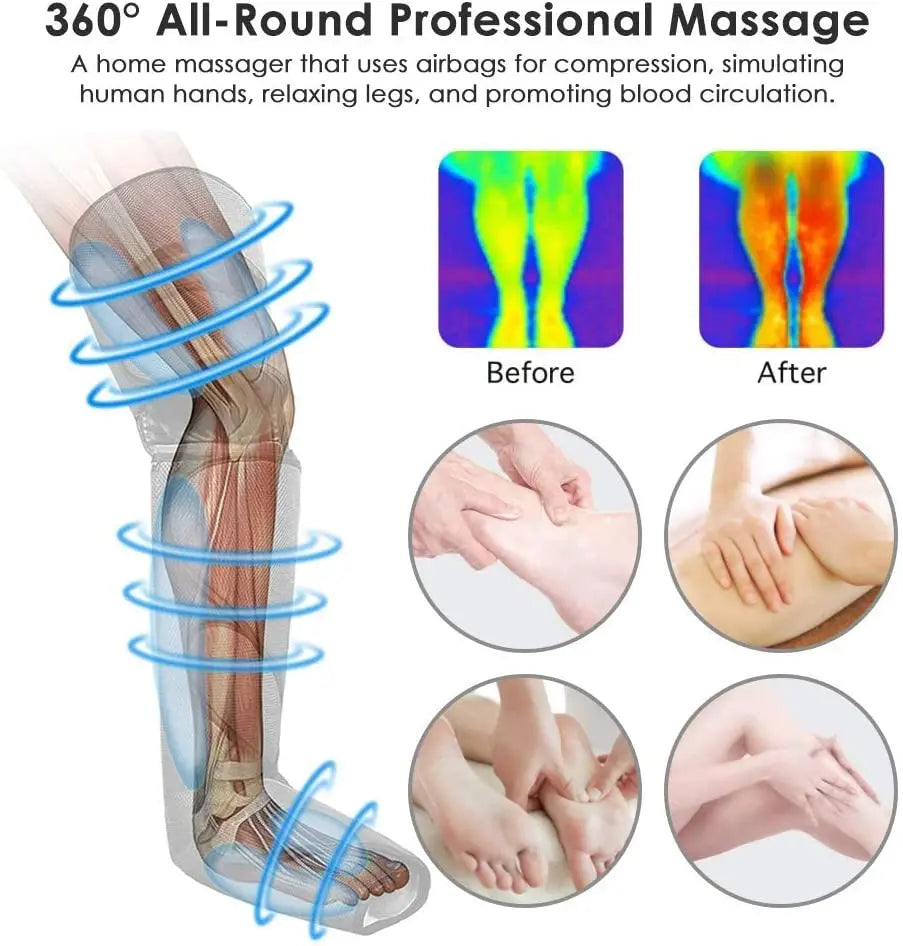
See it in action - air compression leg massager / how to use compression for leg recovery, cordless leg air compression massager for moms, air pressure leg massager for daily relaxation
Frequently Asked Questions
How often should I use an air compression leg massager?
Most users benefit from 3–7 sessions per week depending on comfort and activity level.
How long should each session last?
Typical sessions last between 15 and 30 minutes.
Can I use it every day?
Daily use is generally safe for healthy users following manufacturer instructions.
Should I use it before or after workouts?
It is most effective after exercise for recovery.
Can I fall asleep while using it?
No. You should remain awake to monitor comfort and safety.
When should I stop using it?
Stop immediately if you experience pain, numbness, dizziness, or unusual swelling and consult a healthcare professional if symptoms persist.
Pillar Article: How to Improve Leg Circulation Fast at Home
Other Related Articles:
- How to Get Better Leg Circulation While Sitting All Day
- How to Treat a Swollen Leg with Compression Therapy
- How to Reduce Lower Leg Swelling After a Long Day
Explore More:













