

How to treat a swollen leg effectively?
To treat a swollen leg effectively, first identify whether the swelling affects one leg or both and look for any warning signs that require medical attention. For mild swelling related to standing, travel, pregnancy, or temporary fluid retention, measures such as leg elevation, gentle movement, hydration, and appropriate compression therapy may help reduce discomfort and fluid buildup. Persistent, painful, or sudden swelling should be evaluated by a healthcare professional.
How to Treat a Swollen Leg: Causes, Home Care, Compression Therapy, and When to Seek Medical Help
Swollen legs can feel heavy, uncomfortable, and frustrating. Whether swelling develops after a long day of standing, during pregnancy, after travel, or because of an underlying medical condition, understanding the cause is the first step toward effective treatment. This guide explains how to treat a swollen leg safely, when compression therapy may help, and when medical evaluation is necessary.
⏱ 8 min read
Wondering why your legs still feel swollen even after resting? While temporary swelling is common, persistent or worsening swelling may require a more targeted approach to improve comfort and circulation.
See it in action - how to treat a swollen leg / leg recovery device for postpartum swelling relief, postpartum leg swelling and fatigue relief, best recovery tools for tired parents legs
What Is a Swollen Leg (Edema)?
A swollen leg, medically known as edema, occurs when excess fluid collects in the tissues of the lower leg, ankle, or foot. Swelling may develop gradually or suddenly and can affect one leg or both. While temporary swelling after prolonged standing, exercise, pregnancy, or travel is common, persistent or severe swelling may indicate an underlying medical condition that requires evaluation.
What causes fluid to build up?
Fluid can accumulate because of poor circulation, vein disorders, injury, inflammation, infection, lymphatic blockage, pregnancy, certain medications, or diseases affecting the heart, kidneys, or liver.
Temporary swelling vs. a medical condition
- Temporary swelling often improves with rest, movement, and leg elevation.
- Persistent swelling lasting several days should be medically evaluated.
- Rapid swelling with pain, redness, fever, or shortness of breath requires urgent medical care.
How to Treat a Swollen Leg Effectively
The best treatment for a swollen leg depends on identifying the underlying cause rather than simply reducing the swelling. Mild swelling caused by standing, exercise, travel, or pregnancy often improves with home care, while swelling associated with injury, infection, blood clots, or chronic disease requires medical treatment.
First determine whether one leg or both legs are swollen
Swelling affecting only one leg is more likely to result from injury, infection, vein problems, or a blood clot. Swelling in both legs commonly reflects fluid retention, medication side effects, pregnancy, or systemic health conditions.
Check for emergency warning signs
- Sudden severe swelling
- Chest pain
- Difficulty breathing
- One swollen leg with severe calf pain
- Red, hot, or rapidly worsening skin
Choose the right treatment based on the cause
Once serious conditions have been excluded, treatment may include elevation, gentle exercise, reducing sodium intake, appropriate compression therapy, medication adjustments, or treatment of the underlying condition.
One Swollen Leg vs. Both Legs: Why It Matters
Whether swelling affects one or both legs provides important clues about the possible cause and urgency.
Common causes of swelling in one leg
- Muscle or ligament injury
- Deep vein thrombosis (DVT)
- Cellulitis
- Lymphedema
- Venous insufficiency
Common causes of swelling in both legs
- Heart failure
- Kidney disease
- Liver disease
- Pregnancy
- Medication side effects
- Long periods of sitting or standing
When asymmetrical swelling needs urgent evaluation
If one leg suddenly becomes swollen, painful, warm, or red, seek immediate medical evaluation to rule out a blood clot.
How to Treat a Swollen Leg Step by Step for Fast Relief
For mild swelling that is not associated with a medical emergency, the following measures may help reduce fluid buildup and improve comfort.
Rest and elevate the leg
Elevate the affected leg above heart level for 20 to 30 minutes several times daily to encourage fluid drainage.
Stay active with gentle movement
Walking and ankle exercises help activate the calf muscles and improve circulation.
Reduce excess salt intake
Limiting sodium intake may reduce fluid retention, especially in people prone to swelling.
Stay hydrated
Drinking adequate water throughout the day helps maintain healthy fluid balance.
Wear appropriate footwear
Choose supportive footwear that does not restrict circulation or increase pressure on swollen tissues.
Monitor symptoms
Track changes in swelling, pain, skin color, and mobility, and seek medical advice if symptoms worsen.
- Elevate the affected leg above heart level for 20–30 minutes several times daily.
- Walk regularly to activate circulation.
- Avoid prolonged sitting or standing.
- Reduce sodium intake.
- Stay hydrated.
- Wear properly fitted footwear.
- Use compression therapy only when appropriate.
- Monitor symptoms and seek care if swelling worsens.
Can Compression Help Swollen Legs?
Compression therapy can help reduce certain types of leg swelling by applying controlled pressure that supports veins and lymphatic vessels, encouraging fluid to move back toward the heart.
How compression therapy works
Compression supports circulation and helps prevent excess fluid from pooling in the lower legs. This may reduce feelings of heaviness and swelling in appropriate situations.
When to use compression for leg swelling
- Chronic venous insufficiency
- Long periods of standing
- Travel-related swelling
- Mild lymphedema under medical guidance
- Recovery after certain procedures when recommended by a healthcare provider
When compression should NOT be used
- Suspected deep vein thrombosis until evaluated
- Severe peripheral arterial disease
- Certain skin infections
- Open wounds unless directed by a clinician
- Unexplained sudden swelling
Compression Therapy vs Traditional Swelling Treatments
No single treatment works for every cause of leg swelling. The table below summarizes common approaches.
Elevation
Elevation helps fluid drain from the lower limbs but often provides only temporary relief.
Exercise
Gentle movement improves circulation and may reduce swelling related to inactivity.
Medication
Medications may be necessary for certain underlying medical conditions and require professional supervision.
Compression comparison table
| Treatment | Best For | Limitations |
|---|---|---|
| Elevation | Temporary swelling | Relief is often temporary |
| Walking | Poor circulation from inactivity | May not help inflammatory causes |
| Compression therapy | Venous insufficiency and mild edema | Not suitable for everyone |
| Medication | Specific medical conditions | Requires physician supervision |
How This Leg Recovery Device Delivers Effortless Relief
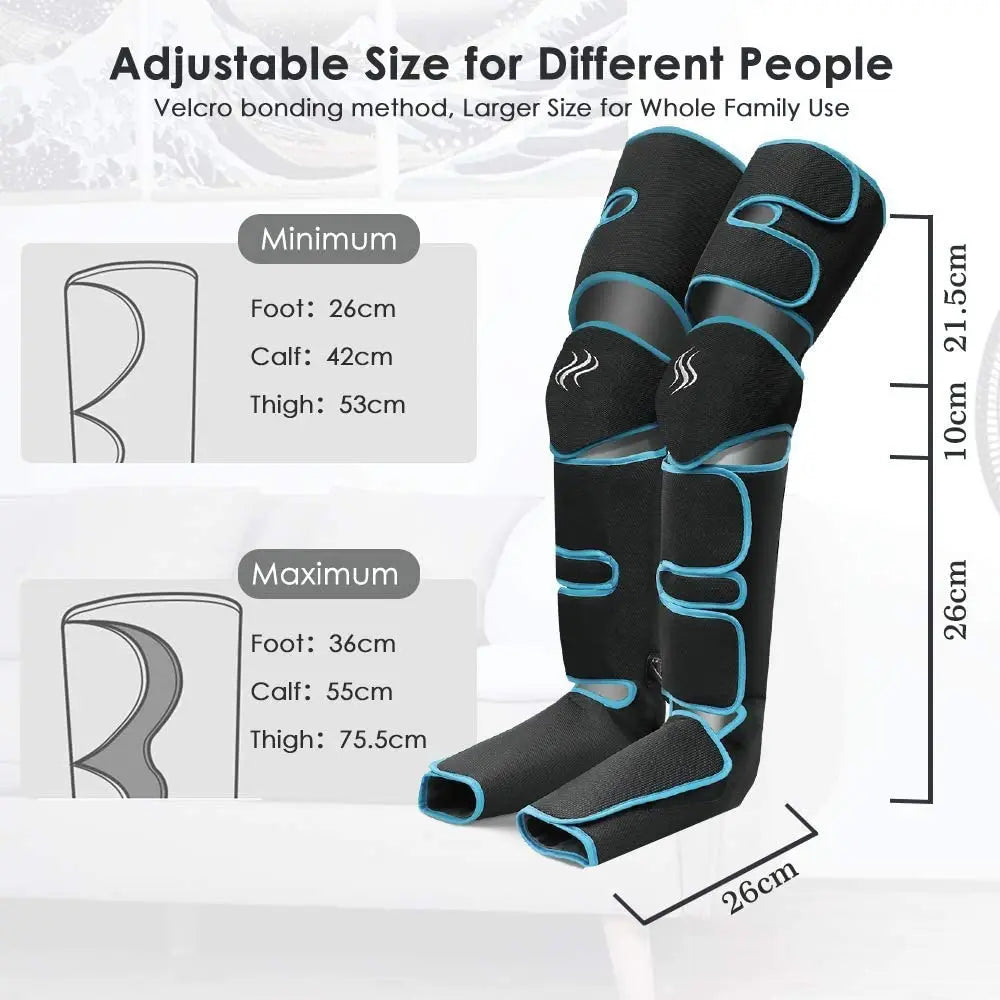
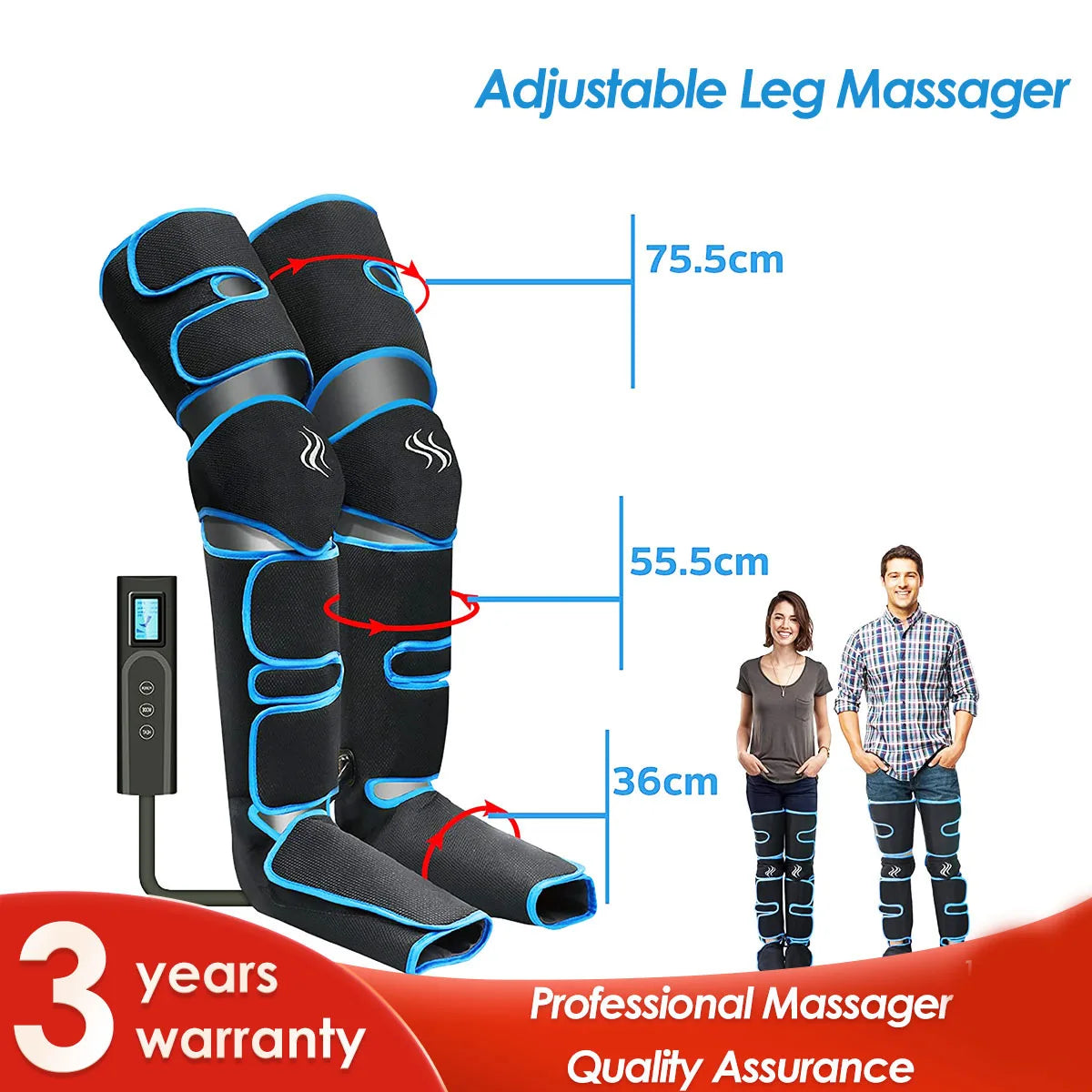
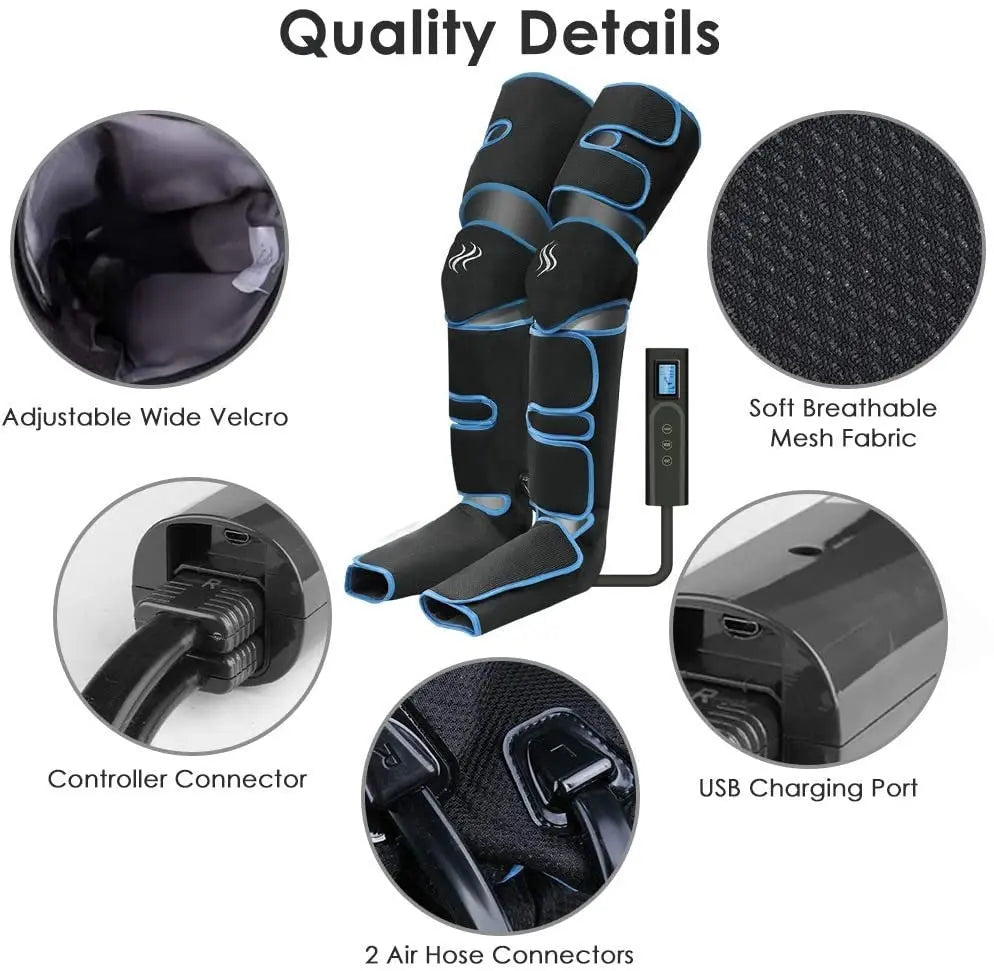
Air compression recovery devices use sequential inflation chambers to gently massage the legs and support healthy circulation. Unlike static compression garments, these systems provide intermittent pressure that may temporarily reduce feelings of heaviness and swelling after prolonged standing, travel, or physical activity.
Sequential compression explained
Sequential compression devices inflate and deflate in cycles, creating a wave-like pressure pattern that encourages blood and lymphatic fluid movement.
Who may benefit
- People who stand for long hours
- Frequent travelers
- Athletes during recovery
- New parents experiencing temporary leg discomfort
- Individuals with mild venous discomfort following medical advice
Important precautions
These devices should not replace medical evaluation for sudden, severe, or unexplained swelling and should only be used according to manufacturer instructions and healthcare recommendations.
See it in action - how to treat a swollen leg / leg recovery device for postpartum swelling relief, postpartum leg swelling and fatigue relief, best recovery tools for tired parents legs
How to Use Compression Therapy at Home Safely
Selecting the right compression level
Choose compression garments or devices that fit properly and match your healthcare provider's recommendations.
Daily usage recommendations
- Use compression consistently as directed.
- Inspect your skin daily.
- Stay active throughout the day.
- Continue leg elevation when possible.
Signs to stop and contact a healthcare provider
Remove compression immediately if you experience severe pain, numbness, skin discoloration, worsening swelling, or signs of skin injury.
- Sit comfortably and position your legs inside the device.
- Select your preferred pressure level.
- Relax for 15–30 minutes.
- Repeat according to instructions or healthcare advice.
Pair this routine with products from Body Care and Health Devices to support overall wellness and recovery.
Medical Treatments for Swollen Legs by Cause
Treatment varies depending on the diagnosis.
Venous insufficiency
Compression therapy, exercise, elevation, and vein procedures may be recommended.
Lymphedema
Treatment may include compression garments, manual lymphatic drainage, and specialized therapy.
Injury
Rest, ice, compression when appropriate, and rehabilitation are commonly used.
Infection
Infections require prompt medical treatment and may need antibiotics.
Heart, kidney, or liver disease
Management focuses on treating the underlying condition and may include medications.
Medication-related swelling
Medication changes should always be discussed with a healthcare professional rather than stopping treatment independently.
When to See a Doctor
Same-day medical evaluation
- Swelling lasting more than several days
- Repeated episodes of swelling
- Significant pain or discomfort
- Changes in skin color
Routine appointment
- Persistent swelling with no clear cause
- Known circulation problems
- Diabetes or vascular disease
Symptoms that require monitoring
Monitor changes in swelling severity, mobility, pain, skin temperature, and overall health.
When to Go to the Emergency Room
Possible blood clot
Seek emergency care if one leg suddenly becomes swollen and painful.
Possible infection
Rapidly spreading redness, warmth, and fever require urgent evaluation.
Chest pain or breathing difficulty
These symptoms may indicate a serious medical emergency.
Sudden severe swelling
Sudden swelling after trauma, loss of sensation, or inability to move the leg requires immediate medical attention.
Preventing Future Leg Swelling
Daily habits
- Walk regularly throughout the day.
- Maintain a healthy weight.
- Limit excess sodium intake.
- Stay hydrated.
- Elevate your legs after prolonged standing.
Travel tips
- Stand and stretch every one to two hours during travel.
- Move your ankles and calves regularly.
Workplace strategies
- Avoid sitting or standing continuously.
- Take movement breaks throughout the day.
- Wear compression garments if recommended by your healthcare provider.
See it in action - how to treat a swollen leg / leg recovery device for postpartum swelling relief, postpartum leg swelling and fatigue relief, best recovery tools for tired parents legs
Frequently Asked Questions
How long does it take to reduce leg swelling?
Mild swelling often improves within hours to several days after addressing the underlying cause. Persistent swelling should be medically evaluated.
Is compression therapy safe for daily use?
Compression therapy is generally safe when used correctly and when there are no contraindications.
Can compression help swollen legs caused by standing all day?
Yes. Compression therapy may help reduce swelling and discomfort associated with prolonged standing.
How do I reduce swelling in one leg?
Rest, elevation, and medical evaluation are recommended because one-sided swelling can indicate serious conditions such as a blood clot.
How should I treat swollen legs at home?
Elevation, walking, hydration, reducing sodium intake, and appropriate compression therapy are common self-care measures for mild swelling.
When should compression not be used?
Avoid compression until evaluated if swelling is sudden, painful, associated with suspected DVT, severe arterial disease, or certain skin conditions.
Can exercise reduce leg swelling?
Gentle walking often helps mild swelling, but exercise should be avoided after significant injury or if severe pain is present until medically assessed.
Should I sleep with compression sleeves?
Most people should not sleep with compression garments unless specifically advised by a healthcare professional.
Pillar Article: How to Improve Leg Circulation Fast at Home
Other Related Articles:
- How to Get Better Leg Circulation While Sitting All Day
- How to Reduce Lower Leg Swelling After a Long Day
- How to Use an Air Compression Leg Massager Properly
Explore More:













