

How to Relieve Neck Shoulder Pain Quickly and Effectively?
If you're wondering how to relieve neck shoulder pain, start with gentle movement instead of complete rest. Most muscle-related neck and shoulder discomfort improves with light stretching, posture correction, heat therapy, and short movement breaks throughout the day. These techniques help reduce muscle guarding, improve blood flow, and restore normal movement without placing additional stress on irritated tissues.
For quick relief, combine these evidence-based steps:
- Gently move your neck through a comfortable range of motion.
- Apply heat for muscle tightness or cold for recent injuries.
- Stretch the upper trapezius and levator scapula muscles.
- Correct your sitting posture and screen height.
- Take walking or standing breaks every 30 to 60 minutes.
- Reduce stress with slow diaphragmatic breathing.
The sections below explain why these methods work, how to perform them safely, and when symptoms require professional medical evaluation.
How to Relieve Neck Shoulder Pain: Step-by-Step Relief Guide
This practical guide shows how to relieve neck tension fast, fix upper shoulder tension from laptop use, and reduce stress-related tightness using simple, evidence-based techniques. You’ll learn what causes the pain, how to treat it effectively, and how to prevent it from coming back.
⏱ 5 min read
Explore Body Care and Health Devices designed for daily comfort and recovery.
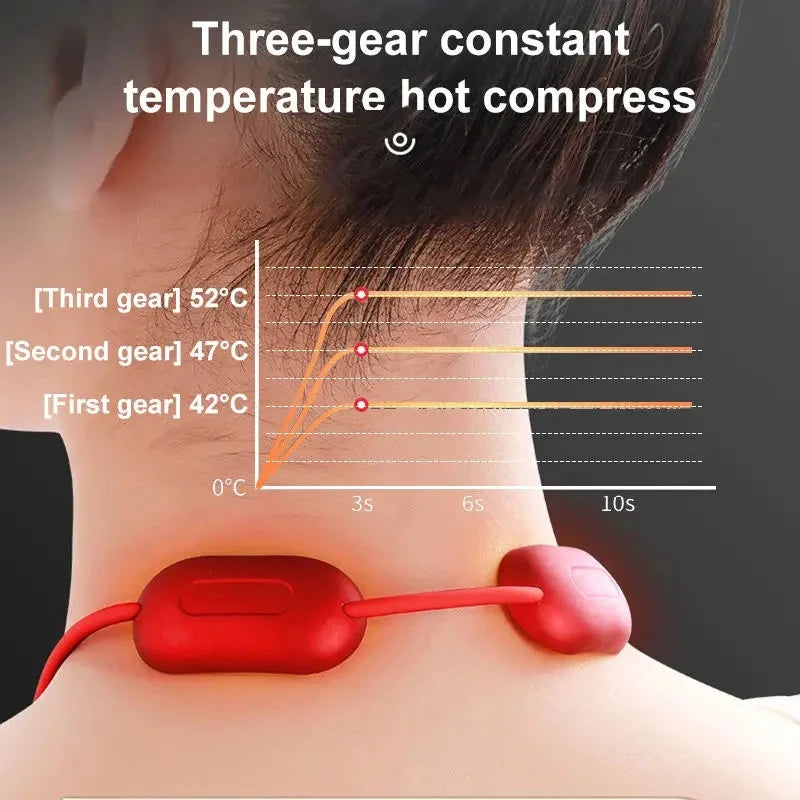
See it in action - how to relieve neck shoulder pain / neck tension fast, upper shoulder tension, stress-related tightness
Identify the Cause of Your Neck and Shoulder Pain First
The best treatment depends on the cause. Most neck and shoulder pain develops gradually from everyday habits.
Pain from computer work and poor posture
Leaning forward or looking down strains neck and upper back muscles over time.
Upper shoulder tension from laptop use
Low screens and poor ergonomics cause tight upper trapezius muscles.
Stress-related neck and shoulder tightness
Stress increases unconscious muscle tension, making pain persist.
Sleeping position and pillow issues
Poor neck support overnight can lead to stiffness in the morning.
Muscle strain after exercise
Overuse or sudden activity increases can strain muscles.
When pain may indicate a medical condition
Seek care if pain includes numbness, weakness, fever, or radiates into the arm.
Why Neck and Shoulder Pain Happens Daily — And Why It Keeps Coming Back
Your neck supports your head all day. Poor posture, stress, and inactivity overload muscles faster than they recover.
- Extended screen time
- Forward head posture
- Poor ergonomics
- Stress tension
- Lack of movement
- Weak upper back muscles
How to Relieve Neck Shoulder Pain Step by Step
Step 1: Reduce pain with gentle movement
Slowly move your neck through a comfortable range.
Step 2: Apply heat or cold correctly
Heat relaxes tight muscles; cold reduces inflammation.
Step 3: Stretch tight muscles safely
Hold stretches for 20–30 seconds without bouncing.
Step 4: Restore posture
Align your head, shoulders, and screen properly.
Step 5: Resume activity gradually
Movement promotes healing better than complete rest.
Try a portable neck massager with heat to support daily relief.
Neck and Shoulder Pain Relief Exercises You Can Do at Home
Chin tucks
Pull your chin straight back while keeping eyes level.
Upper trapezius stretch
Tilt your head sideways to stretch the neck.
Levator scapula stretch
Look downward toward your armpit gently.
Shoulder blade squeeze
Squeeze shoulder blades together for five seconds.
Thoracic extension
Extend your upper back over a chair.
Doorway chest stretch
Lean forward in a doorway to open your chest.
Heat vs. Cold Therapy: Which One Works Best?
When to use heat
Use heat for tight muscles and chronic stiffness.
When to use ice
Use ice for recent injuries within 48 hours.
Common mistakes
- Using heat on fresh injuries
- Leaving ice too long
- Applying directly to skin
Fix Upper Shoulder Tension from Laptop Use
Desk setup checklist
- Screen at eye level
- Feet flat
- Elbows at 90°
- Neutral wrists
Movement breaks
Move every 30–60 minutes to reduce fatigue.
Reduce Stress-Related Neck and Shoulder Tightness Naturally
Breathing exercises
Slow breathing reduces muscle tension quickly.
Relaxation habits
- Walking breaks
- Mindfulness
- Better sleep
Massage and Self-Myofascial Release Techniques
Hand massage
Apply circular pressure to tight areas.
Tennis ball release
Use a wall and ball to target sore spots.
Foam rolling
Focus on upper back, not neck directly.
Massage devices
Devices like the portable neck massager with heat can provide quick relief when combined with exercise.
Manual vs Device-Based Relief Methods
Both methods have benefits when used together.
- Manual methods improve long-term mobility
- Devices provide faster temporary relief
- Best results come from combining both
Build a Daily Routine That Helps Prevent Neck and Shoulder Pain
Morning mobility
Start with 5 minutes of stretching.
During work
Maintain posture and take breaks.
Evening recovery
Use heat, stretch, and rest properly.
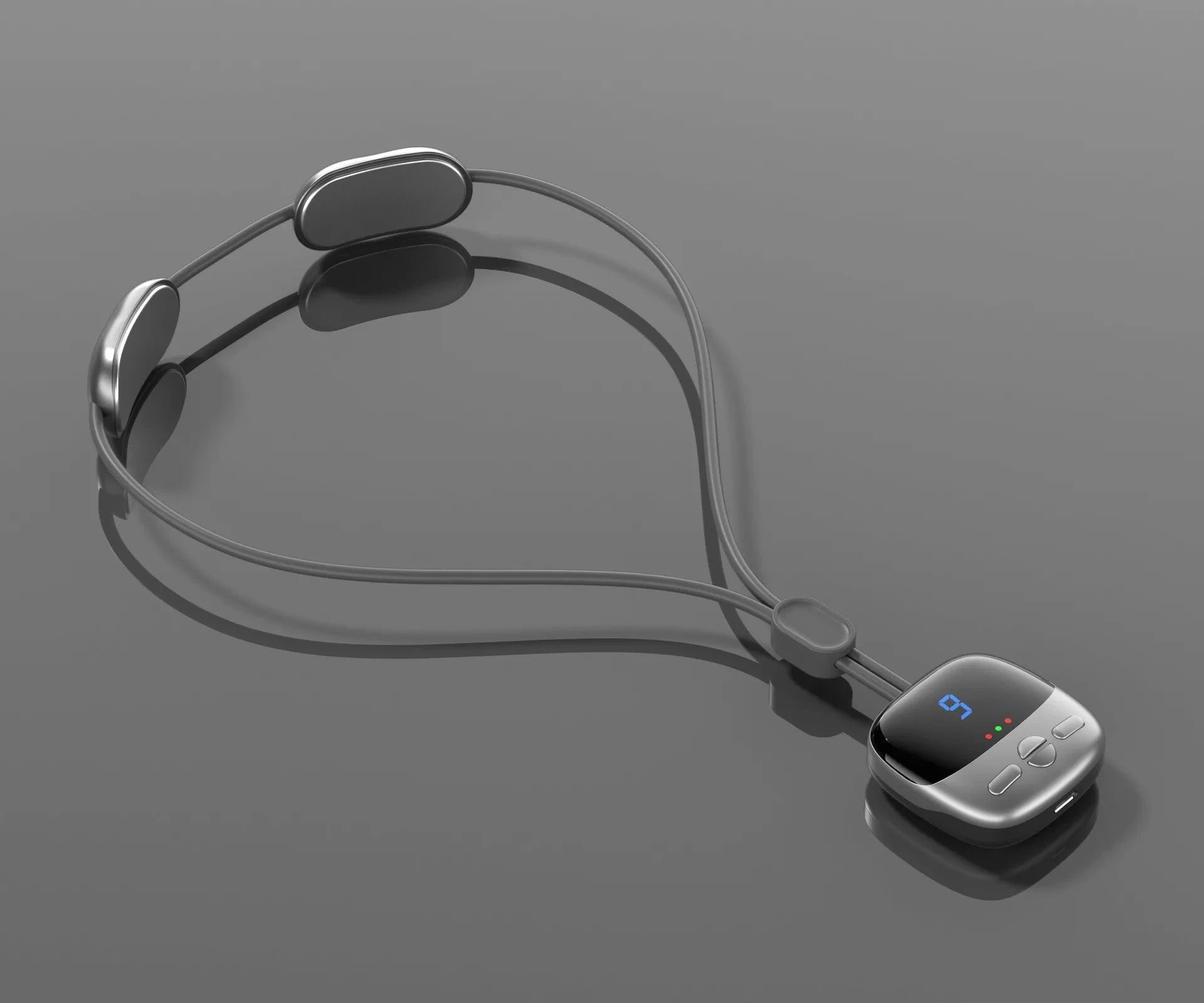
Daily routine helps prevent recurring pain
Support recovery with a portable neck massager with heat .
When Should You See a Healthcare Professional?
Red flag symptoms
- Severe pain after injury
- Numbness or weakness
- Fever or weight loss
Recovery timeline
Most pain improves in days to weeks. Seek help if it persists beyond 2–4 weeks.
Frequently Asked Questions
How to relieve neck shoulder pain quickly at home?
Use stretching, heat therapy, and short movement breaks. A 10-minute routine can significantly reduce tension.
What causes neck tension from laptop use?
Poor posture, low screens, and prolonged sitting strain muscles.
Are massage devices better than manual techniques?
They provide faster relief, but best results come from combining both methods.
How often should I treat neck tension?
Daily short sessions help prevent recurrence.
Is walking good for neck pain?
Yes, walking improves circulation and reduces stiffness.
Should you use heat or ice first?
Use ice for new injuries and heat for muscle tightness.
How long does neck pain last?
Mild cases improve within days; persistent pain may take weeks.
Can poor posture cause shoulder pain?
Yes, it is one of the most common causes.
When should I see a doctor?
If symptoms worsen, persist, or include neurological signs.
Related Articles:
- Neck strain relief: How to fix tension in just 10 minutes
- Ergonomic neck massager: How to set it for perfect support
- Neck massager portable: How to use it anywhere effectively
- Shiatsu massager heat: How to use it for daily relief
Pillar Articles:













