

What causes neck stiffness after sleep and how can you fix it fast?
Neck stiffness after sleep is usually caused by poor sleeping posture, inadequate pillow support, muscle strain, or irritation of the cervical joints during the night. To relieve it quickly, use gentle neck stretches, apply heat therapy, improve your sleeping position, and avoid sudden neck movements. Most cases of neck stiffness in the morning improve within a few days with proper self-care.
- Apply gentle heat for 15–20 minutes
- Perform slow neck mobility exercises
- Maintain proper posture throughout the day
- Use a pillow that supports neutral spinal alignment
- Avoid prolonged positions that strain the neck muscles
Neck stiffness after sleep: Causes, fast relief, prevention, and when to seek help
Waking up with neck stiffness after sleep can quickly disrupt your morning routine. Whether the discomfort comes from poor posture, an unsupportive pillow, muscle strain, or sleeping position, understanding the cause is the first step toward effective relief and long-term prevention.
⏱ 5 min read
Curious what actually works for your sleep style? Discover simple, effective solutions designed for real-life comfort and fast relief.

See it in action - neck stiffness after sleep / poor posture causing neck discomfort daily, best heat therapy for neck stiffness, daily routines to prevent neck stiffness, how to relieve neck tension fast
What causes neck stiffness after sleeping?
The causes of neck stiffness after sleeping range from temporary muscle irritation to underlying cervical conditions. Understanding the cause helps determine the best treatment and prevention strategy.
Poor sleeping posture and cervical alignment
One of the most common causes of waking up with neck pain is sleeping in a position that twists or bends the cervical spine for several hours. Side sleepers and stomach sleepers are particularly vulnerable if their neck is not adequately supported.
- Sleeping with excessive neck rotation
- Falling asleep in awkward positions
- Poor spinal alignment during sleep
- Extended pressure on neck muscles
Long hours spent looking at screens or maintaining poor posture during the day can further increase muscle tension and contribute to stiffness after sleep.
Pillow and mattress support problems
A pillow that is too high, too flat, or too soft can place the neck in an unnatural position overnight. Similarly, an unsupportive mattress may contribute to poor spinal alignment and increased muscle tension.
Replacing worn pillows and ensuring proper mattress support can significantly reduce recurring neck discomfort.
Muscle strain, joint irritation, and inflammation
Muscles and joints in the neck can become irritated from overuse, exercise, stress, or prolonged screen time during the day. This irritation often becomes more noticeable after several hours of inactivity during sleep.
Stress-related muscle tension may also cause tightening of the upper trapezius and cervical muscles, increasing morning stiffness.
Medical conditions that can cause morning neck stiffness
Less commonly, neck stiffness in the morning may be associated with cervical arthritis, degenerative disc disease, nerve compression, inflammatory conditions, or injuries requiring professional evaluation.
How sleeping position affects neck stiffness in the morning
Your sleeping position directly influences cervical spine alignment and may determine whether you wake up feeling comfortable or stiff.
Best sleeping position for neck pain
Back sleeping and properly supported side sleeping are generally considered the best sleeping positions for neck pain because they maintain a more neutral spinal position.
- Sleep on your back with a cervical-support pillow
- Sleep on your side with your head aligned to your shoulders
- Keep your spine in a straight, neutral position
Sleeping positions that increase neck strain
Stomach sleeping often forces the neck into prolonged rotation, increasing stress on muscles, ligaments, and cervical joints.
Sleeping with multiple pillows or placing the head at excessive angles can also contribute to neck strain.
How to maintain neutral cervical alignment overnight
Choose a pillow height that fills the space between your head and shoulders without pushing your neck forward or allowing it to collapse sideways.
Maintaining a neutral cervical position throughout the night helps reduce muscle fatigue and joint stress.
How to relieve neck stiffness after sleep quickly
If you wake up with a stiff neck after sleeping, focus on restoring gentle movement while reducing muscle tension and inflammation.
Gentle stretches for a stiff neck after sleeping
- Slowly tilt your head toward each shoulder.
- Rotate your head gently from side to side.
- Perform chin tucks to improve cervical posture.
- Repeat each movement 5–10 times without forcing motion.
Heat therapy vs cold therapy
Heat therapy for neck stiffness is generally recommended when muscle tightness is the primary problem. Cold therapy may help if swelling or acute inflammation is present.
- Use heat for muscle tension and stiffness
- Use cold for recent injury or inflammation
- Limit applications to 15–20 minutes
Safe mobility exercises after waking up
Light walking, shoulder rolls, and controlled neck movements help restore circulation and reduce protective muscle guarding.
Learn step-by-step how to relieve neck tension fast at home with tools designed for comfort and deep relaxation.
How heat therapy helps relieve neck stiffness
Heat therapy increases blood flow, relaxes muscle tissue, and improves flexibility, making it one of the most effective treatments for neck stiffness after sleep.
Best heat therapy for neck stiffness includes:
- Warm towels or heating pads
- Hot showers targeting the neck area
- Heated massage devices for deeper relief
Why targeted heat works better than general warmth
Targeted heat applications deliver consistent warmth directly to affected muscles, helping reduce spasms and improve mobility more effectively than simply warming the surrounding environment.
When heat therapy is most effective
- Morning muscle stiffness
- Stress-related muscle tension
- Chronic neck tightness
- Postural strain after sleeping
Explore advanced solutions in Body Care and Health Devices to elevate your recovery routine.

See it in action - neck stiffness after sleep / poor posture causing neck discomfort daily, best heat therapy for neck stiffness, daily routines to prevent neck stiffness, how to relieve neck tension fast
How to fix a stiff neck from sleeping through better sleep ergonomics
Improving sleep ergonomics reduces stress on the cervical spine and helps prevent recurring neck pain after sleeping.
Choosing the right pillow height and firmness
The ideal pillow maintains neutral alignment without forcing the neck into flexion or extension.
- Back sleepers benefit from medium-height support
- Side sleepers often require higher pillows
- Stomach sleepers should use very thin pillows or avoid the position entirely
Mattress support and spinal alignment
A supportive mattress helps maintain natural spinal curves and reduces compensatory neck strain.
Simple posture upgrades that work immediately
- Align ears with shoulders when sitting
- Reduce prolonged phone use
- Optimize monitor height
- Take frequent movement breaks
Many people notice reduced morning stiffness within several days of improving sleep ergonomics.
Daily routines to prevent neck stiffness before it starts
Consistent daily habits are one of the most effective ways to prevent recurring neck stiffness in the morning.
Morning mobility habits
- Perform gentle neck stretches
- Walk for several minutes after waking
- Practice posture awareness
Daytime posture and workstation adjustments
Maintaining ergonomic posture throughout the day reduces cumulative stress on the cervical spine.
- Keep screens at eye level
- Support your lower back
- Take breaks every 30–60 minutes
Evening routines that reduce overnight stiffness
- Avoid sleeping immediately after device use
- Perform gentle stretching before bed
- Create a consistent sleep routine
- Reduce stress before bedtime
When neck stiffness after sleep requires medical attention
Most cases of neck stiffness after sleeping resolve with self-care. However, some symptoms require professional medical evaluation.
Warning signs that need urgent evaluation
- Severe pain that worsens rapidly
- Fever with neck stiffness
- Numbness or weakness in the arms
- Loss of coordination
- Recent trauma or injury
- Persistent symptoms lasting several weeks
When recurring stiffness may indicate an underlying condition
Frequent episodes of neck pain after sleeping may indicate cervical arthritis, disc disease, nerve compression, inflammatory disorders, or chronic postural dysfunction.
Comparison: common fixes vs targeted relief solutions
| Solution | Pros | Cons |
|---|---|---|
| Stretching | Free, easy, improves mobility | Often provides temporary relief |
| Heat packs | Effective muscle relaxation | Limited portability |
| Massage therapy | Deep muscle relief | Expensive and time-consuming |
| Heated neck massager | Convenient, targeted, consistent results | Initial investment |
For those dealing with frequent neck stiffness after sleep, combining multiple approaches often produces the best long-term outcomes.
How this solution fits different needs
- Busy professionals: Quick relief during work breaks
- Fitness enthusiasts: Supports recovery after training
- Sensitive users: Adjustable heat and massage intensity
- Travelers: Portable comfort on the go
Discover the portable neck massager with heat designed to relieve neck tension fast and comfortably.
Pair with other tools from Lifestyle collections to build a complete wellness routine.
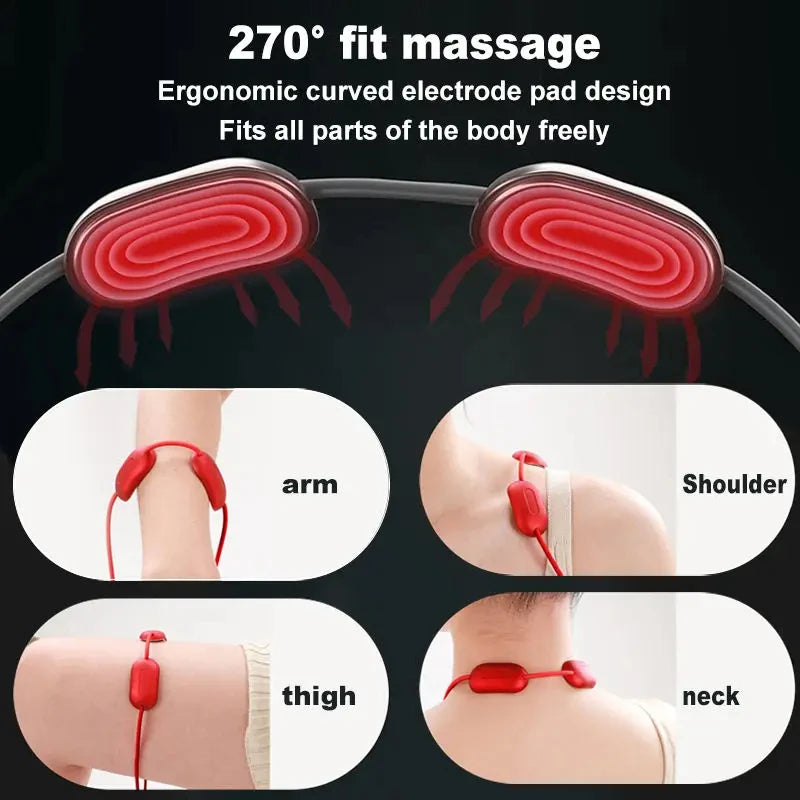
See it in action - neck stiffness after sleep / poor posture causing neck discomfort daily, best heat therapy for neck stiffness, daily routines to prevent neck stiffness, how to relieve neck tension fast
Get yours now — limited stock! Experience fast relief and wake up without stiffness tomorrow.
FAQ: Neck stiffness after sleep
Why do I wake up with neck pain after sleeping?
You may wake up with neck pain due to poor sleeping posture, inadequate pillow support, muscle strain, or cervical joint irritation during the night.
What is the fastest way to relieve neck stiffness after sleep?
Applying heat, performing gentle stretches, maintaining good posture, and staying physically active are often the fastest methods for relieving neck stiffness.
What is the best sleeping position for neck pain?
Back sleeping and supported side sleeping are generally considered the best positions for maintaining healthy cervical alignment.
Is heat therapy better than cold therapy?
Heat therapy is usually more effective for muscle stiffness, while cold therapy is often preferred for acute injury or inflammation.
When should I see a doctor for neck stiffness?
Seek medical attention if symptoms are severe, persistent, recurrent, or accompanied by neurological symptoms, fever, or recent trauma.
References and medical sources
Medical information should be reviewed against reputable healthcare resources and current clinical guidance.
- Peer-reviewed musculoskeletal medicine research
- Physical therapy clinical practice guidelines
- Sleep ergonomics and spinal health studies
- Orthopedic and rehabilitation medicine references
Related Articles:
- Handheld massager for neck and shoulders: Best use cases
- Back massager with heat for chair: Who benefits most?
Pillar Articles:













