

Do neck massagers really work?
Yes—neck massagers can temporarily relieve muscle tension, reduce stiffness, improve relaxation, and ease mild neck discomfort when used correctly. Their effectiveness depends on the cause of your symptoms, the type of massager, and consistent use alongside healthy habits like stretching and good posture.
What research says about massage therapy
Clinical studies suggest massage therapy may help reduce muscle soreness, improve circulation, increase range of motion, and lower perceived stress. Electric neck massagers mimic many of these massage techniques but should be viewed as a convenient self-care tool rather than a medical treatment.
What an electric neck massager can and cannot do
- Can temporarily relax tight muscles.
- Can reduce stress-related muscle tension.
- May improve blood flow to soft tissues.
- May reduce soreness after prolonged sitting.
- Cannot correct structural spinal disorders.
- Cannot treat herniated discs or nerve compression.
- Should not replace medical evaluation for persistent pain.
⏱ 5 min read
Neck Massager Benefits: Do They Really Work? Science-Backed Benefits, Safety & What to Expect
Waking up with neck stiffness after sleep or struggling through long workdays with tight shoulders? Poor posture, prolonged screen time, and stress can gradually build tension. A neck massager offers a convenient way to manage daily discomfort—but understanding how it works and what to expect helps you use it effectively.
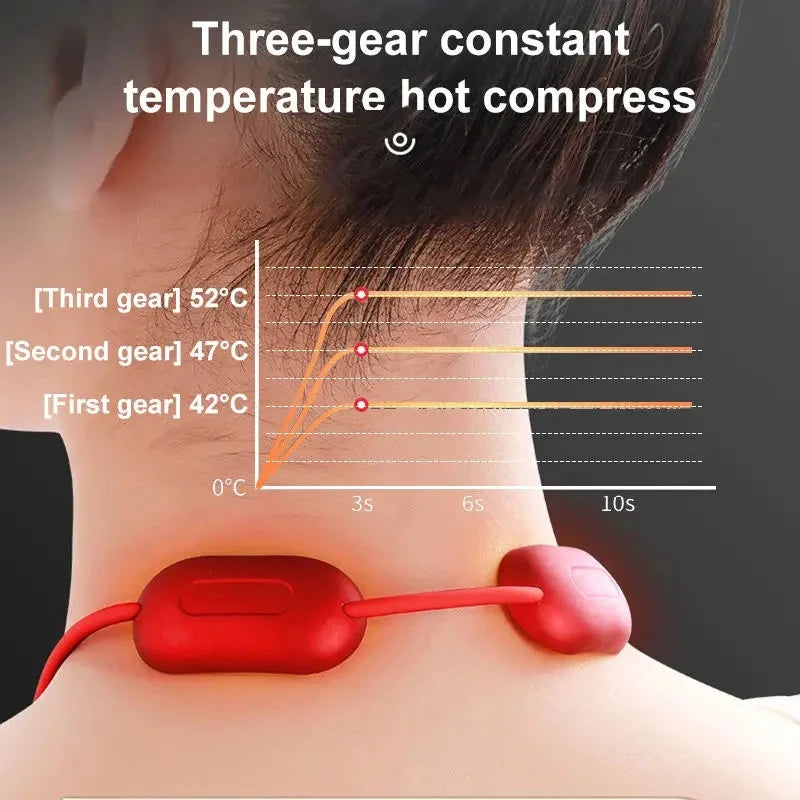
See it in action - neck massager benefits, deep tissue effectiveness, stress-related tightness, and muscle fatigue relief
How does a neck massager work?
Most electric neck massagers combine mechanical pressure, vibration, kneading, percussion, EMS, or heat to stimulate muscles and soft tissues. These actions help relax tight muscles while temporarily altering pain perception.
How massage affects muscles
Kneading and compression help reduce muscle tightness, improve tissue flexibility, and encourage muscles to relax after repetitive strain.
How massage influences nerves and pain signals
Massage stimulates sensory nerves that may temporarily reduce how pain signals are perceived by the brain, contributing to short-term pain relief.
How improved circulation supports recovery
Rhythmic pressure encourages healthy blood flow, helping deliver oxygen and nutrients while supporting the removal of metabolic waste from tired muscles.
Why heat therapy enhances relaxation
Heat widens superficial blood vessels, increases tissue flexibility, and enhances the relaxing effect of massage—especially for stress-related muscle tightness.
7 evidence-based neck massager benefits
Relieves muscle tension and stiffness
Massage helps loosen tight muscles that commonly develop after long periods of computer work, driving, or poor posture.
Reduces stress-related neck and shoulder tightness
Massage promotes relaxation while reducing muscular guarding caused by stress and anxiety.
Improves blood circulation
Gentle mechanical pressure increases local circulation, supporting tissue recovery and reducing stiffness.
Helps reduce muscle fatigue from office sitting all day
Regular use may ease discomfort caused by static muscle loading from desk work.
Encourages better range of motion
Relaxed muscles move more freely, improving flexibility during daily activities.
Supports temporary pain relief
Many users experience short-term relief from muscle-related discomfort, especially when combined with stretching.
Promotes relaxation and better sleep
Reducing tension may help you unwind more easily and improve sleep quality.
Benefits by neck massager type
Shiatsu neck massager benefits
Rotating nodes mimic deep kneading techniques that help relieve stubborn muscle knots.
Percussion neck massager benefits
Rapid pulses target larger muscle groups and may reduce post-exercise soreness.
Vibration neck massager benefits
Gentle vibration promotes relaxation and suits users sensitive to deep pressure.
EMS neck massager benefits
Electrical stimulation activates muscles, which may help reduce fatigue and improve awareness.
Heated neck massager benefits
Heat enhances comfort and helps muscles relax faster.
Air compression neck massager benefits
Air pressure delivers gentle rhythmic compression focused on relaxation.
Who benefits most from a neck massager?
- Office workers experiencing muscle fatigue from sitting all day
- People with stress-related neck and shoulder tightness
- Athletes recovering from workouts
- Drivers with prolonged seated posture
- Students studying for long hours
- Older adults with mild muscle stiffness
People experiencing severe pain, numbness, or recent injury should consult a healthcare professional before use.
Neck massager vs professional massage vs stretching
| Option | Best For | Limitations |
|---|---|---|
| Electric neck massager | Daily tension relief | Temporary symptom relief |
| Professional massage | Targeted treatment | Higher cost |
| Stretching & exercise | Long-term posture improvement | Requires consistency |
Combining stretching, movement, and occasional massage typically provides the best long-term results.
Explore more wellness tools in Body Care and Health Devices to support your routine.
Are electric neck massagers worth buying?
For people dealing with recurring muscle tension from work or stress, an electric neck massager offers convenient relief between professional treatments.
However, it is not a cure for chronic conditions. Choosing a device based on features, comfort, and safety matters more than marketing claims.
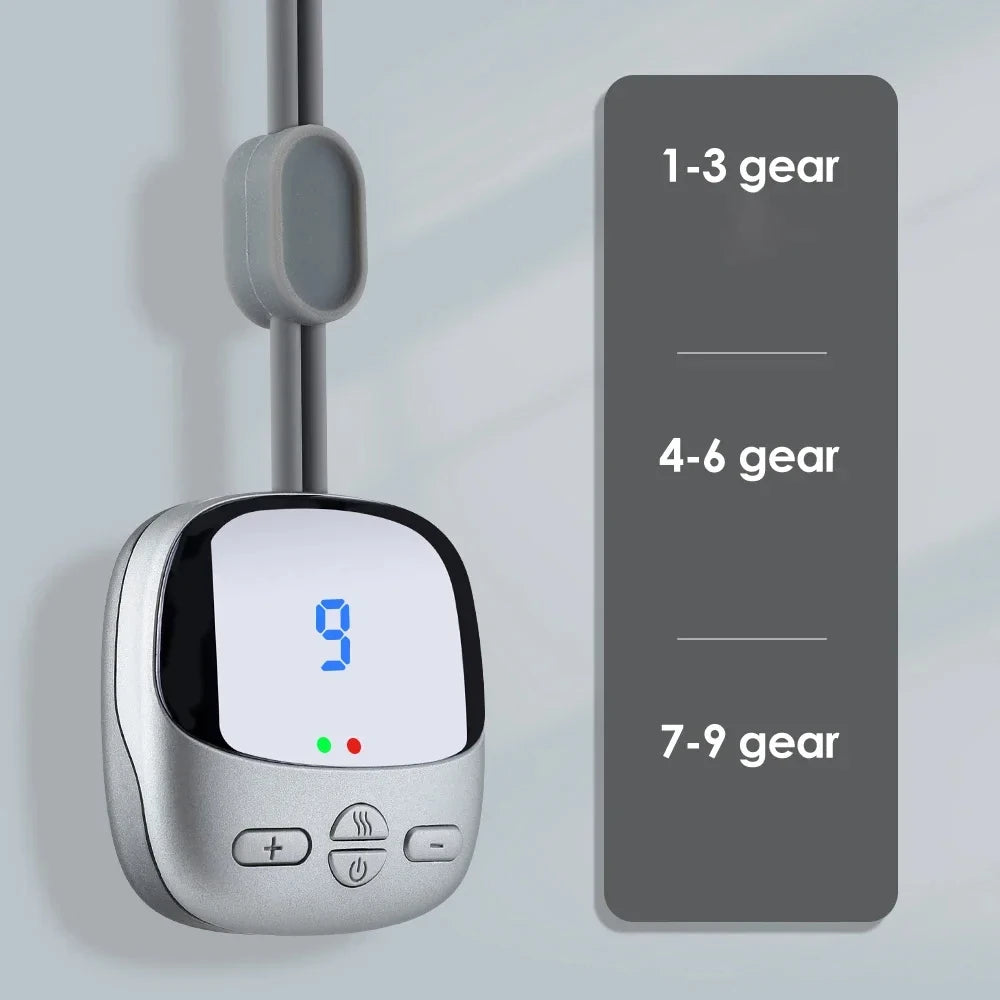
Neck massager in use for relaxation and muscle relief
Is it safe to use a neck massager daily?
Most healthy adults can safely use a neck massager once or twice daily for 10–20 minutes.
Who should avoid neck massagers?
- People with recent injuries
- Individuals with fractures
- Those with severe osteoporosis
- People with implanted medical devices (for EMS)
- Individuals with unexplained neurological symptoms
Stop using the device if you experience
- Increasing pain
- Numbness
- Dizziness
- Radiating arm pain
- Weakness
Common mistakes that reduce neck massager benefits
- Using maximum intensity immediately
- Massaging too long in one spot
- Ignoring posture issues
- Skipping stretching
- Using it to mask serious pain
- Expecting permanent results
FAQ
How often should I use a neck massager?
10–20 minutes once or twice daily is typical for most users.
Can a neck massager help office-related neck pain?
Yes, especially when combined with posture improvements and regular breaks.
Can a neck massager improve circulation?
Massage can temporarily increase blood flow and reduce stiffness.
Does heat therapy make a difference?
Yes, heat enhances relaxation and comfort.
Does a neck massager replace physical therapy?
No. It complements but does not replace professional care.
Can I use a neck massager every day?
Yes, if used moderately and according to instructions.
Are neck massagers safe during pregnancy?
Consult a healthcare provider before use.
What's the difference between shiatsu and EMS?
Shiatsu uses mechanical kneading, while EMS uses electrical stimulation.
Related Articles:
- U shaped neck massager: What makes it so effective?
- Heated vibrating neck massager: Why heat boosts results
Pillar Articles:













