

👀 people are reading this article right now
📢 New to KentDO™? Enjoy up to 50% OFF select self-care tools – plus 5% extra discount for new subscribers!
👉 Subscribe now & save with code KENTDO20 💌
If you’ve been wondering *how to stretch sciatica* without making it worse, you’re not alone. Many people unknowingly do the wrong lower back stretches sciatica needs, especially when following easy sciatica exercises for seniors that actually aggravate nerves. Discover how simple posture tweaks and even learning ultrasound therapy how does it work can speed recovery — and why knowing does ultrasound therapy work on tendonitis might change how you treat sciatic pain forever.
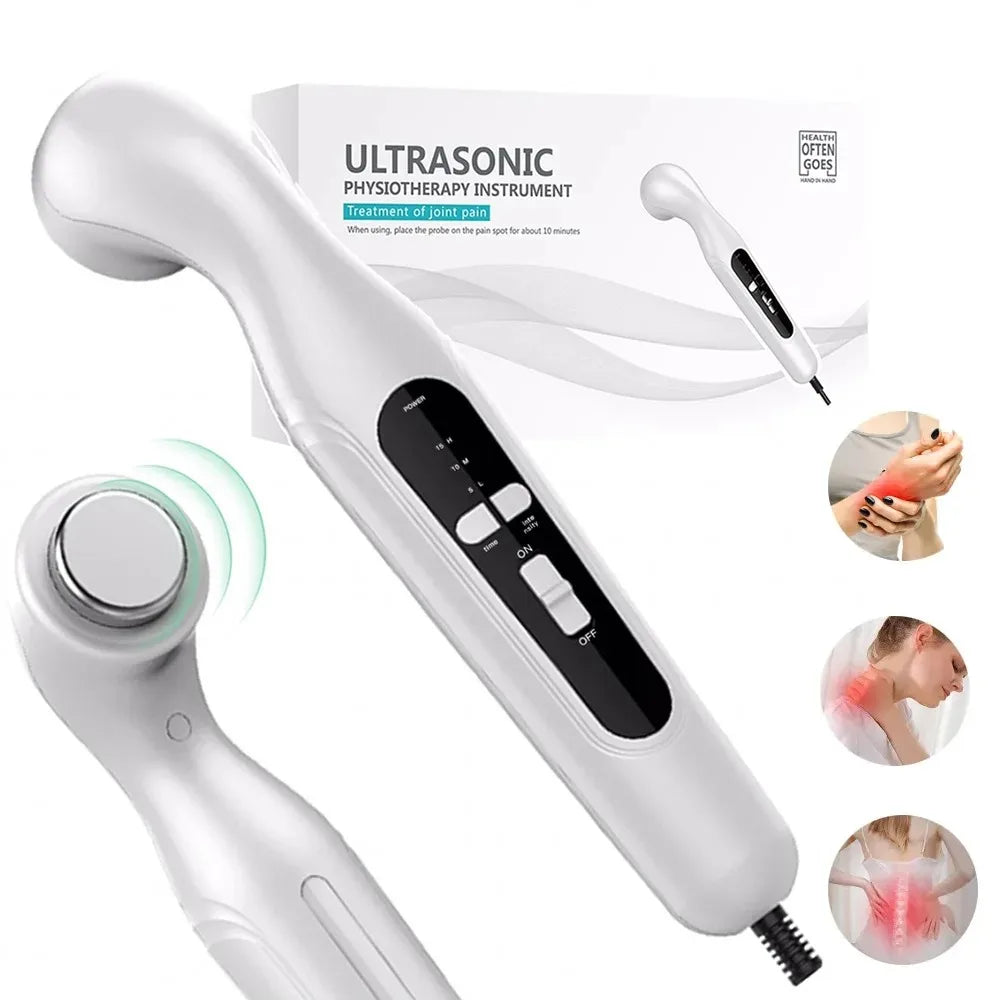
💡 how to stretch sciatica — See it in action
Why simple stretches often fail (and can make things worse)
Many seniors and office professionals try “easy sciatica exercises for seniors” or “lower back stretches sciatica relief” and expect quick fixes. But relief remains elusive because: The nerve roots of the sciatic nerve remain compressed or irritated, so generic stretches don’t open the right pathways. Stretching too aggressively or incorrectly may increase tension or pinch the nerve further. Harvard Health +1 Mistakes accumulate: poor posture, too little movement variety, and lack of recovery tools. Let’s face it: you’re doing the work, but if the mechanics are off, you’ll keep reliving the flare-ups.Stop These 3 Mistakes That Make Sciatica Worse
Mistake 1: Over-stretching without stabilising the core & hips
Stretching your hamstrings or glutes is fine — but if your hips and lower back aren’t supported, the sciatic nerve still bears the load. According to Harvard Health Publishing, painful sciatica can worsen when you attempt deep stretches that exceed your current flexibility. Harvard Health Fix: Before any deep hamstring or piriformis move, engage your core, maintain neutral spine and only stretch within comfort.Mistake 2: Ignoring the hip-nerve pathway and only stretching the back
You might think “lower back stretches sciatica relief” means simply bending forward. But many professionals emphasise that hip area and glute muscles (especially the piriformis) are often the actual culprits. Healthline +1 Fix: Include hip-openers like the figure-4 stretch or seated glute stretch. These target the nerve’s path, not just the lower back.Mistake 3: Skipping recovery tools (e.g., ultrasound therapy) and relying purely on stretching
Stretching helps mobility, but if the underlying tissue around the nerve is inflamed or fibrotic, you’ll get limited results. That’s where modalities like ultrasound therapy how does it work come in. Recent studies show that therapeutic ultrasound can stimulate tendon/soft-tissue repair. PMC +2 Fix: Pair your stretching routine with proper recovery tools to reduce inflammation, accelerate healing and support long-term relief.Safe & Effective Stretching Routine for Sciatica Relief
Here’s a practical routine especially tailored for sedentary professionals aged 35–60 who experience recurring flare-ups. Why this works: It combines nerve-pathway stretches, hip/glute focus and core support. It avoids aggressive moves that spike pain (per Healthline). Healthline It can be done in 10–15 minutes — ideal for busy lifestyles. Routine (perform 1-2 times daily)- **Warm-up (2–3 minutes)** – Walk in place or march, gently rotate hips to loosen tension.
- **Core activation** – Lie on your back with knees bent, feet flat. Draw your belly button in, flatten lower back for 5 seconds, release. Repeat 10 times. (Based on Kaiser advice) :contentReference[oaicite:6]{index=6}
- **Seated glute stretch** – Sit on a chair or floor, cross affected ankle over opposite knee, lean forward until you feel a stretch in the glute/buttock. Hold 30 seconds, repeat both sides. :contentReference[oaicite:7]{index=7}
- **Knee to opposite shoulder** – Lie on back, bend the affected leg and gently pull it across your body toward the opposite shoulder until you feel a comfortable stretch (not pain). Hold 30 seconds, repeat 3 times each side. :contentReference[oaicite:8]{index=8}
- **Standing hamstring stretch** – Heel of affected leg on a low surface (chair or stairs), knee slightly bent, lean forward with spine straight until you feel stretch in the back of your leg. Hold 30 seconds, both sides. :contentReference[oaicite:9]{index=9}
- **Child’s pose / modified cobra (cool-down)** – On all fours, for cobra: push up from hands, lifting chest slightly. For child’s pose: sit back on heels, arms forward. Hold each 30–45 seconds. (From HSS guide) :contentReference[oaicite:10]{index=10}
Why Ultrasound Therapy Matters for Sciatica & Tendon-/Nerve-Related Issues
When you’re stretching and still getting flare-ups, you might ask: does ultrasound therapy work on tendonitis? And — ultrasound therapy how does it work? Here’s what the research says: Therapeutic ultrasound uses high-frequency sound waves to deliver energy into deep soft tissue (tendons, fascia, scar tissue). Wikipedia +1 Animal and cell studies show ultrasound can stimulate tendon cell migration, proliferation and collagen synthesis — key processes for healing. PubMed +1 A 2022 review (Sun-Z, et al) reported that ultrasound therapy has been beneficial for various orthopaedic/tendinopathy conditions. BMJ Open However: The evidence is mixed for some conditions (especially low back pain) and it should not be seen as a magic fix. Verywell Health +1 Bottom line: Yes — ultrasound therapy can support recovery, reduce tissue strain around nerves or tendons, and speed up results when paired with stretching and movement. But it’s not a standalone miracle.How to Integrate Ultrasound Therapy With Your Stretch-Routine
Here’s how to make the most of combining your stretches with smart recovery: When to use: After your stretching session (to aid tissue repair) or on a rest day to modulate healing. Especially useful during post-flare periods (when pain is moderate and movement still possible). What to do: Use a home-device or seek physio intervention (if applicable) as you consider purchasing. (Example: the link to the product: /products/kentdo-ultrasound-physiotherapy-device) Apply ultrasound over affected area (glute, piriformis, hamstring region) for manufacturer-recommended time (often 5-15 min) at appropriate intensity. Then, perform your gentle stretching routine above. Track your progress: note flare-ups, range of motion, pain levels. Why this combination works: Stretching opens up mobility and nerve pathways. Ultrasound supports tissue quality, reduces chronic tension/irritation. Together they create a virtuous loop: better movement → less nerve strain → less inhibition → better daily function. Cross-sell note: If you’re looking into devices, check our Body Care and Health Devices collection — it houses tools like the ultrasound device and accessory support gear.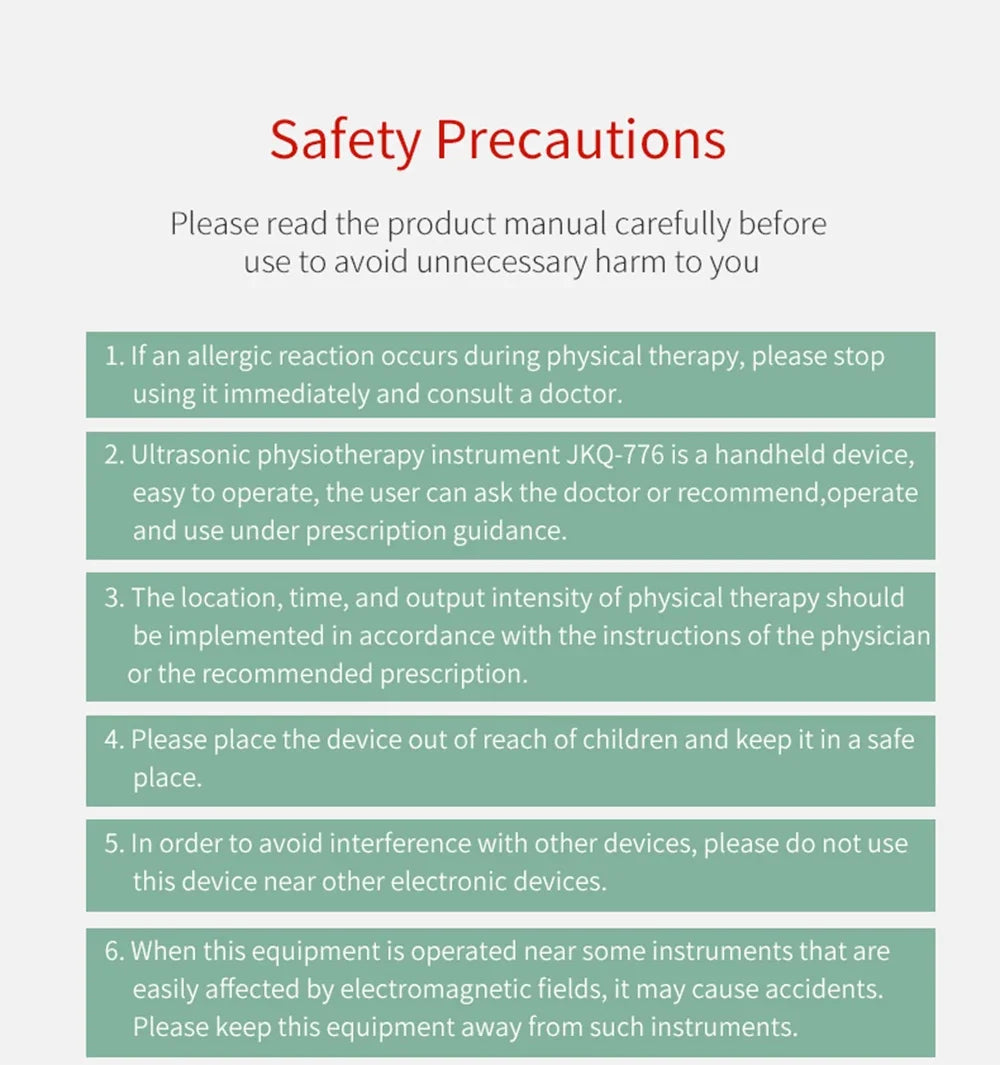
💡 Pair your stretching with ultrasound therapy how does it work
Mini-FAQ
- Is stretching always safe for sciatica?
- Most people benefit from gentle, controlled stretches. However, if you feel sudden sharp pain, weakness, numbness/tingling or signs of serious nerve compression, stop and consult a professional. :contentReference[oaicite:15]{index=15}
- How long before I see results from stretching and ultrasound?
- Many people report improvements in 2-4 weeks of consistent work. Full recovery may take 6-8 weeks or longer depending on severity. The key is consistency and correct form.
- Does ultrasound therapy work for sciatica specifically?
- Ultrasound therapy has less evidence directly for sciatica (nerve root compression) compared to tendinopathy. But because many sciatica cases involve soft-tissue tension/irritation, it can support recovery when paired with movement. :contentReference[oaicite:16]{index=16}
- What are the common stretching mistakes for seniors?
- – Forgoing a warm-up
– Forcing deep stretches beyond comfort level
– Ignoring hip/nerve pathway and focusing only on lower back
– Skipping recovery tools like ultrasound or rest - When should I seek professional help?
- If pain radiates severely down the leg, you have loss of bladder/bowel control, or symptoms persist beyond 3 months despite home care — see a physical therapist or physician.
Final Thoughts — Empower Your Routine Today
You’re not stuck in the cycle of “again today” flare — you can break it. Now you know what goes wrong in many sciatica stretching routines, and you’ve got a smart blueprint: targeted stretches, nerve-pathway focus, hip/glute support, recovery pairing with ultrasound therapy, and awareness of mistakes to avoid. ✅ Action step: Try this routine for the next 7 days. Track your pain level (0-10), mobility (sit, walk, stand) and note how you feel after each session.
👉 Get yours now — limited stock!
Check out the ultrasound physiotherapy device and add it to your recovery toolkit at `/products/kentdo-ultrasound-physiotherapy-device`.
Your body deserves more than “just another stretch.” It deserves the right stretch + the right recovery. Make your next move count.
Check out the ultrasound physiotherapy device and add it to your recovery toolkit at `/products/kentdo-ultrasound-physiotherapy-device`.
Pillar Article: Not Found
Other Related Articles:
- Is a Heating Pad Good for Sore Muscles? 5 Times It Helps and 2 When It Hurts
- Ultrasound Therapy How Does It Work? Inside the Healing Technology Explained
Explore More:













