

⏱ 8 min read
Is a heating pad good for sore muscles?
Yes. A heating pad is good for sore muscles when the soreness is caused by stiffness, delayed onset muscle soreness (DOMS), or ongoing muscle tension. Heat increases blood circulation, relaxes tight muscle fibers, and can improve flexibility, making everyday movement more comfortable. However, avoid applying heat to a new injury, visible swelling, or active inflammation during the first 24–48 hours, as it may worsen symptoms.
If you've ever wondered is a heating pad good for sore muscles after an intense workout, long workday, or hours of sitting at a desk, the answer depends on when and how you use it. Many people reach for heat because it provides quick comfort, but understanding the science behind heat therapy helps you recover more effectively. Used at the right stage of recovery, a heating pad can reduce muscle tightness, improve circulation, and prepare your body for gentle stretching or movement. Used too early after an injury, however, it may increase inflammation instead of relieving it.
In this guide, you'll learn does a heating pad help sore muscles , when heat therapy is most effective, situations where it should be avoided, and practical tips for using a heating pad safely. We'll also compare heat with cold therapy and explore recovery options that may better suit different types of muscle pain.
Is a heating pad good for sore muscles? Heat therapy can improve circulation, reduce stiffness, and support comfortable muscle recovery when used at the right time.
When Heat Helps
Heat therapy is generally most beneficial after the initial inflammatory stage has passed. Whether your muscles feel tight after exercise, stiff from poor posture, or sore from repetitive activity, gentle warmth encourages blood vessels to expand, delivering oxygen and nutrients that support the body's natural recovery process. This is why many people notice improved flexibility and reduced discomfort within a short period of applying a heating pad.
When It Doesn't
Although do heating pads help sore muscles in many situations, they are not appropriate for every type of pain. Avoid using heat on fresh sprains, strains, or injuries with noticeable swelling, redness, or warmth. During this early stage, cold therapy is typically the better option because it helps limit inflammation before heat is introduced later in recovery.
How Heat Therapy Works for Muscle Recovery
How Heat Improves Circulation
Heat therapy works by gently raising the temperature of muscles and surrounding soft tissues. As the area warms, blood vessels widen through a process called vasodilation, allowing more oxygen-rich blood and nutrients to reach tired muscles. This improved circulation helps reduce stiffness, supports normal tissue repair, and makes movement feel easier after exercise or prolonged inactivity.
If you're wondering does a heating pad help muscle recovery , the answer is yes for many types of muscle soreness caused by overuse, delayed onset muscle soreness (DOMS), or muscle tension. Better circulation also helps muscles relax, making stretching and light activity more comfortable during recovery.
Heat vs Muscle Repair
While heat does not directly "heal" damaged muscle fibers on its own, it creates conditions that support the body's natural recovery process. Warmth reduces muscle guarding, improves tissue elasticity, and can decrease the sensation of pain, allowing you to return to normal movement more comfortably. Maintaining gentle movement alongside appropriate heat therapy may also help reduce lingering stiffness after workouts.
The benefits of heat therapy for muscles include:
- Improving blood flow to support healthy muscle recovery
- Reducing muscle stiffness and post-exercise tightness
- Increasing flexibility before stretching or mobility exercises
- Helping relieve chronic muscle tension in the neck, shoulders, back, and legs
- Providing temporary relief from everyday muscle aches caused by stress or repetitive movements
Research suggests superficial heat therapy can be effective for relieving muscular discomfort and improving short-term mobility when used appropriately. However, results vary depending on the cause of the pain, and heat should complement—not replace—rest, gradual activity, hydration, and proper recovery habits.
So, does heat help heal sore muscles ? It supports the recovery environment by improving circulation and reducing stiffness, making it an effective option for many common cases of muscle soreness once the initial inflammatory phase has passed.
5 Times a Heating Pad Helps Sore Muscles Heal Faster
Knowing when to place a heating pad on sore muscles is just as important as knowing how to use one. Heat therapy works best after the initial inflammatory stage has passed, helping muscles relax while supporting comfortable movement and recovery. These are the situations where warmth delivers the greatest benefit.
Post-Workout DOMS
Delayed onset muscle soreness (DOMS) typically appears 24 to 48 hours after a challenging workout. At this stage, inflammation has usually begun to settle, making gentle heat an effective option for reducing stiffness and restoring mobility. Applying a heating pad for 15 to 20 minutes before light stretching or walking may help muscles feel looser and more comfortable.
Chronic Muscle Tightness
If you experience recurring muscle tension from desk work, repetitive tasks, or frequent exercise, regular heat sessions can help maintain flexibility. Heat encourages muscles to relax, making it easier to improve posture and reduce everyday discomfort without relying solely on medication.
Back and Neck Pain
Many people ask, does a heating pad help with muscle pain in the neck, shoulders, or lower back? For muscular tightness rather than acute injury, the answer is often yes. Gentle warmth can reduce muscle guarding, improve range of motion, and make daily activities such as sitting, standing, or sleeping more comfortable.
Leg Recovery
After running, cycling, hiking, or long hours on your feet, your calves, hamstrings, and quadriceps may feel fatigued and tight. Applying a heating pad after the initial recovery period can ease lingering soreness and prepare your legs for light movement or recovery exercises. Avoid using heat if swelling or a fresh strain is still present.
Pre-Exercise Warm-Up
Using heat before stretching, yoga, or mobility work can increase tissue elasticity and reduce the sensation of stiffness. While a heating pad should not replace an active warm-up, it can be a helpful addition for people with chronic tightness or limited flexibility before beginning gentle exercise.
Does a heating pad help muscle recovery? Yes—heat is most effective after early inflammation has subsided and muscles are primarily stiff or tight.
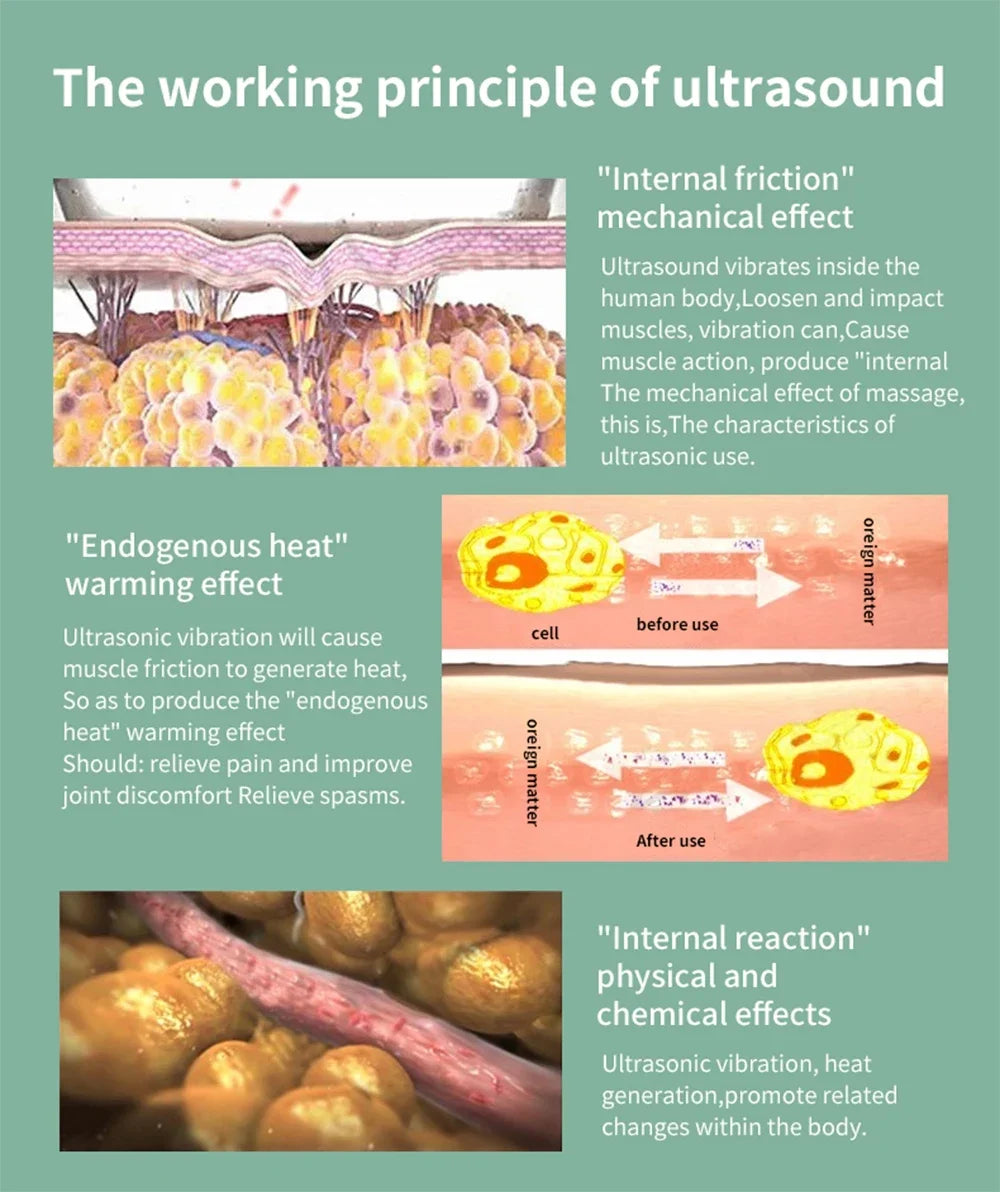
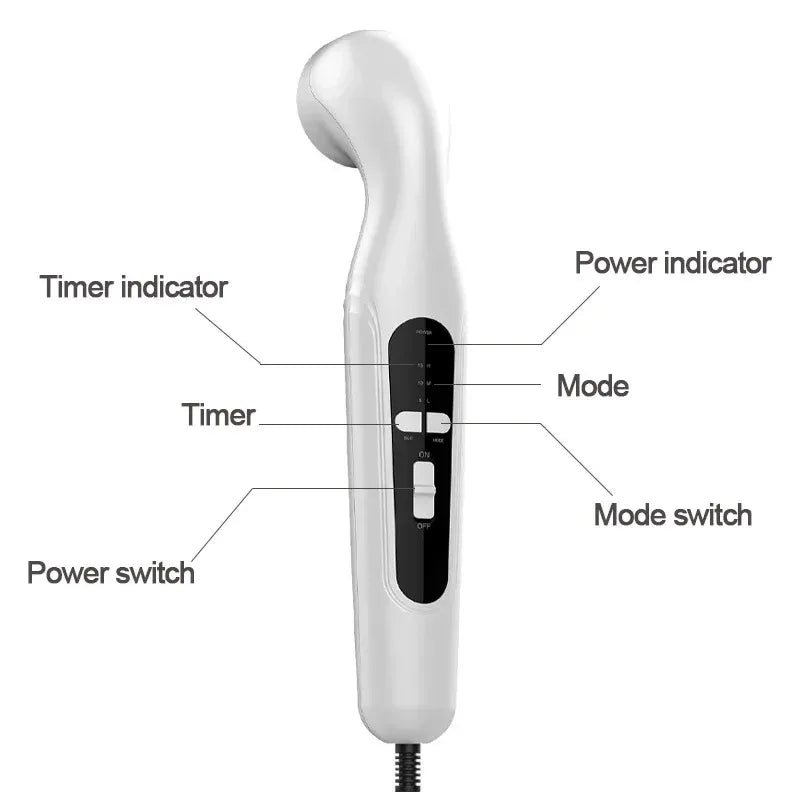
For people seeking a more targeted recovery routine, heat can also be combined with massage or therapeutic technologies. Devices such as the KentDO Ultrasound Physiotherapy Device pair warmth with ultrasound therapy to complement muscle recovery and improve comfort after exercise or repetitive strain.
2 Times Heat Therapy Can Make Soreness Worse
Although heat therapy is effective for many types of muscle soreness, using it at the wrong time may delay recovery or increase discomfort. Before placing a heating pad for pulled muscle or other painful areas, make sure the injury has moved beyond the early inflammatory stage.
Acute Injuries
Avoid applying heat immediately after a muscle strain, sprain, or sudden injury. During the first 24 to 48 hours, the body's natural inflammatory response increases blood flow to the damaged tissue. Adding external heat during this period can further increase swelling and discomfort.
Instead, follow the standard early recovery approach:
- Use a cold pack for 15 to 20 minutes at a time.
- Rest the injured muscle and avoid activities that worsen pain.
- Apply gentle compression and elevate the area if swelling is present.
- Switch to heat only after swelling has noticeably decreased and stiffness becomes the primary symptom.
Swelling and Inflammation
If the affected area is swollen, visibly red, or feels warm to the touch, heat therapy should be postponed. These signs usually indicate ongoing inflammation, and additional warmth may intensify the body's inflammatory response instead of providing relief.
Likewise, avoid using a heating pad over open wounds, areas with reduced sensation, or skin affected by burns or infection. People with diabetes, circulation disorders, or certain nerve conditions should consult a healthcare professional before using heat therapy because reduced sensation may increase the risk of accidental burns.
Quick guideline: Use cold therapy for new injuries and inflammation. Once sharp pain and swelling improve and muscle stiffness becomes the main concern, heat therapy is generally the more appropriate recovery tool.
How to Use a Heating Pad Safely and Effectively
Using a heating pad on sore muscles correctly can maximize comfort while minimizing the risk of burns or skin irritation. Following a few simple best practices helps ensure heat therapy supports recovery instead of causing additional problems.
Duration
For most people, a session lasting 15 to 20 minutes is enough to relax tight muscles and improve circulation. If you're treating long-standing muscle tension, sessions of up to 30 minutes may be appropriate, provided the heat remains at a comfortable level. Allow your skin to cool between treatments before applying heat again.
Temperature
Choose a low or medium heat setting rather than the highest temperature. The goal is gentle, consistent warmth—not intense heat. Always place a thin towel or cloth between your skin and the heating pad to reduce the risk of burns, especially during extended sessions.
Frequency
Heat therapy can be used one to several times a day depending on the cause of your soreness. Many people benefit from applying heat before stretching, mobility exercises, or light physical activity because warmer muscles tend to move more comfortably. If discomfort worsens instead of improving, stop using heat and reassess whether inflammation may still be present.
Common Mistakes
Avoid these common errors when using a heating pad:
- Falling asleep with the heating pad turned on.
- Applying high heat directly to bare skin.
- Using heat on fresh injuries, bruising, or swollen muscles.
- Leaving the heating pad in one position for too long.
- Ignoring unusual redness, excessive warmth, or skin irritation.
For a more complete at-home recovery routine, many people combine heat therapy with gentle massage, stretching, or therapeutic devices available in our Body Care and Health Devices collection to help reduce muscle tension and support overall recovery.
Best Recovery Device Alternatives
A standard heating pad is an excellent choice for relieving everyday muscle stiffness and tension. However, people recovering from frequent workouts, repetitive strain, or chronic muscle discomfort may benefit from therapies that combine heat with additional treatment technologies. Choosing the right option depends on your recovery goals, the location of your pain, and how often you need relief.
Heating Pads vs Ultrasound Therapy
| Feature | Standard Heating Pad | KentDO Ultrasound Physiotherapy Device |
|---|---|---|
| Primary purpose | Surface heat for muscle relaxation | Heat combined with therapeutic ultrasound |
| Best for | General muscle stiffness and everyday soreness | Targeted recovery and localized muscle discomfort |
| Treatment coverage | Broad treatment area | Focused application to specific muscles and joints |
| Ease of use | Simple plug-in or rechargeable operation | Guided treatment of selected areas |
When Advanced Therapy Is Worth It
If occasional soreness is your primary concern, a quality heating pad is often sufficient for improving comfort and flexibility. For recurring muscle tightness, recovery after demanding physical activity, or persistent areas of tension, combining heat with therapeutic ultrasound may provide a more targeted recovery experience.
The KentDO Ultrasound Physiotherapy Device is designed for users seeking an at-home recovery solution that goes beyond surface warmth. It can be a practical option for athletes, active individuals, and people who regularly experience muscle discomfort from work, exercise, or repetitive movement.

Heat therapy can support muscle recovery , while advanced recovery devices may offer additional targeted treatment for persistent areas of tension.
Heat vs. Cold: Which Should You Choose?
Both heat and cold therapy have important roles in muscle recovery, but they are designed for different stages of healing. Choosing the appropriate treatment based on your symptoms can improve comfort while supporting your body's natural recovery process.
Recovery Timeline
During the first 24 to 48 hours after a new injury, cold therapy is generally the better option because it helps limit swelling, reduces inflammation, and temporarily numbs pain. As the initial inflammation subsides and muscles begin to feel stiff rather than swollen, heat therapy becomes more appropriate for restoring flexibility and easing tension.
If you're asking does heat help heal sore muscles , it can support recovery once inflammation has settled by improving circulation and reducing muscle tightness. It is most effective for delayed onset muscle soreness (DOMS), chronic muscle tension, and post-exercise stiffness rather than fresh injuries.
Heat vs Ice Comparison
| Recovery Situation | Cold Therapy | Heat Therapy |
|---|---|---|
| New injury with swelling or bruising | ✅ Recommended | ❌ Avoid |
| Muscle stiffness or tightness | ❌ Usually unnecessary | ✅ Recommended |
| Delayed onset muscle soreness (DOMS) | Optional for temporary relief | ✅ Often beneficial |
| Chronic neck or back muscle tension | ❌ Limited benefit | ✅ Recommended |
| Acute muscle strain (first 24–48 hours) | ✅ Recommended | ❌ Avoid |
Some people also benefit from combination therapy. For example, using cold immediately after strenuous exercise may help manage inflammation, while applying heat later in the recovery process can improve mobility and reduce lingering stiffness. If pain becomes severe, persists for several days without improvement, or is accompanied by significant swelling or loss of function, seek medical evaluation before continuing self-treatment.
Heating Pad Buying Guide
Not all heating pads deliver the same level of comfort or convenience. If you're shopping for a heating pad for regular muscle recovery, consider these features before making your decision.
Size and Coverage
Select a heating pad that matches the area you treat most often. Smaller models work well for the neck, shoulders, elbows, and knees, while larger pads provide better coverage for the lower back, hips, thighs, and calves. A flexible pad that conforms to your body can improve comfort during treatment.
Heat Settings and Timers
Multiple temperature settings allow you to customize treatment based on your comfort level and muscle condition. Automatic shut-off timers are an important safety feature, helping prevent overheating if you become distracted or fall asleep.
Moist vs Dry Heat
Dry heat is convenient for everyday use and quickly warms tight muscles. Moist heat adds gentle humidity that some users find penetrates tissues more comfortably, making it a popular option for chronic stiffness. Both methods can be effective when used correctly, so the best choice depends on personal preference and the type of muscle discomfort you're treating.
Safety Certifications
Choose products from reputable manufacturers that include overheat protection, automatic shut-off functions, durable wiring, and washable covers when available. These features improve both long-term durability and everyday safety.
Frequently Asked Questions
-
Does a heating pad help muscle recovery after exercise?
Yes. Heat therapy is generally most effective 24 to 48 hours after exercise, once initial inflammation has subsided. It helps relax muscles, improve circulation, and reduce post-workout stiffness. -
How long should you use a heating pad on sore muscles?
Most sessions should last 15 to 20 minutes. People managing chronic muscle tightness may benefit from sessions up to 30 minutes, provided the heat remains comfortable and skin is checked regularly. -
Can you sleep with a heating pad on?
No. Sleeping with an active heating pad increases the risk of burns and overheating. Always use the automatic shut-off feature if available and remove the pad before falling asleep. -
Is heat or ice better for pulled muscles?
Ice is recommended during the first 24 to 48 hours after a pulled muscle because it helps reduce swelling and inflammation. Heat is typically more appropriate once stiffness replaces acute inflammation. -
Do heating pads actually work for muscle pain?
Yes. Heating pads can provide temporary relief from muscle soreness, tension, and stiffness by improving blood flow and helping muscles relax. They are most effective for muscular pain rather than acute injuries. -
When should you avoid using a heating pad?
Avoid heat on fresh injuries, swollen or inflamed muscles, open wounds, infected skin, or areas with reduced sensation. If symptoms worsen during treatment, discontinue use and seek medical advice if necessary. -
What size heating pad is best for back or leg recovery?
Larger heating pads are generally better for the back, hips, and legs because they provide more even coverage. Smaller pads are ideal for targeted areas such as the neck, shoulders, wrists, or knees. -
Is moist heat better than dry heat for sore muscles?
Both are effective. Moist heat may feel more comfortable for chronic stiffness, while dry heat is convenient for everyday use and requires less preparation.
Continue your recovery journey with other smart wellness tools in our Body Care and Health Devices and discover more recovery insights from our Beauty & Self-Care Blog .
Pillar Article: Not Found
Other Related Articles:
- Ultrasound Therapy How Does It Work? Inside the Healing Technology Explained
- How to Stretch Sciatica the Right Way — Stop Doing These 3 Painful Mistakes
Explore More:













