

Ultrasound Therapy: How Does It Work?
Ultrasound therapy works by using high-frequency sound waves to deliver mechanical energy into deeper soft tissues, helping support circulation, tissue mobility, and the body’s natural repair processes. Unlike diagnostic ultrasound, which creates images of internal structures, therapeutic ultrasound is designed to produce physical effects that may help with pain relief, stiffness, and rehabilitation.
The main therapeutic ultrasound purpose is to support recovery by targeting muscles, tendons, ligaments, and connective tissues. Depending on the treatment settings, ultrasound waves may create gentle heating effects or non-thermal effects such as acoustic streaming that influence tissue behavior.
Ultrasound Therapy How Does It Work? Inside the Healing Technology Explained
Wondering ultrasound therapy how does it work for muscle pain and recovery? This noninvasive technology uses targeted sound waves to reach deeper tissues, support circulation, and improve mobility. Learn how therapeutic ultrasound works , what it is used for, whether ultrasound therapy really works, and the important pros, cons, and safety considerations before using it.
⏱ Reading Time: 8 min read
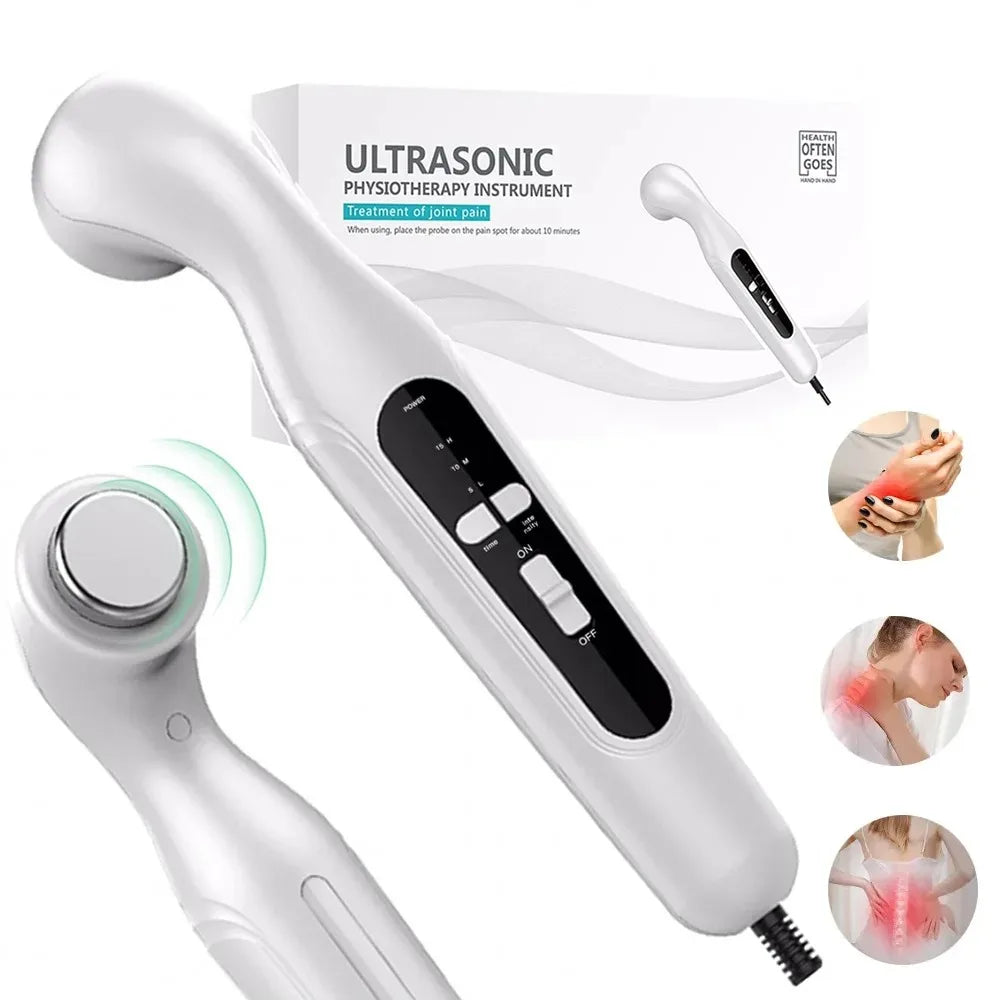
Experience deep-tissue recovery with advanced ultrasound therapy — see how it works in action.
What Is Ultrasound Therapy and What Is It Used For?
Ultrasound therapy is a rehabilitation treatment that uses high-frequency sound waves to stimulate tissues beneath the skin. These sound waves are delivered through a handheld applicator called a transducer and are commonly used in physical therapy, sports recovery, and pain management.
The therapeutic ultrasound purpose is to support tissue healing, reduce discomfort, improve flexibility, and help restore movement after injuries or conditions affecting muscles, tendons, and joints.
Therapeutic vs Diagnostic Ultrasound
Although both technologies use sound waves, therapeutic and diagnostic ultrasound serve different purposes:
- Diagnostic ultrasound: Creates images of internal structures, such as organs, muscles, or developing tissue.
- Therapeutic ultrasound: Uses sound wave energy to produce physical effects in tissues for rehabilitation and recovery.
Therapeutic ultrasound does not create images. Instead, it focuses on delivering controlled energy to targeted areas where deeper tissue support is needed.
Common Conditions Treated
What is ultrasound therapy used for? It is commonly included in rehabilitation programs for:
- Muscle strains and soft tissue injuries
- Tendon irritation and overuse injuries
- Joint stiffness and reduced mobility
- Sports-related recovery needs
- Chronic muscle discomfort
- Scar tissue management after injury
Ultrasound therapy is often combined with stretching, exercise therapy, massage, or other recovery methods rather than used as a standalone treatment.
How Therapeutic Ultrasound Works Step by Step
How does therapeutic ultrasound work? The process begins when the device converts electrical energy into high-frequency sound waves. These waves travel through a conductive medium and enter the body, creating mechanical effects inside targeted tissues.
How the Transducer and Coupling Gel Work
The ultrasound device uses a transducer head that produces sound waves. Because air blocks sound transmission, a conductive gel is applied between the device and skin to help energy travel smoothly into the tissue.
How Ultrasound Waves Travel Through Tissue
Once transmitted, ultrasound waves move through soft tissues and create microscopic vibrations. These vibrations may encourage fluid movement around cells, improve local circulation, and support normal tissue responses.
Thermal Effects
Continuous ultrasound can create a gentle warming effect in deeper tissues. This increase in tissue temperature may help:
- Relax tight muscles
- Improve tissue flexibility
- Increase local circulation
- Support mobility before stretching or exercise
Non-Thermal Effects: Cavitation and Acoustic Streaming
Pulsed ultrasound can create non-thermal effects, including:
- Cavitation: Movement of microscopic gas bubbles within tissues that may influence cellular activity.
- Acoustic streaming: Small fluid movements caused by sound wave pressure that may support cellular transport.
Why Frequency, Intensity, and Treatment Mode Matter
The effectiveness of ultrasound therapy depends on settings such as frequency, intensity, and whether continuous or pulsed modes are used. Different tissues and treatment goals may require different approaches, which is why professional guidance is recommended for specific injuries.
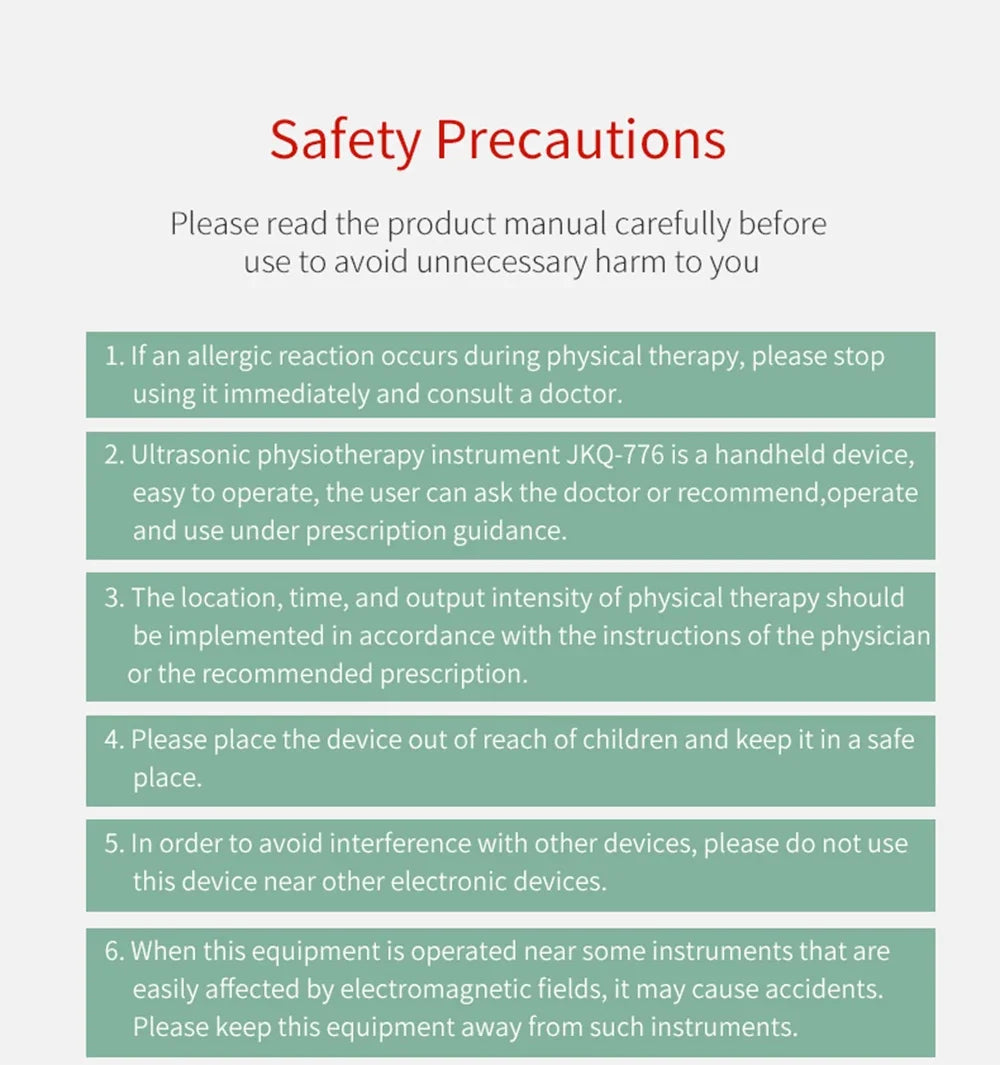
Deep sound waves reach where your hands can’t — supporting muscle recovery from within.
What Happens During an Ultrasound Therapy Session?
Before Treatment
Before starting, the treatment area is usually assessed to identify the location of discomfort and determine appropriate settings. The skin should be clean, and a conductive gel is applied before treatment begins.
During Treatment
The therapist or user gently moves the ultrasound applicator over the target area using slow, controlled movements. The device settings determine whether the treatment focuses more on thermal warming or pulsed mechanical effects.
How Long Sessions Last
Most ultrasound therapy sessions typically last several minutes per treatment area. The exact duration depends on the condition, device settings, and treatment goals.
What Patients Typically Feel
Ultrasound therapy is generally comfortable. Many people feel mild warmth or gentle movement from the applicator, while others may feel little sensation during treatment.
Benefits and Common Uses of Ultrasound Therapy
Ultrasound therapy benefits come from its ability to deliver targeted energy into deeper tissues. It is commonly used as part of recovery plans for pain management and rehabilitation.
Pain Relief
Ultrasound therapy for pain relief may help reduce discomfort by relaxing tight tissues, improving mobility, and supporting recovery after strain or overuse.
Soft Tissue Healing
Therapeutic ultrasound may support soft tissue recovery by encouraging circulation and improving the environment around healing tissues.
Joint and Tendon Conditions
It is often used during rehabilitation for stiffness, tendon-related discomfort, and conditions where improving movement and flexibility are important goals.
- ✔️ Supports muscle recovery after physical activity
- ✔️ Helps improve mobility in stiff areas
- ✔️ Provides noninvasive pain management support
- ✔️ Can complement stretching and rehabilitation exercises
Does Ultrasound Therapy Really Work?
Does ultrasound therapy really work? Research suggests therapeutic ultrasound may provide benefits for certain soft tissue conditions, especially when combined with other rehabilitation methods. However, results vary depending on the injury type, treatment settings, and individual response.
What Research Shows
Studies have explored ultrasound therapy for pain reduction, tissue flexibility, and recovery support. Evidence is strongest when ultrasound is used as part of a broader rehabilitation program rather than as the only treatment.
When It Is Most Effective
Ultrasound therapy may be most useful when the goal is improving tissue mobility, reducing discomfort, or supporting recovery alongside exercise and physical therapy.
Limitations of Current Evidence
Not every condition responds equally. Some studies show mixed results, meaning ultrasound therapy should be viewed as a supportive tool rather than a guaranteed solution for every type of pain.
Does Ultrasound Therapy Reduce Inflammation?
Does ultrasound therapy reduce inflammation? It may influence inflammatory processes by improving circulation, supporting tissue metabolism, and helping manage symptoms associated with certain injuries.
Potential Mechanisms
Therapeutic ultrasound may help create conditions that support recovery by:
- Increasing local blood flow
- Supporting movement of fluids around tissues
- Improving tissue flexibility
- Reducing stiffness associated with injury recovery
What the Evidence Says
Evidence on inflammation reduction varies depending on the condition being treated. Ultrasound may be beneficial in some rehabilitation settings, but it should not replace medical treatment for significant injuries or inflammatory diseases.
Risks, Side Effects, and Contraindications
Possible Side Effects
Ultrasound therapy is generally considered safe when used correctly. Possible issues from improper use may include temporary discomfort, excessive warmth, or irritation.
Who Should Avoid Ultrasound Therapy
Professional guidance is recommended before use for people with certain medical conditions. Ultrasound therapy may not be appropriate over areas with implanted electronic devices, certain tumors, active infections, or specific medical concerns.
Safety Tips
- Follow device instructions carefully
- Avoid using excessive intensity
- Do not treat areas without understanding the cause of pain
- Consult a healthcare professional for persistent or severe symptoms
Pros and Cons of Ultrasound Therapy
| ✅ Pros | ❌ Cons |
|---|---|
| Noninvasive and generally comfortable | Results vary depending on condition |
| Can support deep tissue rehabilitation | Requires correct settings and technique |
| Drug-free recovery option | Not suitable for every medical situation |
| Portable home-use devices are available | May require repeated sessions |
How to Use Ultrasound Therapy Safely at Home
Choosing the Right Device
When selecting a home ultrasound device, look for adjustable intensity settings, clear instructions, safety features, and an ergonomic design that allows controlled movement.
Safe Treatment Guidelines
- Apply conductive gel to the treatment area.
- Begin with a lower intensity setting.
- Move the applicator slowly and continuously.
- Follow recommended treatment times from the manufacturer or healthcare provider.
When to Seek Professional Care
Stop using ultrasound therapy and seek medical advice if pain worsens, symptoms are unexplained, or recovery is not improving.
For additional recovery support, explore other body care and health devices designed for modern wellness routines.
Frequently Asked Questions
What is ultrasound therapy used for?
Ultrasound therapy is used to support recovery from muscle strains, soft tissue injuries, stiffness, and some rehabilitation conditions involving muscles, tendons, and joints.
How does therapeutic ultrasound work?
Therapeutic ultrasound works by sending high-frequency sound waves into tissues, creating thermal and non-thermal effects that may support circulation, mobility, and recovery.
Does ultrasound therapy really work?
Ultrasound therapy can be effective for certain conditions, especially when combined with rehabilitation exercises and other treatment approaches.
Does ultrasound therapy reduce inflammation?
It may help manage inflammation-related symptoms by improving tissue circulation and supporting recovery, although results depend on the condition.
Is ultrasound therapy effective for chronic pain?
Ultrasound therapy may help some people with chronic pain, but it is usually most effective as part of a broader pain management plan.
Does ultrasound therapy hurt?
Most people find ultrasound therapy comfortable. Some may feel mild warmth or pressure from the applicator.
How long does an ultrasound therapy session take?
Sessions usually last several minutes per treatment area, depending on the device settings and recovery goals.
What are the side effects of ultrasound therapy?
Side effects are uncommon when used correctly but may include temporary discomfort, warmth, or irritation from improper application.
Who should not receive ultrasound therapy?
People with certain medical conditions should consult a healthcare professional before use, especially when treating sensitive areas or managing serious injuries.
Can ultrasound therapy be used at home?
Yes. Home devices such as KentDO’s model can be used when following safety instructions and appropriate treatment guidelines.
Explore more self-care tools in our Beauty & Self-Care Blog or browse Body & Face solutions designed for modern wellness routines.
Related Articles:
- Is a Heating Pad Good for Sore Muscles? 5 Times It Helps and 2 When It Hurts
- How to Stretch Sciatica the Right Way — Stop Doing These 3 Painful Mistakes
Explore More:













