

Does improving ankle circulation at home really work?
Yes—improving ankle circulation at home can help many people reduce stiffness, mild swelling, and foot fatigue when symptoms are related to prolonged sitting, standing, or inactivity. The most effective approach combines gentle movement, elevation, compression, and healthy daily habits to encourage better blood flow and support the muscles that help return blood toward the heart.
While home care often provides meaningful relief for temporary circulation issues, it is not a substitute for medical evaluation if symptoms are severe, persistent, or caused by conditions such as peripheral artery disease, chronic venous insufficiency, or other vascular disorders. Knowing how to improve ankle circulation safely starts with understanding what is causing your symptoms and choosing methods that match your needs.
People who spend long hours standing at work, sit for extended periods, travel frequently, or experience occasional ankle stiffness after exercise often benefit the most from a consistent at-home routine.
⏱ 7 min readImprove Ankle Circulation at Home: Step-by-Step Relief Guide
Whether your ankles feel heavy after a full workday, become stiff after sitting at a desk, or swell slightly following long periods of standing, improving ankle circulation at home can help restore comfort and mobility. A few simple daily habits—including regular movement, proper positioning, and supportive recovery techniques—can encourage healthier blood flow, reduce fluid buildup, and help your feet feel lighter throughout the day.
Discover gentle at-home methods that support comfort, circulation, and everyday recovery.
Targeted daily routines can improve ankle circulation at home, ease foot fatigue from standing all day, and support healthier recovery.
Why Ankle Circulation Matters More Than You Think
Healthy circulation keeps oxygen- and nutrient-rich blood moving through the feet and ankles while helping veins return blood to the heart. Good blood flow also assists with removing metabolic waste, controlling swelling, and supporting tissue repair after daily activity. When circulation slows, fluid can collect around the ankles, muscles fatigue more quickly, and recovery often takes longer.
How Blood Flow Works: Arteries vs. Veins
Arteries carry oxygen-rich blood from the heart to your feet and ankles, while veins return oxygen-poor blood back to the heart. Because the ankles are far from the heart, the calf muscles play an important role by acting as a natural pump. Every step, ankle flex, and calf contraction helps push blood upward against gravity. Long periods without movement reduce this pumping action, making foot and ankle blood flow improvement more difficult.
What Happens When Blood Flow to Ankles Is Reduced
Reduced circulation may allow fluid to accumulate around the ankles while limiting oxygen delivery to muscles and connective tissues. As a result, you may notice stiffness after sitting, tired legs after standing, slower recovery following exercise, or a sensation of heaviness in the lower legs. Although these symptoms are common after inactivity, persistent or worsening problems should be evaluated by a healthcare professional.
Early Signs of Poor Ankle Circulation
Recognizing poor ankle circulation symptoms early makes it easier to address lifestyle factors before discomfort becomes more noticeable.
- Persistent ankle swelling or puffiness, especially by the end of the day
- Cold feet or recurring tingling sensations
- Stiffness after prolonged sitting or standing
- Changes in skin color around the ankle or foot
- Slower recovery after walking, exercise, or long work shifts
- A feeling of heaviness or tightness in the lower legs
What Causes Poor Ankle Circulation?
Identifying the underlying causes of poor ankle circulation is the first step toward choosing effective treatment. While temporary circulation problems often result from daily habits, ongoing symptoms may be linked to medical conditions that require professional evaluation.
Lifestyle-Related Causes
Many circulation issues develop gradually because the muscles in the lower legs are not moving enough to assist blood returning to the heart.
- Prolonged sitting at a desk, during travel, or while recovering from illness
- Standing for many hours at work without regular movement breaks
- Lack of walking, stretching, or regular exercise
- Poor sitting posture that compresses blood vessels
- Tight footwear, socks, or restrictive clothing around the ankle and calf
- Dehydration, which may contribute to reduced blood volume and slower circulation
Medical and Physical Conditions
Some medical conditions can affect circulation even when you maintain a healthy lifestyle. If symptoms persist despite home care, it is important to speak with a healthcare professional.
- Ankle injuries, sprains, or inflammation that limit movement
- Age-related changes affecting blood vessel elasticity
- Chronic venous insufficiency, which reduces efficient blood return from the legs
- Fluid retention or edema causing ankle swelling
- Diabetes, which can affect blood vessels and nerve function
- Peripheral artery disease (PAD), which reduces blood flow to the lower extremities
Who Is at Higher Risk?
Certain groups are more likely to experience reduced circulation in the ankles and feet. Paying attention to preventive habits is especially important if you:
- Work in jobs that require prolonged standing or sitting
- Are over age 60
- Have diabetes, cardiovascular disease, or a history of vascular problems
- Are recovering from ankle surgery or injury
- Are overweight or physically inactive
- Have a family history of venous disorders or swelling in the lower legs
How to Improve Ankle Circulation at Home (Step-by-Step Plan)
The most effective way to improve ankle circulation at home is to combine several evidence-based strategies rather than relying on a single method. The routine below supports healthy blood flow, reduces stiffness, and helps minimize swelling when practiced consistently.
Step 1 – Ankle Pumps and Foot Mobility
Gentle ankle movements activate the calf muscle pump, helping move blood from the lower legs back toward the heart. This makes them an excellent starting point after sitting, traveling, or waking up.
- Point and flex your feet 15–20 times
- Perform slow ankle circles in both directions for 10 repetitions
- Spread and curl your toes several times
- Repeat the routine every 1–2 hours if sitting for long periods
Step 2 – Walking and Calf Muscle Activation
Walking is one of the simplest ways to increase blood flow to feet and ankles because each step contracts the calf muscles that assist venous return.
- Take a 5–10 minute walk every hour when possible
- Perform 10–15 standing calf raises if walking is not practical
- Walk for 20–30 minutes most days of the week for ongoing circulation support
Step 3 – Elevation and Positioning
Elevating your legs helps reduce fluid accumulation around the ankles and can ease feelings of heaviness after a long day.
- Raise your ankles above heart level for 10–15 minutes
- Use pillows to support the calves rather than placing pressure directly behind the knees
- Avoid crossing your legs while sitting, as it may temporarily restrict circulation
Step 4 – Compression Socks or Wraps
Compression socks and adjustable wraps provide gentle, graduated pressure that encourages blood to move upward while helping limit excess fluid buildup. One of the primary ankle compression wrap benefits is improved support during both activity and recovery.
- Choose a properly fitted compression product
- Wear it during prolonged standing, travel, or workdays if recommended
- Remove compression if you experience numbness, discoloration, or increased discomfort
Step 5 – Massage, Hydration, and Healthy Habits
Massage, adequate hydration, and consistent daily habits work together to support ankle circulation massage techniques and overall vascular health.
- Massage gently using upward strokes toward the calf
- Apply light to moderate pressure and avoid painful areas
- Drink enough water throughout the day to support normal circulation
- Stretch after long periods of inactivity
- Stop exercising and seek medical advice if swelling, severe pain, or skin color changes suddenly worsen
Follow these practical steps consistently to improve ankle circulation at home and help reduce stiffness and swelling over time.
Best Exercises to Improve Ankle Circulation
The best exercises to improve ankle circulation are low-impact movements that activate the calf muscles and increase mobility without placing excessive stress on the joints. Performing these exercises daily helps support foot and ankle blood flow improvement while reducing stiffness associated with prolonged sitting or standing.
Ankle Pumps
Ankle pumps are one of the simplest and most effective circulation exercises because they repeatedly contract the muscles that help return blood toward the heart.
- Sit comfortably with both feet supported.
- Point your toes away from your body, then pull them back toward your shins.
- Repeat 15–20 times for each foot.
- Perform 2–4 sets throughout the day, especially during long periods of sitting.
Calf Raises
Calf raises strengthen the lower-leg muscles while improving circulation through repeated muscle contractions.
- Stand with feet shoulder-width apart.
- Slowly rise onto your toes.
- Pause for 2–3 seconds.
- Lower your heels under control.
- Complete 10–15 repetitions for 2–3 sets.
Heel-to-Toe Rocking
This gentle exercise alternates pressure between the heels and toes to promote continuous blood flow through the feet and ankles.
- Rock forward onto your toes.
- Shift your weight back onto your heels.
- Continue for 15–20 repetitions at a comfortable pace.
Ankle Circles and Toe Flexes
Improving joint mobility also supports healthy circulation by encouraging regular movement around the ankle.
- Rotate each ankle clockwise 10 times.
- Repeat 10 rotations counterclockwise.
- Spread your toes apart, then curl them gently.
- Repeat toe movements 10–15 times.
Walking Routine
Walking remains one of the most effective exercises to improve ankle circulation because every step activates the calf muscle pump.
- Aim for 20–30 minutes of walking on most days.
- If your schedule is busy, take 5–10 minute walks every hour or two.
- Wear supportive footwear and increase distance gradually if you're beginning a new routine.
How Compression Wraps Support Circulation and Reduce Swelling
Compression wraps apply gentle, consistent pressure around the ankle to support veins, encourage upward blood flow, and reduce fluid accumulation. When combined with regular movement, elevation, and exercise, they can be an effective ankle swelling circulation remedy for people who experience mild swelling after long days on their feet.
- Helps reduce swelling by limiting excess fluid buildup.
- Supports healthy venous return during daily activities.
- Provides additional stability for tired or mildly weak ankles.
- May improve comfort during prolonged standing, walking, or travel.
Choosing the Right Compression
For the best ankle compression wrap benefits, choose a wrap or compression garment that fits snugly without causing discomfort. It should provide even support while allowing normal movement and circulation.
- Select an adjustable wrap for personalized compression.
- Avoid excessive tightness that causes numbness or skin discoloration.
- Follow the manufacturer's fitting instructions for proper use.
- Remove the wrap periodically to inspect your skin if wearing it for extended periods.
They are especially useful for people who sit or stand for long periods. Many users pair wraps with tools from Body Care and Health Devices to enhance results.
When to Avoid Compression
Compression is not appropriate for everyone. Speak with a healthcare professional before using compression wraps if you have significant arterial disease, severe circulation problems, unexplained leg pain, or open wounds. Stop using the wrap and seek medical advice if you notice severe pain, increasing swelling, numbness, or changes in skin color.
Daily Habits That Improve Foot and Ankle Blood Flow Long-Term
Long-term improvements in circulation come from consistent daily habits rather than occasional treatments. Small lifestyle changes help support healthy blood vessels, improve muscle function, and reduce the likelihood of recurring ankle swelling or stiffness. Combining these habits with regular exercise creates a sustainable approach to foot and ankle blood flow improvement.
Weight Management
Maintaining a healthy body weight reduces stress on the ankles and lowers the workload on the circulatory system. Even modest weight loss can improve mobility and decrease pressure on the veins in the lower legs.
- Choose a balanced diet rich in vegetables, fruits, whole grains, and lean proteins.
- Stay physically active most days of the week.
- Limit highly processed foods that are high in sodium, which may contribute to fluid retention.
Smoking Cessation
Smoking damages blood vessels and reduces their ability to deliver oxygen efficiently throughout the body. Quitting smoking supports healthier circulation and lowers the risk of cardiovascular and vascular disease over time.
- Seek support through healthcare professionals or smoking cessation programs.
- Avoid exposure to secondhand smoke whenever possible.
- Focus on long-term improvements rather than immediate results.
Blood Sugar Control
People with diabetes or prediabetes benefit from maintaining healthy blood sugar levels because elevated glucose can damage blood vessels and nerves that support circulation in the feet and ankles.
- Follow your healthcare provider's recommendations for diabetes management.
- Inspect your feet regularly for cuts, blisters, or skin changes.
- Wear supportive footwear that reduces pressure on sensitive areas.
- Attend routine medical checkups to monitor vascular health.
Movement Breaks
Frequent movement throughout the day keeps the calf muscle pump active and helps prevent blood from pooling around the ankles.
- Stand up and move every 30–60 minutes during prolonged sitting.
- Take short walking breaks whenever possible.
- Perform ankle pumps or calf raises during long flights or road trips.
- Stretch your calves and ankles before and after exercise.
- Stay well hydrated to support normal blood circulation.
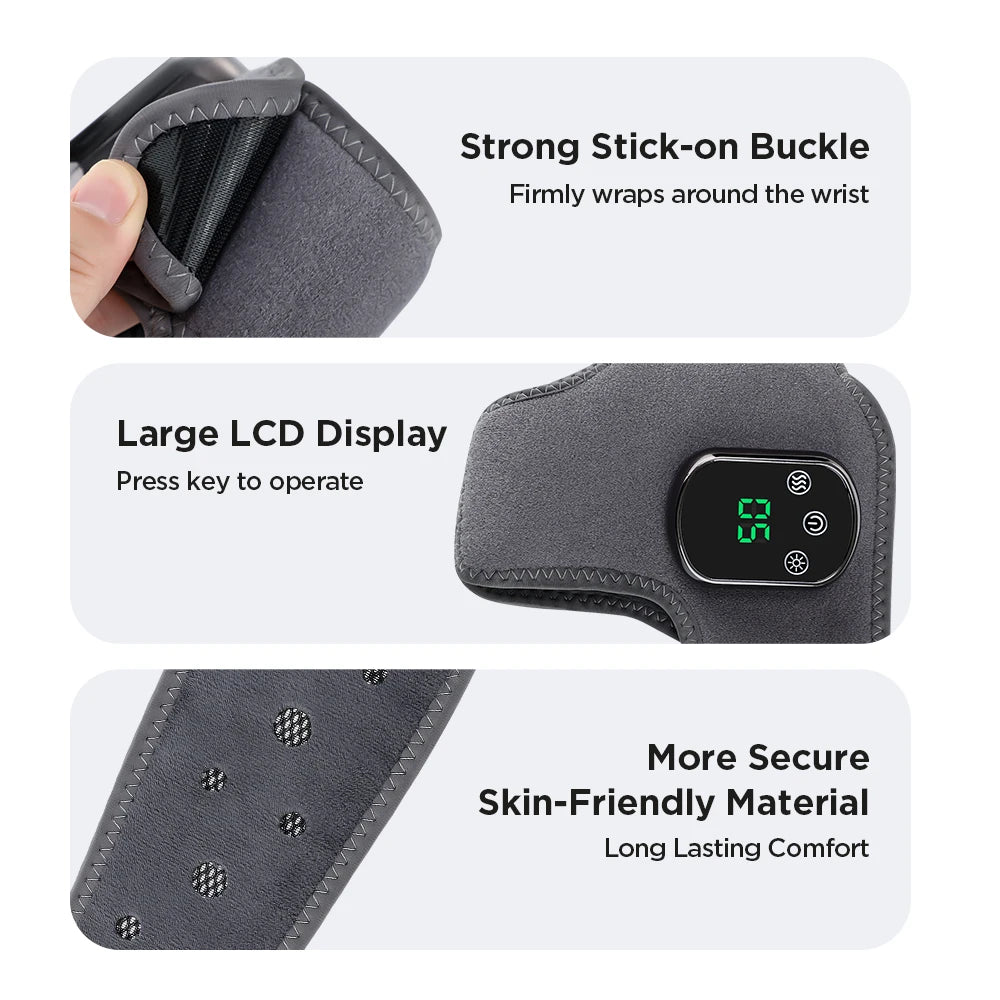
Some people also find that gentle warmth after exercise or a long workday helps them relax before bed. If you prefer a device-assisted recovery routine, the electric foot heat massager can be used alongside regular movement and stretching—it should complement, not replace, healthy daily habits.
Exploring wellness inspiration in the Beauty & Self-Care Blog can help you build sustainable routines that support long-term comfort and circulation.
Build a simple routine with regular movement, stretching, and recovery habits to keep your feet feeling lighter and more comfortable.
Frequently Asked Questions
What is the fastest way to improve ankle circulation?
The fastest approach combines several strategies: ankle pumps, a short walk, elevating your legs for 10–15 minutes, and wearing properly fitted compression if appropriate. Consistency throughout the day generally produces better results than relying on a single treatment.
How often should I do ankle circulation exercises?
For most people, performing simple ankle mobility exercises two to four times daily is beneficial. If you spend long periods sitting or standing, take movement breaks every 30–60 minutes to keep the calf muscles active.
Can poor ankle circulation be reversed naturally?
Circulation problems caused by inactivity or prolonged standing often improve with regular exercise, weight management, hydration, and other healthy lifestyle habits. However, circulation problems caused by underlying vascular disease require medical evaluation and treatment.
Are compression socks better than compression wraps?
Both can be effective. Compression socks provide even pressure over the lower leg and are often preferred for daily wear, while adjustable wraps allow customized support around the ankle. The best option depends on your comfort, fit, and healthcare provider's recommendations.
Does walking improve blood flow to the ankles?
Yes. Walking activates the calf muscles, which act as a natural pump to move blood back toward the heart. Even short walks throughout the day can help reduce stiffness and support healthy circulation.
Can dehydration cause poor circulation?
Dehydration may reduce blood volume and make circulation less efficient. Drinking adequate fluids throughout the day supports normal cardiovascular function and complements other healthy circulation habits.
Why are my ankles swollen at the end of the day?
Mild swelling commonly develops after prolonged standing or sitting because fluid accumulates in the lower legs. Elevation, movement breaks, and appropriate compression may help relieve ankle swelling at home. Persistent or worsening swelling should be assessed by a healthcare professional.
When should I see a doctor for poor ankle circulation?
Seek medical evaluation if you experience severe or persistent swelling, pain while walking that does not improve with rest, skin ulcers, significant color changes, one-sided swelling, numbness, or feet that remain unusually cold. These symptoms may indicate an underlying vascular condition requiring prompt treatment.
Related Articles:
- Smart Ankle Heat Massager Tutorial: Easy Steps to Relax Tired Feet
- Rechargeable Ankle Heat Wrap Guide: Quick Relief After Long Walks
- Infrared Ankle Massager Device: How to Soothe Pain in Minutes
- How to Use a Heated Ankle Vibration Massager for Maximum Relief
Pillar Articles:













