

Does a massager really help cold sensitive ankle joints?
Yes, an ankle massager can help relieve discomfort associated with cold sensitive ankle joints by combining targeted warmth, gentle compression, and massage techniques that support circulation and relaxation. A quality ankle massager for cold feet may help reduce the feeling of stiffness, improve comfort after activity, and support easier movement during colder months. While it does not treat underlying medical conditions, consistent use can be a practical addition to a cold-weather recovery routine.
⏱ 7 min read
Best Ankle Massager for Cold Feet (2026 Guide to Warmth & Circulation)
Cold sensitive ankle joints can affect everyday comfort—from stiff mornings and uncomfortable walks to lingering soreness after exercise. When temperatures drop, reduced blood flow, tighter muscles, and increased joint sensitivity can make ankles feel colder and less flexible. Choosing the right ankle massager can provide targeted heat and massage support to help restore warmth, relaxation, and mobility.
The best options typically combine features such as adjustable heat, compression, vibration, and ergonomic designs that fit around the ankle area. This guide compares the top features, explains the heated ankle massager benefits , and helps you understand which type may work best for circulation support, recovery, and daily comfort.
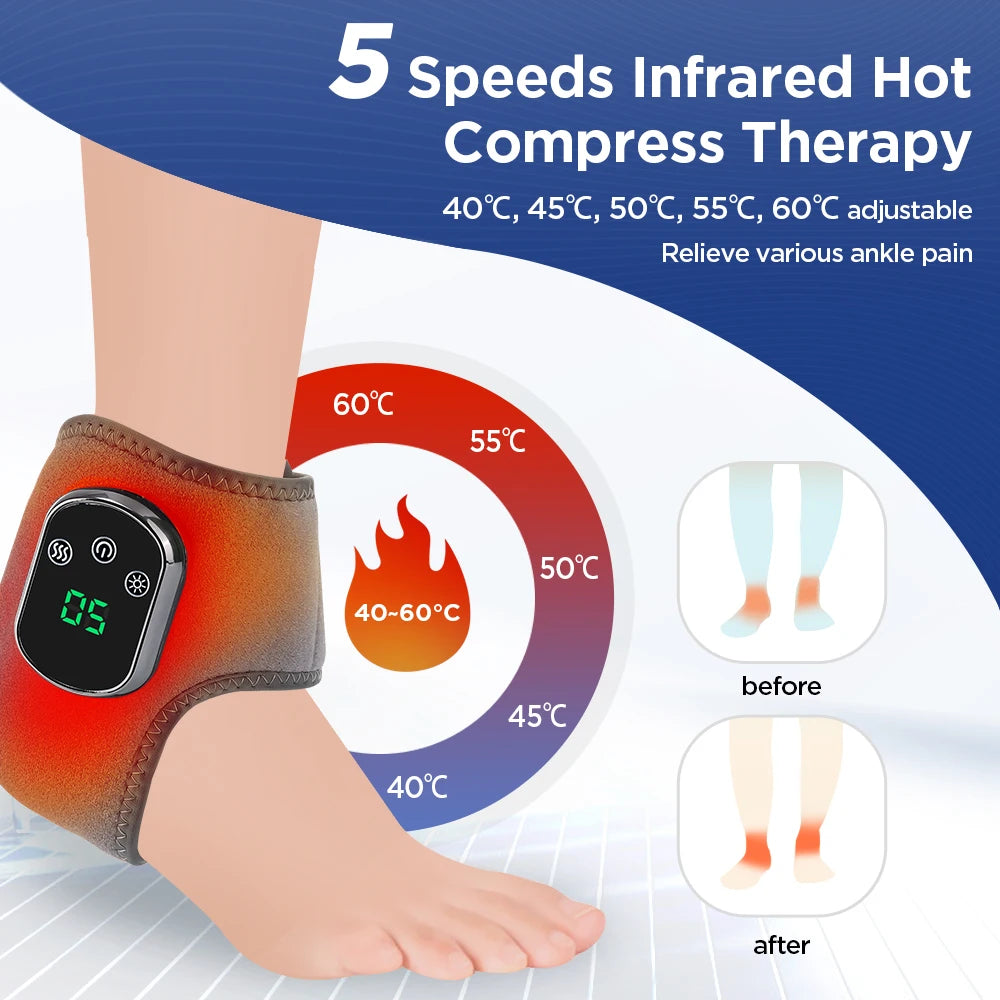
Cold sensitive ankle joints relief at home — See it in action
What Is the Best Ankle Massager for Cold Feet? (Quick Picks)
If your ankles frequently feel cold, stiff, or uncomfortable, the best ankle massager for circulation should match your main concern—whether that is warmth, recovery after exercise, muscle relaxation, or everyday comfort. Models with heat and compression generally provide more complete support than basic vibration-only devices because they address both temperature sensitivity and muscle tension.
Best Overall
Best choice: A heated compression ankle massager with adjustable intensity, full-wrap coverage, and multiple comfort settings.
This type works well for users who want an all-around solution for cold feet, ankle stiffness, and daily relaxation. The main advantage is the combination of gentle pressure and controlled warmth. The potential downside is that premium models may cost more and require more storage space than compact options.
Best for Circulation
Best choice: An ankle massager with heat therapy and rhythmic compression designed for users focused on improving comfort from cold sensitivity.
Compression-based designs can help create a massage effect around the ankle and lower leg, while heat helps provide a warming sensation. These models are ideal for people who spend long periods sitting or experience cold feet during winter. However, users should avoid excessive pressure if they have circulation-related medical concerns.
Best Heated Option
Best choice: A heated ankle massager with adjustable temperature levels and targeted warming zones.
Heat-focused models are useful for people whose main concern is ankle stiffness in cold weather. Adjustable settings allow users to choose a comfortable level instead of relying on a single temperature. The limitation is that heat alone may not provide the same muscle-relaxing effect as devices that also include compression or vibration.
Best Compression & Vibration
Best choice: A combination ankle massager that uses both compression and vibration for recovery support.
This option is suitable for people with sore ankles after exercise, walking, or standing for long periods. Vibration may help relax tired muscles, while compression adds a deeper massage sensation. The tradeoff is that combination devices may have more settings to adjust and may require learning the preferred intensity.
Best Budget Option
Best choice: A compact vibration-based ankle massager for occasional use.
Budget-friendly models can provide simple massage support without the added cost of advanced heating or compression technology. They are a practical option for users who want basic relaxation, although they may not deliver the same warming and circulation-focused benefits as higher-end heated models.
Comparison Table: Top Ankle Massagers for Cold Feet
Use this quick comparison to identify the most important features when choosing the best ankle massager for circulation , warmth, and recovery support.
- Heat Levels: Adjustable low, medium, and high settings allow personalized warmth for different comfort preferences.
- Massage Type: Options include compression, vibration, heat therapy, or combination systems for different needs.
- Best For: Choose based on whether your priority is cold feet relief, circulation support, muscle relaxation, or post-workout recovery.
- Portability: Rechargeable and lightweight designs offer easier daily use, while larger models may provide more coverage.
- Value: The best choice balances comfort features, durability, ease of use, and long-term usefulness.
Tip: If your primary concern is cold ankles caused by temperature sensitivity, prioritize a model that combines heat and compression rather than relying only on vibration. A combination approach typically provides a more complete experience for warmth and relaxation.
Do Ankle Massagers Really Help Cold Feet and Ankle Pain?
Yes, ankle massagers can help improve comfort for people experiencing cold feet ankle pain , stiffness, and tired muscles by combining warming sensations with massage techniques that encourage relaxation. The most effective designs typically use a combination of heat, compression, or vibration rather than relying on a single feature.
Heat Therapy
Heat is one of the main reasons heated ankle massagers feel beneficial during colder months. Gentle warmth can help relax surrounding muscles, reduce the sensation of stiffness, and make cold feet feel more comfortable. Many users prefer adjustable heat settings because they allow better control over temperature based on personal sensitivity.
However, heat therapy mainly supports comfort and relaxation. It does not correct underlying circulation problems or replace medical treatment for conditions that cause persistent cold feet.
Compression
Compression provides a gentle squeezing sensation around the ankle and lower leg area, which may support circulation and reduce feelings of heaviness after sitting or standing for long periods. This feature is especially useful in devices designed for recovery because it mimics the natural pressure changes that occur during movement.
For people researching heated ankle massager benefits , compression combined with warmth often provides a more complete experience than heat alone. Users should select adjustable pressure levels to avoid discomfort.
Vibration
Vibration massage helps relax tight muscles and may reduce the feeling of fatigue after walking, exercise, or extended periods on your feet. It can complement heat and compression by creating a more soothing massage experience around stiff ankles.
While vibration can improve comfort, it is not the same as targeted circulation therapy. The best choice depends on whether your priority is warmth, muscle relaxation, recovery, or daily mobility support.
Circulation Benefits
Ankle massagers may support circulation-related comfort by warming tissues, encouraging movement around the ankle area, and helping users relax tense muscles. This can be particularly helpful for people who experience cold sensitivity during winter or spend many hours sitting.
For the best results, use an ankle massager consistently as part of a broader routine that includes regular movement, stretching, and keeping feet warm. If cold feet are persistent, severe, or accompanied by other symptoms, it is important to seek professional medical advice.
Why Your Ankles Feel Cold (And Why It Gets Worse in Winter)
If you often wonder, “why do my ankles feel cold even when the room is warm?”, the cause may involve circulation, temperature sensitivity, muscle tension, or underlying health factors. Cold weather can make these sensations more noticeable because lower temperatures affect how your body maintains warmth and joint flexibility.
Poor Circulation
One of the most common cold ankles causes is reduced blood flow to the feet and lower legs. When circulation is limited, your ankles may feel colder than the rest of your body and may become stiff or uncomfortable after sitting for long periods.
Movement, warming techniques, and supportive devices such as heated ankle massagers may help improve comfort by encouraging relaxation and keeping the area warm.
Cold Weather Joint Stiffness
Cold temperatures can contribute to ankle stiffness in cold weather by causing muscles, tendons, and surrounding tissues to feel tighter. Many people notice that joints feel less flexible during winter mornings or after spending time outdoors.
Although cold weather does not damage healthy joints by itself, lower temperatures can make existing stiffness, soreness, or mobility issues feel more noticeable.
Nerve Sensitivity
Some people experience increased sensitivity to cold because of how their nerves respond to temperature changes. This can create sensations such as tingling, discomfort, numbness, or an unusually cold feeling around the ankles and feet.
If cold sensations occur frequently or affect daily activities, identifying the underlying cause is important before relying only on warming devices.
When to See a Doctor
Cold ankles are often caused by harmless factors such as low temperatures or inactivity, but persistent symptoms may require medical evaluation. Consider speaking with a healthcare professional if cold feet or ankles are accompanied by:
- Persistent numbness or loss of sensation
- Significant swelling, discoloration, or skin changes
- Severe pain that does not improve with rest
- Sudden changes in temperature sensitivity
- Symptoms related to circulation or nerve problems
Understanding the reason behind cold ankles helps you choose the right approach, whether that includes an ankle massager for cold feet, lifestyle changes, or professional guidance.
Key Features to Look for in the Best Ankle Massager for Circulation
Choosing the best ankle massager for circulation requires more than selecting the device with the most features. The right model should provide comfortable warmth, effective massage functions, a secure fit, and convenient daily use. Understanding each feature helps you find a device that matches your needs for cold feet, ankle stiffness, recovery, and overall comfort.
Heat Settings
Adjustable heat is one of the most important features for anyone looking for an ankle massager for cold feet. Multiple temperature levels allow you to choose a comfortable amount of warmth based on weather conditions and personal sensitivity.
Some heated models use infrared warming technology, which is designed to provide a deeper warming sensation around the treated area. The main benefit of heat is improved comfort, muscle relaxation, and reduced feelings of stiffness during colder periods. However, heat should always be used at a comfortable level to avoid excessive warmth or skin irritation.
Compression & Air Pressure
Compression systems use air pressure chambers or wrapping mechanisms to create a gentle squeezing massage around the ankle. This feature can help provide a more complete massage experience by supporting relaxation and reducing the feeling of tired, heavy legs after long periods of standing or sitting.
When comparing heated ankle massagers, look for adjustable compression intensity. Lower settings are better for beginners or sensitive users, while higher settings may provide a stronger massage sensation for people seeking deeper support.
Vibration & EMS
Vibration adds another layer of massage by helping relax tight muscles and improve comfort after activity. Devices that combine vibration with heat may be useful for people experiencing sore ankles after walking, exercise, or extended daily movement.
Some advanced ankle massage devices also include EMS (Electrical Muscle Stimulation) technology. EMS uses gentle electrical impulses to stimulate muscles and is designed for muscle activation and relaxation support. Users should follow manufacturer instructions carefully and consult a healthcare professional before using EMS devices if they have medical conditions or implanted electronic devices.
Fit, Size & Portability
A comfortable fit is essential because ankle massagers need consistent contact with the treatment area to work effectively. Wrap-style designs often provide better coverage around the ankle, while adjustable straps allow a more personalized fit.
Consider size, weight, storage requirements, and whether the device can be easily used at home, in an office, or while traveling. Rechargeable and compact models offer greater flexibility, while larger designs may provide additional coverage and more advanced features.
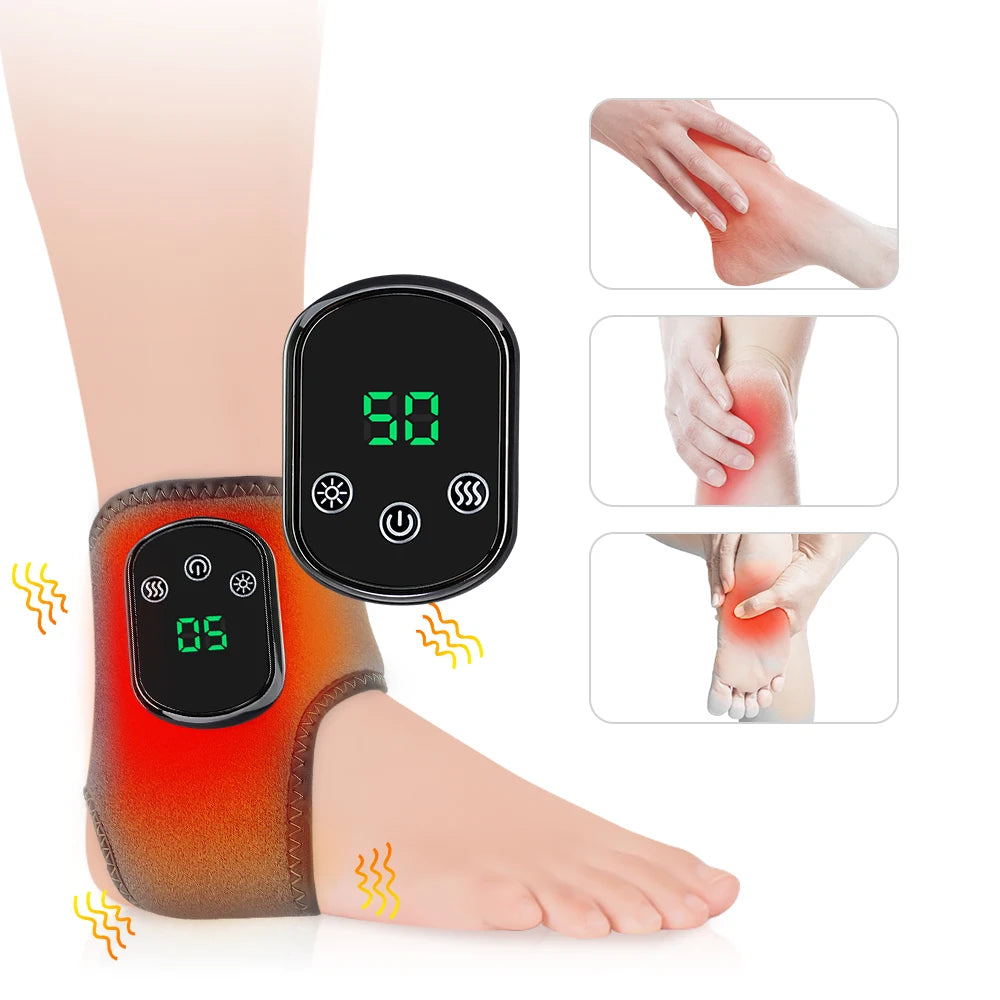
Targeted heat for cold weather joints — See it in action
How to Use an Ankle Massager for Best Results (Step-by-Step)
Using an ankle massager correctly helps maximize comfort, warmth, and relaxation while reducing the risk of overuse. Whether you are using one for cold feet, ankle stiffness, or recovery after activity, a consistent routine is more effective than occasional sessions.
- Start with a low heat and intensity setting: Begin with gentle warmth and massage pressure to allow your body to adjust. Increase intensity gradually based on comfort.
- Use for 15–20 minutes per session: Most users can benefit from short, regular sessions. Avoid extending use beyond the recommended time in the product instructions.
- Focus on consistent daily use during cold weather: Regular use may help maintain comfort when temperatures drop and cold sensitivity becomes more noticeable.
- Combine with light stretching and movement: Gentle ankle rotations, walking, or stretching after massage can support mobility and help improve ankle circulation naturally.
- Avoid overuse: Stop using the device if you experience discomfort, excessive pressure, skin irritation, or unusual symptoms.
Consistency is important when learning how to improve ankle circulation . An ankle massager works best as part of a broader routine that includes staying active, keeping feet warm, and supporting healthy movement habits.

Daily comfort for sore ankles after workout — See it in action
Alternatives to Ankle Massagers for Cold Feet Relief
Ankle massagers are not the only option for managing cold feet ankle pain or improving daily comfort. Depending on your needs, budget, and symptoms, other approaches may provide additional support or work well alongside massage devices.
Compression Socks
Compression socks provide gentle pressure around the feet and lower legs, making them a popular option for people who sit or stand for long periods. They are lightweight, easy to wear throughout the day, and may help support circulation-related comfort.
Compared with ankle massagers, compression socks provide continuous support but do not offer features such as heat, vibration, or targeted massage.
Foot Massagers
Foot massagers can be a useful alternative for people who experience discomfort beyond the ankle area. Many models focus on the soles, arches, and surrounding muscles, providing broader coverage than an ankle-specific device.
However, an ankle massager may be a better choice if your main concern is warmth and targeted support around the ankle joint.
Exercise & Stretching
Regular movement is one of the simplest ways to support ankle mobility and circulation. Activities such as walking, ankle rotations, calf stretches, and gentle mobility exercises can help reduce stiffness caused by inactivity.
Combining exercise with heat therapy or massage may provide better overall comfort, especially for people dealing with ankle stiffness in cold weather.
When Medical Care Is Needed
Home solutions may help with occasional cold sensitivity, but some symptoms require professional evaluation. Seek medical advice if cold feet or ankle discomfort occurs with:
- Persistent numbness or tingling
- Severe or worsening ankle pain
- Unexplained swelling or skin color changes
- Signs of circulation or nerve problems
- Symptoms that interfere with normal daily activities
The best approach depends on the cause of your symptoms. Lifestyle habits, warming methods, and supportive devices can all play a role, but ongoing or unusual symptoms should be evaluated by a healthcare professional.
FAQ: Ankle Massagers for Cold Feet and Circulation
Why do my ankles feel cold even indoors?
If you often wonder, “why do my ankles feel cold even when the rest of my body feels warm?”, common causes include reduced circulation, temperature sensitivity, inactivity, or nerve-related responses. Keeping your feet warm, staying active, and using supportive tools such as an ankle massager may help improve daily comfort.
Do cold temperatures affect joints?
Yes, cold temperatures can affect how joints feel. Lower temperatures may cause muscles and surrounding tissues to become tighter, which can increase the sensation of stiffness and reduce flexibility. This is why many people notice more ankle stiffness in cold weather , especially in the morning or after spending time outdoors.
How can I improve ankle circulation quickly?
To support ankle circulation, combine movement with warming techniques. Walking, gentle ankle stretches, keeping your feet warm, and using a heated ankle massager can help improve comfort. For long-term circulation support, maintaining regular physical activity and healthy lifestyle habits is important.
Are heated ankle massagers safe?
Most heated ankle massagers are safe when used according to the manufacturer’s instructions. Start with lower heat and intensity settings, and avoid excessive use that causes discomfort or skin irritation.
People with diabetes, circulation disorders, nerve conditions, implanted electronic devices, recent injuries, or unexplained swelling should consult a healthcare professional before using heat, compression, vibration, or EMS-based devices.
Can I use an ankle massager every day?
Yes, many people can use an ankle massager daily as part of a relaxation and recovery routine. Short sessions of around 15–20 minutes are commonly used for comfort and mobility support. Always follow the device guidelines and adjust intensity based on how your body responds.
Do ankle massagers help after workouts?
Yes, ankle massagers may help people with sore ankles after exercise by providing warmth, vibration, or compression that supports muscle relaxation and recovery. They can be especially useful after walking, running, standing for long periods, or other activities that place stress on the lower legs.
What is the best ankle massager for circulation?
The best ankle massager for circulation depends on your needs. Models with adjustable heat and compression are often preferred because they combine warming and massage functions. If you mainly want relaxation after activity, vibration features may also be useful.
Can a heated ankle massager improve cold feet?
A heated ankle massager can help cold feet feel warmer by providing external heat and promoting relaxation. While it does not treat medical causes of cold feet, it may improve comfort when cold sensitivity is related to weather, inactivity, or temporary stiffness.
Why do my ankles feel cold but the rest of my body is warm?
Your ankles may feel colder than the rest of your body because they are farther from the heart and may respond more noticeably to changes in blood flow, temperature, or nerve sensitivity. Persistent cold sensations should be evaluated if they occur with pain, numbness, or skin changes.
Do compression ankle massagers improve blood flow?
Compression ankle massagers may support circulation comfort by creating gentle pressure around the ankle area. They can help users feel less stiff or heavy after sitting or standing for extended periods, but they should not replace medical treatment for circulation disorders.
Are ankle massagers safe for people with diabetes?
People with diabetes should speak with a healthcare professional before using ankle massagers, especially if they have reduced sensation, circulation concerns, or nerve-related complications. Reduced sensitivity may make it harder to notice excessive heat or pressure.
How long should I use an ankle massager each day?
Many users find that 15–20 minute sessions provide comfortable support. The ideal duration depends on the device, settings, and individual needs. Avoid longer sessions if you experience discomfort or irritation.
What’s the difference between vibration, compression, heat and EMS?
Heat provides warmth and relaxation, compression creates a gentle squeezing massage sensation, vibration helps relax muscles, and EMS uses mild electrical stimulation to activate muscles. Combination devices offer multiple approaches, but users should choose features based on comfort goals and safety considerations.
For more wellness tools, explore our Body Care and Health Devices collection.
Related Articles:
- Portable Heated Ankle Massager Guide: Ideal for On-the-Go Recovery
- Ankle Fatigue Long Standing? Best Products for All-Day Relief
Pillar Articles:













