

⏱ 5 min read
Sore Ankles After Walking Relief: Causes, Fast Fixes & Best Massagers
Sore ankles after walking are common after long periods of standing, extended walks, hiking, travel, or wearing unsupportive shoes. In many cases, the discomfort is related to temporary muscle fatigue or overuse and improves with appropriate self-care. This guide explains the most common ankle pain after walking causes, how to relieve sore ankles after walking safely, when symptoms may indicate a more serious injury, and which recovery tools can complement—not replace—a complete recovery plan.
Why Do My Ankles Hurt After Walking?
If you're wondering why your ankles hurt after walking, the answer often depends on your recent activity, footwear, walking surface, and foot mechanics. Mild soreness commonly develops after increased activity because the muscles, tendons, and supporting tissues around the ankle absorb thousands of repetitive impacts. While temporary soreness usually improves within a day or two, severe pain, inability to bear weight, or significant swelling should be evaluated by a healthcare professional.
Overuse or Walking Long Distances
One of the most common ankle pain after walking causes is simply doing more than your body is accustomed to. Long sightseeing days, hiking, running errands, or standing through an entire work shift can overload the muscles and tendons that stabilize the ankle. This type of soreness often feels like a dull ache that gradually improves with rest, gentle movement, and recovery.
Poor-Fitting or Unsupportive Footwear
Footwear plays a major role in ankle comfort. Shoes with worn cushioning, poor arch support, or improper fit increase stress on the ankle joint and surrounding soft tissues. This is a frequent reason for foot and ankle pain after standing all day, especially on hard floors.
Hard Surfaces, Uneven Ground, and Walking Mechanics
Concrete sidewalks, pavement, and uneven trails place different demands on your ankles than softer surfaces. Walking with excessive inward or outward foot rolling, shortened stride length, or poor balance can also increase strain over time, particularly during long-distance walking.
Tendon, Ligament, or Muscle Irritation
Repeated activity may irritate the tendons, ligaments, or muscles surrounding the ankle. Mild irritation often causes tenderness, stiffness, or discomfort during movement. Sudden sharp pain, noticeable instability, or rapid swelling after a twist or fall may suggest an injury rather than simple overuse and deserves prompt medical assessment.
Flat Feet, High Arches, or Other Biomechanical Factors
Everyone distributes walking forces differently. Flat feet, high arches, limited ankle mobility, or other biomechanical differences can concentrate pressure on certain structures, making some people more likely to experience sore ankles after walking, particularly during longer or more demanding activities.
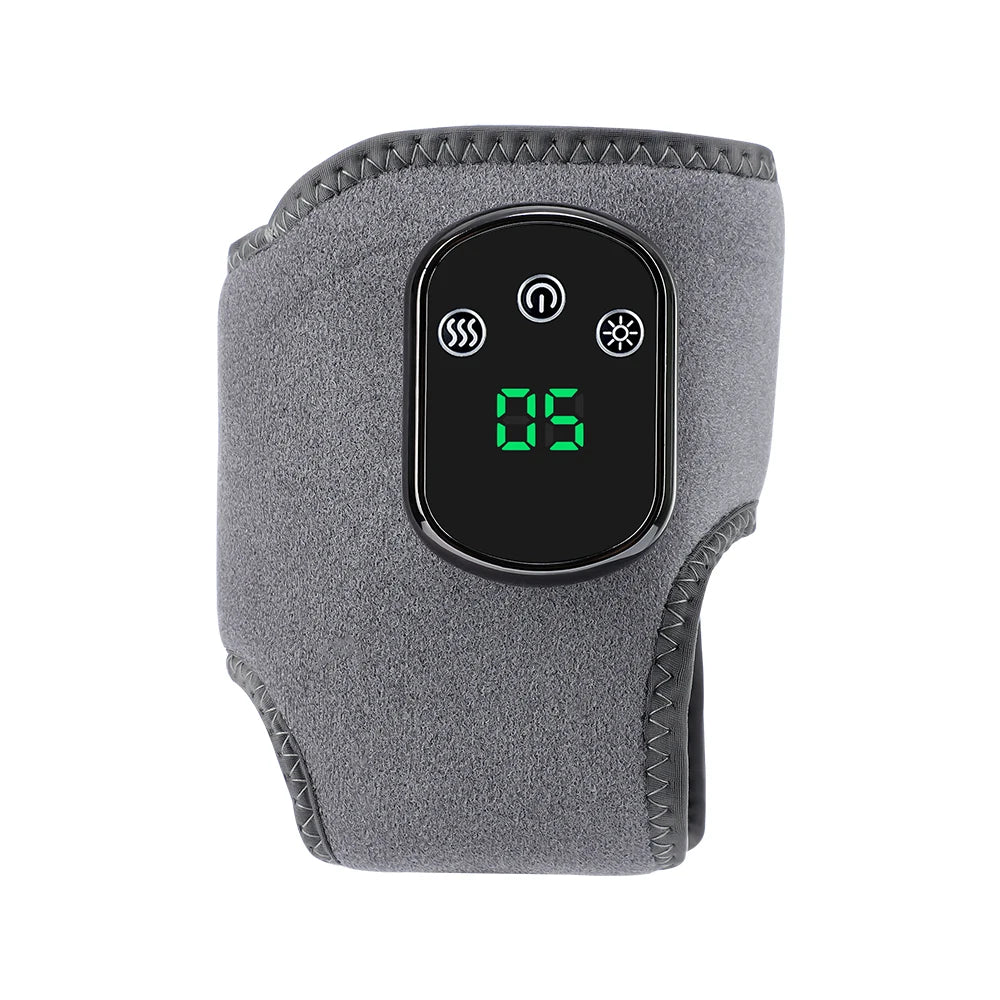
Portable electric massagers may help relieve muscle tightness and post-walking fatigue as part of a broader recovery routine.
Common Symptoms of Sore Ankles After Walking
Not every sore ankle feels the same. Recognizing your symptom pattern can help you decide whether simple home care is appropriate or whether your symptoms may require medical evaluation.
Dull Ache, Tenderness, or Burning
A dull ache or mild tenderness is often associated with muscle fatigue or overuse after prolonged walking. Some people also notice a mild burning sensation around tired muscles that gradually settles with rest and recovery.
Stiffness After Walking or Standing
Stiffness commonly develops after spending hours on your feet. It often feels worse after sitting briefly but usually improves as the ankle gently warms up through comfortable movement.
Swelling Around the Ankle
Mild swelling may occur following extended activity because of temporary inflammation or fluid accumulation. Swelling that becomes severe, develops suddenly after an injury, or continues to worsen should not be assumed to be simple overuse.
Sharp Pain or Pain With Movement
Sharp pain during walking, turning, or pushing off may indicate irritation of a tendon, ligament, or another structure that deserves closer attention. Persistent or worsening sharp pain is less typical of routine post-exercise soreness.
Foot and Ankle Pain After Standing All Day
Standing for long hours increases cumulative stress on the feet and ankles, especially on hard surfaces. Symptoms often include aching, heaviness, fatigue, and mild stiffness that improve after supportive footwear, elevation, and appropriate recovery measures.
How to Relieve Sore Ankles After Walking (Fast Relief Guide)
Immediate Relief (First 30 Minutes)
If your ankles become sore shortly after walking, the first goal is to reduce irritation without making the joint stiff. The most appropriate approach depends on whether your symptoms are mainly fatigue, swelling, or a recent twist.
- Stop or reduce the activity that triggered the pain.
- Elevate the affected ankle above heart level if mild swelling develops.
- Apply gentle compression if it feels comfortable and does not increase pain or numbness.
- Use a cold pack for 15–20 minutes when swelling or acute irritation is present. Avoid placing ice directly on the skin.
Same-Day Recovery Methods
As acute discomfort settles, gentle movement often helps prevent stiffness and encourages a comfortable range of motion.
- Perform slow ankle circles or ankle alphabet exercises within a pain-free range.
- Wear supportive footwear instead of walking barefoot on hard surfaces.
- Consider a portable electric massager on a low setting if soreness is muscular rather than caused by a recent injury.
- Use gentle warmth after swelling has improved if stiffness or muscle tightness is your primary symptom.
Next-Day Recovery Tips
Most mild overuse soreness gradually improves over the next day when activity is adjusted appropriately.
- Stretch the calf muscles and ankle gently without forcing the movement.
- Reduce walking distance temporarily before returning to your usual routine.
- Use compression sleeves during longer periods of standing if they improve comfort.
- Continue light massage or mobility work only if symptoms continue to improve.
Best At-Home Treatments for Ankle Soreness
Elevation and Compression for Swelling
Elevation and compression can be helpful when mild swelling accompanies overuse. They are most beneficial during the early recovery period but are not necessary for every case of ankle soreness. If compression increases discomfort, loosen or remove it.
Heat vs Cold Therapy: Which Should You Use?
Choosing between heat and cold depends on your symptoms rather than using one method for every situation.
- Cold therapy: Best for recent swelling, inflammation, or soreness after unusually strenuous activity.
- Heat therapy: Better suited for muscle tightness, stiffness, or lingering discomfort once significant swelling has subsided.
Gentle Stretching and Mobility
Simple mobility exercises can reduce stiffness and help restore normal movement. Gentle ankle circles, calf stretches against a wall, and controlled ankle flexion exercises are often well tolerated. Stop immediately if stretching produces sharp pain or increasing swelling.
Massage for Ankle Pain Relief
Massage for ankle pain relief may help relax tight muscles surrounding the ankle and improve comfort after prolonged walking. Gentle massage is generally more appropriate than deep pressure during the first stages of recovery. Avoid massage over areas with significant swelling, bruising, suspected fractures, open wounds, or severe unexplained pain until evaluated by a healthcare professional.
Do Ankle Massagers Help With Sore Ankles After Walking?
What Ankle Massagers May Help With
Electric ankle massagers can provide temporary comfort by promoting relaxation of surrounding muscles, reducing the sensation of stiffness, and helping some users recover after long periods of walking or standing. Adjustable vibration and gentle heat may be useful for muscle fatigue when used as part of an overall recovery routine.
- May reduce muscle tightness after walking
- Can improve short-term comfort and relaxation
- May help ease post-activity stiffness
- Offers targeted massage with adjustable intensity
What They Cannot Diagnose or Treat
Even the best ankle massager for pain relief cannot diagnose the cause of ankle pain or treat conditions such as fractures, severe ligament sprains, tendon tears, or inflammatory joint diseases. If symptoms are severe or continue to worsen, professional medical assessment is more appropriate than continued self-treatment.
Who Should Use Extra Caution
Use massage devices conservatively if you have significant swelling, numbness, reduced sensation, circulatory disorders, recent surgery, or an acute ankle injury. Start with the lowest comfortable intensity, discontinue use if symptoms worsen, and seek medical advice if you experience persistent pain, inability to bear weight, or increasing swelling.
Top Massagers for Ankle Relief
If home recovery measures are not providing enough comfort, an ankle massager may be a useful addition to your routine. The best ankle massager for pain relief depends on your symptoms, preferred massage style, portability needs, and desired features. These devices are intended to improve comfort from post-walking muscle fatigue and stiffness—they should not be considered a substitute for medical evaluation when pain is severe, persistent, or follows an acute injury.
| Model | Type | Key Features | Best For | Considerations |
|---|---|---|---|---|
| Elite Ankle Vibrator | Portable Vibrating Massager | Adjustable vibration, optional heat, lightweight design | Post-walking muscle fatigue and everyday portability | ❌ Short battery life during frequent use |
| ThermaFoot Pro | Handheld Massager with Heat | Deep vibration massage, adjustable heat settings | Targeting larger calf and ankle muscle groups | ❌ Slightly bulkier for travel |
| Ankle Comfort Wrap | Adjustable Ankle Support | Compression wrap with gentle warmth | Mild swelling and supportive daily wear | ❌ Provides support rather than deep massage |
When comparing an ankle massager for sore ankles, prioritize adjustable intensity, a comfortable fit, easy positioning around the ankle, and automatic shutoff features. These factors often have a greater impact on day-to-day usability than maximum massage strength alone.
Benefits & Feature Comparison
Different recovery tools address different symptoms. Choosing the right feature depends on whether your primary concern is muscle fatigue, stiffness, swelling, or general post-walking discomfort.
- Portable Electric Massager: Adjustable vibration and optional heat may help reduce muscle tightness and improve comfort after prolonged walking or standing.
- Handheld Massager with Heat: Covers a larger treatment area and may be useful for tight calf muscles that contribute to ankle discomfort.
- Adjustable Ankle Support: Offers gentle compression and stability during recovery or daily activities without providing active massage.
Look for features such as adjustable intensity, breathable materials, secure fastening, lightweight construction, and comfortable heat settings. Devices that allow gradual intensity increases are often better suited for sensitive or fatigued muscles.
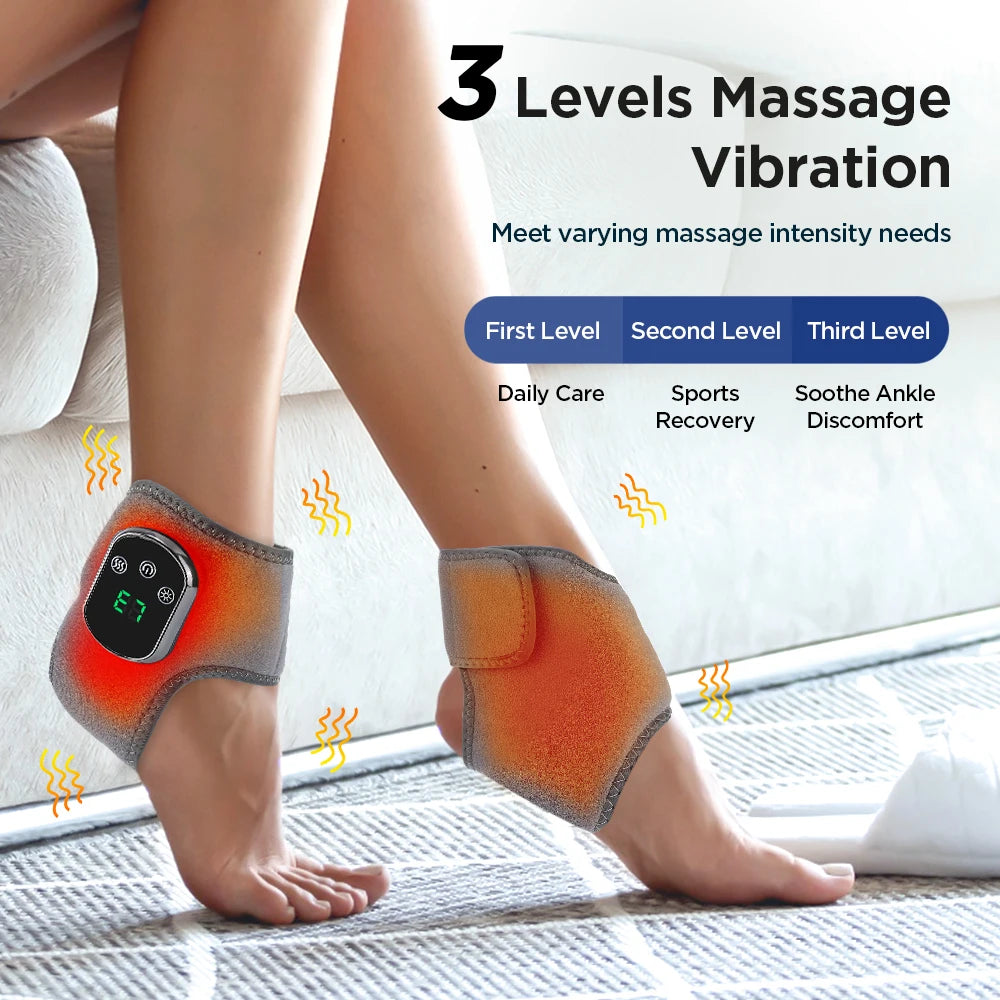
Compare massage modes, heat, compression, comfort, and adjustability to choose the recovery tool that best matches your symptoms.
How to Use Your Massager for Maximum Relief
Start With the Lowest Comfortable Intensity
Position the device securely around the ankle and begin with the gentlest setting. Increase intensity gradually only if it remains comfortable throughout the session.
Use Short Sessions and Assess Your Response
Most users find that 10–15 minute sessions are sufficient for post-walking recovery. Monitor how your ankle feels over the next several hours before increasing treatment frequency.
Pair Massage With Gentle Mobility
Massage works best alongside gentle ankle mobility exercises, stretching, supportive footwear, and appropriate activity modification rather than as a standalone solution.
Stop if Pain, Swelling, or Numbness Worsens
Discontinue use if massage increases pain, swelling, numbness, or instability. Persistent or worsening symptoms should be evaluated by a healthcare professional instead of continuing self-treatment.
How to Prevent Sore Ankles After Walking
Choose Supportive Walking Shoes
Supportive footwear is one of the most effective ways to reduce recurring ankle discomfort. Choose walking shoes that provide adequate cushioning, a secure heel fit, and appropriate arch support for your foot type. Replace shoes once the midsoles or outsoles show significant wear, as worn footwear absorbs less impact and may increase stress on the ankles.
Increase Walking Distance Gradually
One of the leading causes of ankle pain from walking long distance is increasing activity too quickly. Build distance and duration progressively so muscles, tendons, and ligaments have time to adapt. If you notice soreness after a longer walk, reduce your next session slightly before gradually increasing again.
Vary Hard Surfaces and Uneven Terrain
Walking exclusively on concrete or pavement increases repetitive impact on the feet and ankles. When possible, alternate between softer walking surfaces such as tracks or well-maintained trails. On uneven terrain, shorten your stride and pay attention to foot placement to reduce the risk of excessive ankle strain.
Improve Walking and Ankle Strength
Strong lower-leg muscles help stabilize the ankle during everyday activities. Incorporating calf raises, balance exercises, gentle ankle mobility drills, and regular stretching into your weekly routine can improve stability and reduce the likelihood of recurrent soreness.
Use Compression or Support When Appropriate
Compression sleeves or supportive ankle braces may improve comfort during long work shifts, travel, or extended walks, particularly if you have experienced mild overuse soreness in the past. They should complement—not replace—appropriate footwear, strength training, and sensible activity progression.
When to See a Doctor for Ankle Pain
Most mild soreness from increased activity improves with self-care over several days. However, persistent or worsening symptoms may indicate an injury or medical condition that requires professional assessment.
- Severe or rapidly increasing swelling
- Pain that persists for several days despite reducing activity
- Difficulty walking or inability to bear weight
- Visible deformity or instability after an injury
- Persistent inflammation, numbness, or repeated episodes of ankle pain
Early evaluation can help identify conditions such as significant ligament sprains, tendon injuries, stress fractures, or other causes of ongoing ankle pain, allowing appropriate treatment and a safer return to activity.
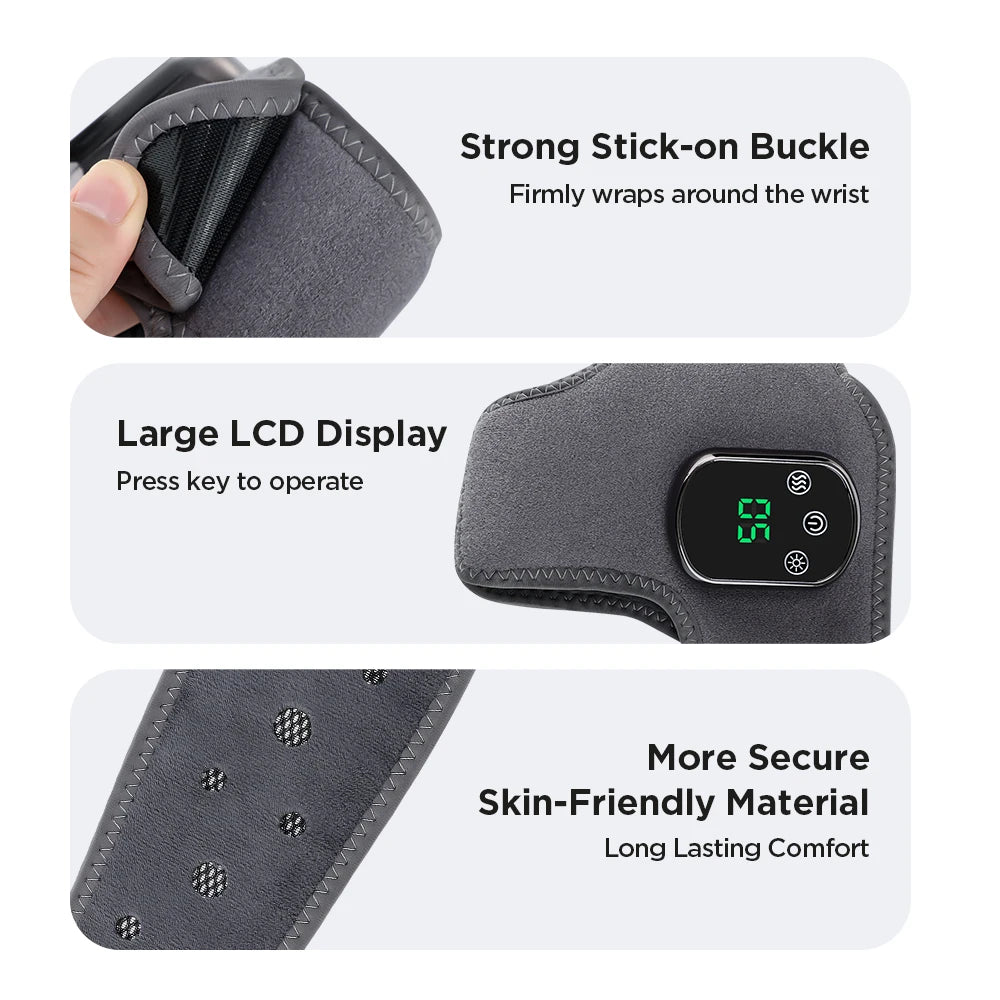
Using an ankle massager with appropriate settings may complement stretching, supportive footwear, and gradual activity progression as part of a balanced recovery routine.
Frequently Asked Questions About Sore Ankles After Walking
Why do my ankles hurt after walking?
The most common causes include overuse, walking longer than your body is accustomed to, unsupportive footwear, hard walking surfaces, muscle or tendon irritation, and biomechanical factors such as flat feet or high arches. Persistent, severe, or recurring pain should be evaluated by a healthcare professional to rule out a more significant injury.
How do I relieve sore ankles after walking?
For mild activity-related soreness, reduce the activity that triggered the pain, elevate the ankle if swelling is present, use cold therapy during the first day for noticeable inflammation, and switch to gentle heat if stiffness becomes the primary issue. Light mobility exercises, supportive footwear, and carefully applied massage may also improve comfort during recovery.
How do I reduce ankle inflammation quickly?
If your ankle is swollen after walking, elevate it above heart level when possible, apply a cold pack for 15–20 minutes at a time, consider light compression if comfortable, and avoid activities that worsen symptoms. If swelling is severe, rapidly increasing, or accompanied by significant pain or inability to bear weight, seek medical assessment promptly.
Can walking long distances cause ankle pain?
Yes. Walking farther than your current fitness level, especially on concrete, uneven terrain, or while wearing worn-out shoes, can overload the muscles, tendons, and ligaments around the ankle, resulting in temporary soreness or fatigue.
How long should sore ankles last after walking?
Mild overuse soreness often improves within 24 to 72 hours with relative rest and appropriate self-care. If pain persists beyond several days, repeatedly returns after routine walking, or progressively worsens, professional evaluation is recommended.
Can massage help sore ankles after walking?
Massage can help relieve muscle tightness, reduce perceived soreness, and promote relaxation after walking. Manual massage and a portable electric massager may provide temporary symptom relief, but they are not a substitute for diagnosing or treating ligament injuries, fractures, or other underlying medical conditions.
When should I see a doctor for ankle pain?
Arrange medical evaluation if you cannot bear weight, notice severe swelling or deformity, develop numbness, experience pain following a significant injury, or if symptoms continue despite several days of appropriate home care.
Are portable electric massagers safe for sensitive skin or older adults?
Most quality devices are designed with adjustable intensity settings and can be used safely when instructions are followed. Start with the lowest comfortable setting, monitor your skin during use, and discontinue treatment if discomfort, irritation, or worsening symptoms develop.
Where can I find reliable ankle recovery devices?
Browse our Body Care and Health Devices collection for recovery tools designed to support post-walking comfort and everyday muscle relaxation.
Related Articles:
- Portable Electric Massager Showdown: Find Your Ideal Ankle Relief
- Heat and Vibration Pad Reviews: Best Options for Sore Ankles
- Auto Shut Off Massagers: Safety and Comfort in Everyday Use
- Vibration Massage Benefits: Which Heated Pads Ease Ankle Pain Most
- Infrared Heat Benefits Explained: Which Foot Massager Works Best
Pillar Articles:













