

Does a foot spa bath massage really relieve leg cramps and pain?
Answer: Yes— leg cramps massage can help relieve common muscle cramps by relaxing tight muscle fibers and reducing discomfort. Warm water and gentle massage from a heated foot spa may further improve comfort after a cramp has started, but they do not treat every underlying cause of leg pain or recurring muscle cramps.
⏱ 7 min read
Leg Cramps Massage: Step-by-Step Techniques to Relieve Pain Fast
A sudden calf cramp can stop you in your tracks. This guide explains exactly how to perform a safe calf cramps massage , when stretching works better than massage, and how supportive recovery methods—including a heated foot bath—may help reduce muscle tightness after the cramp has eased.
What Causes Leg Cramps?
Leg cramps are sudden, involuntary muscle contractions that usually last from a few seconds to several minutes. They commonly affect the calf muscles but may also occur in the feet or thighs.
Common Causes
- Muscle fatigue after exercise or prolonged standing
- Long periods of sitting or inactivity
- Dehydration or excessive sweating
- Electrolyte imbalance in some situations
- Nighttime muscle tightening during sleep
- Pregnancy, certain medications, or aging
Because leg cramps have multiple possible causes, massage should be viewed as a method for symptom relief rather than a cure for every underlying condition.
Calf Cramps Massage: What to Do First for Fast Relief
Stop the Activity and Relax the Muscle
If a calf cramp begins while walking or exercising, stop immediately. Slowly straighten the leg and gently pull your toes toward your shin to lengthen the calf muscle. Avoid sudden movements that may worsen the spasm.
Gentle Massage During an Active Cramp
A massage for leg cramps should begin gently. During an active cramp, the muscle is already contracting forcefully, so aggressive pressure can increase discomfort.
- Place both hands around the calf.
- Use light strokes from the ankle toward the knee.
- Gradually increase pressure only as the muscle begins relaxing.
- Avoid pressing directly into the most painful knot.
- Continue for one to three minutes.
When to Use Stretching Instead of Massage
If every touch makes the pain worse, begin with gentle stretching first. Once the muscle relaxes slightly, add light massage to help ease lingering tightness.
Why Massage May Help Calf and Leg Cramps
How Massage May Relax a Cramped Muscle
Massage applies gentle mechanical pressure that may help muscles relax after an involuntary contraction. Many people also find that slow rhythmic strokes reduce the sensation of tightness.
Massage, Blood Flow, and Muscle Tension
Massage may temporarily improve local circulation while decreasing muscle stiffness. These effects can improve comfort, but they should not be interpreted as treatment for circulation disorders or other medical conditions.
What Massage Cannot Treat
Massage cannot treat blood clots, nerve disorders, serious electrolyte abnormalities, fractures, or other causes of persistent leg pain. Recurrent cramps deserve further evaluation when self-care is not enough.
How to Massage a Calf Cramp Step by Step
Step 1: Start With Light Strokes
Use the palm of your hand to glide upward from the ankle toward the knee for 30 to 60 seconds.
Step 2: Apply Gradual Kneading Pressure
Once the muscle softens, gently knead the calf using your thumbs while supporting the leg with your fingers. Pressure should always remain comfortable.
Step 3: Work Around Tight Areas
Massage the surrounding muscle instead of digging directly into the most painful point. Expanding the treatment area often feels more comfortable.
Step 4: Finish With Gentle Strokes
Complete the massage with slow upward strokes followed by a gentle calf stretch. Stop immediately if pain becomes sharp, radiates, or continues to worsen.
Calf Massage Techniques for Different Situations
During a Nighttime Calf Cramp
Stretch the calf first, then massage lightly for one to three minutes before returning to bed. Avoid vigorous rubbing that may reactivate the cramp.
After Exercise or Physical Activity
After strenuous exercise, combine light walking, stretching, hydration, and gentle massage. If desired, soaking your feet in warm water or using the KentDO Ionic Detox Foot Bath may provide additional relaxation.
For Lingering Tightness After a Cramp
If soreness remains for several hours, perform another brief massage later in the day instead of repeated deep-tissue sessions.
Foot Massage for Cramps: Can It Help?
How to Massage Foot Cramps Step by Step
- Sit comfortably with one foot resting across the opposite thigh.
- Massage the arch using slow circular thumb movements.
- Work across the sole from heel toward the toes.
- Gently stretch each toe.
- Finish with long strokes across the bottom of the foot.
Foot Massage for Cramps vs Calf Massage
Foot massage works best when the cramp begins in the arch or foot muscles. Calf massage is generally more effective when the calf muscle itself is tightening. Many people benefit from combining both techniques.
Reflexology for Leg Cramps: What to Know
Reflexology is considered a complementary practice. Some individuals report symptom relief, but current evidence is limited, so it should not replace established self-care or medical treatment.
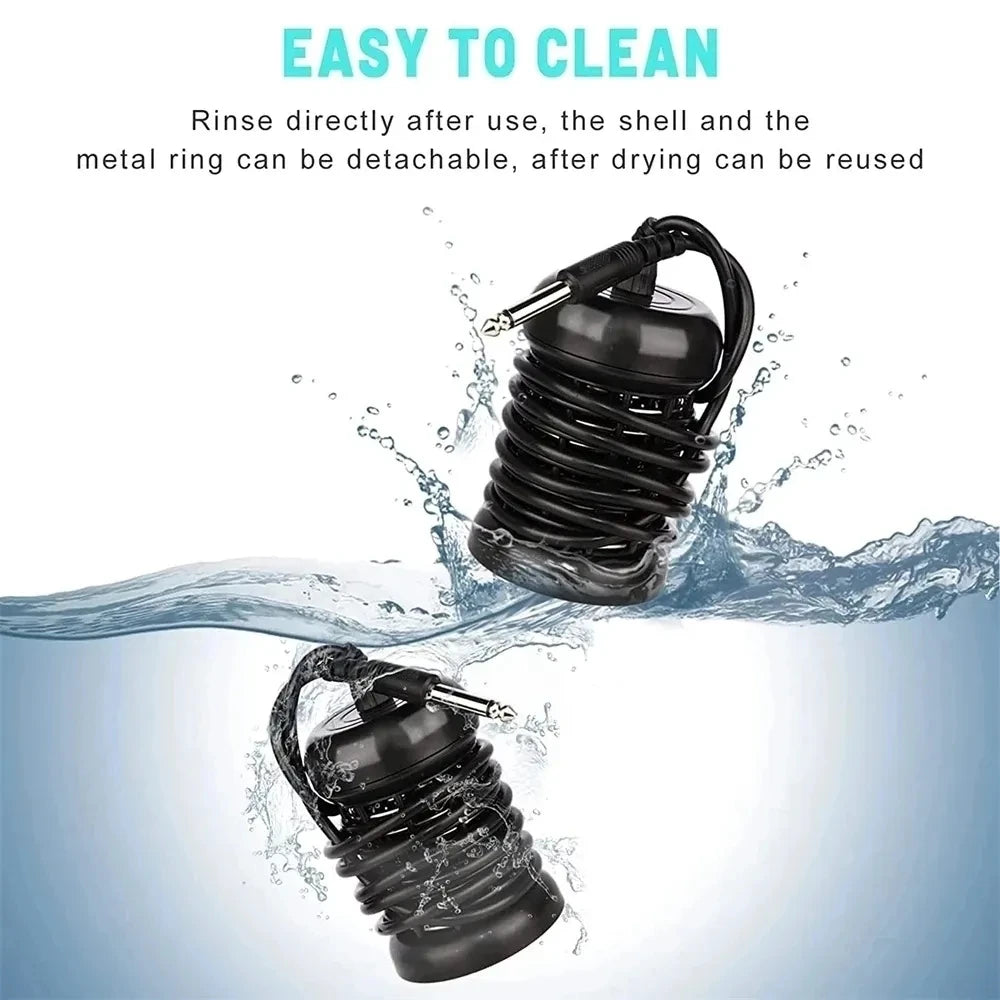
Leg cramps and pain—warm foot soaking may complement gentle massage during recovery. See the KentDO Ionic Detox Foot Bath .
Massage, Stretching, and Other Ways to Relieve a Calf Cramp
When Gentle Stretching May Help
Stretching is often the first step during an active cramp because it lengthens the contracted muscle. Massage usually becomes more comfortable after the muscle begins relaxing.
Heat and Cold: When Each May Be Useful
Heat often feels soothing while the muscle is tight. If soreness develops afterward, a cold pack may help reduce discomfort for some people.
Hydration and Electrolytes: What They Can and Cannot Do
Replacing fluids after heavy sweating supports normal muscle function, but hydration alone cannot prevent every episode of leg cramping.
Preventing Recurring Calf and Leg Cramps
Build a Regular Calf Stretching Routine
Stretch your calves daily, especially before bed and after exercise.
Review Activity, Hydration, and Recovery
Increase exercise gradually, recover adequately between workouts, and maintain consistent hydration throughout the day.
Use Gentle Massage for Muscle Recovery
Light massage after physical activity may help reduce muscle tightness and support recovery. Pair massage with appropriate leg stretching exercises and strategies for muscle recovery after exercise . If you regularly experience calf muscle pain , identifying contributing factors is equally important.
When Calf Cramps Need Medical Attention
Cramps That Keep Returning or Worsen
Consult a healthcare professional if cramps become increasingly frequent, severe, or interfere with daily life despite home treatment.
Swelling, Redness, Weakness, or Other Concerning Symptoms
Seek prompt medical care if cramps occur with swelling, redness, warmth, weakness, numbness, fever, or sudden severe pain.
When Massage Is Not the Right First Step
Do not massage a leg with suspected fracture, infection, deep vein thrombosis, severe injury, or unexplained swelling until a medical professional has evaluated it.
Common Calf Massage Mistakes to Avoid
Using Too Much Pressure Too Soon
Deep tissue pressure during an active cramp may increase pain instead of relieving it.
Massaging Through Sharp or Unusual Pain
If massage produces sharp, worsening, or radiating pain, stop immediately and reassess the situation.
Relying on Massage Without Addressing Recurring Cramps
Massage provides temporary symptom relief for many people, but recurring cramps should also be evaluated for possible underlying causes.
FAQ: Calf Cramps Massage and Relief
How long should you massage a calf cramp?
Massage gently for one to five minutes or until the muscle relaxes comfortably.
Is massage effective for nighttime leg cramps?
Yes. Gentle massage combined with stretching often provides short-term relief for nighttime cramps.
Should you massage a cramp or stretch it?
Start with gentle stretching. Add massage once the muscle begins relaxing.
Can foot massage help leg cramps?
Yes. Foot massage may complement calf massage, especially when tightness starts in the foot or arch.
Is heat or cold better for a calf cramp?
Heat is generally preferred during muscle tightening, while cold may be useful if soreness develops afterward.
When should you avoid massaging a calf cramp?
Avoid massage if you have severe swelling, redness, suspected injury, infection, or symptoms that may indicate a more serious medical condition.
Pillar Article: Poor Circulation in Feet: Which Foot Baths Deliver Real Relief
Other Related Articles:
Explore More:













