

How to Relieve Severe Leg Cramps Fast at Home
If a severe leg cramp strikes suddenly, acting quickly can shorten the spasm and reduce lingering soreness. The most effective approach is to stretch the affected muscle first, then add gentle movement, warmth, and hydration.
Immediate 5-step relief protocol
- Straighten the affected leg and gently pull your toes toward your shin to stretch the cramped muscle.
- Once the muscle begins to relax, massage the area with slow, gentle pressure.
- Stand carefully and walk for a few minutes to restore normal muscle function.
- Apply a warm towel, heating pad, or take a warm shower to relax tight muscles.
- Drink water or an electrolyte-containing beverage if dehydration may have contributed.
Stretching by cramp location
- Calf cramp: Keep the knee straight and pull the toes upward.
- Hamstring cramp: Extend the knee while leaning forward slightly from the hips.
- Front thigh (quadriceps): Stand with support and gently pull the heel toward your buttock.
- Foot cramp: Stretch the toes backward and massage the arch.
If the cramp does not stop within 10–15 minutes
If pain remains severe after stretching, gentle walking, warmth, and hydration, stop strenuous activity and monitor your symptoms. Persistent cramps, repeated episodes over several hours, or cramps accompanied by swelling, weakness, numbness, or skin color changes should be evaluated by a healthcare professional.
Severe Leg Cramps in Both Legs at Home: Causes, Fast Relief & Safe Remedies
Dealing with severe leg cramps in both legs can feel overwhelming. Nighttime spasms, sudden stiffness, or aching calves can interrupt sleep and daily activities. Understanding the underlying causes, using proven first-aid techniques, and adding supportive home measures such as a warm foot soak may help reduce discomfort and lower the chance of future episodes.
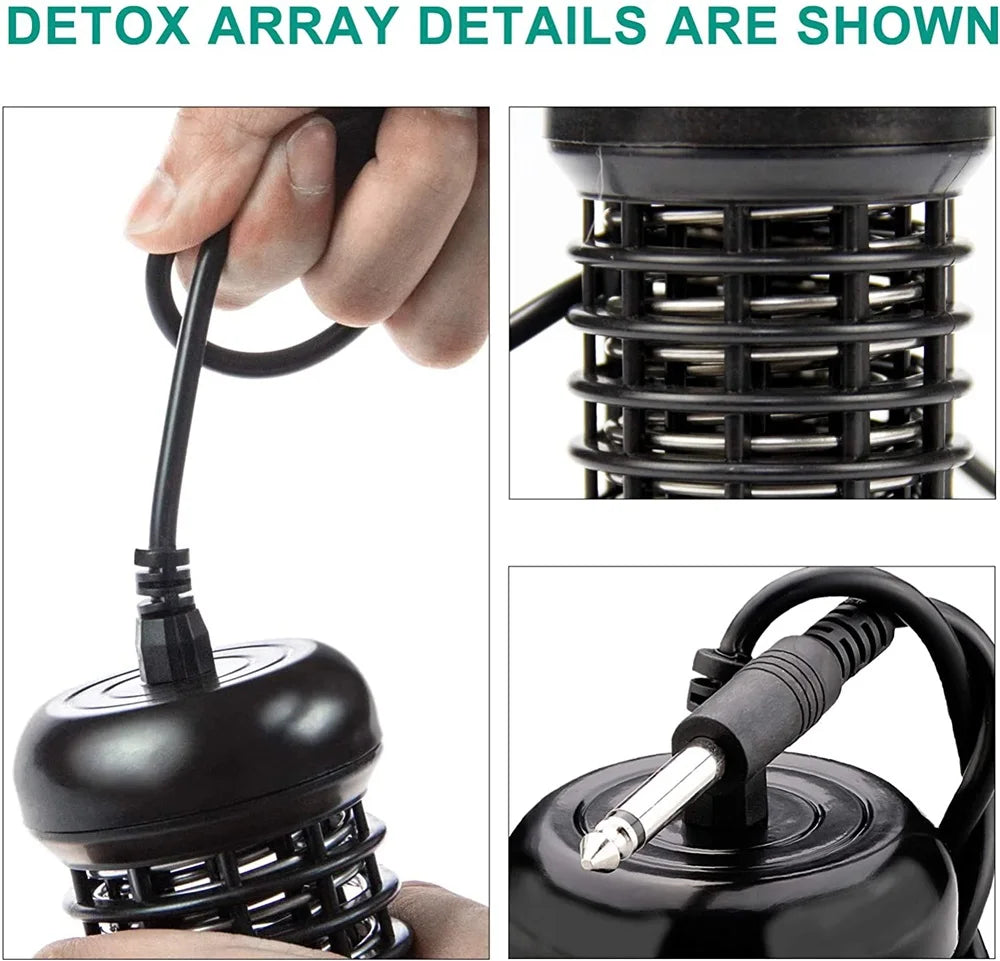
severe leg cramps in both legs — home foot soak demonstration. See it in action: Buy the KentDO Ionic Detox Foot Bath
What Causes Severe Leg Cramps in Both Legs?
The causes of leg cramps in both legs are often related to muscle fatigue, fluid balance, circulation, medications, or underlying medical conditions. Identifying the trigger can help guide effective treatment and prevention.
Electrolyte imbalance and dehydration
Low levels of magnesium, potassium, calcium, or sodium can interfere with normal muscle contraction and relaxation. Excessive sweating, illness, or inadequate fluid intake may increase the risk of cramping, particularly during exercise or hot weather.
Exercise, fatigue, and muscle overload
Intense physical activity, prolonged standing, or overworked muscles commonly lead to temporary leg cramps. Delayed recovery after exercise may also increase the likelihood of nighttime spasms.
Circulation, nerve, medication, and medical causes
Poor circulation, compressed nerves, diabetes, thyroid disorders, kidney disease, pregnancy, and certain medications such as diuretics or cholesterol-lowering drugs may contribute to recurring severe leg cramps in both legs. If cramps begin after starting a new medication, discuss the change with your healthcare provider.
Why Do Both Legs Cramp at the Same Time?
When both legs cramp simultaneously, the cause is often systemic rather than an isolated muscle injury.
Common scenarios
- After strenuous exercise: Muscle fatigue combined with fluid loss.
- At night: Reduced movement and shortened calf muscles during sleep.
- During illness: Fever, vomiting, or diarrhea can lead to dehydration and electrolyte imbalance.
- Long periods of sitting: Reduced circulation may contribute to muscle tightness.
When it may indicate an underlying condition
Frequent bilateral cramps that occur without obvious triggers, especially when accompanied by numbness, weakness, swelling, or changes in skin color, deserve medical evaluation to rule out circulation disorders, nerve problems, or metabolic conditions.
Why These Relief Methods Work
Stretching
Stretching lengthens muscle fibers and interrupts the involuntary contraction responsible for a cramp, making it one of the fastest ways to stop leg cramps immediately.
Massage
Gentle massage helps muscles relax and may improve local blood flow after the cramp begins to release.
Heat
Warmth encourages muscle relaxation and can reduce lingering tightness after the acute spasm has eased. Heat is generally more helpful than ice for typical muscle cramps.
Hydration and electrolytes
Replacing lost fluids and electrolytes supports normal muscle function, particularly when cramps follow exercise, heavy sweating, or dehydration. While electrolyte replacement is helpful when a deficiency exists, it is not a universal cure for every cramp.
Foot Soak for Leg Cramps Relief: Does It Help?
A warm foot soak can be a useful comfort measure for sore legs and muscle cramps. The soothing warmth promotes relaxation, may improve circulation, and can make gentle stretching easier afterward. However, it should be viewed as supportive therapy rather than a treatment for the underlying cause of recurring leg cramps.
Benefits and limitations
- Relaxes tight muscles after a cramp.
- May improve comfort before bedtime.
- Supports recovery when combined with stretching and hydration.
- Does not replace medical evaluation for persistent or unexplained cramps.
Best temperature and duration
Use comfortably warm water rather than hot water, and soak for approximately 15 to 20 minutes. Avoid excessively hot temperatures, particularly if you have reduced sensation due to diabetes or neuropathy.
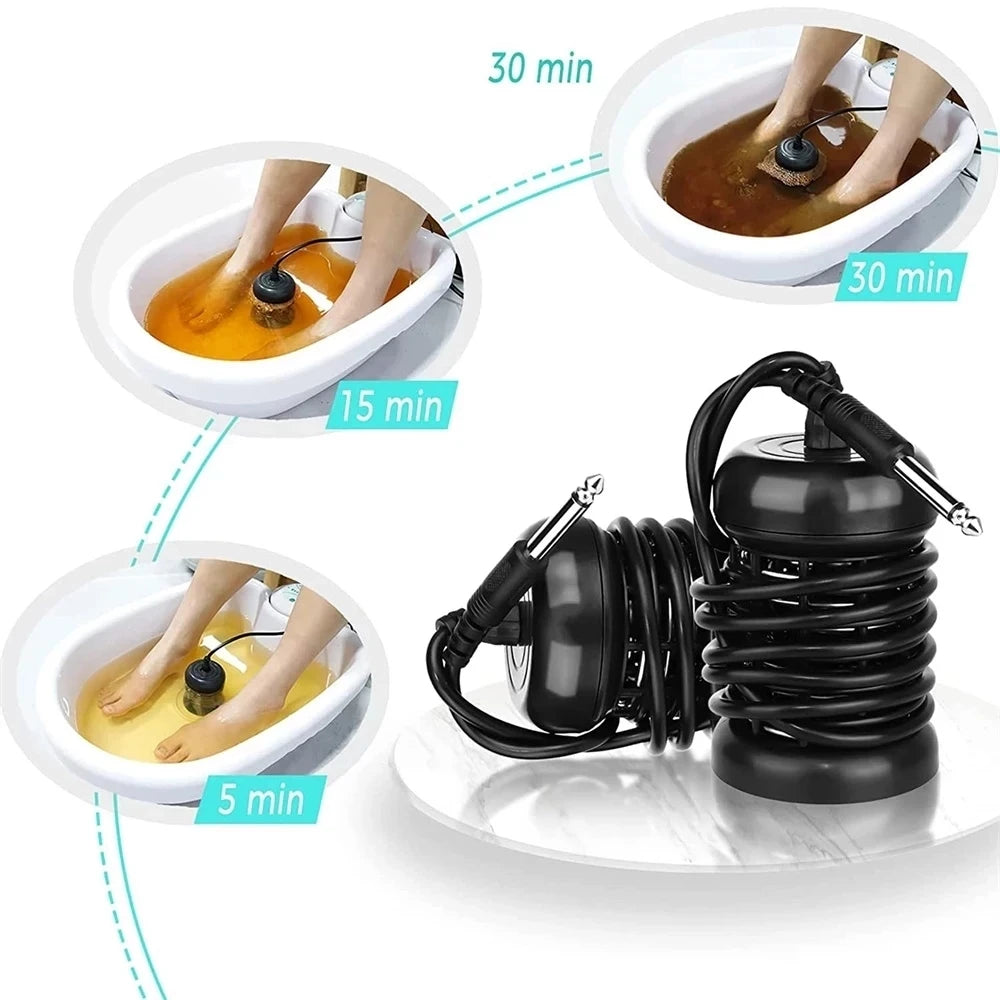
foot bath at home — relaxing recovery routine. See it in action: Try KentDO Ionic Detox Foot Bath
Best Foot Bath for Sore Legs and Cramp Recovery
Simple warm-water soak
- Fill a basin with comfortably warm water.
- Soak your feet for 15–20 minutes.
- Massage your calves gently while soaking.
- Stretch your calves after drying your feet.
- Drink water afterward to stay hydrated.
Optional ingredients
- Epsom salts: Popular for relaxation, although evidence that magnesium is absorbed through the skin remains limited.
- Sea salt: Adds trace minerals and enhances the soaking experience.
- Baking soda: Helps soften the skin.
- Essential oils: Lavender or chamomile may encourage relaxation.
- Fresh ginger: Provides a warming sensation for some people.
Safety precautions
Test the water temperature before soaking. Individuals with severe peripheral neuropathy, open wounds, significant swelling, or circulation disorders should consult a healthcare professional before using hot foot baths.
Explore related devices in Body Care and Health Devices .
Natural Remedies for Muscle Cramps in Legs
Hydration and electrolyte replacement
Replacing fluids after exercise or illness is one of the simplest evidence-based strategies for reducing cramps related to dehydration.
Magnesium and nutrition: what evidence says
Magnesium plays an important role in muscle function, but research shows supplements are not consistently effective for preventing cramps in otherwise healthy adults. A balanced diet rich in leafy greens, nuts, seeds, dairy products, and potassium-containing fruits is generally preferred unless a deficiency has been diagnosed.
Gentle movement and recovery
Walking, regular stretching, gradual exercise progression, and adequate recovery between workouts can help reduce muscle fatigue that contributes to recurring cramps.
Home Remedies for Leg Cramps at Night
Before-bed stretching
Stretching your calves and hamstrings for several minutes before sleep may reduce nighttime muscle tightness.
Sleep habits
Avoid sleeping with your toes pointed downward under heavy blankets. Keeping the feet in a more neutral position may reduce calf muscle shortening.
Hydration timing
Drink fluids consistently throughout the day instead of consuming large amounts immediately before bedtime. This supports hydration while minimizing sleep disruption.
Leg Cramp Prevention Tips
Exercise recovery
Warm up before exercise, cool down afterward, and increase training intensity gradually.
Hydration strategy
Drink enough fluids throughout the day and replace electrolytes after prolonged sweating or endurance exercise.
High-risk groups
Older adults, pregnant individuals, endurance athletes, and people taking certain medications may be more likely to experience recurring leg cramps. Regular stretching and discussing medication side effects with a healthcare provider may help reduce episodes.
When Severe Leg Cramps Need Medical Care
Red-flag symptoms
- Sudden swelling, redness, or warmth in one leg.
- Severe pain that does not improve.
- Numbness, weakness, or difficulty walking.
- Blue, pale, or unusually cold skin.
Recurring or unexplained cramps
Arrange a medical evaluation if severe leg cramps occur frequently, interfere with sleep, continue despite self-care, or appear alongside unexplained weight loss, muscle weakness, or other concerning symptoms.
FAQ
How do you stop a severe leg cramp immediately?
Stretch the affected muscle first, then massage gently, walk carefully, apply heat, and drink fluids if dehydration is suspected.
Why do both legs cramp at the same time?
Both legs often cramp together because of dehydration, electrolyte imbalance, muscle fatigue, medications, or underlying medical conditions that affect the entire body.
What causes severe leg cramps in both legs?
Common causes include dehydration, electrolyte disturbances, overuse, pregnancy, poor circulation, nerve problems, and certain medical conditions or medications.
Are electrolytes really effective for leg cramps?
They can help when cramps are related to dehydration or electrolyte loss, but they are not effective for every cause of muscle cramps.
Does a warm foot soak help leg cramps?
Yes. A warm foot soak may relax muscles, improve comfort, and complement stretching and hydration, although it does not treat the underlying cause of recurring cramps.
Is magnesium proven to prevent leg cramps?
Current evidence is mixed. Magnesium supplementation may help some people with a deficiency, but it has not consistently prevented leg cramps in the general population.
When should I worry about recurring leg cramps?
Seek medical advice if cramps are frequent, severe, unexplained, or occur with swelling, numbness, weakness, or changes in skin color.
How can I prevent leg cramps at night?
Stay hydrated, stretch before bed, recover properly after exercise, and avoid remaining in one position for extended periods.
Final note — when to see a clinician
If severe leg cramps are persistent, sudden, or accompanied by swelling, numbness, weakness, fever, or changes in skin color, seek medical evaluation promptly to identify any underlying medical condition.
Pillar Article: Poor Circulation in Feet: Which Foot Baths Deliver Real Relief
Other Related Articles:
Explore More:













