

Does a massager with attachments really improve relief?
A massager with attachments can improve relief by allowing you to match the massage head to the size, shape, and sensitivity of different muscle groups. Instead of applying the same pressure everywhere, interchangeable percussion massager attachments let you target broad muscles, trigger points, or delicate areas with greater precision. When used correctly, this versatility may help reduce muscle tightness, improve local circulation, ease post-activity soreness, and make recovery sessions more comfortable.
While attachment choice matters, realistic expectations are equally important. Massage devices can temporarily relieve muscle tension and stiffness, but they are not a substitute for medical treatment if pain is severe, persistent, or caused by an injury. Choosing the appropriate attachment, pressure level, and session length helps maximize comfort while reducing the risk of unnecessary soreness.
Massager with attachments: how each head improves relief
Whether you spend hours typing, lift children throughout the day, work out regularly, or simply experience everyday muscle fatigue, the right attachment can make a noticeable difference. A massager with attachments adapts to changing recovery needs by providing broader coverage for larger muscles or more focused treatment for stubborn tension. Understanding what each head is designed to do helps you achieve better results while avoiding excessive pressure on sensitive areas.
⏱ 7 min read
Discover options in Body Care and Health Devices
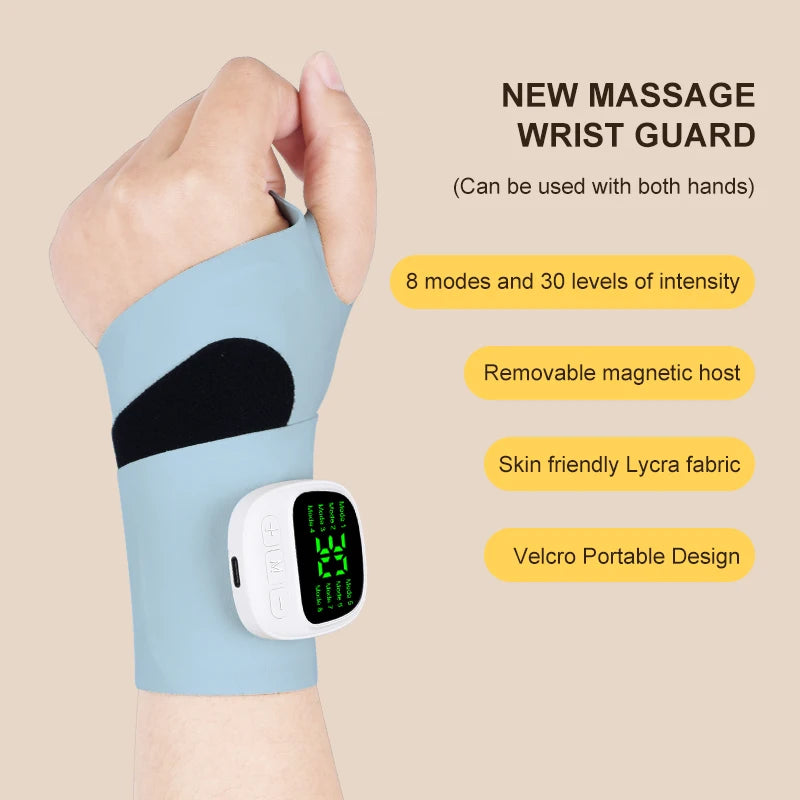
A massager with attachments designed for precision relief. See it in action.
Why attachments make a real difference in daily relief
Not every muscle responds well to the same massage head. Large muscles often benefit from broad, even pressure, while smaller muscles and trigger points require more focused contact. That's why massage gun attachments are designed in different shapes—to improve comfort, pressure distribution, and precision for specific recovery goals.
Compared with a fixed-head device, interchangeable attachments help you customize each session by adjusting how force is delivered to the body. Common massage gun attachment uses include:
- Releasing deep muscle knots with concentrated pressure
- Providing gentle relief for sensitive or sore muscles
- Improving circulation during warm-up or recovery
- Reducing stiffness after repetitive work or exercise
- Adapting treatment to different body regions without changing devices
Using the correct attachment also improves comfort. A broad head distributes percussion over a larger surface area, while a smaller attachment reaches tighter muscles without applying unnecessary pressure to surrounding tissue.
For busy parents or office workers managing repetitive wrist and hand strain, the ability to change attachments means one device can support both quick daytime recovery and longer relaxation sessions.
How each attachment head improves relief
1. Round ball head: full coverage relaxation
The round ball head is the most versatile attachment and is commonly recommended for beginners. Its larger contact area spreads percussion evenly, making it ideal for everyday muscle recovery.
- General wrist and forearm fatigue
- Large muscle groups such as calves, thighs, and glutes
- Light post-workout recovery
- Reducing overall muscle tightness
Best for:
Everyday recovery and large muscle groups.
Limitation:
Less effective for reaching very small trigger points.
2. Point head: deep tissue precision
The point head delivers concentrated pressure into a small area, making it useful for localized tension and stubborn muscle knots. It is often chosen for trigger point work rather than full-muscle massage.
- Targeting tight knots
- Focused pressure on small muscles
- Areas affected by repetitive movements
Best for:
Deep tissue work and stubborn tension.
Safety note:
Avoid using high pressure directly over bones, joints, or inflamed areas.
3. Flat head: balanced muscle recovery
The flat head combines moderate pressure with even contact, making it a practical option for routine recovery sessions. It works well on muscles that need consistent percussion without the intensity of a pointed attachment.
- Daily muscle maintenance
- Reducing stiffness
- Supporting circulation before or after activity
Best for: Balanced recovery across medium and large muscle groups.
4. Heated attachment: soothing comfort therapy
Some massagers include a heated attachment or built-in heat function to complement percussion therapy. Gentle warmth can help muscles feel more relaxed before massage and may improve overall comfort during recovery sessions.
- Encourages muscle relaxation
- Provides soothing warmth for tired muscles
- Pairs well with gentle vibration for recovery
Heat therapy is generally most effective for muscle tightness rather than acute injuries or recent swelling. Follow the manufacturer's instructions and discontinue use if excessive warmth causes discomfort.
Learn how this wrist massager works
Heat vs vibration wrist therapy for parents: which works better?
Heat and vibration provide different benefits, and neither is universally better. Heat primarily promotes relaxation and comfort, while vibration or percussion provides mechanical stimulation that can temporarily reduce feelings of muscle tightness and improve mobility. Many modern recovery devices combine both features, allowing users to adjust treatment based on activity level and personal preference.
Here's a quick comparison:
| Feature | Heat Therapy | Vibration Therapy |
|---|---|---|
| Primary purpose | Muscle relaxation and comfort | Temporary reduction of muscle stiffness |
| Best before activity | Helps warm tight muscles | Stimulates muscles for movement |
| Best after activity | Relaxation and recovery | Post-exercise muscle recovery |
| Ideal users | People with muscle tightness | Those seeking faster recovery after repetitive activity |
Choosing a device that combines both features provides greater flexibility, allowing you to tailor each session to your recovery goals instead of relying on a single therapy method.
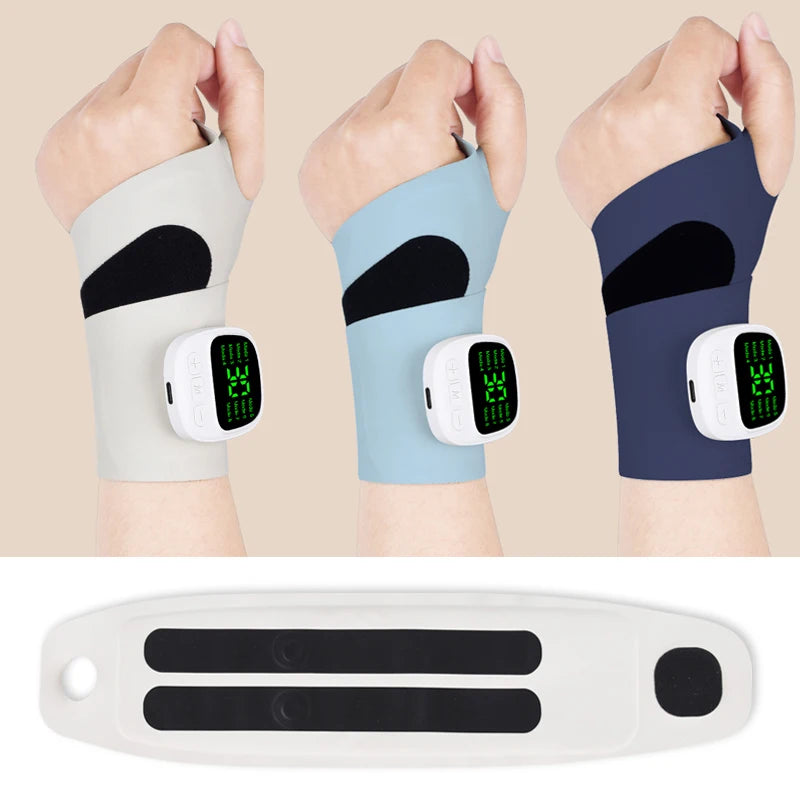
Experience heat and vibration therapy working together for targeted recovery. See it in action.
How adjustable wrist massagers improve comfort for small hands
An adjustable wrist massager provides a more personalized fit, which helps maintain consistent contact between the massage surface and the wrist. This ergonomic design improves comfort for users with smaller hands or narrower wrists while reducing unnecessary movement during a session. Better positioning also allows pressure and vibration to be distributed more evenly.
- More secure fit for different wrist sizes
- Improved pressure distribution across the treatment area
- Reduced slipping during massage sessions
- Greater comfort during longer recovery routines
Although adjustability may seem like a minor feature, it can significantly improve the overall user experience by making each treatment more comfortable and consistent.
Real results: what users experience after switching
Many people notice that using the appropriate attachment makes self-massage feel more effective and comfortable than relying on a single fixed head. Rather than increasing intensity, matching the attachment to the muscle group often improves precision and reduces unnecessary pressure.
Users commonly report benefits such as:
- Less muscle tightness after repetitive daily activities
- Improved comfort before bedtime or after exercise
- Greater confidence selecting the right attachment for different body areas
- More consistent recovery habits because the device is easier to customize
Individual results vary depending on activity level, muscle condition, and how the device is used. Consistent technique and appropriate pressure generally produce better outcomes than using maximum intensity.
How to use a portable wrist therapy device for better results
Following a simple routine helps maximize comfort while minimizing the chance of post-massage soreness.
- Choose the attachment that best matches the treatment area.
- Begin on the lowest speed or intensity setting.
- Move the device slowly instead of pressing forcefully into the muscle.
- Spend approximately 30 to 90 seconds on each muscle group.
- Stop immediately if you experience sharp pain, numbness, or worsening discomfort.
For everyday recovery, shorter sessions are often sufficient. Allow muscles time to recover between treatments, especially after intense workouts or heavy manual activity.
Get yours now — limited stock!
Attachment comparison: which one should you choose?
| Attachment | Best For | Pressure Level | Primary Benefit |
|---|---|---|---|
| Round head | Large muscle groups and general recovery | Low to Medium | Even pressure with broad coverage |
| Point head | Trigger points and localized muscle knots | High | Focused deep tissue treatment |
| Flat head | Routine muscle maintenance | Medium | Balanced percussion across larger surfaces |
| Heat attachment | Muscle relaxation before or after activity | Low | Comforting warmth combined with massage |
Selecting the right attachment for the muscle you're treating is often more important than increasing massage intensity. Starting gently and adjusting as needed usually provides a more comfortable recovery experience.
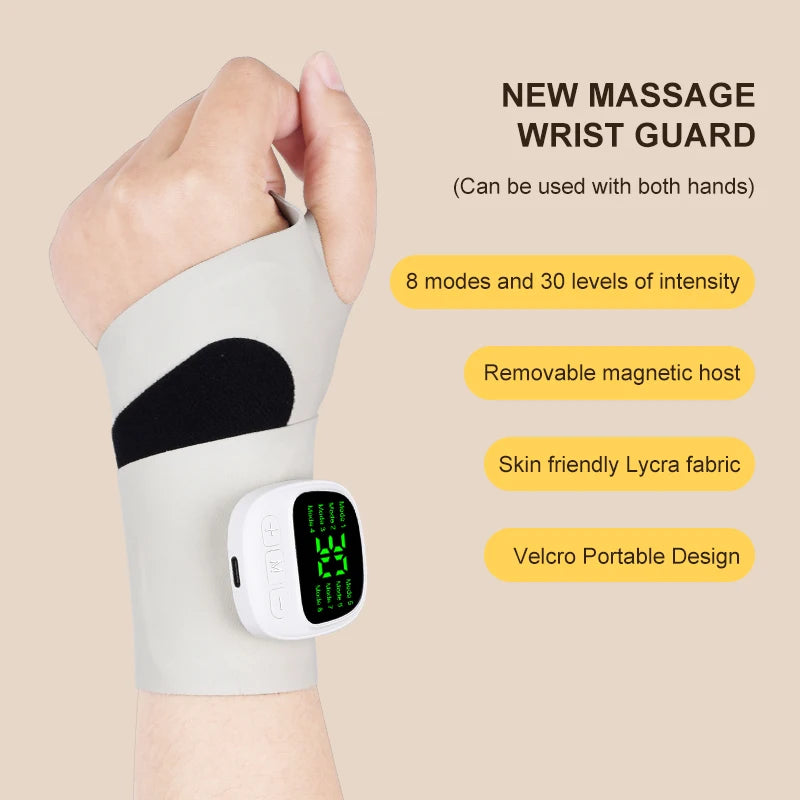
Portable wrist therapy device in action for targeted everyday muscle relief. See it in action.
Why a massager with attachments is worth the upgrade
A massager with attachments offers greater flexibility than a single-head device because it can adapt to different muscle groups, recovery goals, and comfort preferences. Whether you're managing everyday muscle fatigue, repetitive wrist strain, or post-workout soreness, choosing the appropriate attachment allows more precise treatment without relying on excessive pressure.
Compared with fixed-head massagers, models with interchangeable attachments typically provide:
- More targeted treatment for different muscle groups
- Better pressure distribution across sensitive and larger areas
- Greater versatility for warm-up, recovery, and relaxation
- A more personalized massage experience for long-term use
The best results come from selecting the correct attachment, using appropriate speed settings, and following recommended session lengths. While percussion massage can support muscle recovery and temporary relief from stiffness, persistent pain or injuries should be evaluated by a healthcare professional.
Frequently asked questions
Which massage gun attachment is best for deep tissue?
The bullet or point attachment is commonly used for deep tissue work because it delivers concentrated pressure to small areas and trigger points. Use light pressure and avoid bones, joints, or painful inflamed tissue.
Which massage gun head is best for the back?
A round ball head or flat head works well for most back muscles because they distribute pressure more evenly over larger muscle groups. Avoid using percussion massage directly over the spine.
Can I use massage gun attachments every day?
Yes. Most healthy adults can use massage gun attachments daily when sessions are brief, comfortable, and focused on muscle tissue rather than joints or bones. If soreness increases, reduce the frequency or intensity.
How long should I use each attachment?
For most muscle groups, 30 to 90 seconds per area is sufficient. Longer sessions are not necessarily more effective and may contribute to muscle tenderness if excessive pressure is used.
Are massage gun attachments interchangeable?
Not always. While many percussion massagers use similar attachment designs, compatibility varies between brands and models. Check the manufacturer's specifications before purchasing replacement heads.
When should I avoid using a massage gun?
Avoid percussion massage over open wounds, fractures, severe bruising, recent surgical sites, areas of active inflammation, or suspected blood clots. If you have a medical condition or are unsure whether massage therapy is appropriate, consult a healthcare professional before use.
Which massage gun attachment is best for shoulders?
A round ball attachment is usually the best choice for the shoulders because it provides broad, comfortable coverage. For smaller trigger points around the shoulder blade, a bullet attachment can be used carefully with lighter pressure.
What is the bullet massage gun head used for?
The bullet head is designed for precise treatment of trigger points, muscle knots, and small muscle groups. It concentrates force into a small area, making it suitable for localized tension rather than broad muscle massage.
Can beginners safely use percussion massager attachments?
Yes. Beginners should start with the round or flat attachment on the lowest speed setting before progressing to more focused attachments as they become familiar with proper technique.
How often should massage gun heads be cleaned?
Clean attachment heads after regular use, especially if multiple people use the device. Wipe them with a soft cloth and a manufacturer-approved cleaning solution, then allow them to dry completely before storage.
Are massage gun attachments universal across brands?
No. Although many attachments appear similar, connection sizes and locking mechanisms vary. Always verify compatibility before purchasing replacement attachments.
Which massage gun attachment is best for plantar fasciitis?
A soft round attachment is generally preferred for gently massaging the muscles of the foot and calf. Avoid applying aggressive percussion directly to the painful area of the heel if symptoms are severe.
Can massage gun attachments help muscle knots?
Yes. Appropriate massage gun attachments may temporarily reduce muscle tightness and improve comfort by targeting localized areas of tension. Consistent stretching and recovery habits can further support long-term muscle health.
How do I know when to replace an attachment head?
Replace an attachment if it develops cracks, tears, loose fittings, or signs of excessive wear. Damaged attachments may affect performance and should not be used for percussion massage.
Pillar Article: Hand therapy device features explained for better wrist recovery
Other Related Articles:
Explore More:













