

Does a rechargeable personal massager really work?
A rechargeable personal massager can help relieve muscle tension, reduce soreness, and promote relaxation by delivering consistent vibration, percussion, or heat therapy to targeted areas. While it is not a treatment for underlying medical conditions, regular use may improve comfort, support circulation, and help ease everyday muscle fatigue caused by repetitive activities, exercise, or prolonged computer work.
Rechargeable personal massager: features that maximize relief
A rechargeable personal massager combines portability, ergonomic design, and customizable massage settings to make daily recovery easier at home or on the go. Whether you're managing wrist fatigue, recovering after exercise, or reducing stiffness from desk work, choosing the right features can improve comfort while fitting seamlessly into your routine.
⏱ 7 min read
Muscle tightness can build gradually from repetitive movements, sports, lifting, or long hours at a keyboard. A quality rechargeable device offers a practical way to add short recovery sessions throughout the day without needing a power outlet or professional massage appointment.
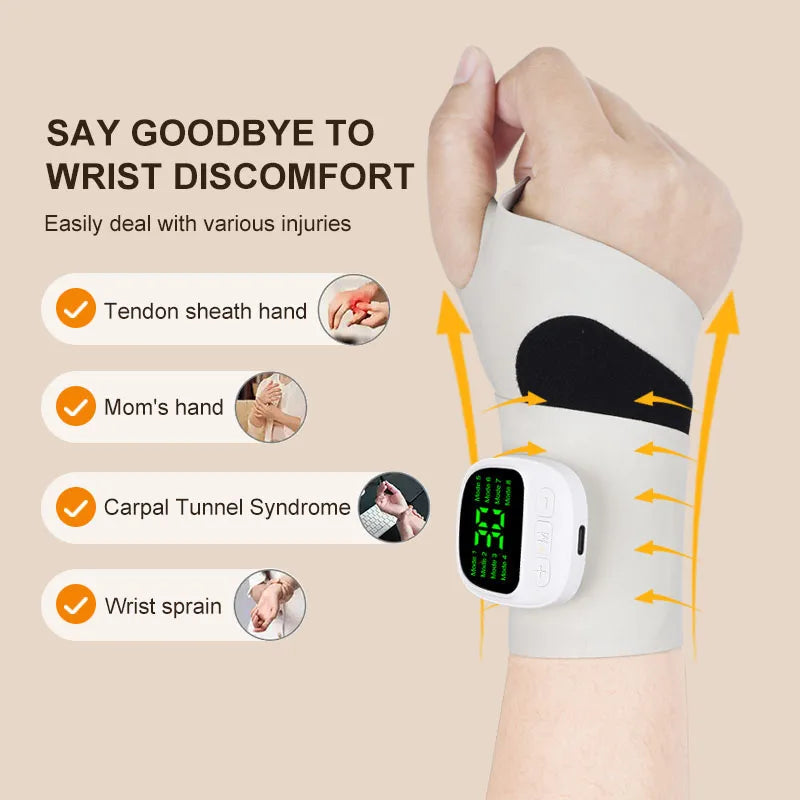
Rechargeable personal massager designed for daily wrist recovery — See it in action
What are the benefits of a rechargeable personal massager?
A rechargeable personal massager offers more than temporary comfort. Used consistently, it can become part of a daily recovery routine that supports muscle health, mobility, and relaxation. Results vary between individuals, but many people experience noticeable relief from common muscle fatigue and stiffness.
Muscle relief and reduced soreness
Massage helps relax tight muscles by applying repeated mechanical stimulation to soft tissue. This may reduce post-activity soreness, decrease muscle stiffness, and improve overall comfort after repetitive work or exercise.
Improved circulation and relaxation
Massage encourages healthy blood flow to treated muscles, helping deliver oxygen and nutrients while promoting relaxation. Heat-enabled models may further increase comfort by loosening tight tissues before or during massage.
Convenient cordless portability
One of the biggest rechargeable personal massager benefits is freedom of movement. Without a power cord, you can use the device at home, in the office, while traveling, or during short recovery breaks throughout the day.
Support for post-workout recovery
A portable massager for pain relief can be useful after strength training, sports, gardening, or other physically demanding activities. While it does not replace proper recovery habits such as hydration, sleep, and stretching, it can complement them.
How does a rechargeable personal massager work?
Most rechargeable personal massagers use vibration, percussion, compression, heat, or a combination of these technologies to stimulate muscles and surrounding soft tissue.
Vibration and percussion technology
Vibration delivers rapid, gentle movement that helps relax muscles, while percussion provides deeper pulses designed to reach thicker muscle groups. Wrist-specific devices typically use controlled vibration and compression rather than high-impact percussion.
How massage affects muscles
Mechanical massage helps temporarily reduce muscle tension, encourages relaxation, and may decrease the sensation of stiffness after repetitive activity. Regular sessions can also improve flexibility when combined with stretching and exercise.
Rechargeable battery advantages
Rechargeable batteries eliminate disposable battery costs while providing consistent power. Most modern devices offer multiple sessions per charge, making them practical for everyday use without constantly searching for an outlet.
Key features to look for in a rechargeable personal massager
The best rechargeable massager for home use balances comfort, performance, and ease of operation rather than simply offering the highest vibration level.
Adjustable intensity levels
Different muscle groups require different amounts of pressure. Multiple intensity settings allow beginners to start gently while experienced users can increase stimulation when appropriate.
Heat therapy options
Integrated heat therapy may improve comfort by warming muscles before massage. Many users find heat especially helpful for morning stiffness or after long periods of repetitive wrist movement.
Ergonomic handheld design
A lightweight ergonomic design helps the device reach target muscles comfortably while reducing hand fatigue during longer sessions.
Battery life and charging
Consider USB charging, charging time, battery capacity, and automatic shut-off features. Longer battery life is especially valuable if you travel frequently or use the device several times each week.
| Feature | Why it matters |
|---|---|
| Adjustable intensity | Personalizes comfort for different muscles and sensitivity levels |
| Heat therapy | Supports muscle relaxation before and during massage |
| Rechargeable battery | Provides cordless portability and lower long-term operating costs |
| Ergonomic design | Improves comfort and allows better positioning during treatment |
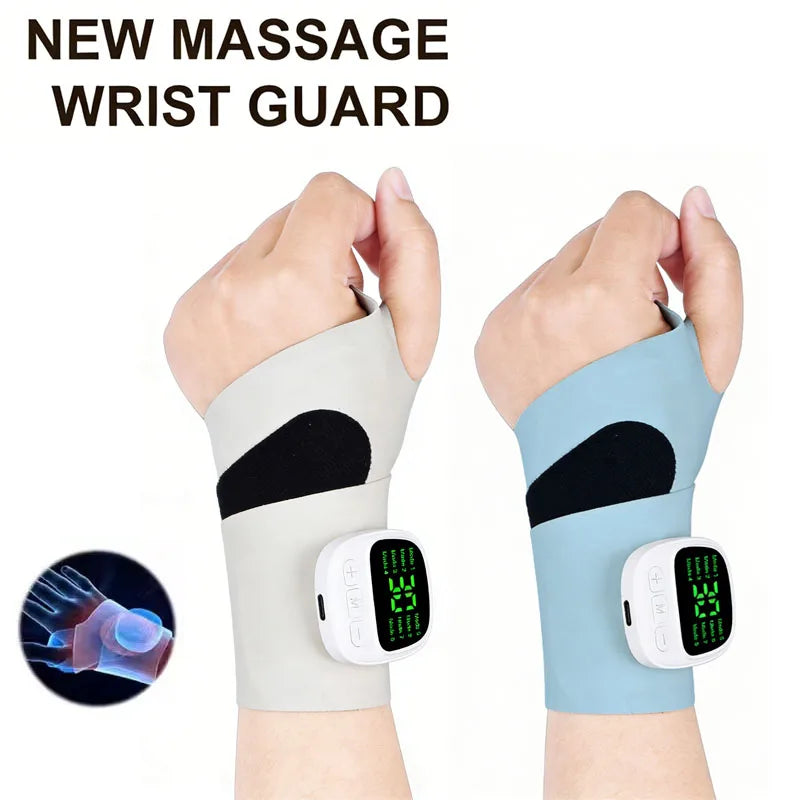
Cordless wrist massager designed for convenient everyday recovery — See it in action
Who should use a rechargeable personal massager?
Portable massage devices can benefit a wide range of users whose muscles experience repetitive stress during work, exercise, or daily activities.
Office workers
Typing, mouse use, and prolonged desk work can contribute to wrist, forearm, neck, and shoulder tightness. Short massage sessions throughout the day may help reduce accumulated tension.
Athletes and active adults
People who exercise regularly often use massage devices after workouts to complement stretching and mobility routines.
Older adults
Individuals experiencing everyday muscle stiffness may appreciate gentle massage settings that provide comfortable relaxation without requiring significant hand strength to operate.
Busy parents
Lifting children, carrying bags, cooking, cleaning, and repetitive household tasks can strain the wrists and hands. A cordless device makes it easier to fit recovery sessions into a busy schedule.
Rechargeable vs. corded personal massagers
Both styles can provide effective massage, but the best choice depends on how and where you plan to use your device.
| Feature | Rechargeable personal massager | Corded personal massager |
|---|---|---|
| Portability | Excellent for home, office, and travel | Limited by power outlet |
| Power and performance | Consistent for everyday recovery | Continuous power supply |
| Battery life | Requires periodic charging | No charging required |
| Best choice | People wanting flexibility and convenience | Users needing extended continuous sessions |
For most households, a rechargeable personal massager offers the best balance of portability, comfort, and convenience.
Explore more wellness tools in the Body Care and Health Devices collection to complement your routine.
How to use a personal massager safely and effectively
Recommended session length
Most sessions last between 10 and 15 minutes for one treatment area. Follow the manufacturer's instructions and avoid excessive use on the same muscle group.
Pressure and intensity tips
Begin with the lowest comfortable setting before gradually increasing intensity. Massage should feel relaxing rather than painful.
When to avoid massage
Avoid using a personal massager over open wounds, active infections, severe inflammation, recent fractures, or areas with unexplained swelling. If you have a medical condition, implanted medical device, or persistent pain, consult a healthcare professional before use.
Cleaning and maintenance
Wipe the exterior after each use, keep charging ports dry, and store the device in a cool location. Regular cleaning helps extend product life and maintain hygiene.
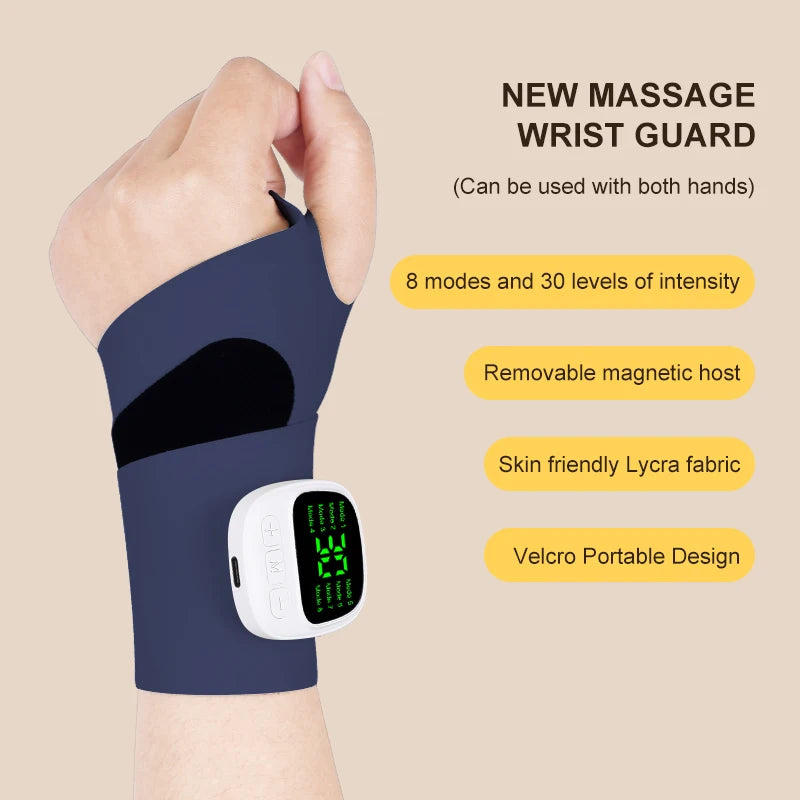
Rechargeable personal massager for convenient everyday recovery — See it in action
Choosing the best rechargeable personal massager for home use
Essential buying factors
Compare massage modes, intensity levels, battery life, charging method, ergonomic comfort, heat options, noise level, and warranty coverage before making a purchase.
Common mistakes to avoid
- Choosing the highest power instead of the right intensity range.
- Ignoring battery life if you plan to travel.
- Using the device longer than recommended.
- Purchasing without considering the body area you intend to treat.
When a premium model is worthwhile
If you plan to use your massager several times each week, investing in a higher-quality model with adjustable settings, better battery performance, and ergonomic construction often provides better long-term value than entry-level alternatives.
Final thoughts
A rechargeable personal massager offers a practical way to manage everyday muscle tension, improve relaxation, and support recovery at home or while traveling. Combined with healthy movement, stretching, and proper rest, it can become an effective part of a long-term wellness routine.
Frequently asked questions
What are the main benefits of a rechargeable personal massager?
The primary benefits include temporary muscle tension relief, reduced soreness, improved relaxation, cordless portability, and convenient recovery sessions that can fit into a busy lifestyle.
How often should I use a rechargeable personal massager?
Most people can safely use a personal massager once or twice daily for 10 to 15 minutes per treatment area, following the manufacturer's recommendations.
Are personal massagers safe for daily use?
Yes. When used according to the manufacturer's instructions, personal massagers are generally safe for everyday use by healthy adults. Stop using the device if massage causes pain or unusual discomfort.
Can a rechargeable personal massager help muscle recovery?
It may help reduce the feeling of muscle soreness and stiffness after exercise or repetitive activities, especially when combined with stretching, hydration, and adequate recovery.
Can it improve circulation?
Massage temporarily stimulates blood flow in treated tissues, which may contribute to relaxation and muscle comfort.
Who should not use a personal massager?
People with acute injuries, severe inflammation, certain circulatory disorders, implanted medical devices, or other medical concerns should consult a healthcare professional before using a massage device.
Pillar Article: Hand therapy device features explained for better wrist recovery
Other Related Articles:
Explore More:













