

Does a hand therapy device really improve wrist recovery?
Yes—when used appropriately, a hand therapy device can support wrist recovery by combining therapeutic features such as vibration, compression, and gentle heat to encourage circulation, reduce stiffness, and improve comfort during rehabilitation. While it is not a substitute for medical treatment of fractures, severe tendon injuries, or advanced nerve conditions, it can be an effective wrist recovery device for people managing mild overuse injuries, repetitive strain, arthritis-related discomfort, or general wrist stiffness.
The greatest hand therapy device benefits come from consistent use alongside stretching, strengthening exercises, and healthy movement habits. Whether you work at a computer, perform repetitive manual tasks, play sports, or simply want additional support during recovery, a portable hand therapy device can help improve mobility, reduce muscle tension, and make everyday activities more comfortable.
Hand therapy device features explained for better wrist recovery
Choosing the right hand therapy device involves more than comparing features. Understanding how different therapy functions work, which users benefit most, and what realistic results to expect helps you make a better purchasing decision. In this guide, you'll learn how modern wrist recovery devices support rehabilitation, which features matter most, and how they can complement home exercises and professional therapy to promote safer, more effective recovery.
⏱ 5 min read
Discover the best options for your wrist recovery routine
Explore Body Care and Health Devices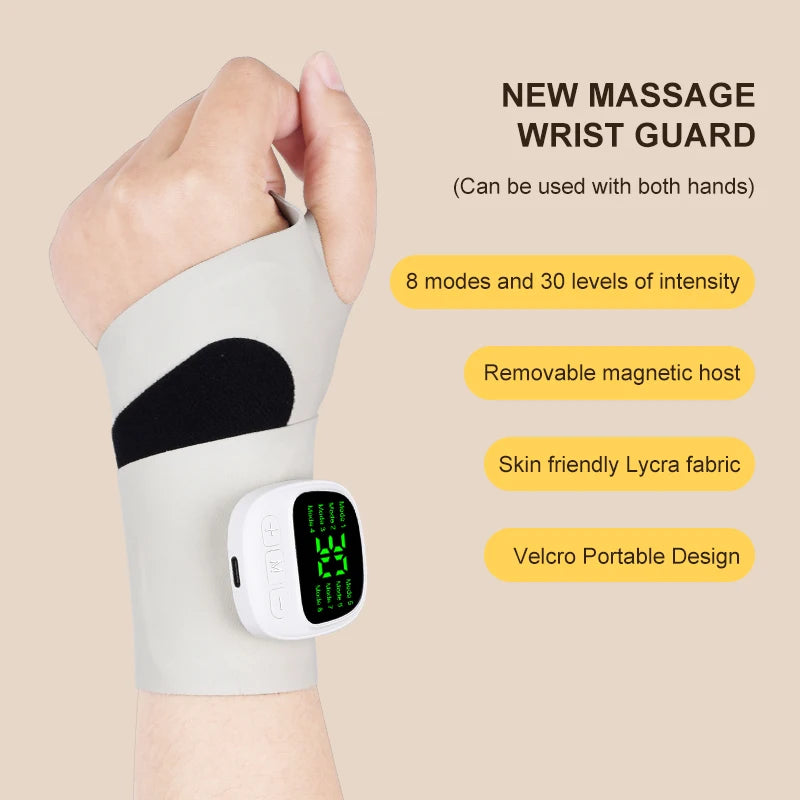
A portable hand therapy device designed to support wrist mobility, comfort, and everyday rehabilitation. See it in action.
Looking for an easier way to improve wrist mobility and reduce daily stiffness? Understanding how hand therapy devices work can help you choose the right solution for your recovery goals.
How This Hand Therapy Device Supports Wrist Recovery
A modern hand therapy device combines several rehabilitation techniques into one compact system, helping improve comfort while supporting healthy wrist movement. Rather than simply masking discomfort, these devices are designed to complement rehabilitation by encouraging circulation, relaxing tight soft tissues, and making therapeutic exercises easier to perform.
Although recovery time varies depending on the underlying condition, regular use together with appropriate exercises can help many people regain flexibility and reduce everyday stiffness.
- Promotes healthy blood circulation to support tissue recovery.
- Relaxes tight muscles and tendons through controlled vibration.
- Provides gentle heat and compression to ease stiffness before movement.
- Supports comfortable wrist mobility during rehabilitation exercises.
Learn step-by-step how to restore wrist strength at home
View the Rechargeable Wrist MassagerKey Features That Deliver Better Rehabilitation Results
1. Adjustable Vibration Therapy for Muscle Relaxation
Therapeutic vibration helps relax overworked muscles, reduce tension, and stimulate circulation around the wrist and hand. Unlike manual massage alone, adjustable vibration provides consistent treatment that can be tailored to different comfort levels and recovery stages.
This feature is particularly useful for repetitive strain, mild overuse injuries, and general wrist fatigue following work, sports, or everyday activities.
2. Heat Therapy for Improved Flexibility
Gentle heat encourages blood flow and helps loosen stiff muscles, tendons, and connective tissues before stretching or rehabilitation exercises.
For many users, warming the wrist before movement makes exercises more comfortable and may improve range of motion during daily therapy sessions.
3. Compression Support for Stability and Comfort
An ergonomic compression design delivers even pressure around the wrist without significantly restricting movement. This added support can improve comfort during recovery while helping users perform rehabilitation exercises with greater confidence.
Compression is especially beneficial when combined with heat and vibration, creating a more comprehensive rehabilitation experience than static wrist supports alone.
4. Ergonomic Portable Design
A portable hand therapy device allows rehabilitation sessions almost anywhere, making it easier to stay consistent with a recovery plan. Rechargeable designs eliminate the need for disposable batteries and are convenient for home, office, or travel use.
Regular short sessions are often easier to maintain than occasional lengthy treatments, making portability an important feature for long-term rehabilitation.
5. Custom Therapy Modes
Multiple therapy modes allow users to adjust treatment according to their symptoms, comfort level, and rehabilitation goals.
- Low intensity for relaxation and mild stiffness
- Medium intensity for routine rehabilitation sessions
- Higher intensity for deeper muscle stimulation when comfortable and appropriate
How This Device Improves Daily Comfort and Strength
Consistent use of a quality hand therapy device, together with recommended stretching and strengthening exercises, can support gradual improvements in comfort, mobility, and everyday hand function. Individual recovery times vary depending on the underlying condition, overall health, and adherence to a rehabilitation program.
| Before Rehabilitation | With Consistent Therapy |
|---|---|
| Frequent wrist stiffness | Improved flexibility and mobility |
| Reduced grip endurance | Better grip strength during daily tasks |
| Limited wrist movement | Greater functional range of motion |
| Hand fatigue during routine activities | Improved comfort throughout the day |
Many people notice gradual improvements after several weeks of regular use, particularly when a hand therapy device is combined with appropriate rehabilitation exercises and healthy activity habits.
"Consistency matters more than intensity. Short daily therapy sessions combined with mobility exercises often produce better long-term rehabilitation outcomes than occasional extended treatments."
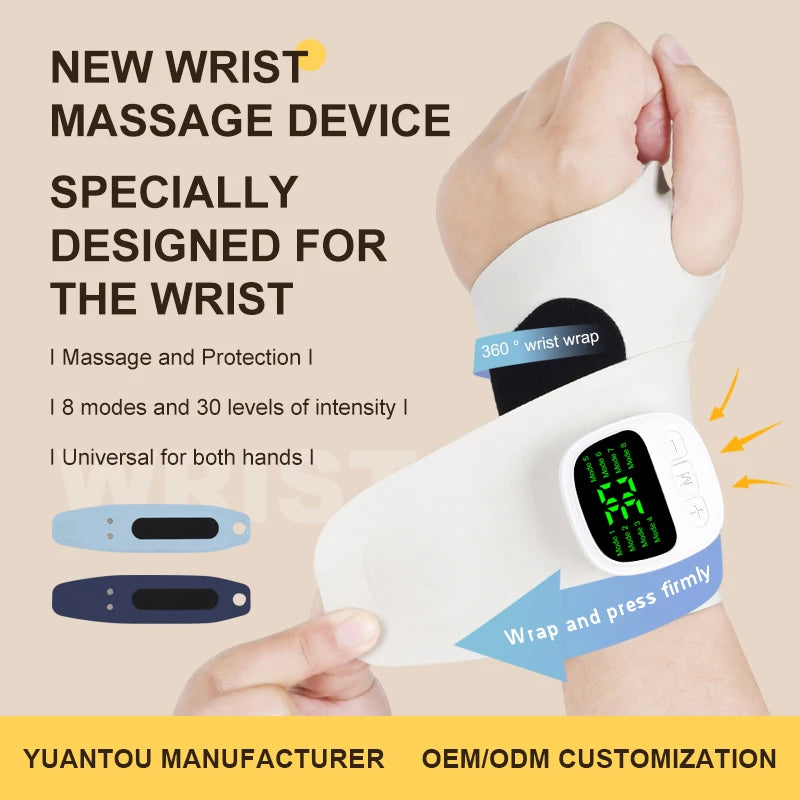
A hand therapy device can complement wrist mobility exercises by supporting comfort, flexibility, and progressive rehabilitation. See it in action.
Hand Therapy Device vs Traditional Recovery Methods
Different rehabilitation approaches serve different purposes. Manual techniques, braces, and thermal therapy can all play valuable roles, but a modern wrist recovery device combines multiple therapeutic functions into a single solution for convenient home use.
| Recovery Method | Primary Benefit | Convenience | Best Use |
|---|---|---|---|
| Manual massage | Temporary muscle relaxation | Low | Occasional soft tissue relief |
| Ice or heat packs | Short-term symptom management | Medium | Managing soreness or stiffness |
| Wrist braces | Joint support and stabilization | High | Activity modification and protection |
| Hand therapy device | Combined heat, vibration, and compression therapy | Very High | Ongoing home rehabilitation and recovery support |
A hand therapy device is most effective when used alongside rehabilitation exercises and healthy movement habits rather than as a standalone treatment. Compared with passive support alone, combining guided exercise with therapeutic modalities often provides a more comprehensive approach to improving mobility, comfort, and long-term wrist function.
How to Use a Hand Therapy Device Safely and Effectively
Daily Therapy Routine
- Position the device comfortably around your wrist according to the manufacturer's instructions.
- Select a therapy mode and intensity that matches your comfort level.
- Relax your hand and wrist during a 10–15 minute session.
- Repeat sessions consistently as recommended in the user manual or by your healthcare professional.
Exercise Progression
As discomfort decreases and mobility improves, combine your therapy sessions with gentle range-of-motion and grip-strengthening exercises. Gradually increasing activity helps build strength while reducing the risk of overuse.
Recommended Frequency
Short, consistent therapy sessions generally provide better long-term results than occasional extended treatments. Recovery speed depends on your condition, age, activity level, and adherence to a rehabilitation program.
Common Mistakes
- Using the highest intensity immediately instead of increasing gradually.
- Skipping rehabilitation exercises and relying solely on the device.
- Continuing treatment despite worsening pain or swelling.
- Using the device inconsistently.
Support your home rehabilitation routine with targeted wrist therapy.
Shop the Wrist MassagerClinical Evidence and Therapist Recommendations
Research on rehabilitation consistently supports combining therapeutic modalities such as heat, vibration, compression, and exercise rather than relying on passive treatment alone. Hand therapy devices are most effective when incorporated into a comprehensive rehabilitation program that may also include stretching, strengthening, activity modification, and guidance from a qualified healthcare professional.
Therapists commonly recommend:
- Performing regular, moderate therapy sessions instead of infrequent intensive treatments.
- Using heat before mobility exercises when appropriate to improve comfort.
- Monitoring symptoms and reducing intensity if pain increases.
- Seeking medical evaluation for persistent numbness, severe weakness, significant swelling, or symptoms following major injury.
For additional rehabilitation and wellness solutions, explore Body Care and Health Devices .
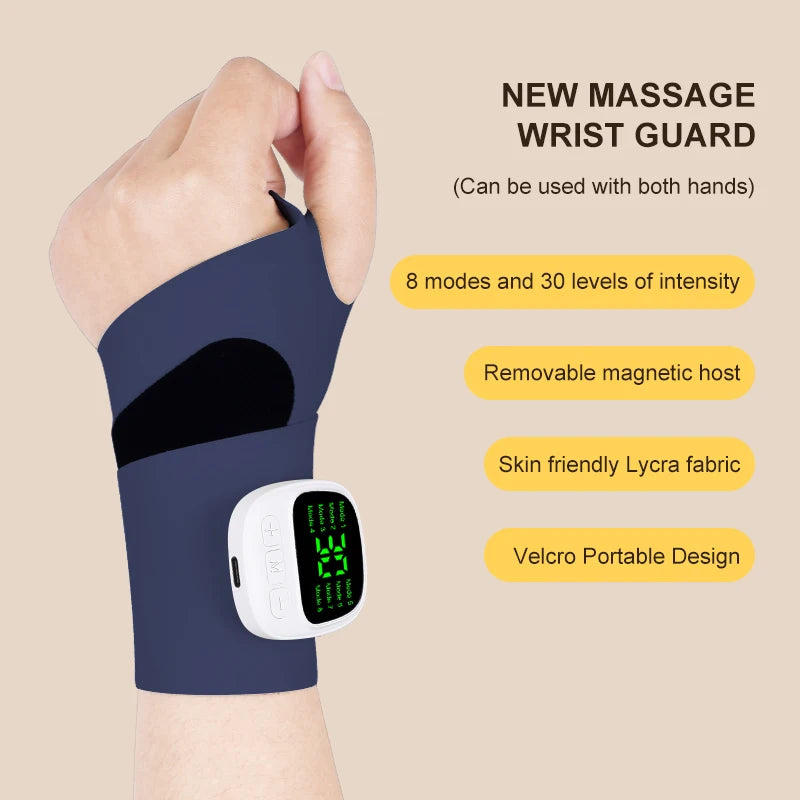
A portable hand therapy device can complement rehabilitation exercises by supporting comfort, flexibility, and consistent recovery. See it in action.
Frequently Asked Questions
Is a hand therapy device safe for daily use?
Most hand therapy devices are designed for regular use when operated according to the manufacturer's instructions. Adjustable therapy settings allow users to gradually increase intensity while minimizing the risk of overuse.
How long does wrist recovery usually take?
Recovery varies depending on the underlying condition. Mild overuse injuries may improve within several weeks, while tendon injuries, surgery, or nerve conditions often require longer rehabilitation under professional supervision.
Can a wrist therapy device replace physical therapy?
No. A wrist therapy device is intended to complement, not replace, professional assessment and rehabilitation. It can support home therapy between appointments and help maintain consistency with prescribed exercises.
Which hand therapy device is best for arthritis?
People with arthritis often benefit from devices that combine gentle heat, adjustable vibration, ergonomic compression, and easy-to-use controls. Choosing the appropriate device depends on symptom severity, comfort preferences, and advice from a healthcare provider.
Do I need a prescription or insurance coverage?
Many portable hand therapy devices can be purchased without a prescription. Insurance coverage varies by provider and region, so check your individual policy if reimbursement is important.
How often should I perform hand therapy exercises for wrist recovery?
Many rehabilitation programs recommend gentle exercises once or twice daily, although the ideal frequency depends on your diagnosis and your therapist's recommendations. Combining exercises with appropriate use of a hand therapy device may improve consistency and comfort.
Related Articles:
- Rechargeable personal massager: features that maximize relief
- Massager with attachments: how each head improves relief
Pillar Articles:













