

What are the main microcurrent facial benefits?
Microcurrent facial benefits include improved firmness, better facial muscle tone, and enhanced circulation. This gentle, low-level electrical energy stimulates facial muscles and supports collagen and elastin production, helping the skin appear lifted and more defined.
Short-term, many users notice a subtle lift and glow after a single session. Long-term, consistent use can lead to improved contour, smoother texture, and reduced fine lines. While results are not permanent or surgical-level, microcurrent facials offer a non-invasive way to maintain a firmer, more youthful appearance over time.
Microcurrent Facial Benefits: Science, Results & What to Expect
⏱ 7 min read — Microcurrent facial treatments have become a popular option for improving skin firmness and facial contour without clinic visits. With modern at-home devices, it’s now possible to maintain results consistently. This guide explains how microcurrent works, what results to expect, and how to use it effectively.
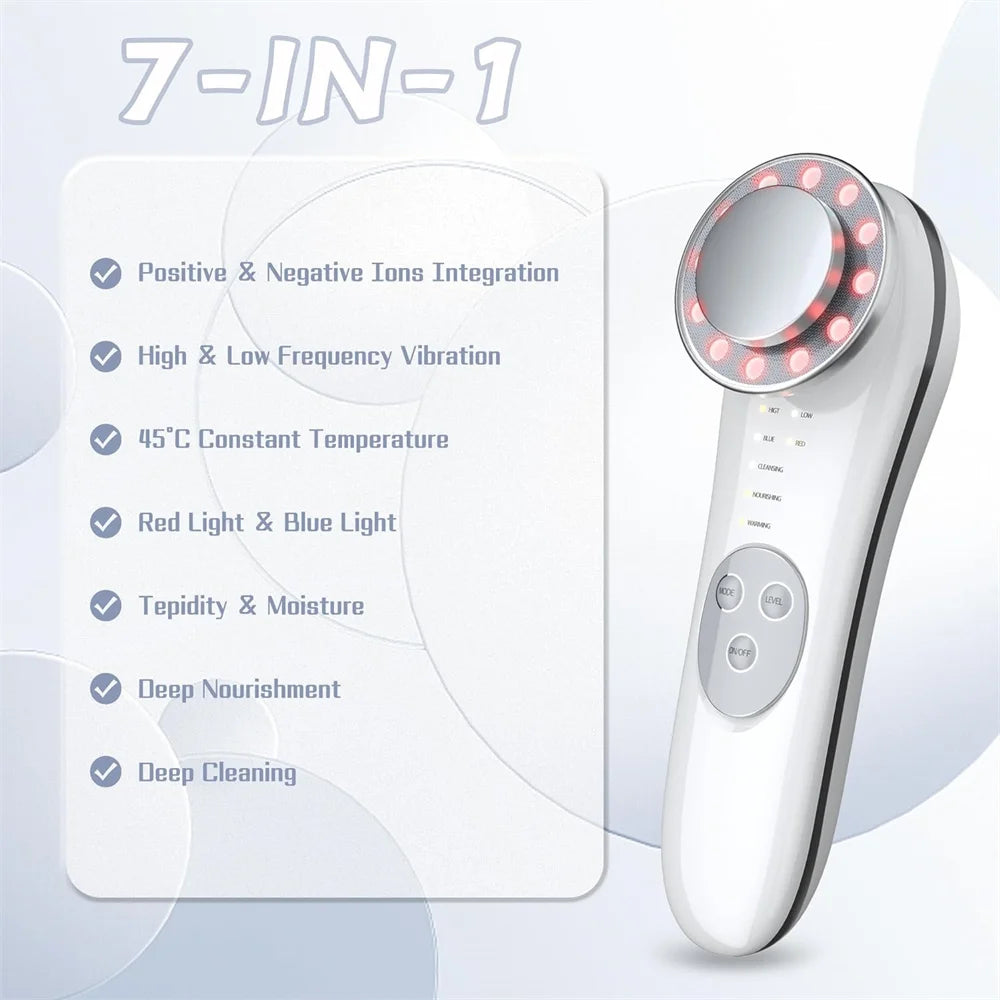
Exploring microcurrent facial benefits and how this technology supports at-home skincare.
Many people notice early signs of aging like dullness or loss of firmness but prefer solutions that fit into a daily routine. Microcurrent treatments offer a non-invasive option that builds results gradually through consistent use.
What Is a Microcurrent Facial?
A microcurrent facial is a non-invasive skincare treatment that uses low-level electrical currents to stimulate facial muscles and skin cells. Often referred to as a natural facelift, this technology mimics the body’s own bioelectric signals to improve tone, circulation, and firmness.
How microcurrent technology works on facial muscles
Microcurrent devices deliver gentle electrical signals that stimulate underlying facial muscles. This process helps “re-educate” muscles, encouraging them to lift and hold a more defined position over time.
Professional vs at-home treatments
Professional treatments use higher-intensity currents and provide faster visible lifting, while at-home devices are designed for gradual, consistent improvement. Both can be effective when used appropriately.
How Microcurrent Facial Works
Electrical stimulation and ATP production
Microcurrent technology boosts the production of adenosine triphosphate (ATP), the energy that powers cellular activity. Higher ATP levels support collagen and elastin synthesis, which are essential for maintaining skin firmness and elasticity.
Muscle re-education and skin support
Unlike topical skincare, microcurrent works beneath the surface. It tones facial muscles, improves circulation, and enhances nutrient delivery, creating both structural lifting and improved skin quality.
Proven Microcurrent Facial Benefits
Immediate lifting and toning effects
After a single session, many users notice a temporary lift, especially around the cheeks, brows, and jawline. This is due to muscle stimulation and improved circulation.
Short-term skin improvements
With regular use over a few weeks, skin often appears brighter, smoother, and more evenly toned. Fine lines may appear softened as hydration and elasticity improve.
Long-term anti-aging benefits
Over time, consistent treatments can enhance facial contour, reduce the appearance of wrinkles, and maintain a firmer look. These results depend heavily on routine and long-term use.
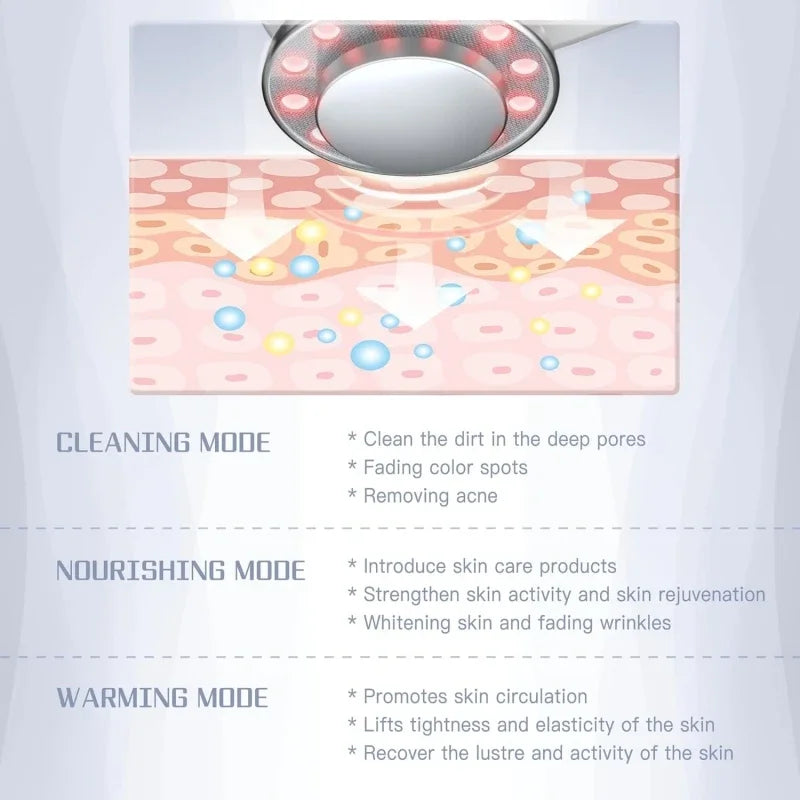
Tools designed for lifting and improving facial muscle tone.
Microcurrent Facial Before and After: What Results Look Like
Immediate vs long-term results
Many users notice a subtle lifting effect after a single session. However, long-term improvements such as firmer skin and reduced fine lines require consistent use.
Realistic expectations timeline
- After 1 session: Subtle lift and glow
- After 2–4 weeks: Improved tone and contour
- After 8–12 weeks: More visible reduction in fine lines
Does Microcurrent Facial Work?
What dermatologists say
Experts generally agree that microcurrent can improve muscle tone and enhance skin appearance when used consistently.
Clinical evidence and limitations
Studies suggest microcurrent increases ATP production and supports muscle tone. However, results are gradual and not comparable to surgical procedures.
Professional vs At-Home Microcurrent Treatments
Key differences in power and results
Professional devices deliver stronger currents, resulting in faster and more noticeable lifting. At-home tools use lower intensity for safe, regular use.
Pros and cons of each option
- Professional: Faster results, higher cost, less frequent sessions
- At-home: Convenient, cost-effective, requires consistency
Microcurrent Facial Frequency: How Often Should You Use It?
Beginners should use microcurrent devices 3–5 times per week for the first 4–6 weeks. After that, maintenance sessions can be reduced to 2–3 times weekly.
Consistency is more important than intensity, especially for at-home use.
Who Is a Good Candidate for Microcurrent Facials?
Best skin concerns for treatment
Microcurrent is ideal for mild to moderate skin concerns such as early signs of aging, loss of firmness, and dullness.
Age and skin condition factors
It works well as both a preventative treatment in younger skin and a maintenance option for more mature skin. Those expecting dramatic lifting should manage expectations.
Microcurrent Facial Side Effects & Safety
Who should avoid microcurrent
- People with pacemakers
- Those who are pregnant
- Individuals with epilepsy
Common myths vs reality
Microcurrent is generally painless and safe when used correctly. Some users may experience mild tingling or temporary redness.
How to Use Microcurrent at Home for Best Results
Step-by-step routine
- Cleanse your face thoroughly
- Apply a conductive gel
- Glide the device upward along facial contours
- Focus on each area for 3–5 minutes
- Finish with moisturizer
Mistakes to avoid
- Using without conductive gel
- Inconsistent usage
- Applying too much pressure
For best results, pair your routine with tools from the Skin & Beauty Care Devices collection.
Microcurrent vs Other Anti-Aging Treatments
Microcurrent vs gua sha
Gua sha improves circulation through massage, while microcurrent directly stimulates facial muscles for lifting effects.
Microcurrent vs radiofrequency
Radiofrequency uses heat to stimulate collagen, while microcurrent focuses on muscle tone and cellular energy. Both can complement each other depending on skincare goals.
FAQ
How long until I see microcurrent facial results?
Some results appear immediately, but long-term improvements typically develop after 4–8 weeks of consistent use.
Is microcurrent safe for daily use?
It is generally safe when used as directed, though most routines recommend several sessions per week.
Can microcurrent replace professional facials?
At-home devices are best for maintenance and cannot fully replace professional treatments.
Does microcurrent facial work for wrinkles?
Yes, it can help reduce fine lines by improving elasticity and muscle tone.
Are there any microcurrent facial side effects?
Side effects are minimal and may include mild tingling or temporary redness.
Pillar Article: How to Cleanse Deeply Without Damaging Your Skin Barrier
Other Related Articles:
Explore More:













