

Does deep cleansing damage your skin barrier?
Deep cleansing does not damage your skin barrier when it is done correctly. The safest approach to deep pore cleansing without damaging skin barrier is to remove excess oil, sunscreen residue, dead skin cells, and environmental buildup with gentle, low-friction methods instead of aggressive scrubbing or over-exfoliation.
Healthy deep cleansing supports the skin’s natural balance by working with the barrier, not against it. The goal is not to make pores feel “squeaky clean,” but to remove impurities while preserving moisture, protective lipids, and the skin microbiome that help defend against irritation.
Problems usually occur when people confuse a harsh cleansing sensation with effectiveness. Using strong cleansers, abrasive tools, or too many exfoliating products can weaken the barrier, causing dryness, sensitivity, and even more visible congestion. Learning how to deep cleanse skin safely means finding the right balance between removing buildup and protecting the skin’s natural defenses.
How to Deep Pore Cleanse Without Damaging Your Skin Barrier
If you want clearer-looking skin without causing irritation, the right deep pore cleansing routine focuses on removing buildup while maintaining barrier health. These deep pore cleansing tips explain how to loosen impurities, improve skin texture, and support better skincare absorption without stripping away the protective layer your skin needs.
Many people unintentionally damage their skin while trying to achieve a deeper clean. The key is understanding what causes clogged pores, how cleansing methods work, and how to remove impurities without damaging skin.
⏱ 5 min read

Deep pore cleansing tips and gentle barrier care— See it in action
Before changing your cleansing routine, consider this question: Are you removing what your skin does not need, or are you also removing what helps keep your skin healthy?
Many people believe a “tight” or “squeaky” feeling after washing means the skin is completely clean. In reality, that sensation can indicate that too many natural oils and protective components have been removed. Effective cleansing should leave skin comfortable, balanced, and ready for hydration—not dry or irritated.
What Causes Clogged Pores in the First Place?
Deep pore cleansing works best when you understand why pores become congested. Pores naturally contain sebum, an oil produced by the skin to support moisture balance and protection. Problems occur when excess sebum combines with dead skin cells, product residue, and environmental particles that accumulate faster than normal skin shedding can remove them.
Common causes of pore buildup include:
- Excess sebum production that combines with dead skin cells and creates congestion
- Slow or uneven skin cell turnover that allows debris to remain on the surface and inside pores
- Heavy sunscreen or makeup residue that is not fully removed during cleansing
- Pollution and environmental particles that attach to skin oils throughout the day
- Dehydrated skin that may shed unevenly and make texture appear rougher
Although pores may appear larger when they contain excess oil and buildup, pores cannot be permanently opened or closed. Their appearance can be improved by keeping them clear and maintaining healthy skin function.
Skin type and daily habits also influence congestion. Oily skin may produce more sebum, while dry or dehydrated skin may experience uneven shedding. Makeup use, sunscreen application, climate, and product choices can all affect how much buildup accumulates.
The goal of deep pore cleansing is not to “detox” the skin or remove all natural oils. Instead, the goal is to loosen and remove unwanted buildup while maintaining the protective barrier that keeps skin balanced.
What the Skin Barrier Actually Does (And Why Harsh Cleansing Damages It)
The skin barrier is the outermost protective layer of the skin, often referred to as the stratum corneum. It works as a defense system made of skin cells, lipids, ceramides, and natural moisturizing factors that help prevent water loss while reducing exposure to irritants.
How the Skin Barrier Protects Against Irritation and Water Loss
A strong skin barrier helps maintain hydration by keeping moisture inside the skin. Ceramides and other lipids act like a protective seal between skin cells, while the microbiome helps support a balanced environment on the skin’s surface.
When the barrier functions properly, skin is better able to tolerate skincare products, recover from daily stressors, and maintain a smoother appearance. This is why learning how to protect skin barrier while cleansing is an important part of any deep cleansing routine.
What Damages the Skin Barrier During Cleansing
Cleansing becomes damaging when it removes too much of the skin’s protective structure. Common causes include:
- Harsh surfactants that remove excessive oils and disrupt moisture balance
- Over-exfoliation from using acids or scrubs too frequently
- Aggressive physical scrubbing that creates unnecessary friction
- Using multiple strong treatments at once without allowing skin time to recover
When the barrier becomes weakened, skin may feel tight after cleansing, become more sensitive to products, develop visible redness, or produce more oil as it attempts to restore balance.
This creates an important connection between barrier care and pore care. Skin that is irritated or dehydrated may experience uneven shedding and increased sensitivity, making congestion harder to manage. The best approach is to cleanse skin without stripping by using methods that remove impurities while respecting the skin’s natural protective systems.
Why Deep Pore Cleansing Matters for Skin Health
Deep pore cleansing helps remove buildup that everyday cleansing may not fully address. Excess oil, sunscreen residue, makeup particles, pollution, and dead skin cells can collect on the skin and contribute to clogged pores, uneven texture, and a dull appearance.
When performed correctly, deep cleansing supports healthier-looking skin by improving how effectively impurities are removed without disrupting the barrier. The goal is not to eliminate every trace of oil or create a “detox” effect, but to maintain a cleaner surface while supporting normal skin function.
Gentle deep pore cleansing can help:
- Reduce visible pore congestion by removing excess oil and trapped debris
- Improve skin texture by preventing layers of buildup from making skin feel rough
- Support better skincare absorption by creating a cleaner surface for serums and moisturizers
- Maintain balanced oil levels by avoiding the cycle of over-cleansing and rebound dryness
The most effective deep pore cleansing tips focus on consistency and barrier protection. Learning how to remove impurities without damaging skin means choosing methods that clear buildup while preserving the natural oils and lipids that keep skin comfortable.
How to Cleanse Deeply Without Damaging Your Skin Barrier
A gentle deep cleansing routine starts with reducing unnecessary friction and choosing products that support the skin barrier. The safest approach combines a suitable cleanser, controlled cleansing time, and the right intensity for your skin type.
Choose Barrier-Friendly Cleansing Products
Look for cleansers designed to remove dirt, oil, sunscreen, and makeup without leaving the skin feeling stripped. Low-pH cleansers are often preferred because they are closer to the skin’s natural environment and can help maintain moisture balance.
Gentle surfactants can lift impurities away without aggressively removing protective oils. If your skin feels tight, dry, or uncomfortable immediately after cleansing, your cleanser may be too harsh for your current skin condition.
Control Cleansing Frequency
More cleansing does not always mean cleaner skin. Excessive washing or repeatedly using strong cleansing products can weaken the barrier and increase sensitivity.
A better approach is to adjust your routine based on your skin’s needs. Some people may benefit from a simple cleanser-focused routine, while others may need occasional exfoliation to manage oil buildup or uneven texture.
Match Cleansing Intensity to Your Skin Type
The best way to cleanse pores without irritation depends on how your skin responds:
- Oily skin: Use lightweight cleansers that remove excess sebum while avoiding harsh stripping ingredients.
- Sensitive skin: Choose fragrance-free, gentle formulas and limit exfoliating treatments.
- Dry skin: Focus on moisturizing cleansers and avoid methods that remove too many natural oils.
- Combination skin: Adjust cleansing intensity based on different areas of the face, especially oilier zones.
A personalized approach is especially important for a skincare routine for deep cleansing sensitive skin , where maintaining barrier health is just as important as removing buildup.
Signs You’re Over-Cleansing and Damaging Your Skin Barrier
Many people trying to achieve clearer pores accidentally over-cleanse their skin. A face that feels extremely tight or “squeaky clean” after washing is not always a sign of effective cleansing—it may indicate that protective oils have been removed.
Common signs of over cleansing skin include:
- Tight or uncomfortable skin immediately after cleansing
- Redness or increased sensitivity around the cheeks, nose, or other areas
- Flaking, rough patches, or dry texture
- Unexpected increases in oil production as the skin attempts to restore balance
- Stinging or burning sensations when applying skincare products
Healthy cleansing should leave skin feeling fresh and comfortable, not irritated or overly dry. The difference between a clean feeling and barrier damage is how the skin responds afterward.
If you notice signs of over-cleansing, reduce the use of exfoliating products, switch to a gentler cleanser, and prioritize hydration. Supporting the barrier with moisturizing ingredients can help the skin return to a more balanced state.
Best deep pore routine starts with the right tools See it in action
Step-by-Step Gentle Deep Pore Cleansing Routine
A gentle deep cleansing routine should remove buildup while keeping the skin barrier comfortable and hydrated. The most effective approach combines the right products, controlled timing, and techniques that minimize friction.
This routine can be adjusted for morning or evening use. For most people, evening cleansing is especially important because it removes sunscreen, makeup, excess oil, and environmental residue collected throughout the day.
Step 1 — Remove Oil, Sunscreen, and Makeup
Begin with an oil cleanser or cleansing balm to dissolve oil-based buildup. Sunscreen, makeup, and excess sebum are not always fully removed by water-based cleansers alone, so an oil-based first step can help lift these materials without aggressively stripping the skin.
Massage the cleanser gently for about 30–60 seconds, then rinse thoroughly. Avoid rubbing the skin aggressively, as excessive friction can contribute to irritation and weaken the barrier.
Step 2 — Use a Low-pH Gentle Cleanser
After removing oil-based residue, follow with a mild water-based cleanser to remove remaining impurities. Low-pH formulas with gentle surfactants can cleanse effectively while helping maintain moisture balance.
A cleanser should leave skin feeling clean and comfortable, not tight or dry. If your face feels uncomfortable immediately after washing, consider switching to a more barrier-friendly formula.
Step 3 — Add Controlled Micro-Massage to Lift Pore Debris
Gentle massage can support a more effective cleanse by helping loosen surface buildup and distributing cleanser evenly. Use light circular motions with fingertips or a soft cleansing tool for around 20–30 seconds.
The goal is movement, not pressure. Strong rubbing or repeated passes over the same area can increase irritation without improving cleansing results.
Step 4 — Use Targeted Exfoliation Based on Skin Tolerance
Chemical exfoliation can help manage pore buildup more effectively than harsh physical scrubs. Ingredients such as salicylic acid, PHAs, and enzymes work in different ways to remove dead skin cells and improve texture.
However, exfoliation should be adjusted based on your skin’s condition. If your skin is irritated, dry, peeling, or recovering from over-cleansing, skip exfoliation until the barrier feels stable again.
Step 5 — Restore Hydration and Barrier Support
After cleansing, apply hydrating products to support moisture retention. Ingredients such as glycerin, ceramides, and niacinamide can help maintain a healthy barrier and reduce the dry feeling that may follow cleansing.
Applying moisturizer soon after cleansing helps lock in hydration and supports the skin’s natural recovery process.
Best Ingredients for Deep Pore Cleansing Without Irritation
The best way to cleanse pores without irritation is to choose ingredients based on your skin type and concerns. Different ingredients target different types of buildup, and using the right option can help remove impurities without unnecessary stress on the skin.
| Ingredient | Best For | How It Helps | Usage Consideration |
|---|---|---|---|
| Salicylic Acid (BHA) | Oily skin and clogged pores | Penetrates oil and helps loosen buildup inside pores | Start slowly to reduce irritation risk |
| PHA | Sensitive or dry skin | Provides gentle exfoliation while supporting moisture retention | Often better tolerated than stronger acids |
| Enzyme Exfoliants | Dull texture and uneven surface buildup | Helps break down dead skin cells on the surface | Use according to product strength and tolerance |
| Oil Cleansers | Removing sunscreen and makeup | Dissolves oil-based residue without harsh scrubbing | Useful as the first cleansing step when needed |
| Clay | Excess oil | Absorbs surface oil and impurities | Use occasionally to avoid dryness |
Salicylic Acid (BHA) for Oil-Clogged Pores
Salicylic acid is a popular choice for oily or congested skin because it can work within oil-rich areas of pores. It helps loosen excess sebum and dead skin cell buildup that contributes to blackheads and uneven texture.
Because exfoliating acids can be irritating when overused, frequency should depend on skin tolerance. Sensitive skin may need less frequent application than oilier skin types.
PHA for Sensitive Skin Exfoliation
Polyhydroxy acids provide gentle exfoliation while helping the skin maintain hydration. They are often considered a suitable option for people who want smoother texture but are concerned about irritation.
PHAs can be useful in a skincare routine for deep cleansing sensitive skin because they offer exfoliating benefits with a generally gentler approach.
Enzyme Exfoliants for Gentle Resurfacing
Enzyme exfoliants use naturally derived enzymes to help loosen dead skin cells on the surface. They can support smoother-looking skin without the physical friction associated with abrasive scrubs.
Oil Cleansing for Removing Sunscreen and Makeup
Oil cleansing works by attracting and dissolving oil-based substances such as sunscreen, makeup, and excess sebum. This makes it a useful method for removing daily buildup before using a gentle water-based cleanser.
Clay for Occasional Oil Absorption
Clay masks can help absorb excess surface oil and improve the appearance of congested skin. They should be used occasionally rather than daily, especially for dry or sensitive skin types.
Deep Cleansing Routines by Skin Type
A safe deep cleansing routine should match your skin’s needs instead of following a one-size-fits-all approach. The right balance of cleansing, exfoliation, and hydration depends on oil production, sensitivity, and barrier condition.
Oily and Acne-Prone Skin
Oily skin may benefit from cleansers that remove excess sebum without creating dryness. Ingredients such as salicylic acid can help manage oil-related congestion when used appropriately.
Avoid aggressive scrubbing or using multiple strong exfoliating products at once, as irritation can make skin harder to manage.
Sensitive or Reactive Skin
Sensitive skin requires a lower-intensity approach. Choose fragrance-free cleansers, avoid excessive exfoliation, and prioritize barrier-supporting ingredients.
Mild exfoliants such as PHAs may be a better option for people who want gentle texture improvement without overwhelming the skin.
Combination Skin
Combination skin often needs different approaches for different areas. The T-zone may require more attention because it commonly produces more oil, while drier areas may need extra hydration and gentler cleansing.
Dry or Barrier-Damaged Skin
When skin is dry or showing signs of barrier stress, focus on repair before intensive pore treatments. Use creamy cleansers, avoid unnecessary exfoliation, and support moisture retention with hydrating ingredients.
Learning how to deep cleanse skin safely means adjusting your routine as your skin changes rather than forcing stronger treatments when your barrier needs support.
Common Deep Cleansing Mistakes That Damage the Skin Barrier
Deep cleansing is most effective when it removes buildup without creating new irritation. Many barrier problems happen when people increase cleansing intensity instead of improving technique.
- Over-exfoliating with strong acids too frequently, which can increase sensitivity and weaken barrier function
- Using harsh foaming cleansers that remove too many natural oils and leave skin feeling tight
- Scrubbing aggressively in an attempt to remove blackheads or texture faster
- Skipping moisturizer after cleansing, which can increase moisture loss
- Layering too many exfoliating products without allowing the skin time to recover
The “squeaky-clean” feeling is not always a sign of healthy cleansing. In many cases, it indicates that protective oils have been removed. A better approach is to use gentle cleansing methods, adjust frequency based on skin tolerance, and focus on maintaining the barrier while removing impurities.
Tools and Devices That Support Gentle Deep Cleansing
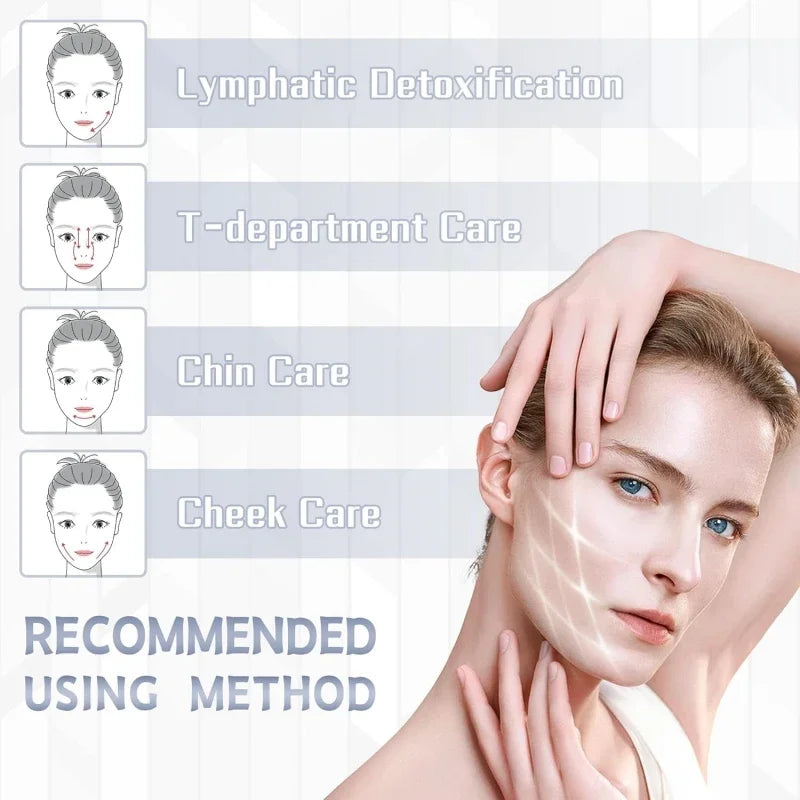
Cleansing devices can support a deep pore cleansing routine, but they should complement—not replace—a suitable cleanser and barrier-friendly skincare approach. The best tools improve cleansing efficiency through gentle movement rather than aggressive friction.
When Cleansing Devices May Help
Manual cleansing with fingertips is often enough for everyday use. However, some people may benefit from tools that provide consistent massage or help distribute cleanser evenly across the skin.
- Soft silicone cleansing brushes can provide gentle surface exfoliation and help remove residue when used correctly.
- Ionic cleansing devices may support a more thorough cleansing experience by helping loosen surface impurities.
- Ultrasonic facial tools can provide a low-friction approach for users who prefer device-assisted cleansing.
For users interested in massage-supported cleansing routines, devices such as the KentDO™ Ionic Facial Cleanser can be incorporated as a gentle facial care tool rather than a replacement for proper cleansing products.
How to Avoid Device-Related Irritation
Even gentle devices can contribute to irritation when overused. To protect the skin barrier while cleansing:
- Use the lowest comfortable intensity setting when available
- Avoid pressing the device firmly against the skin
- Limit use according to your skin’s tolerance rather than using it more often for faster results
- Skip device-based cleansing when the skin feels irritated, dry, or sensitive
A balanced approach combines appropriate cleansing products, controlled device use, and consistent barrier support for clearer-looking skin without unnecessary stress.
Deep Cleansing Method Comparison: Which Approach Is Safest?
The safest deep pore cleansing method depends on your skin type, the type of buildup you want to remove, and how well your skin tolerates exfoliation. A gentle cleanser, targeted exfoliant, and cleansing tool each work differently, so combining them carefully can help remove impurities without damaging the skin barrier.
| Cleansing Method | How It Works | Best For | Irritation Risk | Recommended Frequency |
|---|---|---|---|---|
| Gentle Cleanser | Removes sweat, oil, sunscreen residue, and surface debris using mild surfactants. | Daily cleansing and maintaining barrier health | Low when using a suitable formula | Daily based on skin needs |
| Chemical Exfoliant (BHA, PHA, Enzymes) | Helps loosen dead skin cells and pore buildup without physical scrubbing. | Congested pores, uneven texture, and excess oil | Moderate if overused | Usually 1–3 times weekly depending on tolerance |
| Cleansing Tool or Device | Uses controlled movement, vibration, or massage to support cleansing. | Users who want enhanced cleansing support | Higher if excessive pressure or frequency is used | Follow device instructions and skin tolerance |
Gentle Cleanser vs Exfoliant vs Cleansing Tool
A gentle cleanser is the foundation of any deep cleansing routine because it removes daily buildup while protecting moisture balance. Exfoliants work deeper by helping loosen materials that contribute to clogged pores, but they require more careful scheduling. Cleansing tools can improve the cleansing experience but should not replace barrier-friendly products.
The best approach is usually a balanced routine: cleanse consistently, exfoliate only when needed, and use tools with minimal friction. This helps support clearer-looking skin while protecting the natural barrier.
Best Options by Skin Concern
- For oily or congested skin: A gentle cleanser combined with occasional salicylic acid can help manage oil-related buildup inside pores.
- For sensitive skin: Focus on fragrance-free cleansers, mild exfoliants such as PHAs, and limited use of cleansing devices.
- For dry or irritated skin: Prioritize hydration and barrier support before adding stronger cleansing methods.
- For combination skin: Adjust intensity by area, using gentler care on dry zones and targeted treatments on oilier areas.
The Best Weekly Deep Pore Cleansing Routine
A gentle deep cleansing routine works best when it balances buildup removal with recovery days. The goal is not to aggressively strip pores, but to consistently remove residue while maintaining hydration and barrier function.
- Start with oil cleansing when needed: Use an oil cleanser or balm to dissolve sunscreen, makeup, and excess sebum without harsh rubbing.
- Follow with a low-pH cleanser: Use a mild water-based cleanser to remove remaining residue while preserving moisture.
- Exfoliate strategically: Apply BHA, PHA, or enzyme exfoliants based on your skin tolerance. Skip exfoliation if your skin feels irritated, dry, or unusually sensitive.
- Use a clay mask occasionally: If your skin experiences excess oil or visible congestion, a clay mask can help absorb surface oil without becoming an everyday step.
- Restore the barrier: Finish with hydrating serums and moisturizer containing barrier-supporting ingredients to improve skincare absorption safely.

Improve skincare absorption with deep pore cleansing tips See it in action
FAQ: Deep Pore Cleansing and Skin Barrier Protection
Does deep cleansing damage your skin barrier?
Deep cleansing does not damage the skin barrier when it uses gentle cleansers, controlled exfoliation, and low-friction techniques. Problems usually occur when people over-exfoliate, scrub aggressively, or use products that remove too many protective oils.
How often should you deep cleanse your pores?
The ideal frequency depends on your skin type and routine. Gentle cleansing can be part of regular skincare, while exfoliating treatments are typically used less often to avoid irritation. Sensitive or barrier-damaged skin may need fewer active treatments.
Can cleansing tools damage the skin barrier?
Cleansing tools can irritate the skin when used with excessive pressure, high intensity, or too frequently. Soft silicone or gentle massage-based tools are generally better choices when used according to instructions and skin tolerance.
What ingredients unclog pores without irritation?
Salicylic acid, PHAs, enzyme exfoliants, and oil cleansers can help remove pore buildup with less friction than aggressive scrubbing. The safest option depends on whether your skin is oily, sensitive, dry, or prone to irritation.
How do you know your skin barrier is damaged?
Common signs include persistent tightness after cleansing, redness, flaking, increased sensitivity, stinging from skincare products, and changes in oil production. Reducing exfoliation and focusing on hydration can help restore balance.
Can you deep cleanse pores without damaging your skin barrier?
Yes. The safest way to deep cleanse pores is to combine gentle cleansing products, appropriate exfoliation, and careful technique. Removing buildup does not require harsh scrubbing or aggressive treatments.
What is the safest way to remove pore buildup?
The safest approach is gradual removal using oil cleansing, mild cleansers, and targeted exfoliation that matches your skin tolerance. This helps remove impurities without stripping protective lipids.
Can salicylic acid damage the skin barrier?
Salicylic acid can be helpful for oily or congested skin, but excessive use may contribute to dryness or irritation. Using the right concentration and frequency helps balance pore-clearing benefits with barrier protection.
How do you fix skin damaged by over-cleansing?
Pause harsh exfoliants and irritating products, then focus on gentle cleansing and barrier-supporting ingredients such as ceramides, glycerin, and niacinamide. Gradually reintroduce active ingredients once the skin feels comfortable.
Are facial cleansing tools safe for sensitive skin?
Facial cleansing tools may be suitable for sensitive skin when used gently and infrequently. Choose low-friction options, avoid pressure, and stop if irritation appears.
Related Articles:
- Ionic Facial Cleanser Device Reviews: Which Works Best for You
- Microcurrent Facial Benefits: Transform Your Skin at Home
Pillar Articles:













