

⏱ 7 min read
What Causes Morning Neck Soreness and How to Fix It?
Morning neck soreness is commonly caused by sleeping in an awkward position, muscle tension, poor pillow support, or a mattress that does not keep your spine properly aligned. If you wake up with neck pain after sleeping , gentle movement, heat therapy, better sleep posture, and a comfortable neck support pillow can help reduce stiffness by supporting a more natural neck position.
Waking up with morning neck soreness can make even a good night’s sleep feel incomplete. The stiffness, tightness, or dull ache you notice when getting out of bed often develops because your neck stays in one position for several hours while your muscles and joints are under constant pressure. In many cases, the cause is related to bad posture while sleeping , an unsuitable pillow height, or everyday strain that builds up before bedtime.
The good news is that most cases of a sore neck after sleeping improve with simple adjustments. Understanding how your sleeping position, pillow support, and daily habits affect your cervical spine can help you prevent recurring discomfort and wake up feeling more refreshed.
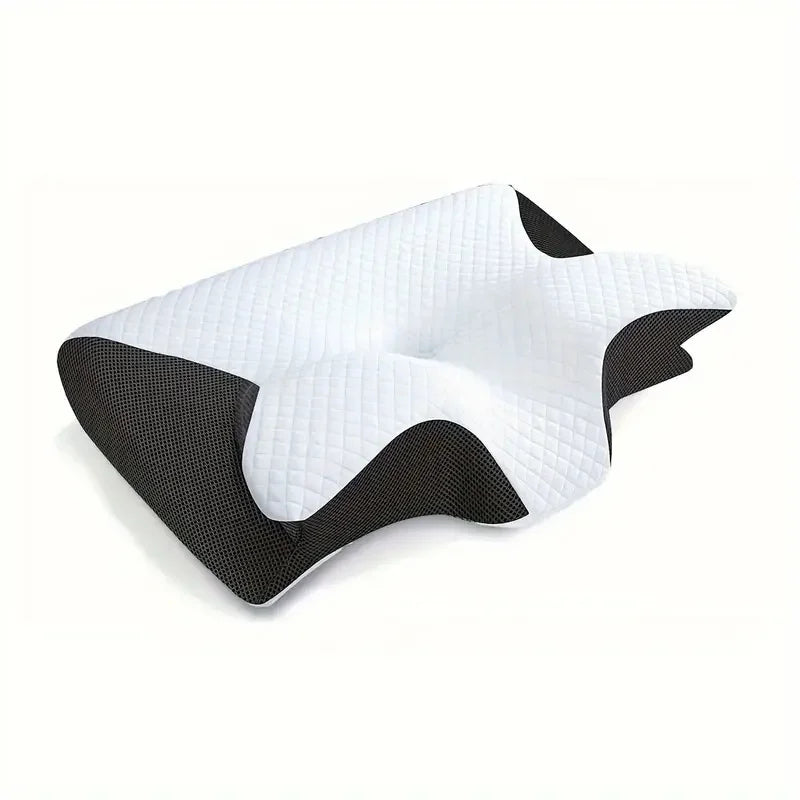
Support better sleep alignment and reduce morning neck soreness with the KentDO ergonomic cotton pillow.
Sleep posture and muscle strain
One of the most common reasons people experience morning neck stiffness is staying in a poor sleeping position for too long. During sleep, your neck should remain in a neutral position where your head is balanced naturally with your spine. If your head tilts too far forward, backward, or sideways for several hours, the muscles supporting your neck may become strained.
Sleeping with your neck twisted, using a pillow that pushes your head too high, or spending the night in a position that creates uneven pressure can contribute to neck pain from sleeping wrong . These issues are often temporary but may return every morning if the underlying sleep setup is not corrected.
Poor pillow support and mattress issues
Your pillow and mattress work together to support your spine throughout the night. A pillow that is too flat may allow your neck to bend downward, while one that is too thick can push your head upward and create unnecessary tension.
A comfortable neck support pillow helps maintain better cervical alignment by filling the natural space between your head and shoulders. Combined with a supportive mattress, the right pillow can reduce pressure points and help prevent waking up with neck discomfort.
Arthritis and cervical spine conditions
While sleep habits are a common cause, persistent morning neck soreness can sometimes be connected to age-related changes, arthritis, or other cervical spine conditions. These issues may cause recurring stiffness, reduced range of motion, or discomfort that does not improve with simple posture changes.
If your neck pain continues despite improving your sleep environment, it is important to discuss your symptoms with a healthcare professional for proper evaluation.
Temporary soreness vs chronic neck pain
Occasional stiffness after sleeping in an unusual position is usually different from ongoing neck pain. Temporary morning soreness often improves after gentle movement, stretching, or changing your sleep setup.
However, recurring discomfort, worsening symptoms, or pain accompanied by other unusual sensations may require medical advice. Paying attention to patterns can help you identify whether your neck soreness is related to sleep habits or something more persistent.
7 Simple Fixes for Morning Neck Soreness
If you are wondering how to relieve morning neck soreness , small changes to your morning routine and nighttime habits can make a noticeable difference. These practical steps focus on reducing muscle tension, improving alignment, and preventing future stiffness.
5-minute morning routine
When you wake up with a stiff neck in the morning , avoid sudden movements that force tight muscles to work quickly. Instead, try this simple routine:
- Move slowly: Sit up gradually and allow your neck muscles time to adjust.
- Perform gentle mobility movements: Slowly turn your head side to side and move within a comfortable range.
- Relax your shoulders: Roll your shoulders backward several times to release upper-body tension.
- Maintain good posture: Keep your head stacked over your shoulders during daily activities.
Heat vs cold therapy
Heat and cold therapy can both be useful depending on what your neck needs. A warm compress may help relax tight muscles and improve comfort when stiffness is caused by tension. Cold therapy may be useful after irritation or swelling caused by overuse.
Use either option for a short period and avoid extreme temperatures directly on your skin. If soreness continues or becomes more intense, consider professional guidance.
Ergonomic adjustments
Your daytime habits can influence how your neck feels the next morning. Long periods looking down at phones, laptops, or other devices can increase neck strain over time.
- Switch to a supportive pillow: A comfortable neck support pillow can help maintain a healthier sleeping position.
- Improve screen height: Keep devices closer to eye level to reduce forward head posture.
- Check your sleeping position: Back and side sleeping usually make it easier to maintain neutral alignment.
- Stretch regularly: Gentle neck and shoulder movements throughout the day may reduce accumulated tension.

Improve your sleep comfort with a comfortable neck support pillow designed for better alignment.
Why Your Pillow Matters More Than You Think
Your pillow plays a major role in how your neck feels when you wake up. It is not just a comfort item—it helps support the natural curve of your cervical spine throughout the night. A properly designed pillow for neck pain can reduce unnecessary strain by keeping your head, neck, and shoulders in a more balanced position.
When your pillow is too high, too low, or loses its shape, your neck muscles may work harder while you sleep. Over time, poor support can contribute to neck pain after sleeping , morning stiffness, and discomfort that affects your daily movement.
How a Comfortable Neck Support Pillow Helps
A supportive neck support pillow is designed to reduce pressure points and encourage better sleeping posture. The right pillow can help:
- Maintain cervical alignment: Keeps your neck closer to its natural position instead of forcing it forward or sideways.
- Reduce pressure on neck joints: Proper support helps distribute weight more evenly during sleep.
- Support relaxed muscles: Reduces the need for neck muscles to constantly compensate for poor positioning.
- Improve overall sleep comfort: A stable sleeping surface can make it easier to stay comfortable throughout the night.
Try the KentDO Ergonomic Cotton Pillow — designed for precision support with breathable cotton that adapts to your sleeping position. It is suitable for both side and back sleepers who want improved nighttime comfort.
Choosing the right pillow height
Pillow height is one of the most important factors when choosing support for your neck. The ideal height depends on your sleeping position, shoulder width, and personal comfort needs.
- Side sleepers: Often need enough height to fill the space between the shoulder and head while keeping the neck straight.
- Back sleepers: Usually benefit from moderate support that maintains the natural curve of the neck.
- Stomach sleepers: May experience more neck rotation because the head is turned to one side, which can increase strain.
A common pillow mistake is choosing softness over support. A pillow that feels comfortable for a few minutes may not provide enough stability during several hours of sleep.
When to replace your pillow
Even a high-quality pillow can lose its supportive shape over time. Consider replacing your pillow if you notice:
- Your neck feels stiff or sore more often after waking up.
- The pillow stays flattened or no longer returns to its original shape.
- You frequently adjust your pillow during the night to find a comfortable position.
- Your head feels tilted upward or downward when lying in your usual sleeping position.
Improving your pillow support is one of the simplest ways to address recurring morning discomfort and create a more supportive sleep environment.
Neck Stretches for Instant Relief
If you wake up with morning neck stiffness , gentle movement can help loosen tight muscles and improve mobility. These beginner-friendly exercises focus on controlled movements rather than forcing your neck into uncomfortable positions.
Gentle range-of-motion exercises
Slow range-of-motion exercises can help reduce tension after your neck has stayed still during sleep:
- Neck turns: Slowly rotate your head to the left and right while keeping your shoulders relaxed. Stop before reaching discomfort.
- Neck tilts: Gently bring your ear toward your shoulder and hold briefly before switching sides.
- Shoulder movements: Roll your shoulders backward in smooth circles to release upper-body tension.
Upper trapezius stretch
The upper trapezius muscles connect your neck, shoulders, and upper back, making them a common area for tension after sleeping in an awkward position.
To stretch safely:
- Sit upright with your shoulders relaxed.
- Gently tilt your head toward one shoulder.
- Hold for about 15–30 seconds without pulling or forcing the stretch.
- Repeat on the opposite side.
Chin tuck
Chin tucks help encourage better neck posture by activating the muscles that support a neutral head position.
- Sit or stand tall with your shoulders relaxed.
- Pull your chin gently backward as if creating a small double chin.
- Hold for about 5 seconds.
- Repeat 10 times if comfortable.
Simple morning mobility routine
For a quick routine on days when your neck feels tight, combine gentle movements into a 5-minute sequence:
- 30 seconds of slow neck turns.
- 30 seconds of shoulder rolls.
- Several comfortable chin tucks.
- Light stretching for the sides of your neck and shoulders.
These movements may help improve flexibility, reduce muscle tension, and make it easier to start your day after waking with neck discomfort. Avoid sudden movements, and stop any exercise that causes sharp or worsening pain.
How to Avoid Bad Posture While Sleeping
Bad posture while sleeping can place unnecessary stress on your neck, shoulders, and upper back. Since you spend several hours in the same position each night, small alignment problems can contribute to waking up with stiffness or neck pain after sleeping . Creating a more supportive sleep setup helps your body maintain a neutral position and reduces strain on sensitive areas.
Sleep ergonomics checklist
Use this checklist to improve your sleeping position for neck pain prevention:
- Keep your neck neutral: Your head should stay aligned with your spine instead of bending forward, backward, or sharply to one side.
- Support your natural curves: Your pillow should fill the space between your head and shoulders without pushing your neck out of alignment.
- Align your shoulders and hips: Side sleepers should avoid twisting their upper body, while back sleepers should keep their spine comfortably supported.
- Avoid prolonged stomach sleeping: Sleeping on your stomach often requires turning your head to one side, which may increase neck strain.
- Choose supportive bedding: A back pain pillow for sleeping can help maintain better alignment throughout the night.
Bedtime habits
Your routine before sleep can also influence how your neck feels in the morning. Simple habits may help reduce tension and prepare your body for better rest:
- Stretch gently before bed: Light neck and shoulder movements can help release built-up tension from the day.
- Reduce screen-related strain: Avoid spending long periods looking downward at phones or tablets before sleeping.
- Create a consistent sleep environment: A comfortable mattress, supportive pillow, and relaxed sleeping position work together for better alignment.
- Adjust your position when needed: If you wake up feeling stiff, notice how you are positioned and make small adjustments.
Building better sleep habits does not require a complete routine overhaul. Small changes to your pillow support, sleeping posture, and nighttime environment can help reduce repeated morning discomfort and support healthier sleep alignment.

Wake up refreshed — get your KentDO pillow now and support better sleep comfort.
FAQ: Morning Neck Soreness
Why does my neck hurt every morning?
Waking up with neck pain every morning is often linked to sleep posture, pillow support, muscle tension, or habits that place stress on your neck throughout the day. If you frequently experience morning neck soreness , check whether your pillow keeps your head aligned with your spine and whether your sleeping position creates pressure on your neck muscles.
Making small changes, such as improving your sleeping position for neck pain , using better support, and adding gentle mobility exercises, may help reduce recurring morning stiffness.
Can a pillow really fix neck soreness?
A pillow cannot solve every cause of neck discomfort, but the right support can improve your sleep posture and reduce unnecessary strain. A comfortable neck support pillow helps maintain a more natural neck position by supporting the space between your head, neck, and shoulders.
If your neck pain after sleeping is caused by poor alignment or an unsuitable pillow height, upgrading your pillow may be an important part of improving your overall sleep setup.
How long until neck pain improves?
The time needed for improvement depends on the cause of your discomfort and how consistently you adjust your habits. Mild stiffness from sleep position or temporary muscle tension may improve after changing your pillow, correcting posture, and practicing gentle stretches.
Some people notice changes within several nights, while ongoing discomfort may require more time and a closer look at sleeping habits, daily posture, or other contributing factors.
Is morning neck soreness a sign of a serious issue?
In many cases, morning neck soreness is related to sleep ergonomics, muscle tension, or temporary strain. However, you should consider professional medical advice if pain is persistent, keeps getting worse, limits normal movement, or occurs with other concerning symptoms.
A healthcare professional can help identify whether your discomfort is related to a more significant neck or spine issue and recommend appropriate care.
Why do I wake up with neck pain every morning?
Repeatedly waking up with neck pain may indicate that your sleeping environment needs adjustment. Common causes include an incorrect pillow height, poor sleeping posture, lack of support, or muscle tension carried from daytime activities.
Can sleeping in the wrong position cause morning neck soreness?
Yes. Sleeping with your head turned, tilted, or unsupported for several hours can contribute to muscle stiffness and discomfort. Maintaining a neutral neck position and choosing supportive bedding can help reduce the chance of waking with soreness.
What pillow is best for neck pain after sleeping?
The best pillow depends on your sleeping position, body shape, and comfort preferences. A supportive option should help maintain cervical alignment without forcing your neck too high or too low.
Should I use heat or ice for a stiff neck in the morning?
Heat is often preferred for general muscle tightness because it may help relax stiff areas and improve comfort. Cold therapy may be useful in some situations involving irritation or swelling. Use whichever feels more appropriate for your symptoms, and avoid anything that increases discomfort.
How long should morning neck stiffness last?
Mild morning stiffness often improves as you move around and your muscles warm up. If stiffness lasts for extended periods, returns frequently, or interferes with daily activities, consider discussing it with a healthcare professional.
When should I see a doctor for neck pain after sleeping?
Seek medical advice if your neck pain is severe, persistent, worsening, or accompanied by symptoms that concern you. A professional evaluation can help determine the cause and the best next steps for treatment.
Meta Description: Ease morning neck soreness fast with tips for bad posture while sleeping, using a comfortable neck support pillow, and a back pain pillow for sleeping.
Tags: morning neck soreness, bad posture while sleeping, comfortable neck support pillow, back pain pillow for sleeping, neck pain relief, sleep better tips, spinal alignment, morning stiffness, pillow solutions
Pillar Article: How to Fix Neck Pain Sleep Problems Step-by-Step Tonight
Other Related Articles:
- Neck Pain While Sleeping? Top 6 Tricks for Instant Relief
- Stiff Neck After Sleep: The Hidden Cause and Quickest Fix
- Shoulder Pain From Pillow? Here’s How to End It for Good
Explore More:













