

A side and back sleeper pillow is designed for people who change positions during the night and need consistent head and neck support. The right pillow height, firmness, and shape can help keep the neck closer to a neutral position, reduce pressure points, and make switching between side and back sleeping more comfortable.
Side Sleeper vs Back Sleeper Pillow: Key Differences & How to Choose
Choosing between a side sleeper pillow and a back sleeper pillow is less about finding the “softest” option and more about matching pillow structure to your sleeping position, body shape, and mattress. A side sleeper vs back sleeper pillow comparison starts with three essentials: loft, firmness, and the way each design supports the neck. If you move between positions at night, a well-designed pillow for side and back sleepers can provide a useful middle ground.
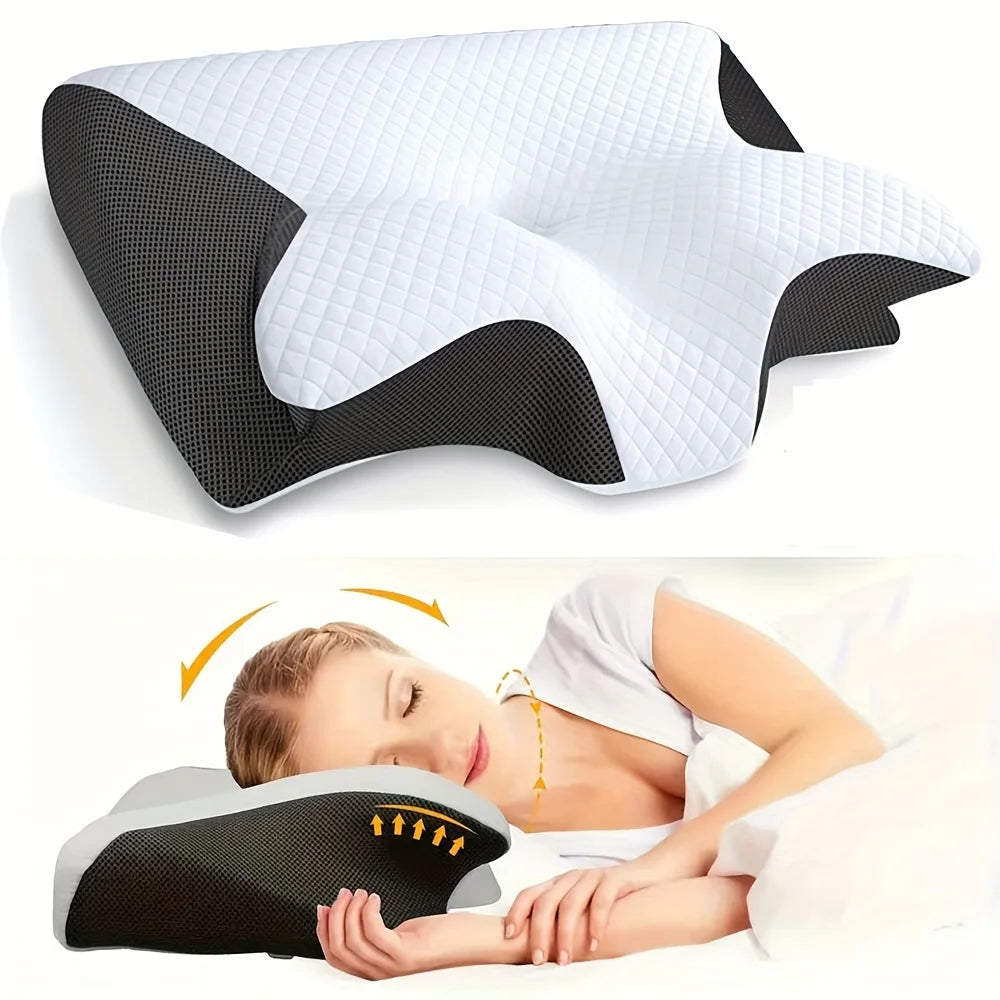
A side and back sleeper pillow is designed to support changing sleep positions.
Side Sleeper vs Back Sleeper Pillow: Key Differences Explained
The main difference between side and back sleeper pillows is how much space the pillow needs to fill between your head and the mattress while keeping your neck in a comfortable, neutral position. Side sleepers usually need more height because the shoulder creates a larger gap. Back sleepers generally need less height so the head is not pushed too far forward.
Loft and Height Comparison
Loft refers to the pillow's height when it is supporting your head. Side sleepers often benefit from a medium-to-higher loft that fills the space between the outer shoulder and head. Back sleepers typically need a lower or moderate loft that supports the natural curve of the neck without excessively flexing the head forward.
For combination sleepers, an adjustable pillow can be particularly useful because the ideal height may change when you move from your side to your back.
Firmness and Support Differences
A side sleeper generally needs enough firmness to prevent the head from sinking too deeply toward the mattress. A back sleeper may prefer a moderately supportive pillow that cushions the head while allowing the neck to remain comfortably supported.
Firmness should not be considered separately from loft. A high pillow that is very soft can compress substantially during the night, while a firm pillow with excessive loft can feel too high. The best choice depends on how the material behaves under your head and how much space your body creates between the mattress and neck.
Spinal Alignment and Neck Support
For both positions, the goal is not to force the spine into a rigid position. Instead, the pillow should help keep the head and neck reasonably aligned with the rest of the body. A side sleeper typically wants the head from tilting downward toward the mattress or upward toward the ceiling. A back sleeper generally wants to avoid a pillow that pushes the chin sharply toward the chest.
Pressure Relief and Comfort Zones
Side sleeping places more direct pressure around the shoulder and side of the head, so contouring and responsive materials can improve comfort. Back sleeping distributes pressure differently and often benefits from gentle support around the cervical area without creating excessive elevation.
Why Sleeping Position Changes Your Pillow Needs
The difference between a side sleeper and back sleeper pillow becomes easier to understand when you consider body position. Your pillow has to compensate for the distance between your head, neck, shoulders, and mattress. That distance changes when you roll from your back onto your side.
Cervical Spine Alignment Explained
The cervical spine is the neck portion of the spine. During sleep, your pillow should provide enough support to keep your head from falling substantially out of line with your torso. A pillow that is too low for side sleeping can allow the head to tilt toward the mattress, while one that is too high can push the head in the opposite direction.
For back sleeping, excessive pillow height can move the head forward and alter the natural resting position of the neck. This is why the ideal pillow for one sleeping position may feel completely different when you change positions.
Shoulder Width and Sleep Posture
Shoulder width is one of the most important factors when comparing a side sleeper pillow vs back sleeper design. Broader shoulders generally create a larger gap that needs to be filled during side sleeping. Narrower shoulders may require less loft.
Your mattress also changes this equation. A softer mattress allows the shoulder to sink farther into the surface, potentially reducing the loft you need. A firmer mattress keeps the shoulder closer to the surface and may require a different pillow height.
Back Sleeping Neutral Spine Mechanics
When lying on your back, the pillow should support the head and neck without creating unnecessary elevation. A moderate amount of cushioning can fill the natural space beneath the neck while allowing the back of the head to rest comfortably.
If you frequently change from back to side sleeping, a single-position pillow may feel appropriate in one position but inadequate in another. That is where an adjustable or adaptable side and back sleeper pillow can offer more flexibility.
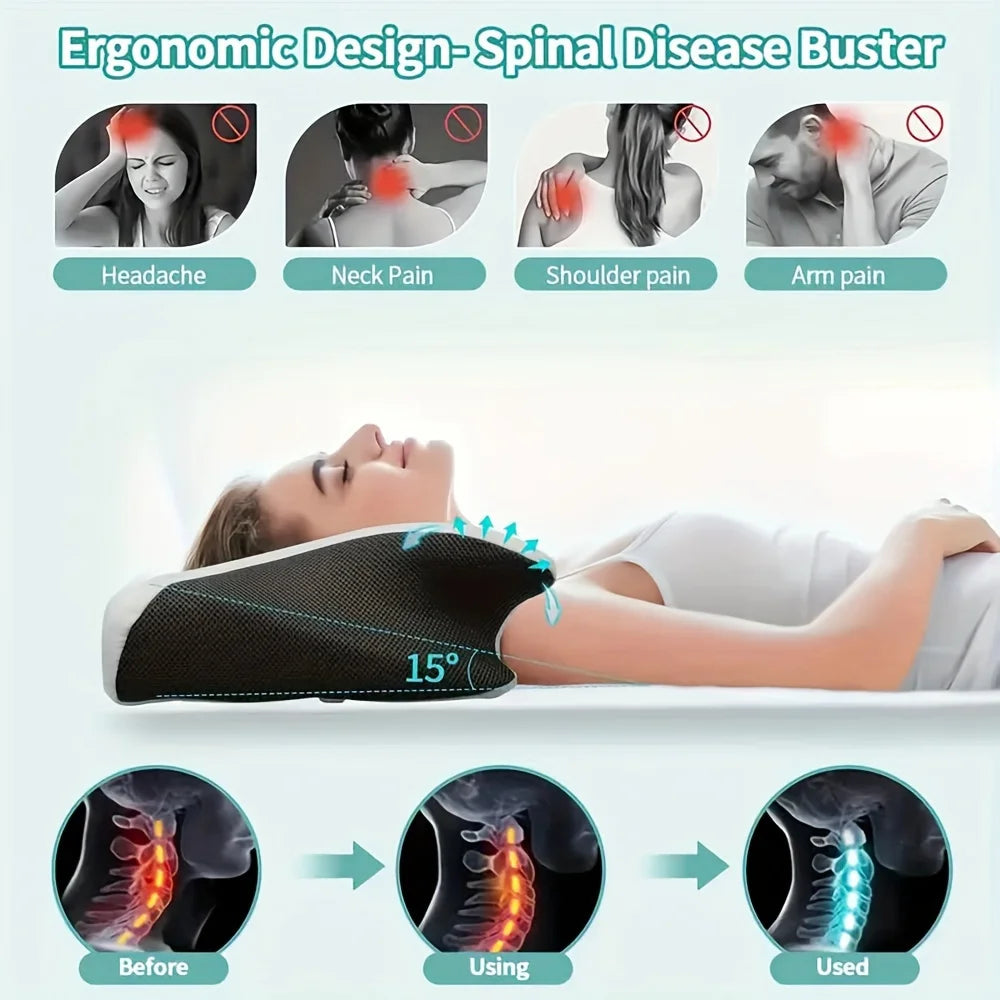
Ergonomic pillow support can accommodate different sleeping positions.
Comparison Table: Side Sleeper vs Back Sleeper Pillow
This quick comparison highlights the typical difference between back and side sleeper pillows . Individual preferences vary, so use these characteristics as a starting point rather than a rigid rule.
| Factor | Side Sleeper Pillow | Back Sleeper Pillow |
|---|---|---|
| Typical loft | Medium to higher, depending on shoulder width and mattress | Low to medium, depending on neck shape and mattress |
| Firmness | Usually supportive enough to prevent excessive sinking | Moderate support with comfortable cushioning |
| Primary support goal | Fill the space between shoulder and head | Support the head and natural neck curve |
| Pressure considerations | More attention to shoulder and side-of-head pressure | More attention to head and neck comfort |
| Best for | People who primarily sleep on their side | People who primarily sleep on their back |
| Combination sleepers | Can work if the loft is not excessive | Can work if the pillow is supportive but adaptable |
How to Choose Between Side Sleeper and Back Sleeper Pillows
The best pillow for side and back sleepers depends on your dominant sleeping position, body proportions, comfort preferences, and the firmness of your mattress. Instead of choosing based only on a product label, use the following decision framework.
Best for Shoulder Pain
If shoulder discomfort is your main concern, consider how much pressure your pillow creates around the shoulder when you sleep on your side. A suitable side-sleeping design should provide enough clearance for the shoulder without forcing the head upward or downward.
Also consider mattress firmness. A softer mattress may allow the shoulder to sink more deeply, changing the amount of pillow loft you need.
Best for Neck Pain
If neck discomfort is your primary concern, prioritize neutral positioning and consistent support rather than simply choosing the firmest pillow available. Your head should not feel noticeably tilted in either sleeping position.
If neck pain is persistent, severe, follows an injury, or is accompanied by other concerning symptoms, a healthcare professional can help determine whether your pillow or sleeping position is actually contributing to the problem.
Best for Lower Back Support
A pillow primarily supports the head and neck, so it should not be expected to correct every cause of lower back discomfort. For back sleepers, however, maintaining a comfortable neutral position can contribute to an overall supportive sleep setup.
Body positioning beyond the head can also matter. Some back sleepers find that a small support pillow beneath the knees makes the position more comfortable, while side sleepers may prefer support between the knees. These adjustments are separate from choosing the right head pillow.
Best for Combination Sleepers
If you regularly alternate between your side and back, look for a pillow for side and back sleepers with adaptable loft, responsive filling, and enough structure to maintain support after you change positions.
Adjustability is especially useful because you can fine-tune the pillow rather than choosing between a very high side-sleeper pillow and a low back-sleeper model.
For a versatile option, the KentDO Ergonomic Cotton Pillow can be considered as a side and back sleeper pillow for people who want supportive cushioning across both positions.
MOFU CTA:
How Body Type Affects Pillow Choice
There is no universal pillow height that works for every sleeper. Body proportions and mattress characteristics can change the amount of support you need. Understanding these variables makes it easier to choose the best pillow for side and back sleepers without relying only on generic height recommendations.
Light vs Heavy Sleepers
Body weight affects how deeply you sink into a pillow and mattress. A heavier sleeper may compress softer materials more substantially, while a lighter sleeper may remain closer to the original pillow height.
Instead of focusing only on weight, pay attention to whether the pillow collapses underneath your head. If your neck loses support after several hours, a more resilient or adjustable material may be worth considering.
Narrow vs Broad Shoulders
Shoulder width can be particularly important for side sleepers. Broad shoulders generally create more distance between the mattress and head, increasing the need for loft. Narrower shoulders may require less height.
This is one reason two people who both identify as side sleepers can prefer noticeably different pillows.
Mattress Firmness Interaction
Your pillow and mattress work as a system. On a softer mattress, your shoulder may sink farther into the surface during side sleeping. On a firmer mattress, the shoulder remains higher, potentially increasing the distance that the pillow must bridge.
When testing a new pillow, evaluate it on the mattress you actually use rather than judging it in isolation.
Common Mistakes When Choosing a Pillow
Understanding the difference between side and back sleeper pillows can help you avoid several common buying mistakes.
Choosing Wrong Loft Height
A pillow that is too high can push the head away from a neutral position, while one that is too low may leave the head unsupported. Side sleepers should consider shoulder width, and back sleepers should pay close attention to whether the pillow pushes the head forward.
Ignoring Sleep Position Changes
If you start the night on your side but frequently wake up on your back, choosing a pillow designed exclusively for one position may create an uncomfortable compromise. Combination sleepers should evaluate the pillow in both positions before deciding.
Overlooking Adjustability
Adjustable inserts or adaptable filling can make it easier to fine-tune loft as your preferences change. This can be particularly useful when you are unsure whether you need a higher side-sleeping profile or a lower back-sleeping profile.
User Tips for Maximum Comfort
How to Position Your Pillow Correctly
When side sleeping, position the pillow so it supports the entire head and neck rather than only the back of the skull. The pillow should fill the space created by your shoulder without forcing your head upward or downward.
When back sleeping, center your head on the pillow and make sure your neck feels supported without your chin being pushed noticeably toward your chest.
Adjusting Pillow Height
Give your pillow a few nights of consistent use before making major changes, but do not ignore obvious signs of poor fit. If your head feels tilted in one position, your pillow may need less or more loft. Adjustable designs make these small changes easier.
A simple way to evaluate fit is to ask whether your head feels reasonably aligned with your torso in both your side and back sleeping positions.
When to Replace Your Pillow
There is no universal replacement date for every pillow. Replace it when the filling becomes permanently flattened, the shape no longer provides adequate support, the material has deteriorated, or the pillow no longer feels comfortable even after adjustment.
Regularly washing or replacing the cover according to the manufacturer's care instructions can also help maintain a cleaner sleep environment.

Choose pillow support based on your sleeping position, body type, and comfort needs.
BOFU CTA:
FAQ: Side Sleeper vs Back Sleeper Pillows
-
Is a side sleeper pillow good for back sleepers?
A side sleeper pillow can work for a back sleeper if its loft and firmness do not push the head too far forward. However, pillows designed specifically for side sleeping may be taller than many back sleepers need. A moderate or adjustable side and back sleeper pillow can be a better option for people who change positions. -
Can one pillow work for both side and back sleeping?
Yes. One pillow can work for both positions when its height, firmness, and shape provide adequate support without being excessively high or low in either position. Adjustable or adaptable pillows are often useful for combination sleepers. -
What loft is best for combination sleepers?
There is no single ideal loft for every combination sleeper. Start with a height that supports your neck comfortably on your back while still filling the gap between your head and shoulder when you turn onto your side. Shoulder width, mattress firmness, and pillow compression all affect the final choice. -
Which pillow is better for neck pain: side or back sleeper?
Neither is automatically better. The better choice is the pillow that keeps your head and neck comfortably supported in your usual sleeping position. If you alternate between side and back sleeping, a supportive adjustable pillow may be more practical than a pillow designed for only one position. Persistent or severe neck pain should be evaluated by a qualified healthcare professional. -
How do I know if my pillow height is correct?
Your pillow height is likely closer to a good fit when your head and neck feel comfortably supported without obvious tilting. For side sleeping, the head should not noticeably drop toward or rise away from the mattress. For back sleeping, the pillow should not force the chin sharply toward the chest. Your mattress firmness and shoulder width should also be considered. -
What is the main difference between side sleeper and back sleeper pillow designs?
The main difference is typically loft and support geometry. Side sleepers generally need more loft to bridge the space created by the shoulder, while back sleepers commonly need less elevation and support that accommodates the natural neck curve. -
Is a side and back sleeper pillow better than using separate pillows?
Not necessarily. A combination pillow is convenient for people who change positions, but separate pillows can provide more specialized support if you consistently sleep in one position. The best choice depends on how often you change positions and how easily the pillow adapts.
Pillar Article: Ergonomic Sleep Position Guide: The Science Behind Pain-Free Rest
Other Related Articles:
Explore More:













