

How to build core strength at home in just 15 minutes?
How to build core strength effectively at home starts with short, focused workouts that target the abdominal muscles, obliques, lower back, hips, and glutes. A consistent 15-minute core workout can improve posture, reduce back discomfort, enhance balance, and support everyday movement without requiring a gym membership.
⏱ 7 min read
How to Build Core Strength at Home: The Complete 15-Minute Core Strength Workout
Building core strength doesn't require long workouts or expensive equipment. With proper exercise selection, progressive training, and consistent practice, you can develop a stronger, more stable core in just 15 minutes per session. This guide explains how to build core strength safely and effectively at home while fitting exercise into a realistic daily routine.

Build core strength faster with a daily 15 minute workout routine. See it in action.
How to Build Core Strength at Home in Just 15 Minutes
A core strength workout at home can improve stability, balance, posture, and everyday movement without requiring expensive gym equipment. By training the muscles around your abdomen, lower back, hips, and pelvis, you create a stronger foundation for lifting, walking, running, and reducing the risk of injury.
The good news is that you don't need long workouts. A focused 15-minute core workout performed three to five times per week can gradually increase strength when combined with proper technique and progressive overload.
What Core Strength Actually Means
Your core is much more than your abdominal muscles. It includes the deep stabilizing muscles surrounding your spine along with your obliques, glutes, hip flexors, pelvic floor, and lower back muscles. Effective core strength training at home develops all of these muscle groups together.
Understanding how these muscles work together can help you improve exercise technique and long-term strength development.
Why a Strong Core Matters Beyond Visible Abs
- Improves posture while sitting and standing
- Supports the lower back during daily activities
- Enhances athletic performance
- Improves balance and coordination
- Makes lifting and carrying easier
- Reduces unnecessary strain on the spine
A stronger core often contributes to better movement efficiency, improved stability, and reduced physical discomfort during everyday activities.
Who This Workout Is For
This home core strength workout is suitable for beginners, busy professionals, parents, and anyone looking to improve core stability without visiting a gym. Every exercise can be modified based on your current fitness level.
How to Engage Your Core Correctly Before You Start
Many people perform core exercises incorrectly because they never learn how to properly activate their core muscles. Correct engagement makes every repetition safer and more effective.
Proper Breathing and Bracing
- Stand tall with neutral posture.
- Take a slow breath through your nose.
- Brace your abdominal muscles as if preparing for a a gentle punch.
- Keep breathing naturally while maintaining the brace.
- Avoid sucking your stomach inward.
Proper bracing helps stabilize the spine and improves force transfer throughout the body during exercise.
Common Mistakes Beginners Make
- Holding their breath
- Arching the lower back
- Moving too quickly
- Using neck muscles instead of the core
- Only training the front abdominal muscles
The Best Core Strength Workout at Home (15-Minute Routine)
How to build core strength effectively comes down to consistency, progressive overload, and training multiple muscle groups throughout the core.
Warm-Up (2 Minutes)
- Cat-Cow Stretch — 30 seconds
- Standing Torso Rotations — 30 seconds
- Bird Dog Reach — 1 minute
Main Workout (10 Minutes)
- Forearm Plank — 40 seconds
- Dead Bug — 12 reps per side
- Glute Bridge — 15 reps
- Side Plank — 30 seconds each side
- Reverse Crunch — 15 reps
- Mountain Climbers — 30 seconds
- Repeat the circuit twice.
Cool Down (3 Minutes)
- Child's Pose
- Cobra Stretch
- Hip Flexor Stretch
- Deep Breathing Exercises
Best Core Strength Training Exercises at Home
Forearm Plank
Builds total core stability while strengthening the shoulders, abdominals, and lower back. Focus on maintaining a straight line from head to heels while breathing normally.
Dead Bug
Improves coordination while teaching the spine to remain stable during movement. This exercise is especially valuable for beginners learning proper core control.
Bird Dog
Strengthens the lower back, glutes, and deep stabilizing muscles while improving balance and posture.
Glute Bridge
Activates the glutes and posterior chain, reducing excessive pressure on the lower back and improving pelvic stability.
Side Plank
Targets the obliques and improves lateral stability, helping support rotational movements and spinal health.
Mountain Climber
Adds cardiovascular conditioning while challenging dynamic core control and endurance.
Hollow Hold
Develops deep abdominal endurance and full-body tension while improving core stabilization capacity.
Reverse Crunch
Targets the lower abdominal region while minimizing unnecessary neck strain compared with traditional crunch variations.
How to Build Core Strength Without Gym Equipment
Progressive overload remains essential even when training at home. Gradually increase difficulty as your strength improves.
Beginner Progression
- 2 sessions per week
- 20-second planks
- One workout circuit
- Focus on proper technique
Intermediate Progression
- 3–4 sessions weekly
- 45-second planks
- Two workout circuits
- Reduced rest periods
Advanced Progression
- 5 sessions weekly
- Single-leg variations
- Longer time under tension
- Additional balance exercises
As strength improves, increase exercise complexity gradually rather than making large jumps in training volume.
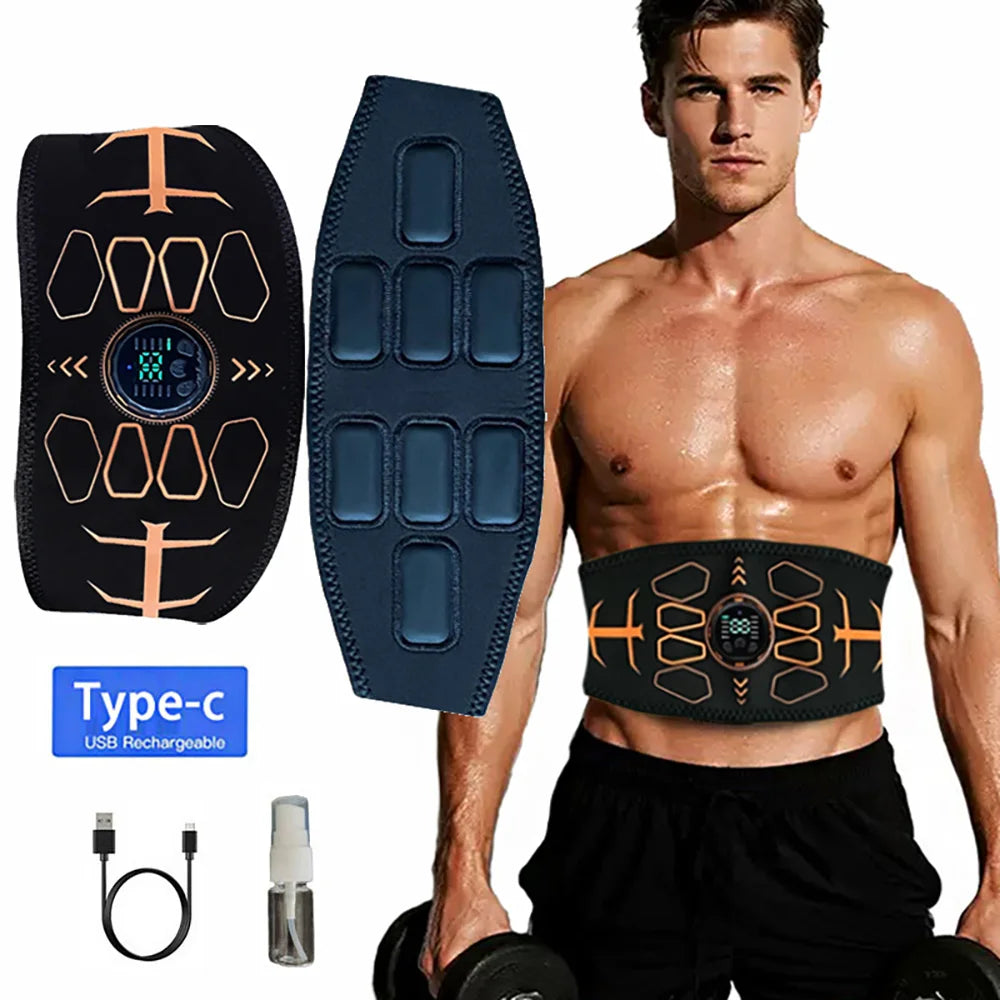
How to improve core strength without gym equipment using smart tools. See it in action.
Weekly Home Core Strength Workout Plan
3-Day Beginner Plan
- Monday: Full 15-minute routine
- Wednesday: Mobility and core activation
- Friday: Full routine
5-Day Intermediate Plan
- Monday: Stability exercises
- Tuesday: Dynamic core training
- Wednesday: Recovery mobility
- Thursday: Strength focus
- Friday: Mixed circuit training
Recovery Recommendations
Allow at least one recovery day each week. Sleep quality, hydration, stress management, and balanced nutrition all contribute significantly to muscle recovery and continued progress.
Common Mistakes That Slow Core Strength Progress
Holding Your Breath
Maintain steady breathing throughout every repetition to improve performance and reduce unnecessary tension.
Rushing Repetitions
Controlled movement creates greater muscle activation than speed and helps reinforce proper exercise mechanics.
Training Only Your Abs
A balanced core program should include the glutes, lower back, obliques, and deep stabilizing muscles.
Ignoring Recovery
Muscles adapt and become stronger during recovery periods, making rest an essential component of long-term progress.
How to Stay Consistent With Daily Core Workouts at Home
Habit Stacking
Pair your workout with an existing routine, such as after brushing your teeth, after work, or before showering.
Track Progress
Record plank duration, completed circuits, exercise quality, and perceived difficulty each week.
Increase Difficulty Gradually
Extend hold times, add repetitions, reduce rest periods, or progress to more challenging exercise variations every few weeks.
How an EMS Abdominal Belt Can Complement Core Training
An EMS abdominal belt may provide additional muscle stimulation alongside a structured exercise program, but it should not replace regular core workouts.
What EMS Can and Cannot Do
- May assist muscle activation
- May complement a structured training program
- Does not replace progressive strength training
- Cannot reduce body fat on its own
When to Use It
Some users include EMS sessions after workouts or during recovery days as part of a broader fitness routine.
Exercise Still Comes First
The greatest improvements in core strength come from consistent exercise, proper nutrition, adequate recovery, and progressive training principles.
| Traditional Core Training | Core Training + EMS Support |
|---|---|
| Requires active exercise | May provide additional muscle stimulation |
| Builds functional strength | Can complement existing routines |
| Requires progressive overload | Still requires progressive overload |
Try it here: EMS Abdominal Toning Belt
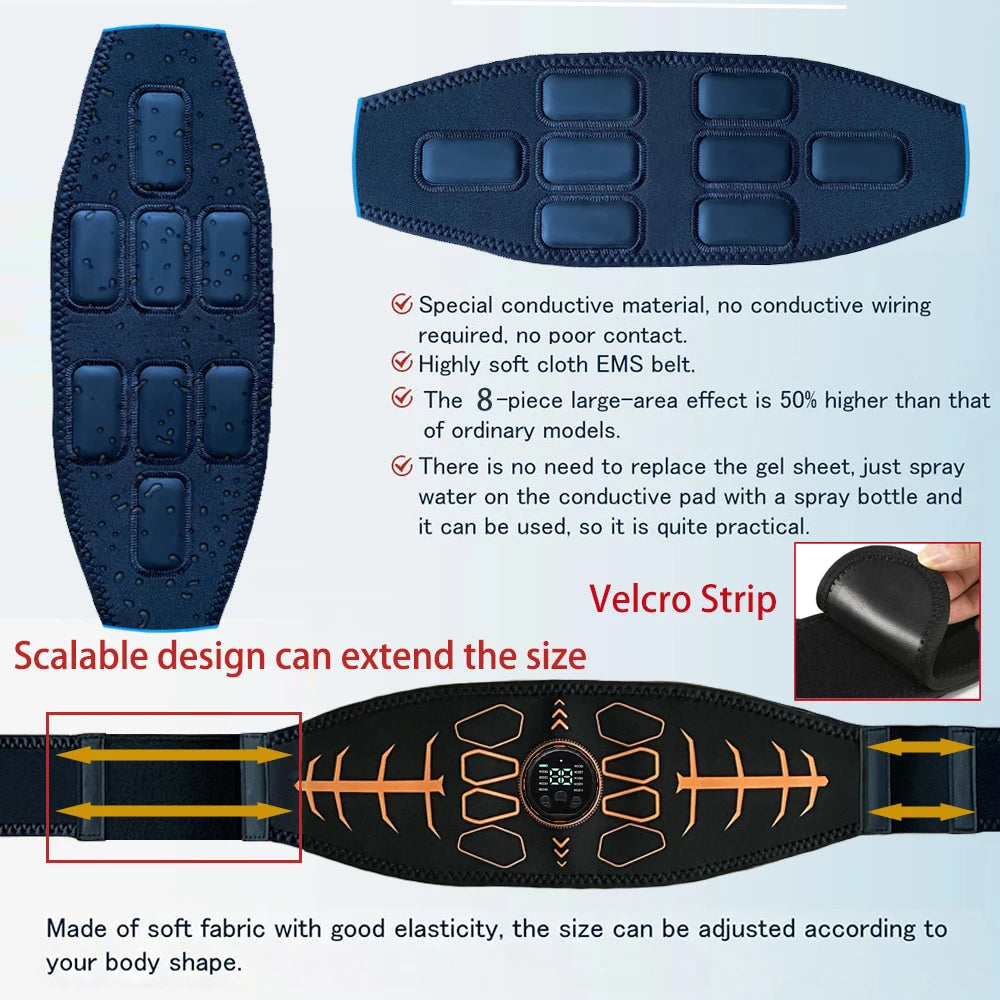
Quick core workouts for busy parents made easier. See it in action.
Frequently Asked Questions
How long does it take to build core strength?
Most beginners notice improvements in stability, endurance, and exercise performance within four to eight weeks of consistent training.
Can you strengthen your core without equipment?
Yes. Bodyweight exercises such as planks, dead bugs, bird dogs, bridges, and side planks effectively develop core strength.
Is a daily core workout safe?
Light core activation can be performed daily, but higher-intensity training sessions should include adequate recovery days.
Which core exercise is best for beginners?
Forearm planks, bird dogs, and glute bridges are excellent beginner exercises because they emphasize stability, posture, and proper movement patterns.
Can a 15 minute core workout build strength?
Yes. Consistency, progressive overload, exercise quality, and proper recovery are more important than workout duration alone.
Should you train your core every day?
Most people benefit from training the core three to five days per week while allowing recovery after challenging sessions.
Do EMS belts replace exercise?
No. EMS devices may complement a training program but cannot replace strength training, healthy nutrition, and regular physical activity.
Related Articles:
- How to Strengthen Core Muscles Without a Gym
- Minute Abs Workout for Beginners: Easy Daily Routine
- Can EMS Build Muscle? Step-by-Step Beginner Guide
- How to Lose Pregnancy Belly Fat Safely and Effectively
Pillar Articles:













