

How to Relieve Back Muscle Pain Fast?
If you're wondering how to relieve back muscle pain quickly, start with gentle movement, appropriate heat or ice therapy, and targeted massage to reduce muscle tension and improve circulation. Staying hydrated, avoiding prolonged bed rest, and following a consistent recovery routine can help ease mild stiffness within hours while lowering the risk of recurring discomfort.
How to Relieve Back Muscle Pain: Step-by-Step Fixes
Back muscle pain can develop after lifting something heavy, sitting at a desk for hours, exercising intensely, or simply maintaining poor posture over time. Fortunately, most cases of mild muscle strain improve with simple self-care. In this guide, you'll learn science-backed strategies to relieve muscle stiffness quickly, understand what causes muscle tension, and discover practical ways to improve muscle recovery at home. You'll also learn when home treatment is appropriate and when persistent pain should be evaluated by a healthcare professional.
⏱ 5 min read
Discover powerful recovery tools inside Body Care and Health Devices to ease tension fast.
Struggling with tight back muscles daily? See how to relieve back muscle pain in minutes.
Which recovery method works best? Heat often helps tight, stiff muscles, while ice may be more helpful during the first day after a new strain accompanied by swelling. Combining gentle movement with the right recovery method usually provides better results than complete rest alone.
Why Back Muscle Pain Happens More Often Than You Think
Back muscle soreness relief starts with understanding the cause. In many people, discomfort isn't the result of a serious injury but of repetitive stress placed on muscles, tendons, and supporting tissues. Everyday habits can gradually overload the back, leading to muscle tension, stiffness, and reduced mobility.
Common Causes of Muscle Strain
Muscle strain occurs when muscle fibers are overstretched or overloaded. Common triggers include:
- Long periods of sitting with limited movement
- Poor posture while working or driving
- Lifting heavy objects with improper technique
- Sudden increases in exercise intensity
- Stress-related muscle tightening, especially in the upper back and shoulders
Symptoms of Muscular Pain vs. Other Back Pain
Muscular back pain usually feels like soreness, tightness, or aching that changes with movement. It often improves with gentle activity and muscle tension relief techniques. Pain accompanied by numbness, tingling, significant weakness, fever, or loss of bladder or bowel control requires prompt medical evaluation because these symptoms may indicate a condition beyond simple muscle strain.
Risk Factors That Delay Recovery
Recovery may take longer when healthy habits are neglected. Factors that commonly slow healing include:
- Poor sleep quality
- Dehydration
- Minimal physical activity
- Chronic stress
- Skipping stretching or mobility exercises
| Cause | Common Effect |
|---|---|
| Prolonged sitting | Lower back stiffness and reduced mobility |
| Poor posture | Muscle fatigue and spinal strain |
| Stress | Persistent upper back and neck tension |
| Poor sleep | Slower muscle recovery |
| Lack of stretching | Reduced flexibility and recurring stiffness |
Step-by-Step: How to Relieve Back Muscle Pain at Home
Most mild muscle strains respond well to evidence-based home remedies for back muscle pain. Combining gentle movement, appropriate temperature therapy, hydration, and adequate rest supports circulation, reduces stiffness, and promotes natural healing.
Gentle Walking and Movement
Avoid staying in bed for long periods. Short walks and light movement help maintain flexibility, reduce stiffness, and encourage healthy blood flow. Change positions every 30 to 60 minutes if you spend long hours sitting.
Heat and Cold Therapy
Choose the therapy that best matches your symptoms:
- Ice: Use during the first 24 to 48 hours after a new strain if swelling or inflammation is present. Apply for 15 to 20 minutes at a time with a cloth barrier.
- Heat: Use after the initial inflammatory stage or for ongoing muscle tightness. A heating pad for 10 to 20 minutes can relax muscles and improve circulation.
Over-the-Counter Pain Relief When Appropriate
If recommended by your healthcare provider and appropriate for your medical history, over-the-counter pain relievers or anti-inflammatory medications may help reduce discomfort and make movement easier. Always follow the product directions and seek medical advice if pain persists or worsens.
Hydration and Sleep for Recovery
Muscles recover more efficiently when the body is well hydrated and adequately rested. Aim for consistent sleep and drink enough fluids throughout the day to support normal muscle function and tissue repair.
-
Stay gently active.
Take short walks and avoid remaining in one position for extended periods. -
Use heat or ice appropriately.
Select the therapy that matches your symptoms and recovery stage. -
Stretch carefully.
Perform slow, controlled stretches without forcing painful movements. -
Consider targeted massage.
Gentle massage can help reduce muscle tension and improve comfort after the initial pain settles. -
Support recovery daily.
Maintain hydration, prioritize quality sleep, and gradually return to normal activities as symptoms improve.
Build a Daily Routine for Muscle Tension Relief Recovery
A consistent routine is one of the most effective ways to reduce recurring back discomfort. Small daily habits help maintain flexibility, improve posture, increase circulation, and support muscle recovery before stiffness has a chance to build up. If you're wondering how to recover from muscle soreness more efficiently, consistency matters more than intensity.
Morning Reset (5–10 Minutes)
Start the day by gently waking up your muscles and joints rather than jumping immediately into prolonged sitting.
- Perform light stretches for the lower back, hips, and hamstrings.
- Complete gentle mobility exercises such as pelvic tilts or Cat-Cow movements.
- Take a short 5- to 10-minute walk to improve circulation and activate supporting muscles.
Midday Reset (Especially for Desk Workers)
Long periods of sitting increase muscle tension and reduce mobility. Brief movement breaks throughout the day can significantly decrease stiffness.
- Stand and move every 30 to 60 minutes.
- Perform shoulder rolls, chest-opening stretches, and gentle back extensions.
- Use a quick self-massage or massage device for a few minutes if muscles begin to tighten.
Evening Recovery
Evening recovery helps relax muscles after daily activities and prepares your body for restful sleep.
- Apply heat therapy to tight muscles if needed.
- Use gentle deep tissue massage or self-myofascial release.
- Practice relaxation techniques such as diaphragmatic breathing or gentle stretching before bed.
Following a daily routine for muscle tension relief helps improve flexibility, reduces recurring stiffness, and supports long-term muscle health. Over time, these simple habits become one of the most reliable ways to improve muscle recovery at home.
Daily recovery routine for tight back muscles. Improve muscle recovery at home with consistent movement and recovery habits.
How to Relieve Muscle Stiffness Quickly (Best Methods Compared)
The fastest treatment depends on the cause of your discomfort. Muscle tightness from prolonged sitting responds differently than soreness after exercise or a recent muscle strain. Combining several evidence-based approaches often produces better results than relying on a single method.
| Method | Speed of Relief | Effectiveness | Best For |
|---|---|---|---|
| Heat Therapy | Fast | High for muscle tightness | Chronic stiffness and muscle tension |
| Gentle Stretching | Moderate | High | Improving flexibility and mobility |
| Massage Tools | Very Fast | High | Localized muscle knots and tight muscles |
| Light Walking | Moderate | High | Stiffness after prolonged sitting |
| Complete Rest | Slow | Low when used alone | Short-term recovery after acute strain |
For many people searching for how to relieve muscle stiffness quickly , combining gentle movement with heat therapy and targeted massage provides faster and longer-lasting relief than complete rest alone.
Recovery Tools That Can Support Muscle Recovery
Recovery tools should complement—not replace—healthy movement, stretching, and proper recovery habits. They can help reduce muscle tension, improve comfort, and make it easier to stay active during recovery.
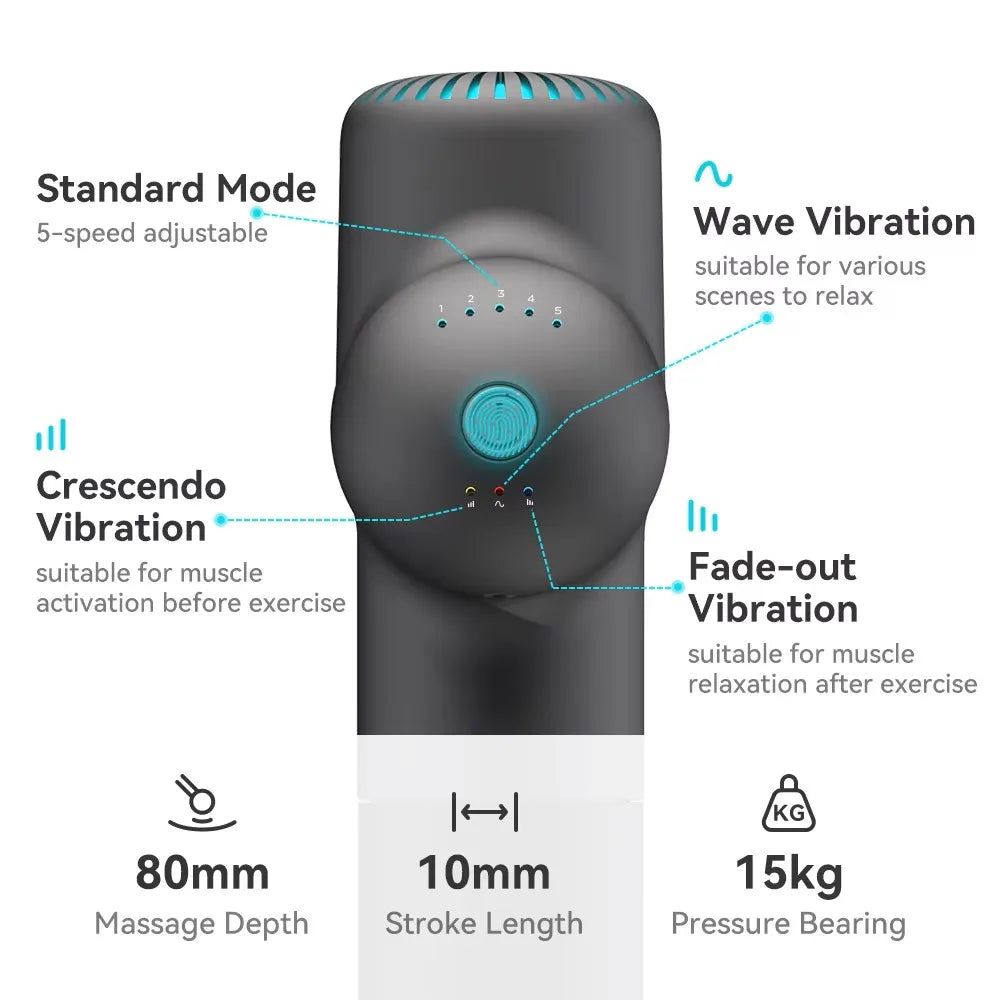
Devices like an electric massage gun deep tissue relief deliver rapid percussion to targeted muscle groups, helping temporarily relieve tightness and improve blood flow before or after activity.
- Support circulation in tight muscles.
- Help reduce feelings of muscle soreness after physical activity.
- Reach difficult muscle groups more easily than manual massage.
- Provide convenient at-home muscle recovery sessions.
Other supportive recovery options include foam rollers for larger muscle groups and heating pads for relaxing chronically tight muscles. Selecting the right tool depends on your symptoms, activity level, and personal comfort.
Pros and Cons of Using a Massage Gun
| Pros | Cons |
|---|---|
| Provides fast, targeted muscle relief | Higher upfront cost than manual tools |
| Convenient for home use | Requires proper technique and consistency |
| Can help improve mobility before or after exercise | Not appropriate for acute injuries, bruising, or certain medical conditions without professional advice |
Common Mistakes That Keep Back Pain Coming Back
Even when symptoms improve, certain habits can delay healing or increase the likelihood of future flare-ups. Avoiding these common mistakes supports long-term muscle tension relief and helps maintain healthy back function.
Too Much Bed Rest
While short periods of rest may help during the first day of an acute muscle strain, prolonged bed rest often weakens muscles and increases stiffness. Gentle movement is generally more beneficial for recovery than remaining inactive for extended periods.
Skipping Mobility Exercises
Flexibility gradually decreases without regular movement. Incorporating stretching, walking, and simple mobility exercises into your daily routine helps maintain range of motion and reduces recurring tightness.
Poor Lifting Technique
Lifting with a rounded back instead of bending through the hips and knees places unnecessary strain on the lower back. Whenever possible:
- Keep objects close to your body.
- Bend your knees instead of your waist.
- Avoid twisting while lifting.
- Ask for assistance with heavy loads.
Ignoring Posture
Poor posture while sitting, standing, or using electronic devices can gradually overload back muscles. Adjust your workstation, keep your shoulders relaxed, and take regular posture breaks throughout the day to reduce unnecessary strain.
Correcting these habits not only improves recovery but also lowers the risk of recurring muscle stiffness and future episodes of back pain.
Healthy movement, good posture, and consistent recovery habits can help prevent recurring back muscle pain.
FAQs
How long does it take to relieve back muscle pain?
Mild muscle soreness often begins improving within several hours to a few days when treated with gentle movement, appropriate heat or ice therapy, and adequate rest. More significant muscle strains may require several weeks for complete recovery.
What is the fastest way to relax tight back muscles?
A combination of light movement, heat therapy for muscle tightness, gentle stretching, and targeted massage often provides the quickest relief. Avoid remaining in one position for prolonged periods, as inactivity can worsen stiffness.
Can I fix back pain at home without medication?
Many cases of uncomplicated muscular back pain improve with home care that includes walking, stretching, hydration, quality sleep, and appropriate recovery tools. However, severe, persistent, or worsening pain should be evaluated by a healthcare professional.
How often should I use a massage tool?
Most people can safely use a massage tool for approximately 5 to 10 minutes per muscle group once or twice daily. Avoid prolonged use over painful, bruised, swollen, or injured areas, and discontinue use if symptoms worsen.
Should I use heat or ice for back muscle pain?
Ice is generally more appropriate during the first 24 to 48 hours after a new muscle strain with swelling or inflammation. Heat is often better for ongoing muscle tightness, chronic stiffness, and improving circulation once acute inflammation has subsided.
What are the best stretches for back muscle pain?
Gentle stretches such as Cat-Cow, Child's Pose, knees-to-chest stretches, and lower trunk rotations can help improve flexibility and reduce muscle tightness. Perform each movement slowly and stop if pain increases.
How can I loosen tight back muscles safely?
Combine regular walking, gentle stretching, heat therapy, good hydration, and gradual movement throughout the day. Massage tools and foam rollers may also help reduce muscle tension when used appropriately.
How long does a back muscle strain usually take to heal?
Minor muscle strains commonly recover within one to three weeks, while moderate strains may take four to six weeks. Recovery time depends on the severity of the injury, overall health, and adherence to a consistent rehabilitation routine.
When should I seek medical care for back muscle pain?
Seek prompt medical attention if back pain follows significant trauma, is accompanied by fever, numbness, leg weakness, loss of bladder or bowel control, unexplained weight loss, or continues to worsen despite several days of appropriate home treatment.
Can walking help relieve back muscle soreness?
Yes. Gentle walking promotes circulation, reduces stiffness, and helps maintain mobility without placing excessive stress on the back. Short, frequent walks are generally more beneficial than prolonged inactivity.
Explore Body Care and Health Devices and start your recovery journey now.
Related Articles:
- How to Relieve Stiff Muscles Fast After Long Days
- Improve Muscle Recovery: Daily Routine That Works
- How to Release Tension in Neck Safely at Home
- Reduce Post Workout Soreness: 7 Steps That Work
Pillar Articles:













