

Does a muscle stimulator TENS machine really work?
A muscle stimulator TENS machine can help many users manage discomfort and support recovery by delivering controlled electrical impulses through electrode pads placed on the skin. When used correctly, TENS may help reduce pain signals, improve comfort, and support relaxation of tight muscles. Results depend on the condition, placement, settings, and consistent use.
How to Use a TENS Machine Safely: Step-by-Step Guide for Beginners
⏱ 5 min read — Learning how to use a TENS machine correctly can make your home therapy sessions safer and more comfortable. This complete guide explains safe TENS therapy at home, correct electrode placement, device settings, troubleshooting, and how to maintain durable TENS pads for muscle stimulation devices for better performance.
Many people buy a muscle stimulator TENS machine hoping for faster pain relief and recovery support but struggle with setup, pad placement, or incorrect settings. The difference between an ineffective session and a comfortable, useful experience often comes down to proper technique.
The key: a TENS machine works best when you understand what it does, where to place the pads, and how to adjust the intensity safely.
Explore effective tools in the Body Care and Health Devices collection.
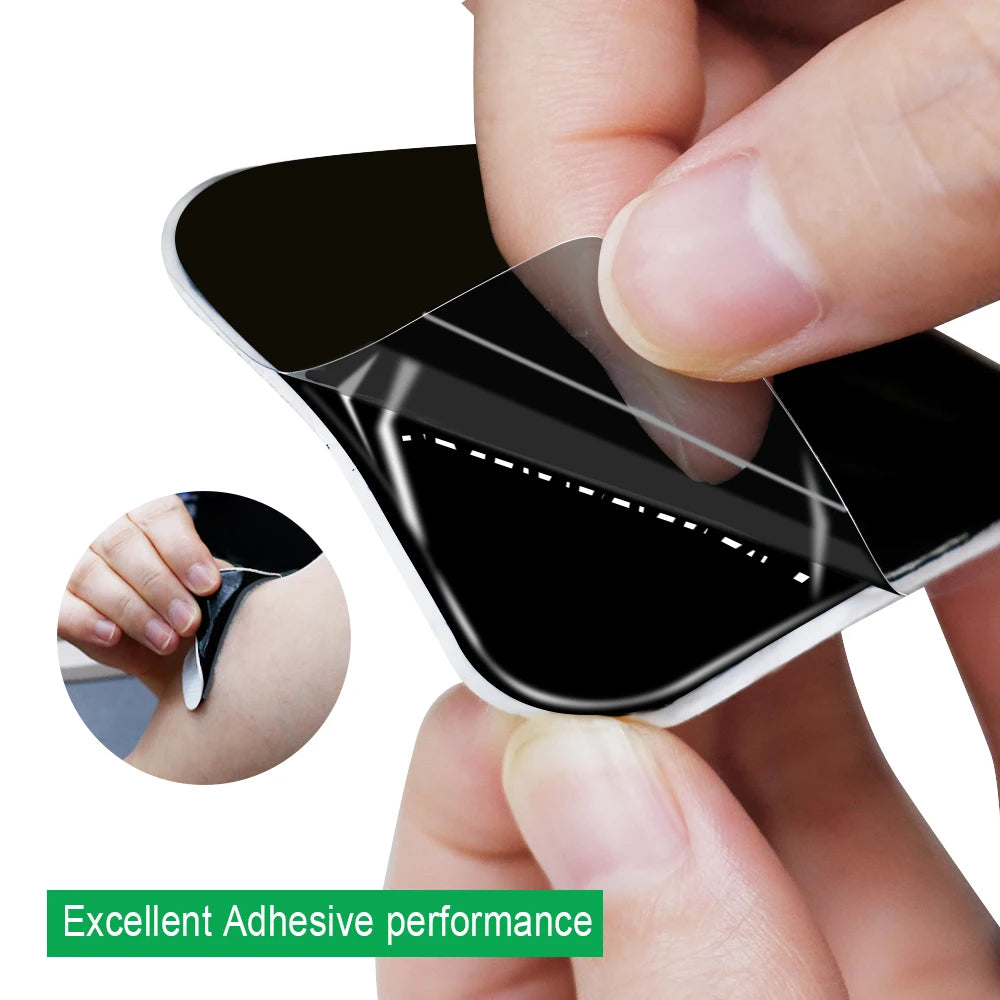
See it in action - muscle stimulator tens machine / tips for safe tens therapy at home, durable tens pads for muscle stimulation devices, high quality ems electrode pads replacement
Are you using your TENS machine the right way? Many users lose results because of simple setup mistakes.
What is a TENS machine and how does it work?
A Transcutaneous Electrical Nerve Stimulation (TENS) machine is a portable device that sends gentle electrical impulses through adhesive electrode pads placed on the skin. These impulses stimulate sensory nerves, helping reduce pain signals traveling to the brain and supporting natural pain-relief responses.
Many modern devices also include EMS (Electrical Muscle Stimulation) programs. While TENS focuses mainly on pain management, EMS creates muscle contractions that may support rehabilitation, recovery, and muscle conditioning.
TENS vs EMS: What's the difference?
- TENS: Designed primarily for pain relief by stimulating sensory nerves.
- EMS: Designed to activate muscles through controlled contractions.
- Combination devices: Offer both TENS and EMS modes for different purposes.
Why more people are switching to at-home therapy
Home TENS units provide convenient, drug-free support for muscle soreness, back discomfort, sports recovery, and everyday tension. They allow users to manage sessions at home without frequent appointments.
Does a TENS machine really work?
For many people, a TENS machine can temporarily reduce discomfort and improve comfort during movement or daily activities. Results vary depending on the type of pain, electrode placement, settings, and how regularly the device is used.
What the research says
Research suggests TENS may help some people manage certain types of musculoskeletal pain, including some cases of joint discomfort and recovery-related soreness. However, TENS is generally considered a supportive therapy and should not replace professional medical care when needed.
What TENS can and cannot do
- May reduce pain signals and improve comfort.
- May help users relax tight muscles.
- Does not repair injuries or cure underlying conditions.
- Does not permanently eliminate chronic pain.
Before you start: TENS machine safety checklist
Before using a TENS machine, check that it is suitable for you and always follow the device manufacturer's instructions.
Who should not use a TENS machine
- People with pacemakers or implanted electronic devices.
- People with uncontrolled epilepsy unless advised by a healthcare professional.
- Pregnant individuals should seek medical advice before use.
- Anyone with broken skin, active infections, or severe irritation at the treatment area.
Areas to avoid placing electrode pads
- Front of the neck
- Eyes and head
- Broken or damaged skin
- Directly over implanted electronic devices
- Across the chest
When to speak with a healthcare professional
Seek medical advice if pain is severe, continues without improvement, follows a major injury, or occurs with symptoms such as weakness, numbness, or loss of function.
How to use a TENS machine step by step
Correct setup helps improve comfort and prevents common mistakes. Follow these steps for a safer session.
- Prepare your skin: Wash and dry the treatment area. Avoid applying lotions before placing pads.
- Connect the electrode pads: Attach lead wires securely before starting the device.
- Place the pads correctly: Position pads around the painful area rather than directly on joints or bones.
- Select the mode: Choose a suitable program based on your device instructions.
- Adjust intensity: Increase gradually until you feel a strong but comfortable tingling sensation.
- Begin your session: Keep the device at a comfortable level and avoid painful stimulation.
- Finish safely: Turn the machine off before removing pads.
- Store pads correctly: Return pads to their protective liner after use.
Higher intensity does not always mean better results. Comfortable stimulation is usually the goal.
Upgrade your setup with durable reusable TENS electrode pads .
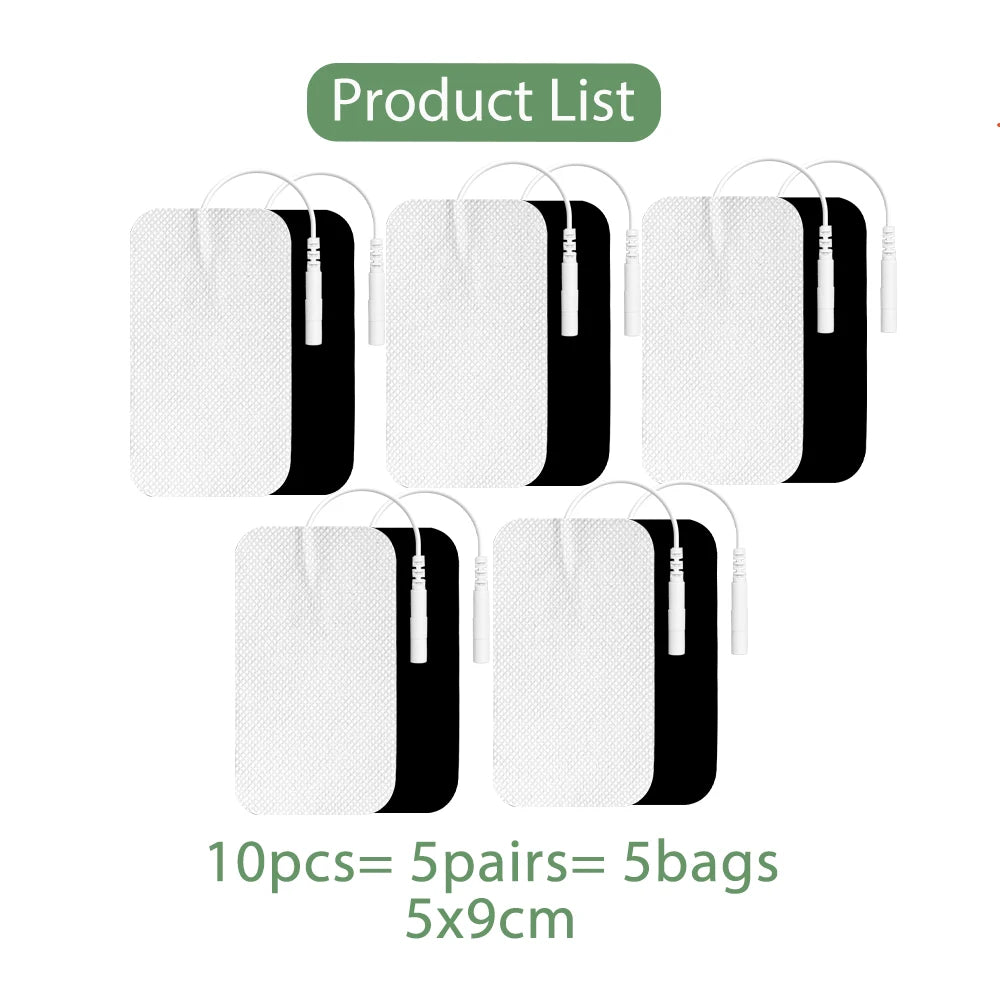
See it in action - muscle stimulator tens machine / tips for safe tens therapy at home, durable tens pads for muscle stimulation devices, high quality ems electrode pads replacement
Where to place TENS pads for different body areas
Correct electrode placement improves comfort and stimulation quality. Place pads around the painful area instead of directly over bones or sensitive areas.
Common placement areas
- Neck: Along the muscles beside the spine. Avoid the front of the neck.
- Shoulder: Around the sore muscle area.
- Upper back: Parallel to the spine.
- Lower back: On either side of the painful region.
- Knee: Above and below the joint area.
- Elbow: Around the surrounding muscles and tendons.
- Hip: Around the affected muscle groups.
- Foot: Around areas such as the arch or heel depending on discomfort.
Understanding TENS machine settings
Most TENS devices allow adjustments to control how stimulation feels.
- Frequency: Controls how often electrical pulses are delivered.
- Pulse width: Controls the duration of each pulse.
- Intensity: Controls stimulation strength and should be increased gradually.
- Treatment modes: Continuous, burst, or modulation settings create different stimulation patterns.
If you are unsure which setting to choose, start with the manufacturer's recommended program.
How long should you use a TENS machine?
Most sessions last around 20–30 minutes, but the ideal duration depends on the device instructions and your personal needs.
- Start with shorter sessions if you are new to TENS.
- Monitor your skin after each use.
- Stop treatment if stimulation becomes painful or causes irritation.
Can a TENS machine strengthen muscles or build muscle?
A standard TENS unit is designed for pain relief rather than muscle growth. While some combination devices include EMS functions, TENS alone does not build muscle mass.
TENS vs EMS for muscle stimulation
EMS creates muscle contractions and may support rehabilitation programs. TENS primarily works by stimulating sensory nerves to help manage discomfort.
Can you exercise while using a TENS unit?
Gentle rehabilitation exercises may sometimes be combined with TENS, but strenuous exercise while wearing electrodes is generally not recommended unless advised by a professional.
How to clean, store, and replace electrode pads
Proper maintenance helps electrode pads maintain good contact and consistent stimulation.
- Place pads back on the protective liner after every use.
- Store them in a sealed bag away from heat and moisture.
- Keep skin clean before application.
- Replace pads when adhesion decreases or stimulation becomes uneven.
Tips to extend pad lifespan
Avoid touching the adhesive surface, applying pads over oily skin, or exposing them to dust and heat.
Using high quality EMS electrode pads replacement can help maintain reliable contact during regular sessions.
Common mistakes when using a TENS machine
- Placing pads too close together.
- Using worn-out electrode pads.
- Increasing intensity too quickly.
- Skipping skin preparation.
- Using pads on unsafe body areas.
- Ignoring manufacturer instructions.
Troubleshooting common TENS machine problems
No sensation
Check the battery, cable connections, pad contact, and increase intensity gradually.
Uneven stimulation
Replace worn electrode pads and confirm both leads are connected properly.
Pads won't stick
Clean the skin, avoid lotions, and replace pads that have lost adhesive strength.
Skin irritation
Stop use if irritation appears and allow the skin to recover before another session.
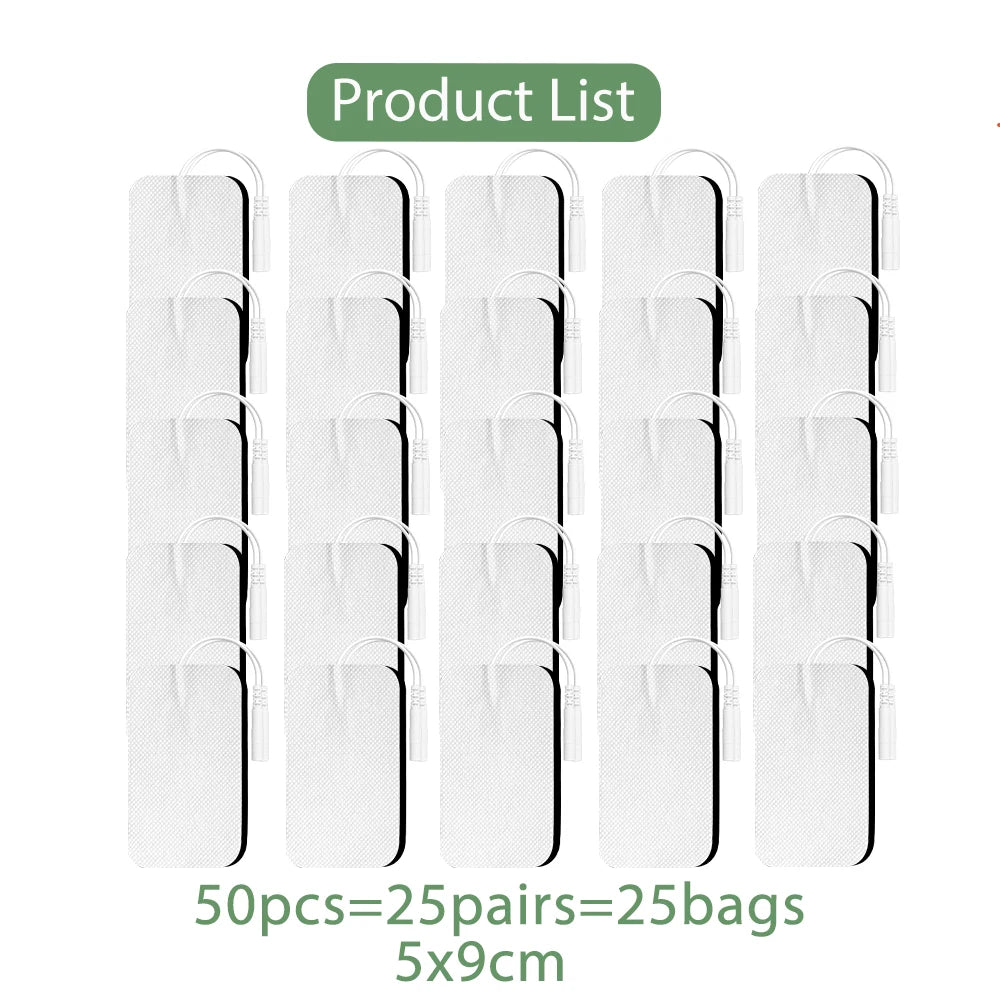
See it in action - muscle stimulator tens machine / tips for safe tens therapy at home, durable tens pads for muscle stimulation devices, high quality ems electrode pads replacement
Get better comfort with premium reusable TENS pads .
Frequently asked questions
How do you use a TENS machine for the first time?
Start with clean skin, place pads around the treatment area, choose a low setting, and gradually increase intensity until you feel comfortable tingling.
How to properly use a TENS unit?
Use correct pad placement, follow device instructions, avoid unsafe areas, and keep sessions within recommended limits.
Can you use a TENS machine every day?
Many users can use TENS daily, but monitor your skin and follow professional advice if treating ongoing pain.
Can you sleep with a TENS machine?
Unless specifically advised by a healthcare professional or manufacturer, avoid sleeping while the device is running.
Can you place a TENS machine on the chest?
No. Electrode placement should not allow electrical current to pass across the chest.
Does TENS build muscle?
No. TENS is designed for pain relief. EMS technology is used for muscle contraction and rehabilitation support.
How long before pain relief starts?
Some people notice changes during a session, while others may need several sessions before noticing improvement.
Is tingling normal?
Yes. A comfortable tingling sensation is expected. Sharp pain, burning, or discomfort means you should stop and adjust.
Pillar Article: tens machine for muscle recovery: how to use it step by step
Other Related Articles:
- what helps muscles recover faster: how to use TENS correctly
- tens pads placement chart: where to place for back pain relief
- electrical stimulation pad placement: simple guide for beginners
Explore More:













