

Does Red Light Therapy Work for Muscle Recovery?
Current research suggests that red light therapy may improve muscle recovery by reducing delayed onset muscle soreness (DOMS), supporting muscle repair, and improving recovery between training sessions. Results are generally strongest when treatment is used consistently alongside proper sleep, nutrition, hydration, and exercise programming.
What research says about DOMS
Multiple clinical studies have found that photobiomodulation may reduce soreness following resistance training by supporting cellular repair and regulating exercise-induced inflammation.
Evidence for strength recovery
Several randomized controlled trials have reported improved recovery of muscle performance, allowing some athletes to regain strength more quickly after demanding workouts.
Current limitations of the evidence
Although evidence continues to grow, treatment protocols vary considerably between studies. Differences in wavelength, treatment dose, timing, and participant fitness levels make direct comparisons challenging.
Red Light Therapy for Muscle Recovery: Does It Work for Sore Muscles, Strains, and Faster Recovery?
If your muscles feel tight, sore, or slow to recover, you're not alone. Whether you're dealing with persistent muscle soreness after exercise, recovering from a mild muscle strain, or managing chronic neck and shoulder tension from long hours at a desk, recovery can feel frustratingly slow. Red light therapy for muscle recovery offers a non-invasive approach that may support faster healing, reduced soreness, and improved physical performance when used appropriately.
⏱ 8 min read
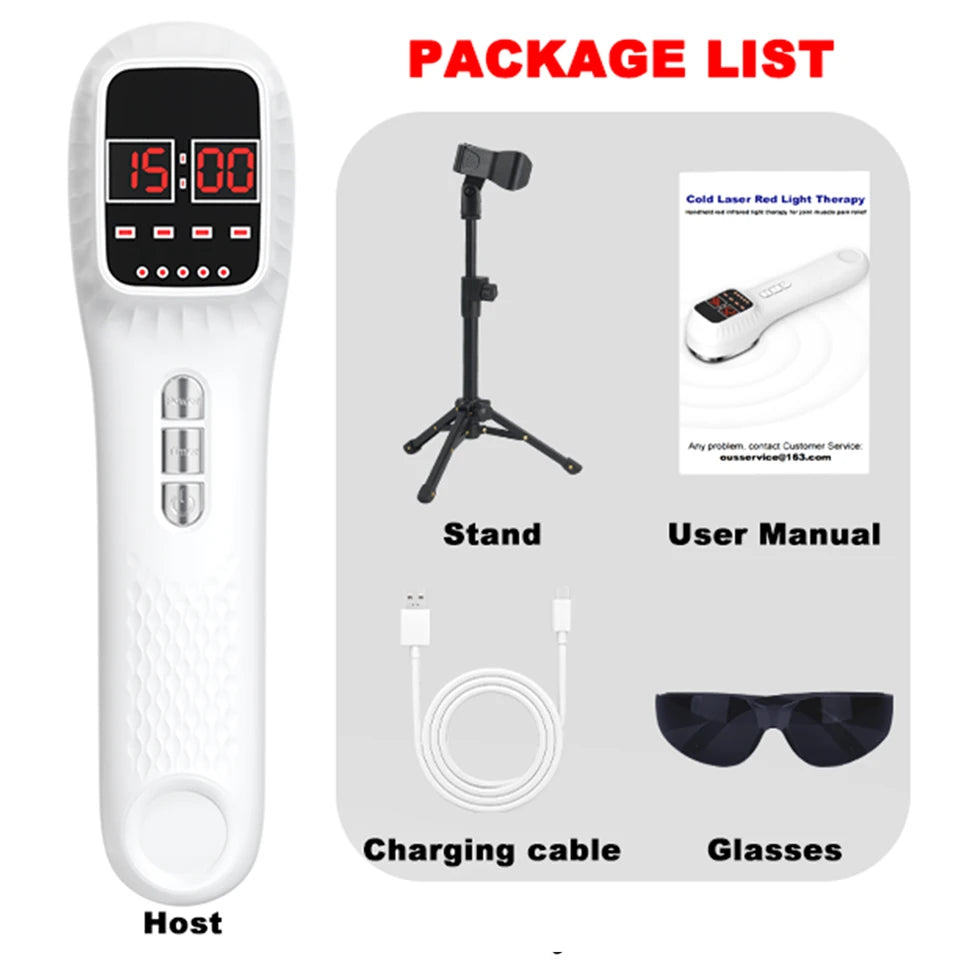
Relieve persistent muscle soreness from workouts with targeted therapy. See it in action.
What Is Red Light Therapy for Muscle Recovery?
Red light therapy for muscle recovery uses specific wavelengths of red and near-infrared light to stimulate cellular repair after exercise, injury, or repetitive muscle strain. This non-invasive treatment is commonly used by athletes, physical therapists, and active adults to reduce soreness, improve recovery, and support healthy muscle function.
How photobiomodulation works
Photobiomodulation refers to the process in which light energy is absorbed by cells. The light interacts with mitochondria, encouraging greater production of adenosine triphosphate (ATP), the primary energy source used for muscle repair and recovery.
Red light vs near-infrared light
Red light primarily affects tissues closer to the skin, while near-infrared light penetrates deeper into muscles, tendons, and connective tissue. Many recovery devices combine both wavelengths to support comprehensive muscle recovery.
Why muscle tissue responds to light therapy
Muscles require energy, oxygen, and efficient circulation to repair microscopic exercise-induced damage. By supporting these cellular processes, red light therapy may help the body recover more efficiently after training.
Related reading: Explore our foundational guide to red light therapy for muscle recovery .
Does Red Light Therapy Work for Muscle Recovery?
Current evidence suggests that red light therapy may improve muscle recovery by reducing delayed onset muscle soreness (DOMS), supporting muscle repair, and improving recovery between training sessions. Benefits appear most significant when treatment is used consistently alongside proper sleep, nutrition, hydration, and exercise programming.
What research says about DOMS
Multiple clinical studies have found that photobiomodulation may reduce post-exercise soreness by supporting cellular repair mechanisms and regulating inflammatory responses following resistance training.
Evidence for strength recovery
Several randomized trials have reported improved recovery of muscle performance, allowing athletes and active individuals to restore strength more quickly after strenuous exercise.
Current limitations of the evidence
Although research continues to expand, treatment protocols vary considerably. Differences in wavelength selection, treatment timing, energy dosage, and participant populations make direct comparisons challenging.
How Red Light Therapy Supports Muscle Recovery at the Cellular Level
ATP production and mitochondrial function
Light energy is absorbed by cytochrome c oxidase within mitochondria. This process may stimulate ATP production, providing additional energy required for cellular repair and recovery.
Blood circulation and oxygen delivery
Improved microcirculation may help transport oxygen and nutrients into recovering muscles while assisting the removal of metabolic byproducts produced during exercise.
Muscle inflammation and tissue repair
While inflammation is an essential component of recovery, excessive inflammation can delay healing. Red light therapy may help regulate inflammatory signaling while supporting tissue regeneration and collagen production.
Benefits of Red Light Therapy for Muscle Recovery
Red light therapy for muscle soreness
Many individuals report reduced post-workout stiffness and muscle discomfort when using red light therapy consistently after exercise.
Red light therapy for muscle strain
For mild muscle strains, red light therapy may support the body's natural recovery process by promoting circulation and cellular repair.
Red light therapy for muscle inflammation
Emerging evidence suggests photobiomodulation may help regulate exercise-induced inflammation without replacing appropriate medical care.
Recovery for athletes and active adults
From recreational exercisers to elite athletes, red light therapy may complement traditional recovery strategies by helping muscles recover between training sessions.
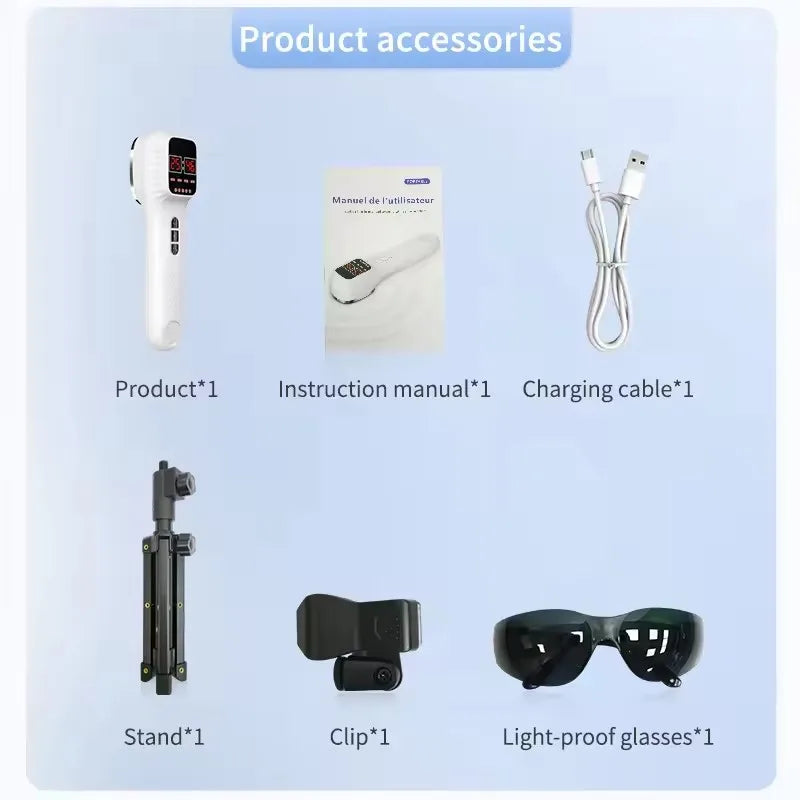
Target chronic neck and shoulder tension with consistent therapy. See it in action.
Red Light Before or After Workout: Which Is Better?
Benefits before exercise
Some research suggests using red light therapy before exercise may improve muscle readiness and reduce fatigue during training.
Benefits after exercise
Post-workout sessions are commonly used to support muscle repair, reduce soreness, and promote recovery after demanding workouts.
Can you use both?
Many athletes incorporate both pre- and post-workout sessions depending on training intensity, recovery goals, and device recommendations.
Recommended Treatment Protocols
Best wavelengths
Most muscle recovery studies use wavelengths between 630–670 nm (red light) and 810–850 nm (near-infrared light).
Session duration
Typical treatment sessions range from 10 to 20 minutes depending on device power output and treatment area.
Treatment frequency
Three to five sessions per week are commonly recommended during periods of intensive training or recovery.
Distance from the device
Maintain the manufacturer's recommended treatment distance to ensure adequate light intensity reaches the targeted muscles.
Expected timeline for results
Some individuals report reduced soreness after several sessions, while consistent improvements generally develop over several weeks of regular use.
For a convenient home solution, a handheld red light therapy device allows targeted treatment of specific muscle groups.
Who Can Benefit Most from Red Light Therapy?
Strength athletes
Red light therapy may support recovery between heavy resistance training sessions and high-volume workouts.
Endurance athletes
Distance runners, cyclists, and other endurance athletes may benefit from reduced accumulated training fatigue.
Office workers
Individuals experiencing muscle tightness from prolonged sitting may use red light therapy alongside exercise and mobility work.
Older adults
Older adults may benefit from improved comfort and recovery when incorporating regular physical activity.
How to Use Red Light Therapy Safely
Safety guidelines
Follow manufacturer recommendations regarding treatment duration, distance, frequency, and eye protection when applicable.
Contraindications
Individuals with photosensitivity disorders, certain medications, or active cancers should consult a healthcare professional before beginning treatment.
When to consult a healthcare professional
Persistent pain, significant swelling, weakness, or suspected muscle tears require professional medical evaluation rather than self-treatment alone.
Red Light Therapy vs Other Muscle Recovery Methods
| Method | Primary Benefit | Best Use Case |
|---|---|---|
| Ice therapy | Reduces acute inflammation | Immediately after injury |
| Heat therapy | Promotes relaxation | Chronic muscle tightness |
| Massage | Improves flexibility | Muscle tension and recovery |
| Foam rolling | Enhances mobility | Pre- and post-workout recovery |
| Compression | Reduces swelling | Post-exercise recovery |
| Red light therapy | Supports cellular recovery | Ongoing recovery support |
Rather than replacing traditional recovery methods, red light therapy is often used alongside them as part of a comprehensive recovery strategy.
At-Home Devices vs Professional Treatments
Home panels
Home panels are suitable for frequent, larger-area treatments and full-body recovery routines.
Handheld devices
Handheld devices are useful for targeting smaller muscle groups and localized discomfort.
Clinical treatments
Professional clinics often use higher-powered systems supervised by trained practitioners.
Choosing the right option
Device selection should consider treatment area, wavelength specifications, irradiance, treatment time requirements, and consistency of use rather than marketing claims alone.
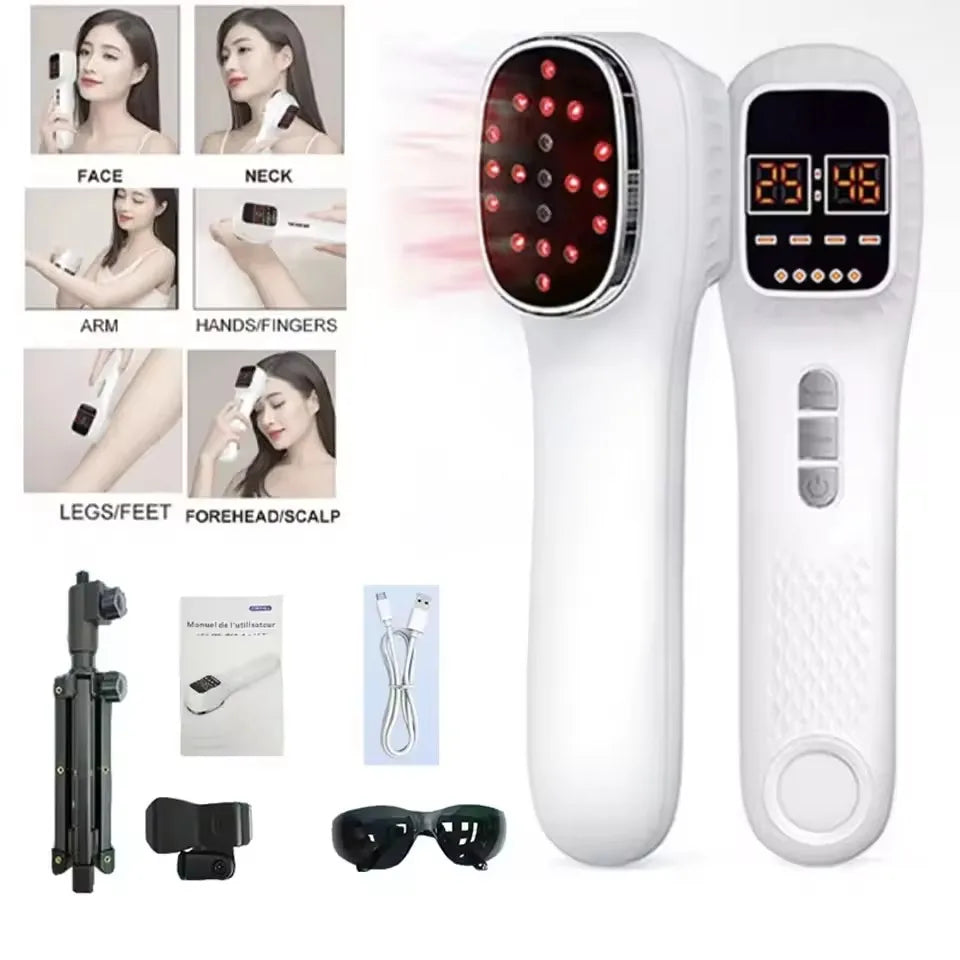
Support muscle pain relief and faster recovery at home. See it in action.
Frequently Asked Questions
Does red light therapy help with sore muscles?
Research suggests red light therapy may reduce soreness following exercise by supporting cellular recovery and healthy inflammatory responses.
Does red light therapy work for muscle recovery?
Current evidence indicates it may improve recovery when combined with appropriate exercise, nutrition, hydration, and sleep.
How often should I use red light therapy?
Many treatment protocols recommend three to five sessions weekly, although recommendations vary by device and recovery goals.
Can red light therapy reduce muscle inflammation?
Studies suggest photobiomodulation may help regulate exercise-induced inflammation, but it is not a substitute for medical treatment of serious injuries.
Should I use red light before or after workout?
Both approaches may provide benefits depending on your training goals, schedule, and recovery needs.
Is daily use safe?
Most healthy adults tolerate appropriately used devices well when following manufacturer instructions.
How long does it take to notice results?
Some individuals notice reduced soreness after several sessions, while long-term recovery improvements typically require consistent use over several weeks.
Pillar Article: Red Light Therapy for Muscle Recovery: Who Benefits Most
Other Related Articles:
Explore More:
- Infrared Light Therapy for Muscle Pain: Worth It or Hype
- Best Portable Red Light Therapy Devices 2026 Ranked
Key Takeaways
Red light therapy for muscle recovery shows promising evidence for reducing muscle soreness, supporting recovery after exercise, and complementing existing recovery strategies. While additional research is still needed to optimize treatment protocols, consistent use alongside exercise, nutrition, sleep, and appropriate medical care may provide meaningful benefits for many individuals seeking faster recovery and improved physical performance.













