

Does red light therapy for muscle recovery really work?
Yes. Research suggests that a red light therapy device for muscle recovery can help reduce muscle soreness, support tissue repair, improve circulation, and shorten recovery time after exercise when used consistently. The strongest evidence comes from photobiomodulation studies using wavelengths around 660nm (red light) and 850nm (near-infrared light).
While results vary depending on device quality, dosage, and treatment consistency, many athletes and rehabilitation professionals incorporate red light therapy alongside stretching, nutrition, sleep, and strength training rather than using it as a standalone recovery method.
What current clinical research says
- Reduced delayed onset muscle soreness (DOMS)
- Improved muscle performance recovery
- Reduced exercise-induced inflammation
- Improved circulation and oxygen delivery
- Potential improvement in muscle endurance
Red light therapy for muscle recovery effectiveness at a glance
Clinical evidence is strongest when treatments use medically recognized wavelengths, appropriate irradiance, and consistent treatment schedules over several weeks. Consumer devices with insufficient power may provide slower or less noticeable results.
Red Light Therapy Device for Muscle Recovery: Does It Work & Which Device Is Best?
Red light therapy for muscle recovery is quickly becoming a go-to solution for anyone frustrated by slow muscle recovery after exercise. Backed by growing research on red light therapy for muscle recovery effectiveness, this approach uses an LED infrared therapy device for muscle recovery to reduce soreness, improve circulation, and accelerate healing without drugs or downtime.
⏱ 8 min read
Ever feel like your muscles take forever to bounce back after a workout—even when you’re doing everything right?
You stretch, hydrate, and rest… yet the soreness lingers. The problem isn’t effort—it’s recovery efficiency.
Discover how modern recovery tools can transform your routine
Explore Body Care and Health Devices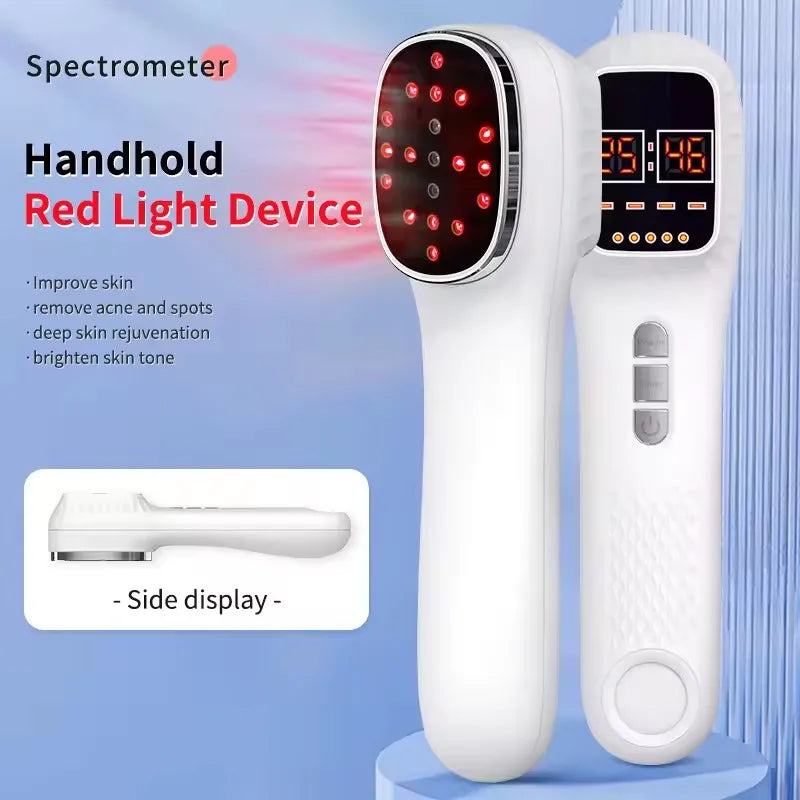
red light therapy for muscle recovery effectiveness See it in action
How does a red light therapy device help muscle recovery?
Red light therapy works through a process called photobiomodulation. Specific wavelengths of red and near-infrared light penetrate skin and muscle tissue, where they are absorbed by mitochondria—the energy-producing structures inside cells.
How photobiomodulation affects muscle cells
Absorbed light stimulates cellular energy production (ATP), allowing damaged muscle fibers to repair more efficiently after exercise.
Why 660nm and 850nm wavelengths matter
Red light around 660nm primarily affects superficial tissues, while near-infrared light around 850nm penetrates deeper muscles, tendons, and connective tissue. Many high-quality recovery devices combine both wavelengths for broader therapeutic coverage.
Increased ATP production and reduced inflammation
- Supports cellular repair
- May reduce oxidative stress
- Improves local blood flow
- Helps regulate inflammatory responses
- Supports faster tissue recovery after intense exercise
Red light therapy muscle recovery benefits
When used consistently, red light therapy may complement traditional recovery strategies by supporting the body's natural repair processes.
Faster recovery after intense workouts
Many users report returning to training sooner with less lingering fatigue after demanding exercise sessions.
Reduced delayed onset muscle soreness (DOMS)
Lower post-workout soreness can improve training consistency and overall exercise adherence.
Better circulation
Improved blood flow may increase nutrient delivery while assisting removal of metabolic waste products.
Support for muscle performance
Some research indicates improved muscle function and endurance when treatments are applied before or after exercise.
Why it helps slow muscle recovery after exercise
Individuals experiencing prolonged soreness may benefit because photobiomodulation supports cellular repair rather than simply masking discomfort.
What Is Red Light Therapy for Muscle Recovery?
Red light therapy is a non-invasive treatment that delivers concentrated wavelengths of visible red and near-infrared light to muscles and soft tissues. Unlike heating pads, the goal is not to generate heat but to stimulate cellular repair.
Difference between red and near-infrared light
Visible red light primarily targets tissues near the surface, while near-infrared light penetrates deeper muscle groups, making combination devices suitable for sports recovery.
Why it matters for slow muscle recovery after exercise
People recovering more slowly because of age, training intensity, or repetitive exercise may benefit from consistent light therapy combined with proper nutrition, hydration, and sleep.
Scientific evidence: Is red light therapy effective for muscle recovery?
Numerous human studies have evaluated photobiomodulation for exercise recovery. While study designs differ, many report reduced soreness, improved recovery markers, and enhanced muscle performance when evidence-based treatment protocols are followed.
Human clinical studies
- Reduced muscle fatigue
- Lower inflammatory biomarkers
- Improved recovery between training sessions
- Reduced delayed onset muscle soreness
Evidence for athletes
Elite athletes often use red light therapy alongside established recovery strategies rather than replacing proven methods.
Current limitations of research
Results depend heavily on wavelength, treatment duration, irradiance, and device quality. Not every consumer device delivers clinically relevant doses.
Best red light therapy device for muscle recovery: What to look for
Irradiance
Higher power density generally allows shorter treatment sessions while maintaining therapeutic dosage.
Treatment area
Large panels suit full-body recovery, while handheld devices are better for targeted muscle groups.
LED count
More LEDs often improve treatment coverage, although overall engineering matters more than quantity alone.
Certifications
Look for safety certifications, manufacturer testing, and transparent technical specifications.
Warranty
A longer warranty often reflects greater manufacturer confidence.
Portability
Choose portable devices for travel or gym use and larger panels for home recovery routines.
Comparison of red light therapy devices for muscle recovery
Before purchasing, compare devices using objective specifications rather than marketing claims.
Feature comparison table
| Device | Wavelengths | Type | Best For |
|---|---|---|---|
| Handheld Red Light Therapy Device | 660nm + 850nm | Handheld | Targeted recovery, travel |
| Joovv Go 2.0 | 660nm / 850nm | Portable | On-the-go users |
| Mito Red Light MitoADAPT | Full spectrum | Panel | Home setups |
| PlatinumLED BIOMAX | Multi-wavelength | Panel | Advanced users |
| Kineon Move+ Pro | Targeted | Wearable | Joint recovery |
Which type is best for each user
- Travel users: handheld devices
- Gym enthusiasts: medium panels
- Professional athletes: full-body panels
- Families: versatile combination panels
Who Benefits Most from Red Light Therapy?
Red light therapy is especially useful for individuals experiencing frequent soreness or slow recovery due to physical demands.
Athletes and fitness enthusiasts
High training frequency requires faster recovery to maintain performance.
Busy professionals
Limited recovery time makes efficient tools valuable.
Individuals with chronic soreness
Regular use may reduce persistent discomfort.
Older adults
Supports natural recovery processes that slow with age.
Red light therapy vs traditional muscle recovery methods
Red light therapy complements rather than replaces established recovery techniques.
- Massage: Relieves muscle tension through manual manipulation.
- Foam rolling: Improves mobility and flexibility.
- Compression: Helps reduce swelling after intense activity.
- Ice therapy: Useful immediately after acute injuries.
- Percussion massage: Targets deep muscle stimulation.
- Red light therapy: Supports cellular repair and recovery.
Learn how to upgrade your recovery routine at home
Explore the handheld red light therapy device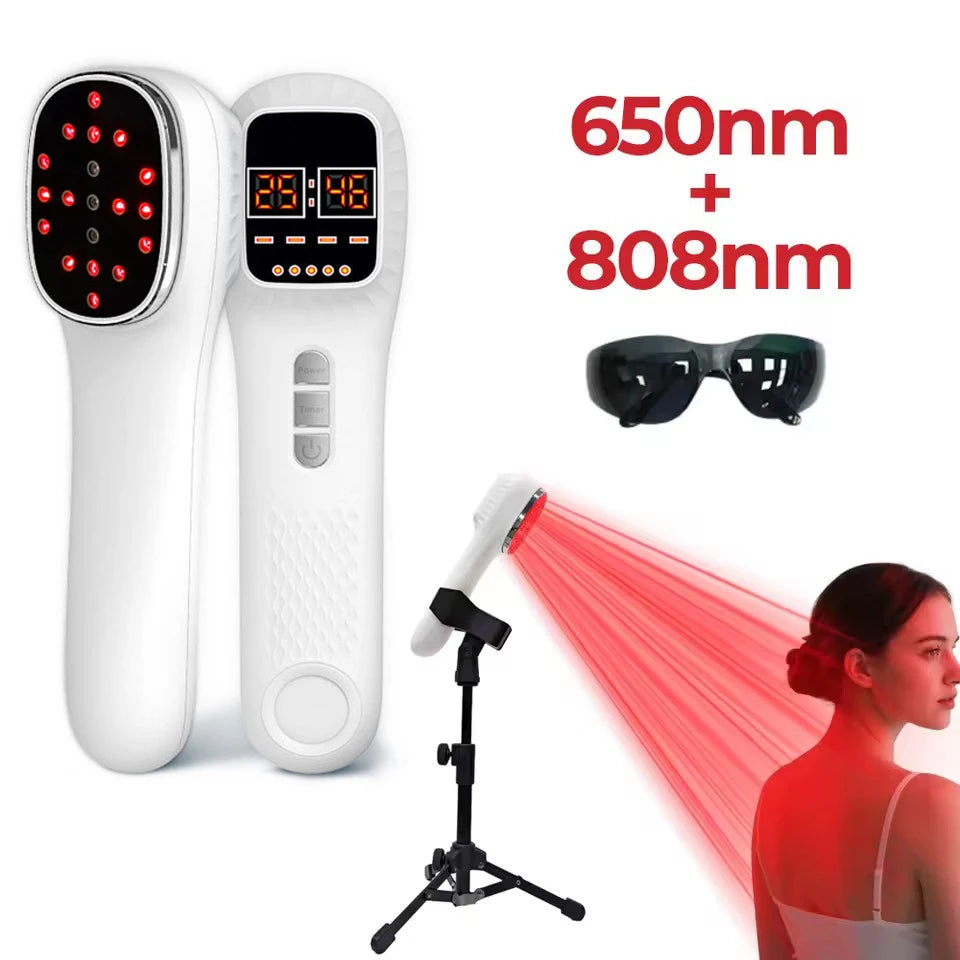
LED infrared therapy device for muscle recovery See it in action
How to use an LED infrared therapy device for muscle recovery
Recommended treatment protocol
- Position the device according to manufacturer instructions.
- Expose clean skin when possible.
- Treat each muscle group for the recommended duration.
- Repeat several times weekly for consistent results.
Treatment time by body part
- Neck
- Shoulders
- Back
- Quadriceps
- Hamstrings
- Calves
Before vs after workouts
Some athletes use treatment before exercise to prepare muscles, while many prefer post-workout sessions to support recovery.
Pro tips for faster results
- Stay consistent
- Combine with quality sleep
- Maintain hydration
- Support recovery with adequate protein intake
- Pair with other recovery tools from Body Care and Health Devices
Safety, side effects, and who should avoid treatment
Red light therapy is generally considered safe when used as directed. Most users experience few or no side effects.
Contraindications
- Consult a healthcare professional if you have a photosensitivity disorder.
- Follow medical advice if undergoing treatment for serious health conditions.
Safe treatment frequency
Consistency is usually more beneficial than excessively long sessions.
Common mistakes
- Using devices too far from the body
- Expecting immediate results
- Choosing low-powered devices
- Skipping treatments
Real Results: What Users Are Saying
Common positive experiences
- Less soreness after workouts
- Faster recovery between training sessions
- Improved flexibility
- Greater consistency in exercise routines
Limitations users report
Benefits are typically gradual and depend on treatment consistency, device quality, and overall recovery habits.
Pros and Cons
- Non-invasive
- Drug-free
- Easy home treatment
- Requires ongoing consistency
- High-quality devices can be expensive
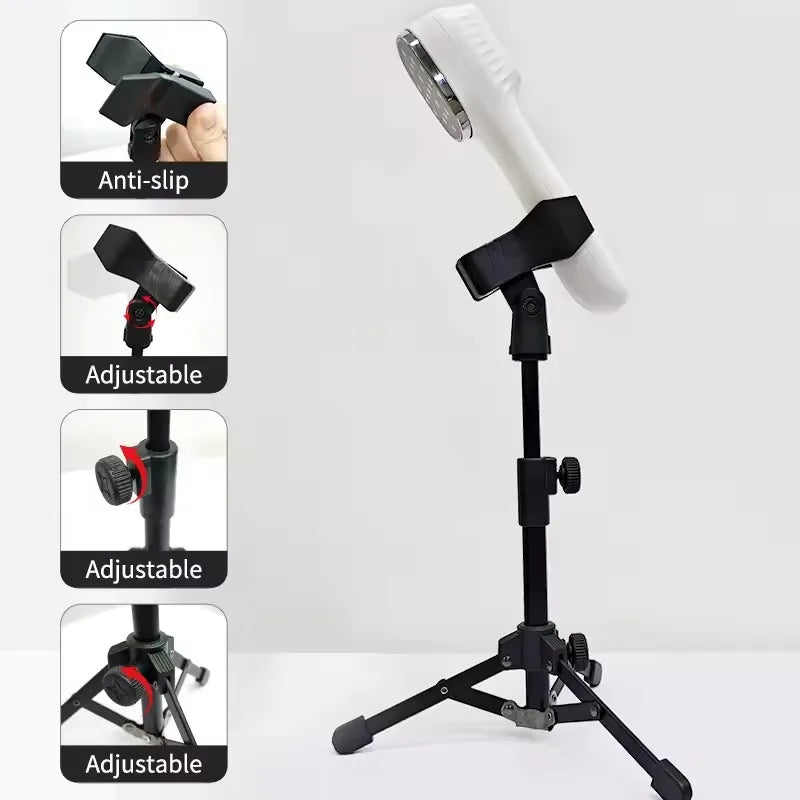
red light therapy for muscle recovery effectiveness See it in action
Get yours now — limited stock!
Shop the handheld red light therapy deviceFrequently Asked Questions
How long does red light therapy take to work?
Many users notice reduced soreness within several sessions, while broader recovery improvements often require several weeks of consistent use.
Is red light therapy safe for daily use?
Most quality devices are designed for regular use when manufacturer instructions are followed.
Can beginners use an LED infrared therapy device for muscle recovery?
Yes. Beginners should start with the recommended treatment duration and increase consistency over time.
Does it replace stretching or massage?
No. It works best alongside established recovery methods.
Can it improve athletic performance?
Some studies suggest potential performance benefits when incorporated into structured training programs.
What wavelength works best?
Many recovery-focused devices combine approximately 660nm red light with 850nm near-infrared light.
How often should you use it?
Most manufacturers recommend several sessions per week, although protocols vary by device.
Can it reduce delayed onset muscle soreness (DOMS)?
Research indicates that photobiomodulation may help reduce DOMS as part of a comprehensive recovery routine.
Related Articles:
- Red Light Therapy for Muscle Strains: When Should You Use It
- Best Red Light Wand for Face: Is It Right for Your Skin
Pillar Articles:













