
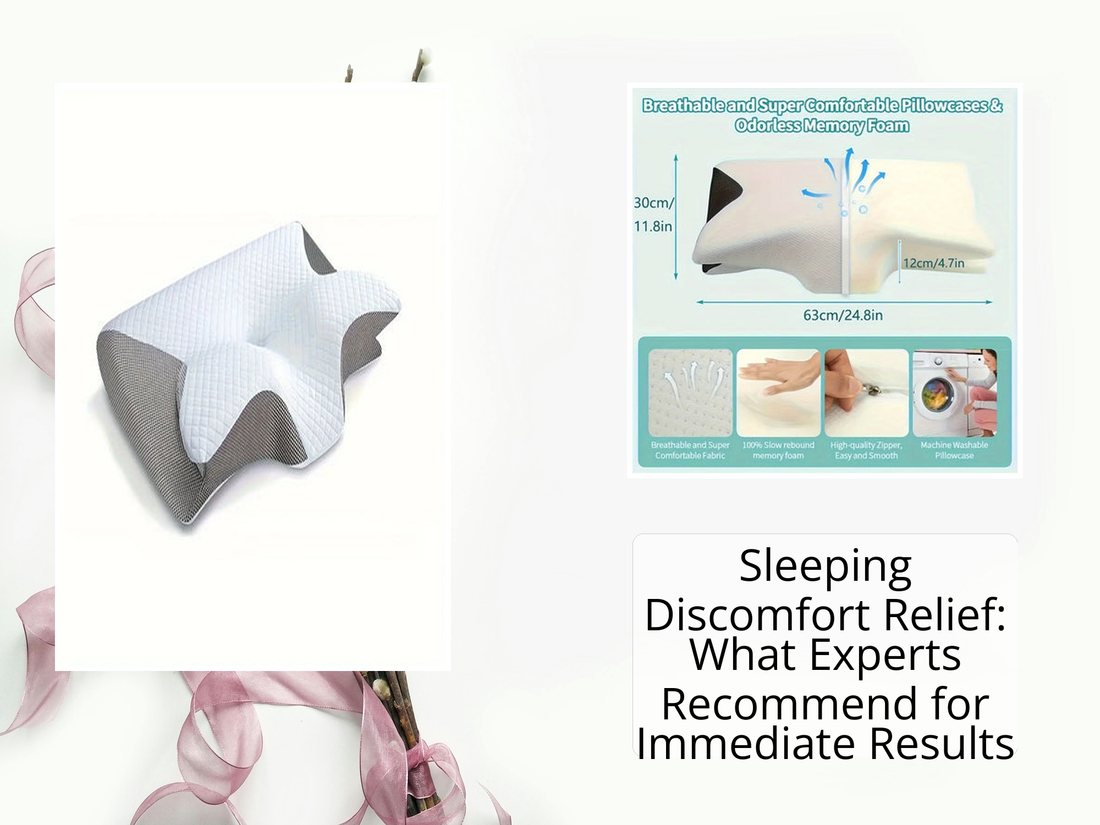
What is the fastest way to get sleeping discomfort relief?
The fastest way to achieve sleeping discomfort relief is to improve spinal alignment before bed. Small adjustments—such as using an orthopedic pillow for neck pain , placing a back pain pillow between your knees when side sleeping, and avoiding stomach sleeping—can reduce strain on your neck, shoulders, and lower back. Gentle stretching and optimizing your sleep environment may also help ease discomfort before you fall asleep.
⏱ 6 min read
Sleeping Discomfort Relief: What Experts Recommend for Immediate Results
If you wake with a stiff neck, sore back, or aching shoulders, you're not alone. Effective sleeping discomfort relief starts by identifying what's causing the problem rather than simply masking symptoms. Better sleep posture, proper pillow support, and consistent bedtime habits can improve comfort immediately while helping prevent recurring pain over time.

Discover how sleeping discomfort relief starts with the right support — see the KentDO Ergonomic Cotton Pillow in action.
What Is Sleeping Discomfort Relief? Common Causes and Symptoms
How Sleeping Discomfort Develops
Sleeping discomfort relief refers to reducing pain, stiffness, or pressure that develops during or after sleep. Occasional soreness after an unusual day of activity is common, but discomfort that appears every morning often suggests problems with sleep posture, bedding, or spinal alignment.
Common Causes: Neck Strain, Back Pain, Pressure Points, and Poor Alignment
Common contributors include:
- Neck pain from sleeping with the head too high or too low.
- Lower back pain while sleeping caused by poor pelvic support.
- Pressure buildup on the shoulders and hips during prolonged side sleeping.
- A mattress that is either too soft or too firm for your body type.
- Pillows that no longer support the natural curve of the neck.
- Overheating or an uncomfortable bedroom environment that disrupts sleep.
Signs Your Sleep Position or Bedding May Be Causing Discomfort
- You wake feeling stiff but improve after moving around.
- Your pain is worse in the morning than later in the day.
- You frequently change sleeping positions throughout the night.
- Your pillow feels flat, lumpy, or no longer supports your head evenly.
What Is the Best Sleeping Position for Pain?
Best Sleeping Position for Neck Discomfort
Back and side sleeping generally provide the best opportunity to maintain a neutral spine. Keep your ears aligned with your shoulders instead of allowing your head to tilt forward or backward. An orthopedic pillow for neck pain may help maintain this natural alignment.
Best Sleeping Position for Lower Back Pain
Back sleepers often benefit from placing a small pillow beneath the knees to reduce lumbar stress. Side sleepers should keep the knees slightly bent while maintaining a straight spine.
Side Sleeping With a Pillow Between Your Legs
A back pain pillow between legs helps reduce hip rotation, keeping the pelvis level and decreasing stress on the lower back. This adjustment is particularly helpful for people who wake with one-sided hip or lumbar discomfort.
When Back or Side Sleeping May Be More Comfortable
Stomach sleeping often forces the neck into prolonged rotation and may increase discomfort. If changing positions feels difficult, gradually transition by using supportive pillows that encourage better alignment.
How to Relieve Sleeping Discomfort: Quick Relief Before Bed
Reset Your Sleeping Position
Before lying down, position your head, shoulders, and hips in a straight line. Even small changes in alignment can reduce overnight muscle tension.
Use Gentle Stretching and Relaxation Techniques
Light neck stretches, shoulder rolls, and hip mobility exercises can reduce tightness before sleep. Avoid aggressive stretching immediately before bed.
Apply Heat or Cold When Appropriate
Heat may relax tight muscles and improve comfort before bedtime, while cold therapy may help if discomfort follows a recent minor strain or inflammation.
Adjust Your Pillow and Sleep Surface
If your pillow no longer supports your neck evenly, replacing it may provide noticeable improvement. An orthopedic pillow for neck pain is designed to better support the natural cervical curve for many back and side sleepers.
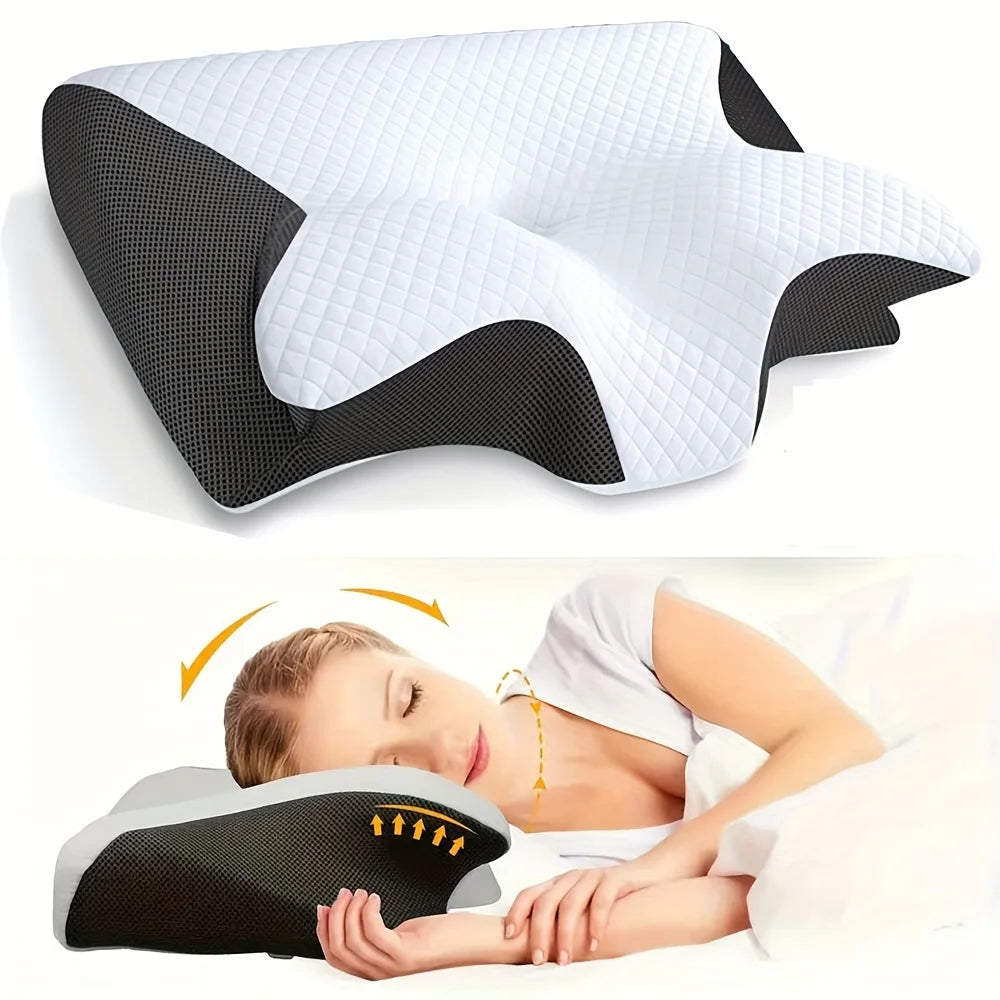
Proper pillow support helps maintain healthier spinal alignment throughout the night.
Why Sleeping Discomfort Happens — and How to Prevent It
Poor Sleep Posture and Spinal Misalignment
Repeatedly sleeping with poor alignment places continuous stress on muscles, ligaments, and joints. While symptoms may feel mild at first, recurring poor posture can contribute to persistent morning discomfort.
Mattress Firmness and Pressure Distribution
Your mattress should support the body's natural curves without creating excessive pressure on the shoulders, hips, or lower back. An unsuitable mattress often causes frequent repositioning overnight.
Pillow Height, Shape, and Support
Pillow height matters as much as firmness. A pillow that's too high can create bad neck posture while sleeping , while one that's too flat may fail to support the cervical spine.
Sleep Temperature and Other Environmental Factors
Overheating, noisy environments, and poor sleep quality may increase muscle tension and reduce restorative sleep. Breathable bedding and a cool bedroom often improve overall comfort.
How to Choose the Right Pillow for Sleeping Discomfort
Choosing a Pillow for Side, Back, and Stomach Sleepers
Different sleeping positions require different pillow heights.
| Pillow Type | Best For | Benefits | Potential Limitations |
|---|---|---|---|
| Orthopedic Pillow (like KentDO Ergonomic Cotton Pillow ) | Back and side sleepers with neck discomfort | Supports cervical alignment and distributes pressure evenly | May require a short adjustment period |
| Memory Foam Pillow | Most side sleepers | Contours around the head and neck | Some models retain heat |
| Feather Pillow | People who prefer softer support | Highly adjustable feel | Can flatten quickly and lose support |
When to Consider an Orthopedic Pillow for Neck Pain
If you consistently wake with neck stiffness or headaches, an ergonomic pillow may provide better support than traditional designs.
How to Check Pillow Height and Neck Alignment
Your neck should remain in a neutral position whether sleeping on your back or side. If your head tilts noticeably upward or downward, your pillow height may not be appropriate.
Signs Your Pillow Is Making Discomfort Worse
- Morning headaches.
- Neck pain from sleeping that improves after several hours.
- Flattened or uneven pillow filling.
- Replacing pillows frequently because they lose shape quickly.
Best Sleeping Discomfort Relief Strategies by Problem
For Neck Pain From Sleeping
- Use proper cervical support.
- Avoid sleeping with multiple stacked pillows.
- Maintain a neutral neck position.
For Lower Back Pain While Sleeping
- Support the knees while back sleeping.
- Use a back pain pillow between legs when side sleeping.
- Avoid twisting the spine.
For Hip and Shoulder Pressure
- Choose pressure-relieving bedding.
- Alternate sleeping sides if needed.
- Keep shoulders aligned rather than rolled forward.
For General Stiffness and Restlessness
- Maintain consistent sleep and wake times.
- Stay physically active during the day.
- Evaluate your sleep setup one adjustment at a time.
Sleeping Tips for Long-Term Comfort and Alignment
Build a Consistent Pre-Sleep Routine
- Stretch gently before bed.
- Reduce screen exposure for at least 30 minutes before sleeping.
- Create a cool, quiet sleep environment.
Improve Daytime Posture and Movement
Good posture during the day reduces cumulative muscle strain that often becomes noticeable overnight.
Reassess Your Pillow and Mattress Over Time
Your support needs may change as bedding ages. Replacing worn pillows and evaluating mattress support periodically can help maintain healthy alignment.
Know When to Change Your Sleep Setup
Rather than replacing everything at once, adjust one factor at a time so you can determine which changes actually improve comfort.
- Keep screens away 30 minutes before sleep to relax your eyes — see Eye Care Devices .
- Create a relaxing bedtime environment with calming essentials from Lifestyle .
When Sleeping Discomfort May Need Professional Evaluation
Pain That Persists or Keeps Getting Worse
If discomfort continues for several weeks despite improving your sleep setup, consider discussing your symptoms with a healthcare professional.
Warning Signs That Should Not Be Ignored
- Persistent numbness or tingling.
- Weakness in the arms or legs.
- Pain following significant trauma.
- Pain accompanied by fever or unexplained weight loss.
When to Talk With a Doctor or Physical Therapist
A clinician or physical therapist can evaluate posture, mobility, and other possible causes when self-care measures no longer provide adequate relief.
FAQ: Sleeping Discomfort Relief
What is the fastest way to relieve sleeping discomfort?
Correct your sleeping posture, use appropriate pillow support, perform gentle stretching before bed, and reduce pressure on painful areas.
Can a pillow really help with sleeping discomfort?
Yes. A supportive pillow that keeps the head and neck aligned may reduce strain during sleep, particularly for people experiencing neck discomfort.
What is the best sleeping position for pain?
Back and side sleeping generally promote better spinal alignment than stomach sleeping, although the ideal position depends on where your discomfort occurs.
Does sleeping with a pillow between your legs help back pain?
For many side sleepers, yes. A pillow between the knees can reduce pelvic rotation and improve lower back alignment.
Why does my neck hurt after sleeping?
Common reasons include poor pillow height, unsupported sleeping posture, muscle tension, or sleeping with the neck rotated for long periods.
What type of pillow is best for neck pain?
The best pillow supports your natural cervical curve and matches your sleeping position. Many back and side sleepers find an orthopedic pillow for neck pain provides consistent support.
How can I relieve lower back pain while sleeping?
Improve spinal alignment by supporting your knees or placing a pillow between your legs, while ensuring your mattress provides adequate support.
When should I see a doctor about sleeping pain?
Seek medical evaluation if pain is severe, lasts several weeks, worsens over time, or is accompanied by numbness, weakness, or other concerning symptoms.
Pillar Article: Best Sleeping Posture Tips for Every Type of Sleeper
Other Related Articles:
Explore More:













