❓ Do smart posture correctors really work?
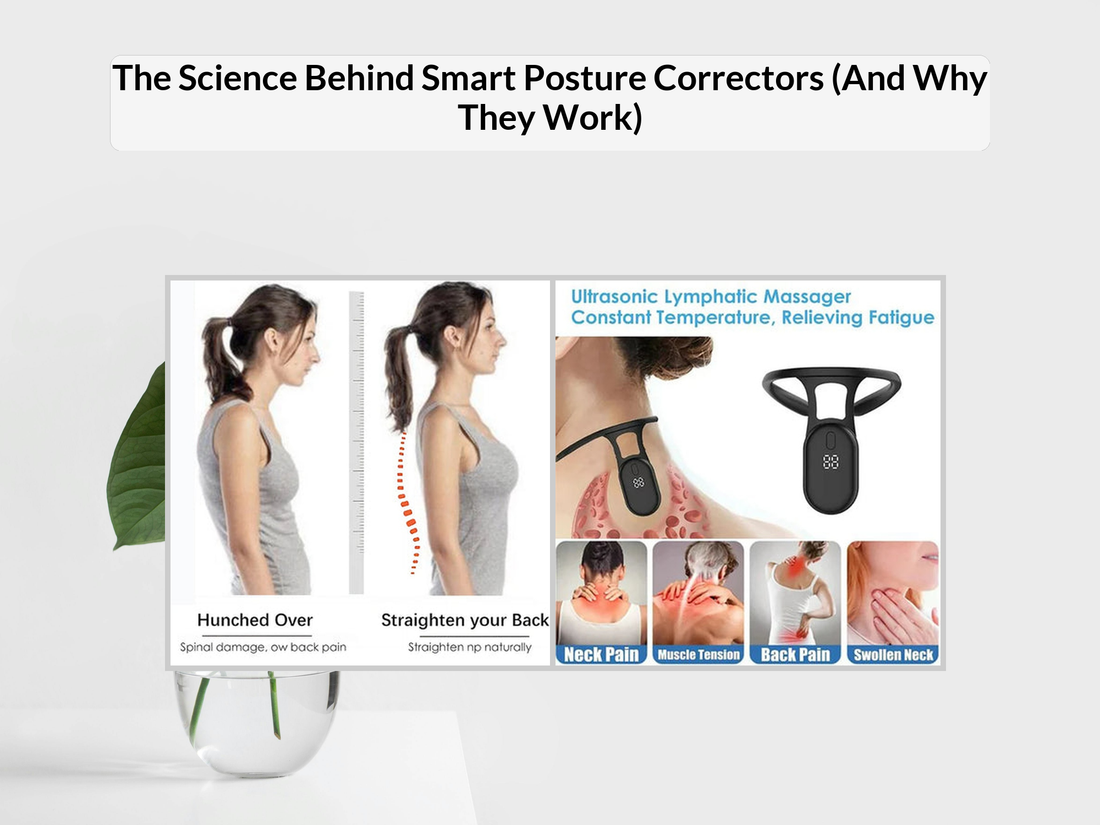
Yes, smart posture correctors work by using vibration alerts and motion sensors to train your body into healthier alignment. Unlike rigid belts, they promote active muscle engagement, build long-term posture habits, and reduce back strain. With consistent daily use, most users notice improved posture and reduced discomfort in just 2–3 weeks.
Smart Posture Corrector Benefits: How Sensor-Based Wearables Improve Posture and Build Better Habits
Posture correction vibration devices are changing the way we sit, stand, and move—backed by science. But do electronic posture correctors work as well as they claim? With smart sensor posture corrector tech now tracking your every slouch, the data—and behavioral science—might surprise you.
⏱ 9 min read
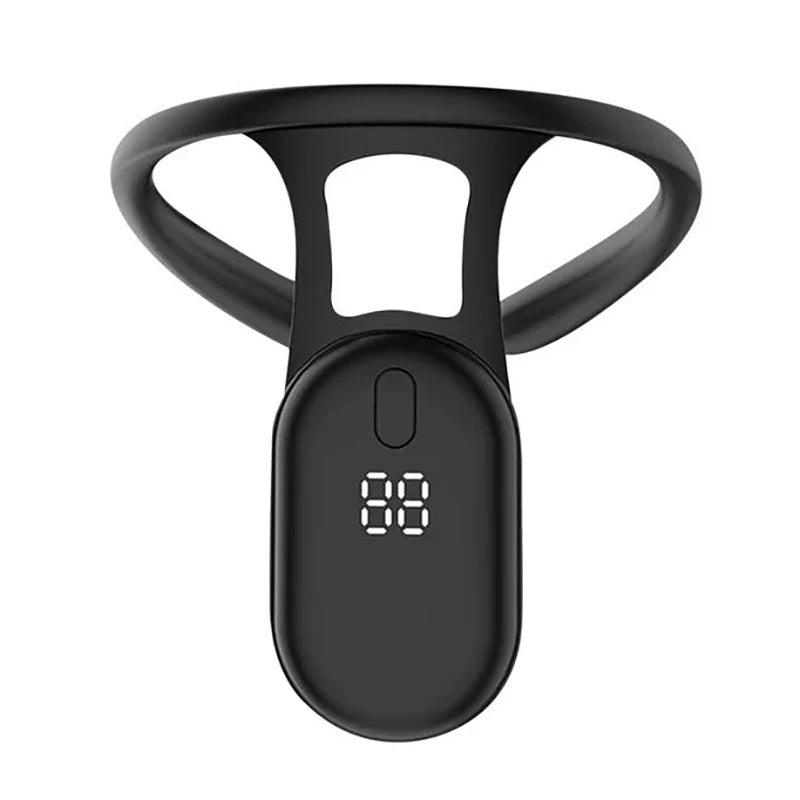
See posture correction vibration tech in action — smart sensor posture corrector in your daily routine
What Is a Smart Posture Corrector?
A smart posture corrector is a posture correction wearable that uses built-in sensors to detect slouching and provide immediate feedback. Unlike traditional posture braces that physically pull the shoulders backward, a smart posture corrector focuses on improving awareness and helping users develop healthier posture habits over time.
Traditional Posture Braces vs Smart Posture Correctors
Traditional posture braces rely on physical support and restriction. Smart posture correctors use technology to monitor posture and alert users when they begin to slouch. The goal is habit formation rather than passive support.
What Makes a Smart Sensor Posture Corrector Different?
A smart sensor posture corrector contains posture sensors that track body position, spinal alignment, and upper-body angle. When poor posture is detected, the device triggers a posture corrector vibration alert to encourage immediate self-correction.
Why Smart Devices Focus on Habit Training
Most posture problems develop gradually through repetitive behaviors. Smart posture correctors target the root cause by improving posture awareness throughout the day, allowing users to actively reinforce better movement patterns rather than relying solely on external support.
How Does a Smart Posture Corrector Sensor Work?
A posture corrector with sensor technology continuously monitors body positioning throughout the day. Most devices use motion sensors and angle-detection systems to identify posture changes associated with slouching.
Posture Sensors and Body Angle Detection
The posture sensor establishes a baseline position when the user is sitting or standing correctly. It then measures deviations from that position in real time.
How a Posture Correction Sensor Identifies Slouching
When the shoulders round forward or the upper back bends beyond a predetermined threshold, the posture correction sensor recognizes the change and activates an alert.
How Vibration Feedback Trains Posture Awareness
Most smart posture correctors use vibration because it provides immediate, private feedback without interrupting work or daily activities.
Why Gentle Vibration Is Effective Behavioral Feedback
The vibration serves as a cue rather than a correction force. Users voluntarily return to a better posture position, strengthening awareness and reinforcing healthier habits over time.

Smart sensor posture corrector adapts to your posture habits — minimal effort, visible results
How Does Posture Corrector Vibration Work?
A smart vibration posture corrector provides feedback whenever poor posture is detected. This immediate alert helps users recognize slouching behaviors that often occur unconsciously.
The Role of Real-Time Posture Alerts
Real-time alerts shorten the gap between poor posture and awareness. The sooner a user notices the problem, the easier it becomes to correct the behavior.
What Happens When You Slouch
As the head moves forward and the shoulders round, strain on the neck, shoulders, and upper back can increase. The device detects these changes and sends a posture alert device notification through vibration.
How Repeated Alerts Build Muscle Memory
Over time, repeated posture corrector vibration reminders can help reinforce proper positioning. Many users eventually require fewer alerts as healthier posture habits become more automatic.
Smart Posture Corrector Benefits Explained
The primary benefit of a smart posture corrector is increased posture awareness. However, consistent use may also support better ergonomic habits and improved body positioning throughout daily activities.
Immediate Benefits of Better Posture Awareness
- Faster recognition of slouching habits
- Improved sitting and standing awareness
- More frequent posture corrections throughout the day
- Better ergonomic consistency at workstations
Long-Term Posture Corrector Benefits
- Development of healthier movement habits
- Reduced dependence on external reminders
- Improved postural consistency during daily activities
- Greater awareness of body alignment
Benefits for Neck, Shoulders, and Upper Back
Maintaining better posture may reduce mechanical stress placed on the neck, shoulders, and upper back during prolonged sitting. Many users report improved comfort during extended screen use.
Benefits for Workplace Ergonomics and Productivity
By encouraging consistent posture, smart posture correctors complement ergonomic setups and help reduce fatigue during long work sessions.
Do Electronic Posture Correctors Work?
Many users ask whether electronic posture correctors work. The answer depends largely on consistent use and realistic expectations. These devices are designed to improve awareness and habit formation rather than force permanent posture changes.
Evidence From Ergonomics and Physiotherapy
Experts emphasize awareness, movement, and behavioral correction as key components of posture improvement. Smart devices align with these principles.
Why Reminder-Based Devices Improve Posture Habits
Habit change requires repetition. By notifying users whenever poor posture occurs, these devices increase opportunities for correction.
What Research Says About Behavioral Feedback Systems
Immediate feedback is widely recognized as effective for improving unconscious habits. Posture devices apply this principle in real time.
Realistic Expectations and Limitations
Smart posture correctors are not medical treatments. They work best when combined with movement, exercise, and ergonomic adjustments.
How Do Posture Correctors Work to Create Lasting Change?
Awareness Before Correction
The first step is recognizing poor posture when it occurs. Smart devices bridge this awareness gap.
Habit Formation and Neuroplasticity
Repeated corrections strengthen neural pathways associated with better posture, turning conscious effort into habit.
Why Consistency Matters More Than Wear Time
Short, consistent sessions are more effective than prolonged passive use without active engagement.
Smart Posture Corrector Benefits for Everyday Users
Back Posture Corrector Benefits for Desk Workers
Desk workers benefit from reminders that reduce prolonged slouching and improve workstation habits.
Students and Laptop Users
Students often develop forward-head posture. Smart alerts help reinforce better screen positioning.
Drivers and Frequent Travelers
Long sitting periods in vehicles contribute to poor posture. Wearables increase awareness during travel.
People Recovering From Poor Posture Habits
Real-time reminders help reinforce newly learned posture patterns and accelerate improvement.
Do Posture Corrector Belts Work?
Passive Braces vs Smart Sensor Posture Correctors
Traditional belts provide physical support, while smart devices train behavior through feedback.
Do Posture Correction Belts Work Long Term?
Belts may help temporarily, but lasting improvement requires habit development and muscle engagement.
Are Posture Corrector Belts Good or Bad?
The effectiveness depends on usage goals. Belts provide support; smart devices build habits.
Are Smart Posture Correctors Safe to Use Daily?
Recommended Daily Usage
Most devices should be used gradually, focusing on awareness rather than dependency.
Common Mistakes to Avoid
- Relying only on the device
- Ignoring ergonomics
- Skipping movement breaks
- Expecting instant results
Who Should Consult a Healthcare Professional First
Individuals with chronic pain or spinal conditions should seek professional advice before use.
How Long Does It Take to Improve Posture?
Habit Training Timeline
Posture improves gradually through consistent awareness and correction.
Recommended Daily Wear Time
Start with shorter sessions and increase gradually as comfort improves.
Signs Your Posture Is Improving
- Fewer vibration alerts
- Greater awareness
- Improved sitting habits
- More consistent alignment
KentDO Smart Posture Corrector Review
The KentDO combines precise posture sensors with vibration feedback in a lightweight, wearable design built for daily habit training.
| Pros ✅ | Cons ❌ |
|---|---|
| Lightweight, sleek design | Vibration may feel subtle |
| Adjustable sensitivity | Requires charging |
| Ideal for desk workers | Not for medical conditions |
| Supports habit training | No sound alerts |
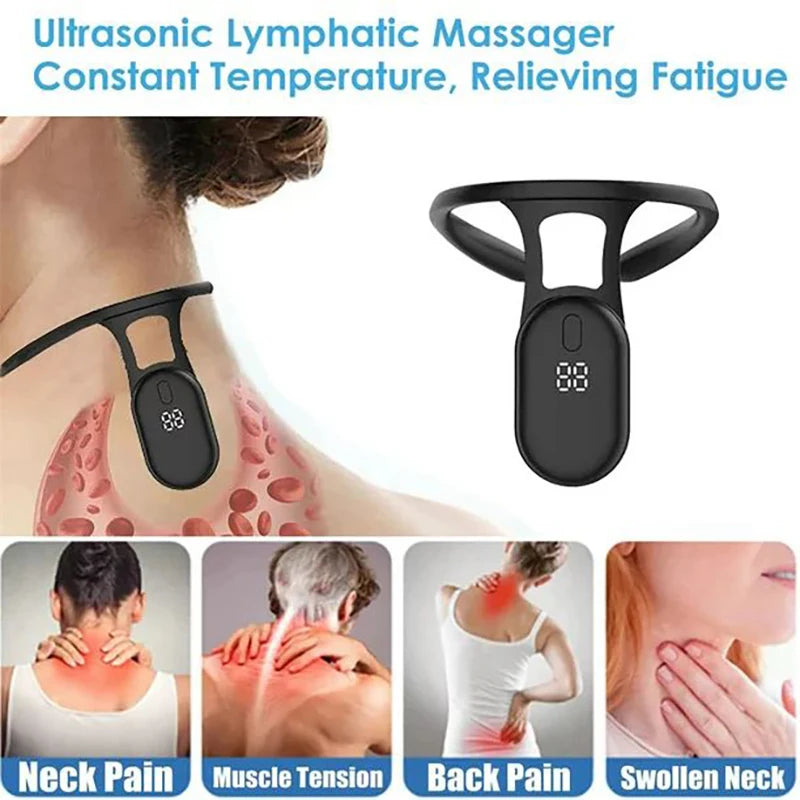
KentDO’s vibration feedback helps reinforce proper posture naturally
Want more wellness tech? Explore our Body Care and Health Devices collection.
Smart Posture Corrector FAQ
Are posture correctors effective?
They can be effective when used consistently alongside exercise and ergonomic improvements.
Do electronic posture correctors work?
Yes, they improve awareness through real-time feedback rather than force.
How do posture correctors work?
They detect poor posture and encourage active correction through reminders.
Do posture correction belts work?
They provide temporary support but may not build lasting habits.
Are posture sensors safe to use daily?
Yes, when used according to guidelines.
Can a posture corrector increase height?
No, but it can help you stand taller by improving alignment.
How long should I wear a smart posture corrector?
Short, consistent sessions are typically most effective.
Related Articles:
- What Makes a Posture Fixing Device Worth the Price?
- Posture Corrector Electronic vs Manual: What’s the Real Difference?
Pillar Articles: