

Does upper back muscle soreness respond best to neck-focused heat?
Upper back muscle soreness often improves most effectively when warmth reaches both the neck and upper back together. Because the trapezius and surrounding muscles span both regions, heat can relax tight tissues, improve circulation, and reduce stiffness across the entire area. For posture-related discomfort or everyday muscle tension, a targeted upper back heating pad or neck shoulder heat wrap often provides greater comfort than rest alone.
Heat on Back of Neck: When It Helps, When It Doesn’t, and How to Use It Safely
The back of your neck may feel warm, hot, tight, or sore after a long workday, intense exercise, or prolonged stress. In many cases, this sensation comes from overworked muscles rather than an underlying illness. Knowing what causes heat on the back of the neck—and when heat therapy is actually appropriate—can help you relieve discomfort safely while recognizing situations that require medical attention.
⏱ 8 min read
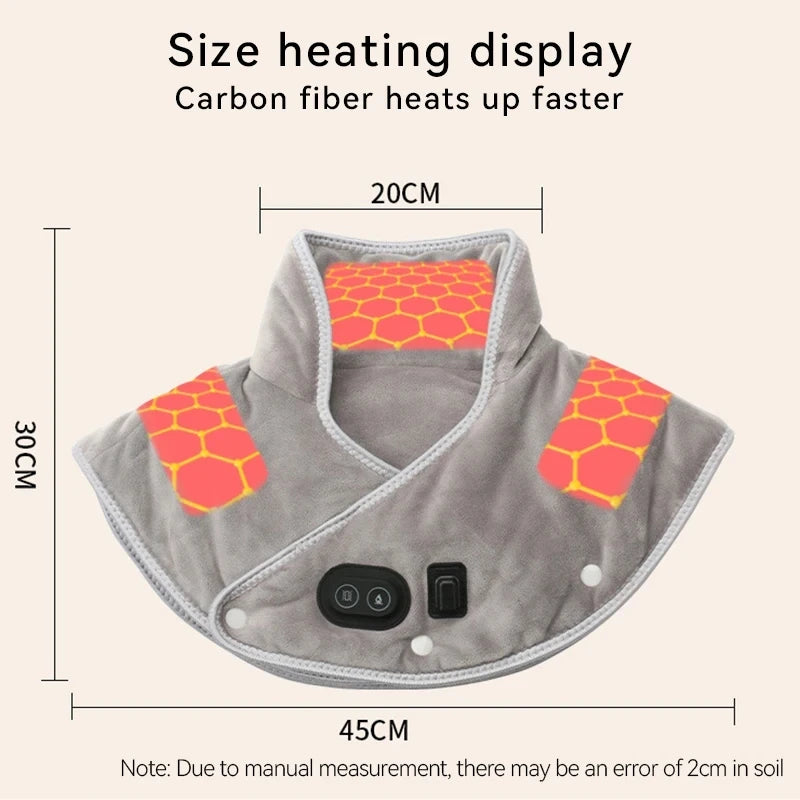
Targeted warmth for upper back muscle soreness — See it in action
Heat on Back of Neck: What It Means and When It Helps
A feeling of heat on the back of the neck can range from mild warmth after physical activity to a burning sensation associated with irritated nerves. Most cases are related to muscle tension, poor posture, or increased blood flow after activity. Distinguishing between these sensations helps determine whether heat therapy is likely to help.
If the back of your neck is hot because muscles feel tight and overworked, gentle heat often improves comfort by relaxing muscle fibers and encouraging healthy circulation. However, if the sensation is accompanied by numbness, severe burning pain, fever, rash, or sudden weakness, heat is unlikely to address the underlying cause and medical evaluation may be appropriate.
Why Does the Back of Your Neck Feel Hot?
Several everyday factors can make the back of your neck feel warm without indicating a serious problem.
Muscle tension and poor posture
Hours spent looking down at a phone or sitting in front of a computer place continuous strain on the neck extensors and upper trapezius muscles. As these muscles work harder, they may feel warm, tight, and fatigued.
Stress, fatigue, and nervous system response
Emotional stress commonly causes unconscious tightening of the shoulders and neck. Reduced muscle relaxation can create stiffness, tenderness, and a sensation of warmth even without exercise.
Nerve irritation and sensitivity
A burning sensation in the back of the neck may occasionally reflect irritated nerves rather than muscle tightness. This feeling is more likely to occur alongside tingling, numbness, shooting pain, or symptoms that travel into the shoulder or arm.
Environmental factors and increased body temperature
Hot weather, vigorous exercise, warm showers, or wearing heavy clothing can temporarily increase skin temperature around the neck. These situations usually resolve once your body cools and are different from persistent muscle-related discomfort.
Common Symptoms That May Occur With Neck Heat Sensation
A warm or hot feeling in the neck often occurs alongside other symptoms that provide clues about the underlying cause.
Tightness and upper back muscle soreness
Because the trapezius connects the neck, shoulders, and upper back, muscle tension commonly spreads across all three areas, producing soreness that becomes more noticeable after prolonged sitting.
You may find it difficult to comfortably turn your head, especially after sleeping in an awkward position or working at a desk for several hours.
Tingling, burning, or nerve-related sensations
If warmth is accompanied by persistent burning, tingling, numbness, weakness, or pain radiating down the arm, the symptoms may involve nerve irritation rather than simple muscle fatigue. These symptoms should not be treated with heat alone if they continue or worsen.
Does Heat on the Back of the Neck Help Pain and Stiffness?
Yes—heat therapy can reduce muscle stiffness, improve flexibility, and increase comfort when discomfort is caused by muscle tension, poor posture, or chronic tightness. It is most effective for muscular conditions rather than inflammatory injuries.
How heat therapy relaxes muscles and improves comfort
Gentle warmth encourages muscles to relax, making movement feel easier and reducing the protective muscle guarding that often develops after prolonged tension. Many people also find that heat creates a calming effect that helps break the cycle of stress-related muscle tightness.
What types of neck and upper back discomfort respond best
- Chronic neck stiffness from desk work
- Upper back muscle soreness caused by posture
- Tension headaches associated with tight neck muscles
- Muscle fatigue after exercise once inflammation has settled
- Stress-related neck and shoulder tightness
Heat therapy can improve symptoms, but it does not treat every cause of neck pain. Persistent neurological symptoms, significant trauma, or severe pain require appropriate medical assessment.
Heat vs Cold Therapy for Neck and Upper Back Pain
Choosing between heat and cold depends largely on whether your discomfort comes from muscle tension or recent injury.
When heat is better for stiffness and muscle tension
- Chronic muscle tightness
- Desk-related neck and upper back discomfort
- Stress-induced muscle tension
- Morning stiffness
When cold therapy may be better for swelling or injury
- New muscle strains during the first 24–48 hours
- Visible swelling or inflammation
- Sharp pain immediately after injury
- Minor sports injuries
Quick heat or cold decision guide
- Stiff muscles → Heat
- Swollen tissue → Cold
- Chronic soreness → Heat
- Recent injury → Cold first, then consider heat after inflammation improves
When Heat Works Best for Upper Back and Neck Muscle Soreness
Heat therapy provides the greatest benefit when muscles have become tight from daily habits instead of acute injury.
Desk posture and long periods of sitting
Forward head posture and rounded shoulders increase workload on the upper trapezius. Applying heat after work, followed by gentle posture exercises, can help restore normal muscle flexibility.
Chronic muscle tightness and tension
People who regularly experience tight neck muscles often benefit from consistent heat sessions combined with stretching and movement throughout the day.
End-of-day neck and shoulder fatigue
Using heat during the evening can reduce accumulated muscle tension, helping many people relax before bedtime and making the next morning feel less stiff.
Upper Back Heating Pad vs Neck Shoulder Heat Wrap
Both devices provide therapeutic warmth, but each is designed for slightly different situations.
Coverage area and comfort differences
| Feature | Upper Back Heating Pad | Neck Shoulder Heat Wrap |
|---|---|---|
| Coverage | Broad upper back muscles | Neck, shoulders, and upper trapezius |
| Fit | Flat design for sitting or lying down | Contours naturally around the shoulders |
| Mobility | Best during relaxation | Allows greater freedom while seated |
| Best Use | General upper back soreness | Combined neck and upper back tension |
Choosing the right heat therapy option
If your discomfort is concentrated between the neck and shoulders, a wearable design often maintains better contact with the muscles than a flat pad. Many users prefer a heated neck and shoulder pad because it naturally covers both common tension areas without frequent repositioning.
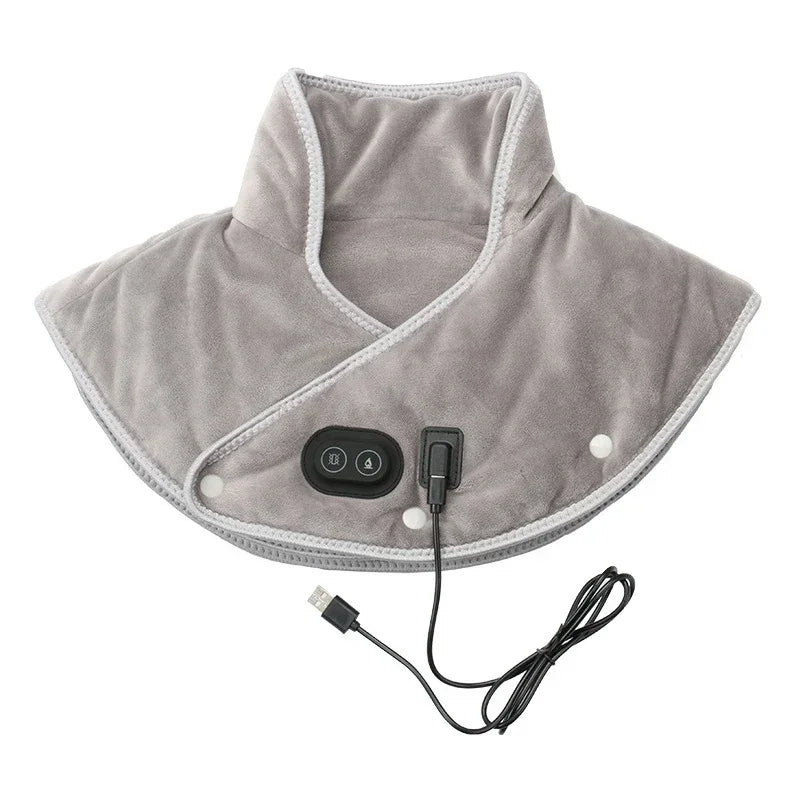
Upper back heating pad comfort meets neck shoulder heat wrap design — See it in action
How to Use Heat Therapy on the Back of the Neck Safely
Correct application helps maximize comfort while minimizing the risk of skin irritation.
Recommended temperature and application time
- Choose a comfortably warm setting rather than maximum heat.
- Apply for approximately 15–20 minutes.
- Avoid falling asleep with an active heating device.
How often to use heat therapy
- Two or three sessions daily for persistent muscle stiffness.
- One session after work, exercise, or long periods of sitting for maintenance.
Best positions for neck and upper back relief
- Sit upright with relaxed shoulders.
- Support your neck while reclining if possible.
- Avoid slouching or leaning forward during treatment.
When You Should Avoid Heat on the Back of the Neck
Although heat therapy is generally safe for muscle tension, there are situations where it should be avoided.
Signs of acute injury or inflammation
- Recent trauma
- Visible swelling
- Redness with increasing pain
- Sharp pain immediately after injury
Skin sensitivity and burn prevention
- Never place excessive heat directly against bare skin for prolonged periods.
- Use the lowest effective temperature.
- Stop immediately if discomfort or skin irritation develops.
When to ask a healthcare professional
Seek medical advice if neck warmth is accompanied by fever, severe headache, significant weakness, loss of coordination, persistent numbness, unexplained rash, or symptoms lasting despite appropriate self-care.
Other Ways to Relieve a Hot or Tight Back of Neck
Gentle stretching and mobility exercises
Slow neck rotations, chin tucks, shoulder rolls, and upper trapezius stretches can complement heat therapy by improving flexibility without placing excessive stress on the muscles.
Posture correction and workspace adjustments
Position your monitor at eye level, keep your shoulders relaxed, and take movement breaks every 30–60 minutes. Small ergonomic improvements often reduce recurring muscle tension.
Relaxation techniques for stress-related tension
Deep breathing, mindfulness exercises, light walking, and adequate sleep help reduce nervous system activation that contributes to chronic neck tightness.
Real Results: What You Feel First After Applying Heat
Many people notice gradual improvement within the first 10–20 minutes of gentle heat application.
- Muscles begin to feel looser.
- Neck movement becomes easier.
- Pressure across the shoulders decreases.
- Overall relaxation improves.
"I didn't realize how much my neck was contributing to my upper back pain. Once I started warming both areas together, the stiffness eased more consistently after work." — Office professional, age 38
Is Heat Therapy Right for Your Neck and Upper Back?
Heat therapy is often an excellent option for people experiencing muscle tightness, posture-related discomfort, and everyday upper back muscle soreness.
- Best for: chronic stiffness, tight muscles, and tension.
- Less appropriate for: recent injuries with swelling or inflammation.
- Most helpful when combined with stretching, posture correction, and regular movement.
People who commonly benefit include:
- Office and remote workers
- Students
- Fitness enthusiasts recovering from workouts
- Adults managing age-related muscle stiffness
For a broader range of recovery tools, explore the Body Care and Health Devices collection.
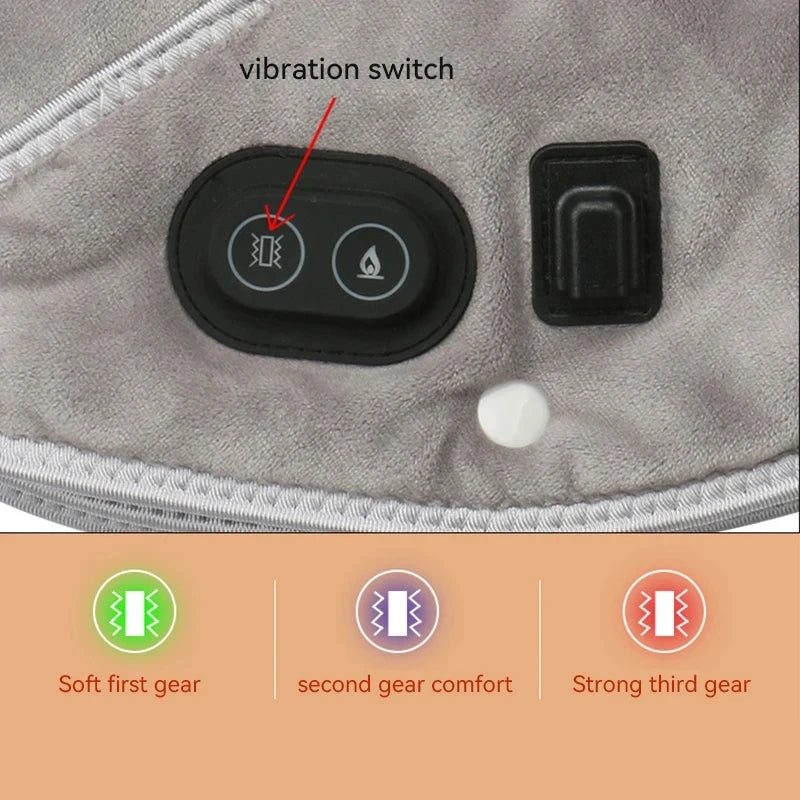
Heat therapy for neck and shoulders as part of a daily recovery routine — See it in action
Frequently Asked Questions
Why does the back of my neck feel hot but I do not have a fever?
In many cases, a warm feeling without fever is caused by muscle tension, increased blood flow after activity, stress, or prolonged poor posture. If the sensation is persistent or accompanied by neurological symptoms, consult a healthcare professional.
Should you use heat on the back of your neck?
Heat is appropriate for muscle stiffness, chronic tension, and posture-related discomfort. It should generally be avoided immediately after an injury that causes swelling or inflammation.
Does heat help upper back muscle soreness?
Yes. Heat commonly helps upper back muscle soreness caused by muscle fatigue, prolonged sitting, or chronic tension by relaxing tight muscles and improving comfort.
How long can you leave a heating pad on your neck?
Most people benefit from sessions lasting about 15–20 minutes. Avoid using a heating pad continuously for extended periods or while sleeping unless the product is specifically designed for overnight use.
Is heat or cold better for neck and upper back pain?
Heat is generally better for muscle tightness and chronic stiffness, while cold therapy is more appropriate during the first 24–48 hours after an acute injury with swelling.
Pillar Article: Buy Heated Neck Shoulder Pad: Honest Review and Results
Other Related Articles:
Explore More:













