

Does a Heated Shoulder Pad Really Work for Pain Relief?
Yes. A heated shoulder pad for pain relief can help ease muscle tension, reduce stiffness, improve local circulation, and promote relaxation when used correctly. Heat therapy works best for muscle tightness, overuse, mild arthritis discomfort, and everyday shoulder stiffness rather than sudden injuries with significant swelling. While it is not a cure for underlying medical conditions, a quality heated shoulder pad can become an effective part of a broader recovery routine alongside stretching, posture improvement, and appropriate exercise.
Heated Shoulder Pad for Pain Relief: Best Picks, Reviews & Buying Guide (2026)
⏱ 6 min read
Shoulder discomfort can develop gradually from long hours at a desk, repetitive lifting, sports training, or age-related joint changes. A heated shoulder pad delivers targeted warmth that helps relax tight muscles and improve comfort without affecting the rest of the body. However, differences in coverage, heat consistency, safety features, and overall fit mean some models perform much better than others. This guide explains the benefits of heat therapy for shoulder pain, compares the leading heated shoulder pad styles, and highlights the features worth considering before you buy.
Explore what truly makes a heated shoulder pad effective before you choose.
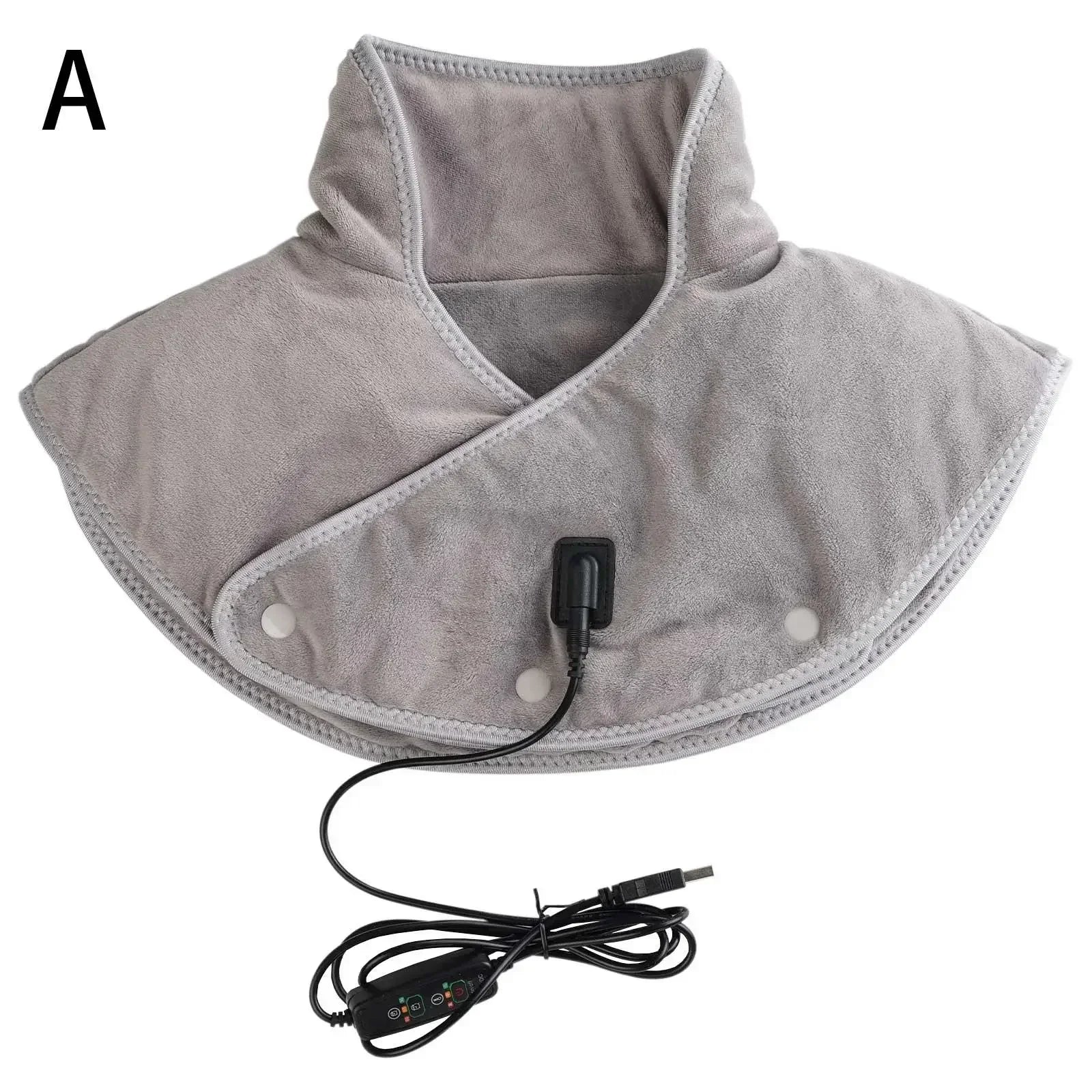
Heated shoulder pad with wrap-style coverage — See it in action
Benefits of Heat Therapy for Shoulder Pain
The benefits of heat therapy for shoulder pain come from increasing blood flow, relaxing muscles, and improving tissue flexibility. A shoulder heating pad for muscle pain provides consistent warmth directly where it is needed, making it easier to relieve tension after work, exercise, or daily activities. Heat is generally most appropriate for chronic stiffness, muscle tightness, and recovery rather than fresh injuries with noticeable swelling.
Improves Blood Flow and Recovery
Gentle heat causes blood vessels to widen, increasing circulation to the treated area. Better blood flow delivers oxygen and nutrients that support normal muscle recovery after workouts, repetitive movements, or extended periods of sitting.
Relieves Muscle Tightness and Stiffness
A heated neck and shoulder wrap helps loosen tight muscle fibers across the shoulders, neck, and upper back. This can improve flexibility, reduce the feeling of stiffness, and make stretching or light movement more comfortable.
Supports Arthritis and Chronic Shoulder Pain
For people managing osteoarthritis or recurring shoulder discomfort, moderate heat may temporarily reduce joint stiffness and improve comfort before daily activities. Regular short sessions often provide more consistent relief than occasional prolonged use.
May Help Rotator Cuff Recovery and Frozen Shoulder
When recommended by a healthcare professional, heat therapy may help relax surrounding muscles before gentle rehabilitation exercises for rotator cuff irritation or frozen shoulder. It should not replace medical evaluation if pain follows a traumatic injury or is accompanied by severe weakness or swelling.
Best Heated Shoulder Pads for Pain Relief (Top Picks Compared)
Quick Comparison Table
| Product Type | Best For | Heat Levels | Key Feature |
|---|---|---|---|
| Electric Shoulder Heating Pad | Consistent home use | 3–6 levels | Stable, even heat output |
| Heated Neck and Shoulder Wrap | Full upper body coverage | 3–5 levels | Wrap-around ergonomic fit |
| Weighted Heating Pad | Deep relaxation | 3–4 levels | Even pressure distribution |
| Portable Heated Pad | Travel and commuting | 2–3 levels | Battery-powered convenience |
Best Overall Heated Shoulder Pad
Best for everyday relief: An electric heated shoulder pad with multiple heat settings, ergonomic shoulder coverage, auto shut-off protection, and soft washable fabric offers the best balance of comfort, safety, and consistent performance for most users.
Best Heated Neck and Shoulder Wrap
Best for broader coverage: A heated neck and shoulder wrap extends warmth across the neck, shoulders, and upper back, making it well suited for posture-related tension, office workers, and anyone experiencing widespread muscle tightness.
Best Weighted Heating Pad for Neck and Shoulders
Best for relaxation: Weighted heating pads combine therapeutic warmth with gentle pressure that helps the pad stay in place while encouraging muscles to relax during longer treatment sessions.
Best Budget Electric Shoulder Heating Pad
Best value: Budget-friendly electric shoulder heating pads can still deliver effective pain relief when they include adjustable heat settings, even temperature distribution, and essential safety features such as automatic shut-off.
Best Cordless Heated Shoulder Pad
Best for mobility: Cordless rechargeable models allow you to move freely while receiving targeted heat therapy. They are ideal for commuting, light household tasks, travel, or anyone who prefers not to stay near a power outlet, although battery runtime varies by heat setting.
Side-by-Side Heated Shoulder Pad Comparison
Choosing the best heating pad for shoulders and neck involves more than comparing temperatures. Heat consistency, coverage, power source, portability, and warranty all influence long-term comfort and overall value. The right option depends on where and how you plan to use it.
| Feature | Electric Shoulder Heating Pad | Cordless Heated Pad | Heated Neck & Shoulder Wrap | Weighted Heating Pad |
|---|---|---|---|---|
| Heat Levels | Typically 3–6 settings with precise control | Usually 2–3 settings to conserve battery | 3–5 adjustable settings | 3–4 consistent heat settings |
| Coverage & Fit | Focused shoulder coverage | Targeted shoulder coverage with freedom of movement | Neck, shoulders, and upper back | Broad coverage with gentle pressure |
| Power Source | Corded electrical outlet | Rechargeable battery | Usually corded | Usually corded |
| Portability | Best for home or office | Excellent for travel and commuting | Moderate portability | Primarily home use |
| Warranty | Often 1–3 years depending on brand | Typically 1 year | Varies by manufacturer | Varies by manufacturer |
- Heat consistency: An electric shoulder heating pad provides the most stable temperature throughout the session, while microwavable alternatives gradually lose warmth.
- Coverage and fit: Wrap-style designs contour around the shoulders and upper back, reducing heat loss and improving overall comfort.
- Power source: Corded models offer unlimited runtime, whereas cordless rechargeable units trade continuous operation for greater mobility.
- Portability: Lightweight battery-powered models are ideal for travel, while larger corded wraps generally provide broader coverage at home.
- Warranty and durability: Longer warranties, reinforced stitching, and washable covers are good indicators of long-term reliability.
How to Use a Shoulder Heating Pad Safely and Effectively
Knowing how to use a shoulder heating pad properly helps maximize comfort while minimizing the risk of skin irritation or overheating. For most people, moderate heat applied consistently is more effective than using the highest temperature for extended periods.
Recommended Session Length
Most healthcare professionals recommend using a heated shoulder pad for 15–30 minutes per session . This provides enough time for muscles to relax and circulation to improve without excessive heat exposure. If needed, repeat sessions throughout the day, allowing your skin to return to its normal temperature between treatments.
Temperature Guidelines
Begin with a low or medium heat setting and increase only if additional warmth is needed. The goal is comfortable, therapeutic warmth—not intense heat. If the pad feels uncomfortably hot, reduce the temperature immediately.
Daily Use Tips
- Position the heating pad so it fully covers the sore shoulder muscles.
- Wear lightweight clothing underneath if your skin is particularly sensitive.
- Use heat before gentle stretching or mobility exercises to help loosen tight muscles.
- Keep the pad clean and follow the manufacturer's care instructions to maintain performance.
- Regular daily sessions often provide better results than occasional prolonged use.
Common Mistakes to Avoid
- Using the highest heat setting for extended periods.
- Applying heat to swollen or freshly injured tissue.
- Falling asleep with the heating pad unless it has an automatic shut-off feature.
- Using a damaged cord, controller, or heating element.
- Ignoring redness, discomfort, or excessive skin irritation during use.
Learn how different designs support daily shoulder comfort.
Safety Features That Matter
Modern heated shoulder pads include several built-in safety features that improve reliability, comfort, and everyday usability. Choosing a model with these features can make long-term use both safer and more convenient.
Automatic Shut-Off
An auto shut-off timer automatically turns the heating pad off after a preset period, helping prevent accidental overheating if you become distracted or fall asleep.
Overheat Protection
Integrated temperature sensors continuously monitor heat output and reduce the risk of hot spots by maintaining a more consistent surface temperature.
Washable Covers
Removable, machine-washable covers help keep the heating pad clean, extend its lifespan, and improve hygiene during frequent use.
Adjustable Straps
Adjustable straps improve fit by holding the pad securely against the shoulder. Better contact allows heat to remain evenly distributed while reducing the need for frequent repositioning.
Combined with even heat distribution, breathable fabrics, and certified electrical components, these features improve both comfort and long-term durability.
Which Style Fits Your Lifestyle Best?
Standard Heated Shoulder Pad
A standard heated shoulder pad is a good choice if you:
- Need targeted relief for one shoulder.
- Primarily use the pad while relaxing at home.
- Prefer a lightweight, straightforward design.
Heated Neck and Shoulder Wrap
A heated neck and shoulder wrap may be the better option if you:
- Experience tension across the neck, shoulders, and upper back.
- Spend long hours working at a desk.
- Want broader coverage that stays securely in place.
Weighted Heating Pad
A weighted heating pad for neck and shoulders works well if you:
- Experience ongoing muscle tightness.
- Enjoy gentle pressure alongside therapeutic warmth.
- Prefer a more relaxing, stationary treatment session.
Cordless Rechargeable Models
Consider a cordless rechargeable heated shoulder pad if you:
- Need heat therapy while traveling or commuting.
- Prefer freedom of movement instead of staying near a power outlet.
- Want convenient, portable relief for daily activities.
Many users pair their routine with other wellness tools found in the Body Care and Health Devices collection.
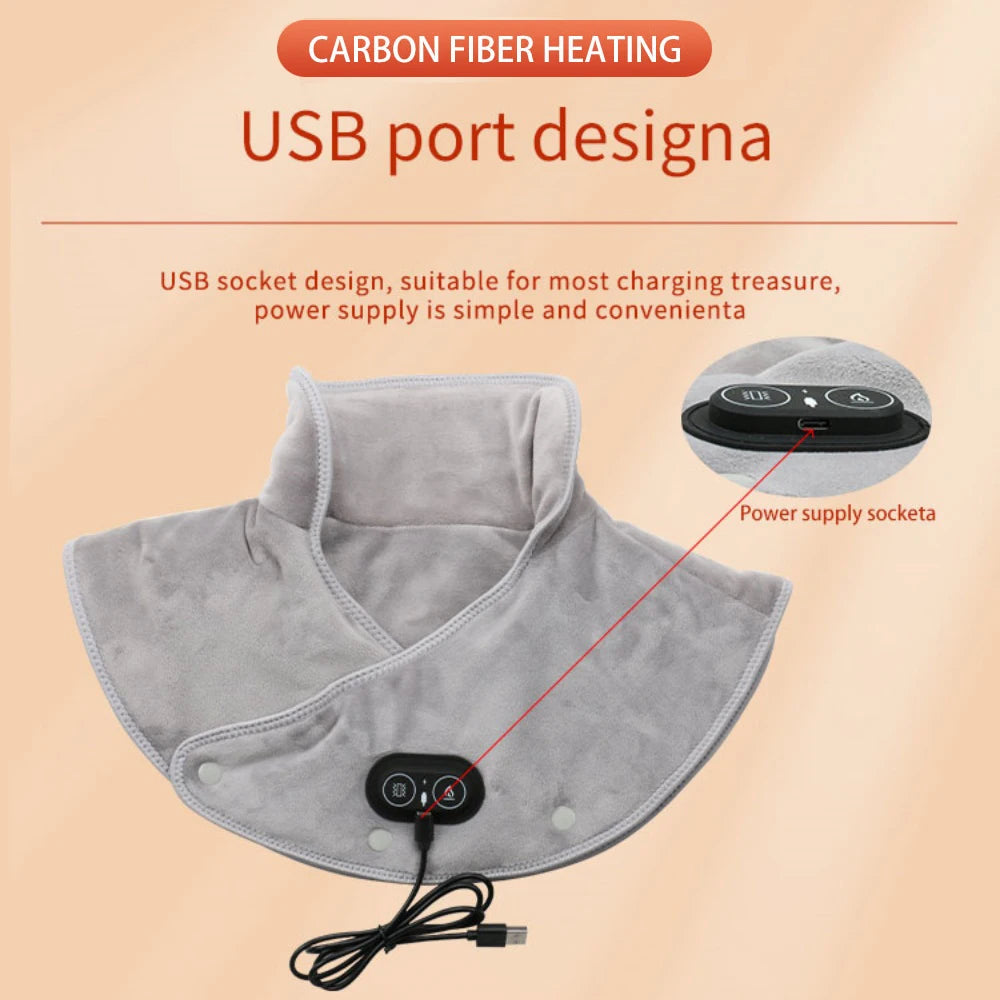
Weighted heating pad for neck and shoulders — See it in action
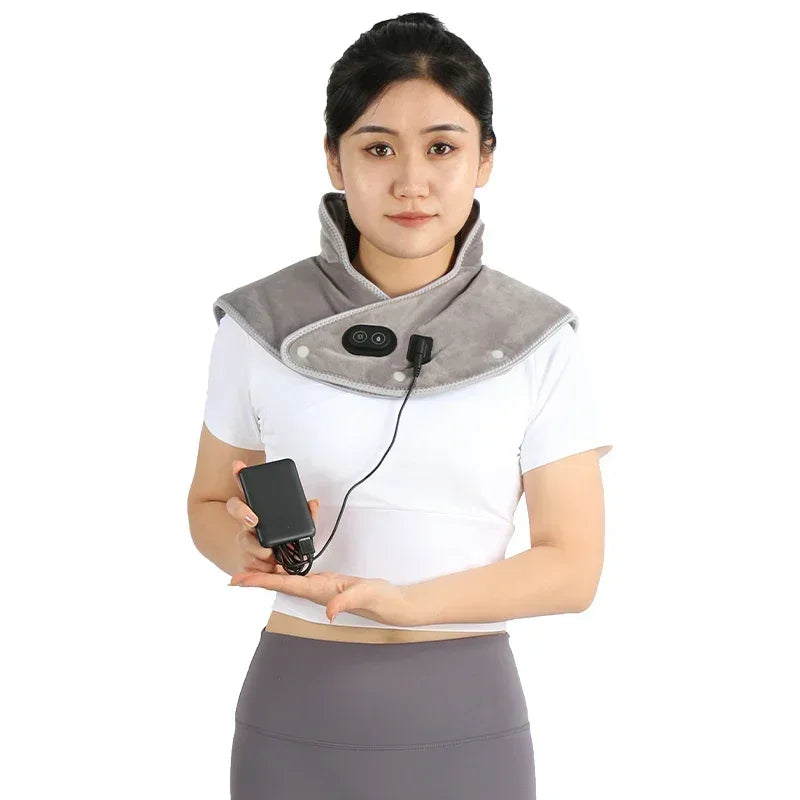
Heated neck shoulder wrap in use — See it in action
What Makes the Best Heating Pad for Shoulders and Neck? (Buyer's Guide)
The best heating pad for shoulders and neck combines therapeutic warmth with an ergonomic design that stays comfortably in place. Before purchasing, compare the features below to find a model that matches your needs, lifestyle, and budget.
Coverage and Fit
Choose a heating pad that naturally contours around the shoulders, neck, and upper back. Wrap-around designs with adjustable straps generally provide better heat retention and require less repositioning during use.
Heat Settings
Look for multiple adjustable temperature levels so you can customize warmth for different situations, whether you're recovering after exercise or easing everyday muscle tension.
Material and Comfort
Soft, breathable fabrics improve comfort during longer sessions. Machine-washable covers and durable stitching also make regular maintenance easier.
Power Source
Corded models provide continuous heat without battery limitations, while rechargeable cordless models offer greater mobility for travel, commuting, or light household activities.
Portability
If you plan to use your heated shoulder pad outside the home, prioritize lightweight construction, compact storage, and long battery life. Home users may benefit more from larger wrap-style designs with broader coverage.
Warranty and Value
A quality heating pad should include reliable construction, clear safety certifications, and a manufacturer's warranty. Longer warranty periods often indicate greater confidence in product durability.
Are Heated Shoulder Pads Safe?
Yes. Heated shoulder pads are safe for most people when used according to the manufacturer's instructions. Modern models include features such as automatic shut-off timers and overheat protection that help reduce the risk of excessive heat exposure during normal use.
To use a heated shoulder pad safely:
- Avoid applying high heat for extended periods.
- Do not place the pad over broken, irritated, or damaged skin.
- Use extra caution if you have reduced sensation caused by diabetes, neuropathy, or other medical conditions.
- Follow the recommended session length and temperature guidelines.
- Inspect cords, controllers, and heating elements regularly for signs of wear or damage.
Heat therapy may not be appropriate for every situation. Avoid using a heated shoulder pad on a newly injured shoulder that is swollen or inflamed, as cold therapy is often recommended during the initial phase of an acute injury.
Stop using the pad and consult a healthcare professional if you experience persistent pain, increasing swelling, numbness, significant weakness, skin burns, or symptoms that continue despite regular home treatment.
For ongoing muscle tightness, posture-related discomfort, or mild arthritis stiffness, daily use is generally considered safe when the device includes automatic shut-off, consistent temperature control, and is used as directed.
Frequently Asked Questions
How long should I use a heated shoulder pad?
Most people benefit from 15–30 minute sessions using a heated shoulder pad. Short, consistent treatments are generally more effective than using high heat for extended periods. Always follow the manufacturer's recommendations.
Can I use a heated shoulder pad every day?
Yes. Daily use is generally safe for relieving muscle tension, stiffness, and chronic shoulder discomfort, provided the heating pad includes safety features such as automatic shut-off and is used according to the instructions.
What temperature is best for shoulder pain?
Moderate warmth is usually the most effective. The heating pad should feel comfortably warm rather than hot enough to cause discomfort or skin irritation. Adjustable heat settings allow you to find the temperature that works best for your needs.
Is moist heat better than dry heat?
Both can provide effective relief. Moist heat may transfer warmth more efficiently into superficial tissues, while dry heat is cleaner, easier to maintain, and commonly available in electric heated shoulder pads. Personal preference and comfort often determine which option works better.
Can a heated shoulder pad help rotator cuff pain?
A heated shoulder pad may help reduce muscle tightness and improve comfort around the shoulder before gentle stretching or rehabilitation exercises. However, heat does not repair a rotator cuff injury. Persistent pain, weakness, or reduced shoulder function should be evaluated by a healthcare professional.
Can I sleep with a heated shoulder pad on?
It is generally not recommended to sleep with a heated shoulder pad unless the manufacturer specifically states it is designed for overnight use and includes reliable automatic shut-off protection. Using heat while awake allows you to monitor skin comfort and avoid prolonged exposure.
Which heated shoulder pad is best for arthritis?
People with arthritis often benefit from wrap-style heated shoulder pads that provide broad coverage, multiple heat settings, and consistent temperature control. Soft materials and adjustable straps can also improve comfort during daily use.
Are cordless heated shoulder pads as effective as plug-in models?
Cordless models provide similar therapeutic warmth but typically offer shorter operating times because they rely on rechargeable batteries. Plug-in models generally maintain consistent heat for longer sessions, while cordless versions excel in portability.
How long does a heated shoulder pad take to warm up?
Most electric heated shoulder pads reach a comfortable temperature within 30 seconds to 5 minutes, depending on the heating technology and selected heat level.
Can I use a heated shoulder pad after exercise?
Yes. Heat therapy can help relax tight muscles and promote recovery after exercise when there is no significant swelling or acute injury. If your shoulder is swollen or freshly injured, cold therapy is typically more appropriate during the initial recovery period.
What size heated wrap provides the best shoulder coverage?
A wrap that covers the shoulder joint, trapezius muscles, and upper back generally provides the most effective heat distribution. Adjustable straps help maintain close contact for more consistent warmth.
Pillar Article: Neck and Shoulder Heating Pad: Best Options Compared
Other Related Articles:
- Upper Back Pain: Heat or Ice? What Reviews Reveal
- Heating Pad USB Roundup: Portable Models Worth Trying
- Heating Pad for Neck Stiffness: Top Picks for Fast Relief
- Electric Neck Heating Pad Reviews: Which Feels Best?
Explore More:













