

Does upper back pain need heat or ice?
Upper back pain heat or ice depends on the cause and timing of discomfort. Heat is often preferred for tight muscles, stiffness, and ongoing upper back muscle soreness because gentle warmth can improve comfort and help muscles relax. Ice may be more suitable for a recent strain, swelling, or inflammation, especially during the first 24–48 hours after an injury.
Best Heating Pad for Neck Pain (2026): How Long Should You Use Heat for Relief?
Upper back pain heat or ice questions are common because both options can feel helpful in different situations. For many people dealing with neck stiffness, posture-related tension, or tight muscles, a heating pad can provide soothing warmth and temporary comfort. The key is using the right duration, temperature, and placement instead of assuming more heat always means better results.
⏱ 6 min read
Explore real-world experiences and discover what works best for your upper back discomfort.
How long should you use a heating pad for neck pain without overdoing it? Let’s break down the safest approach.
Upper back pain heat or ice comparison in daily routines See it in action
Quick Answer: Is 15–20 Minutes Long Enough for Neck Pain?
Is 15 minutes enough for neck pain?
For many people, a 15-minute heating pad session for neck pain can be a practical starting point. Short heat sessions may help relax tight muscles and reduce the feeling of stiffness without exposing the skin to unnecessary heat for too long.
The ideal duration depends on several factors, including the heating pad’s temperature setting, your skin sensitivity, the cause of your discomfort, and the manufacturer’s instructions.
Is 20 minutes better than 15 minutes?
A 20-minute session may provide additional comfort for some users, but longer use does not automatically create better relief. A heating pad should feel comfortably warm rather than intensely hot.
When using heat therapy for neck pain, pay attention to how your body responds. If the skin becomes uncomfortable, irritated, or overly red, stop the session and allow your skin to recover before applying heat again.
Heat vs Ice for Neck Pain: Which Should You Use?
The better option depends on what is causing the discomfort and when it started. Heat therapy is commonly used for muscle tightness and stiffness, while cold therapy may be more appropriate for some recent injuries.
- Use heat: muscle tension, neck stiffness, posture-related discomfort, and ongoing soreness.
- Use ice: recent injuries, swelling, or discomfort that appears after a sudden strain.
A heating pad for neck pain may be a useful choice when the main issue is tight or tense muscles. However, heat and ice are not one-size-fits-all solutions, and the right choice depends on your symptoms.
Upper back heating pad comfort for muscle soreness See it in action
Heat vs Ice for Neck Pain: Which Should You Use?
The best choice between heat and ice depends on the cause, timing, and type of neck discomfort. Neither option works for every situation, so choosing the right approach starts with understanding your symptoms.
Heat therapy is often used for neck pain related to muscle tightness, stiffness, and posture-related tension. Gentle warmth can improve comfort, help tight muscles relax, and make movement feel easier.
Ice therapy may be more suitable after a recent injury, especially when swelling or irritation is present. Cooling can help reduce discomfort during the early stages of some acute strains.
- Choose heat: neck stiffness, muscle tension, long periods of sitting, and ongoing soreness.
- Choose ice: recent injury, swelling, or discomfort after sudden physical strain.
For people looking for a heating pad for neck pain , heat is commonly preferred when the main issue is tight muscles rather than a new injury. The most effective option depends on what is causing the pain and how your body responds.
Why Heat Can Help Neck Pain and Stiffness
How heat may relax tight neck muscles
Heat therapy can help improve comfort when neck discomfort is linked to muscle tightness and stiffness. Gentle warmth may encourage muscles to relax, increase local circulation, and make everyday movement feel easier.
This can be especially useful for tension caused by long periods of screen use, poor posture, or staying in one position for too long. However, heat generally helps manage symptoms and does not address every possible cause of neck pain.
Moist heat for neck pain relief
Moist heat may feel more soothing for some people with persistent neck stiffness because the added moisture can create a deeper warming sensation. It is often chosen for relaxation-focused heat sessions when muscles feel tight or restricted.
Cervical heat compress benefits
A cervical heat compress is designed to warm the neck and upper shoulder area where tension commonly builds. A comfortable heat application may help reduce the feeling of stiffness and support easier movement during daily activities.
When comparing moist heat and dry heat, neither option is universally better. Moist heat may provide a more penetrating sensation, while dry heat is often simpler, faster, and easier to use regularly.
How to Use a Heating Pad for Neck Pain: A 15–20-Minute Routine
Check the heating pad and your skin
Before starting, make sure the heating pad is in good condition and check your skin for irritation. If recommended by the manufacturer, use a thin layer of fabric between the heating pad and your skin for added comfort.
Position the heat over the neck and upper shoulders
Place the heating pad over the areas where you feel muscle tension without pressing it tightly against your body. Keep your shoulders relaxed and avoid holding your neck in a strained position during the session.
Start with comfortable, moderate heat
Begin with a moderate temperature setting rather than the highest heat level. A common heating pad 15–20 minutes neck pain routine can provide warmth while reducing the risk of excessive heat exposure.
Always follow the device manufacturer's instructions, especially for temperature settings and auto shut-off features.
Stop if the skin becomes painful or unusually irritated
Heat should feel comfortably warm, not painful. Stop using the heating pad if you notice burning, significant redness, discomfort, or unusual skin sensitivity.
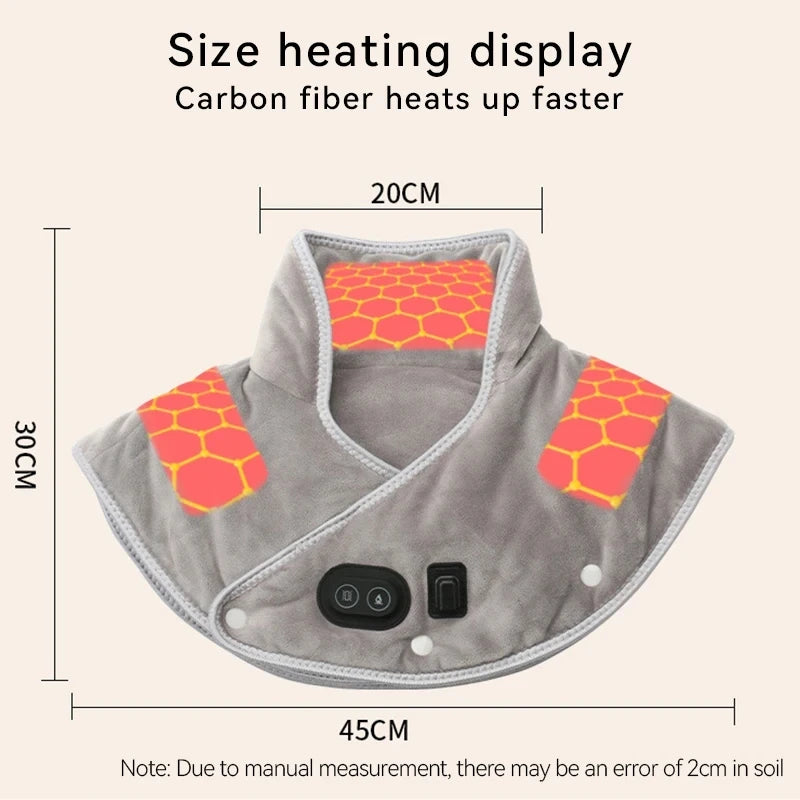
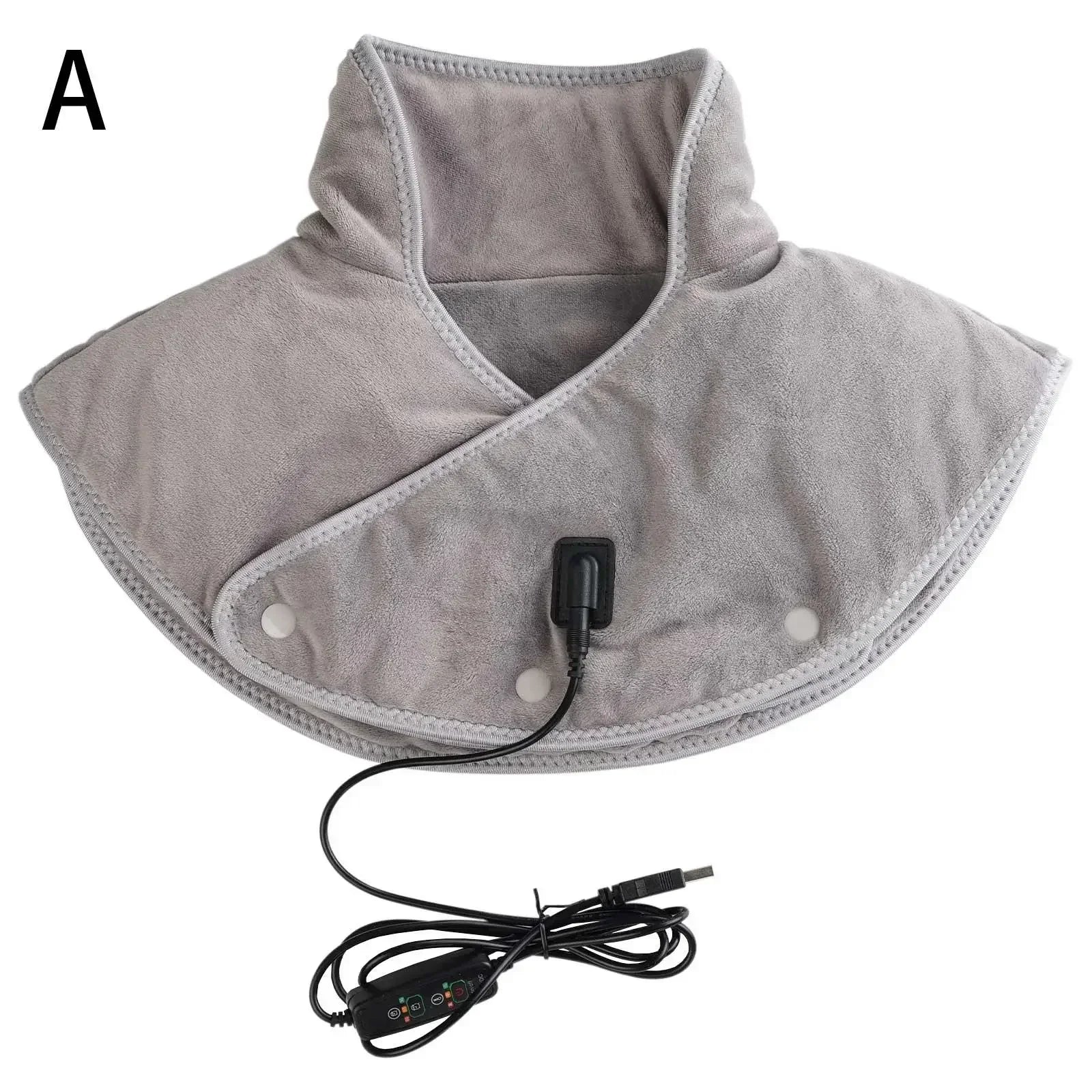
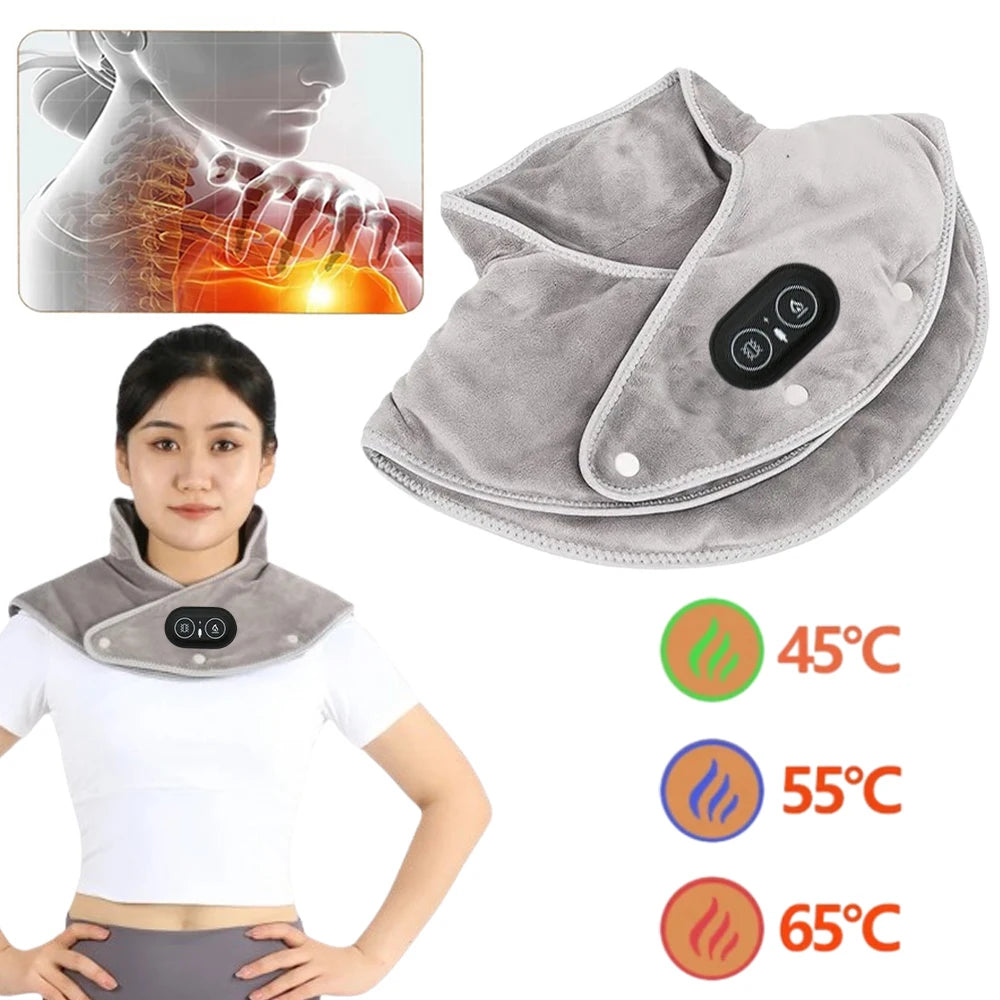
One popular option for consistent warmth is the heated neck and shoulder pad , designed to contour comfortably around the neck and shoulders without slipping.
Discover how gentle heat fits into your evening wind-down.
When NOT to Use Heat on Neck Pain
Heat therapy is not appropriate for every type of neck discomfort. In some situations, applying warmth may increase irritation or delay proper care.
Recent injury or swelling
Avoid using heat immediately after some recent injuries, especially when swelling, visible inflammation, or sudden trauma is involved. Cold therapy may be considered in certain early injury situations.
Reduced ability to feel heat
Do not apply high heat to areas with reduced sensation or numbness. If you cannot properly feel temperature changes, you may not notice excessive warmth that could irritate the skin.
Skin irritation or burns
Avoid placing a heating pad over irritated, damaged, or sensitive skin. Wait until the area has recovered before using heat therapy.
Pain with concerning neurological symptoms
Seek medical advice if neck pain is accompanied by symptoms such as significant weakness, worsening numbness, or severe changes in normal movement.
Daily relief routines using upper back pain heat or ice See it in action
How to Choose a Heating Pad for Neck and Back Pain
When choosing a heating pad for neck pain, focus on comfort, safe heat delivery, and how well the design matches your routine. Product features matter, but they should support your heat therapy goals rather than replace proper duration, placement, and safe use.
Neck and shoulder coverage
A heating pad that covers both the neck and upper shoulders can provide more consistent warmth for areas where muscle tension commonly builds. Wrap-style designs may stay in place better during relaxation or everyday activities.
Adjustable heat settings
Multiple temperature options allow you to choose a comfortable level based on your sensitivity and the type of stiffness you experience. A lower setting may be preferable for longer comfort sessions, while a moderate setting may provide enough warmth for short applications.
Auto shut-off and safety features
An automatic shut-off feature helps reduce the risk of overheating and makes a heating pad more convenient for regular use. Always follow the manufacturer's recommended timing and temperature guidelines.
Moist heat and wrap-style designs
Moist heat options may feel more soothing for some users with neck stiffness, while wrap-style heating pads can provide stable placement around the neck and shoulders. The best choice depends on personal comfort, portability needs, and how you plan to use the device.
Self-Heating Neck Pads: How They Work
How self-heating pads generate warmth
Self-heating neck pads create warmth through materials or ingredients designed to produce heat without requiring an electrical outlet. They can be convenient for travel or situations where a powered heating pad is unavailable.
How they differ from electric heating pads
Electric heating pads typically offer more control through adjustable temperature settings and longer reusable sessions. Self-heating options prioritize portability but may provide less control over heat intensity and duration. Always check the instructions for the specific product to understand safe usage time.
Frequently Asked Questions
Is 15 minutes enough for neck pain?
Yes, a 15-minute heating pad session can be a reasonable starting point for many people. The ideal duration depends on the heat level, your skin sensitivity, the cause of discomfort, and the instructions provided with your heating pad.
Can I use a heating pad for neck pain for 20 minutes?
For many users, a 20-minute heat therapy session may be appropriate when the temperature is comfortable and the device is used according to manufacturer instructions. Longer sessions are not always more effective, so monitor your skin and comfort level.
How long should I use a heating pad for neck pain?
A common guideline is 15–20 minutes per session. Use comfortable warmth, avoid excessive heat, protect your skin when needed, and follow the recommended settings for your device.
Is moist heat better than dry heat for neck pain?
Neither option is universally better. Moist heat may provide a deeper warming sensation that some people prefer for stiffness, while dry heat is convenient, simple, and effective for many everyday uses.
Should I use heat or ice for neck pain?
Heat is often considered for muscle tightness and stiffness, while cold may be more suitable after some recent injuries or when swelling is present. The right choice depends on the cause and timing of your neck pain.
Can I use heat therapy for neck pain every day?
Some people may use heat therapy regularly when it is comfortable and used safely. However, recurring or worsening neck pain should not be managed indefinitely with heat alone and may require professional evaluation.
When should I stop using a heating pad for neck pain?
Stop using a heating pad if you experience skin irritation, excessive discomfort, worsening symptoms, or signs that require medical attention, such as significant weakness or concerning numbness.
Experience soothing warmth with the heated neck and shoulder pad .
Pillar Article: Neck and Shoulder Heating Pad: Best Options Compared
Other Related Articles:
- Upper Back Pain: Heat or Ice? What Reviews Reveal
- Heated Shoulder Pad Comparison: Comfort, Heat, Safety
- Heating Pad USB Roundup: Portable Models Worth Trying
- Electric Neck Heating Pad Reviews: Which Feels Best?
Explore More:













