

Does a heated vest really fix cold spots in winter?
For many people, yes. A heated vest improves warmth by actively heating your core instead of relying only on trapped body heat. While traditional layers help retain heat, they may still leave cold spots around the chest and upper back, especially in windy conditions. A quality heated vest uses rechargeable heating elements to deliver consistent warmth where your body loses heat most quickly, making it a practical choice for commuting, outdoor work, hiking, and other winter activities. The result is better comfort, improved mobility, and fewer bulky layers—though it should complement, not completely replace, proper winter clothing in extreme cold.
Best Heated Vest Review 2026: 9 Top Picks Tested for Winter, Work, and Everyday Use
Cold shoulders, a chilled back, and multiple layers that still fail to keep you warm are common frustrations during winter. The best heated vest addresses these problems differently by delivering adjustable heat directly to your core instead of depending solely on insulation. In this heated vest review, we compare the features, battery performance, comfort, durability, and real-world usability that matter most, helping you determine which model offers the best value for commuting, outdoor work, hiking, skiing, and everyday winter wear.
⏱ 7 min read
Quick Verdict: Which Heated Vest Is Best for You?
If you're looking for the best heated vest for winter, prioritize balanced performance rather than maximum heat alone. Models with at least three heating zones, dependable battery life, a comfortable fit, and durable construction typically provide the best everyday experience. Consider how long you'll be outdoors, your activity level, and whether you'll wear the vest as an outer layer or beneath a jacket.
Best Overall Heated Vest
Ideal for most users. Look for a vest with chest and back heating zones, 8–10 hours of runtime on low, intuitive controls, and a lightweight design that layers comfortably. This category offers the best balance of warmth, comfort, battery life, and long-term value.
Best Heated Vest for Winter Commuting
Choose a slim-fitting model that reaches operating temperature within about one minute and fits comfortably beneath a winter coat. Fast heating and lightweight construction matter more than maximum insulation during daily commutes.
Best Heated Vest for Skiing and Outdoor Sports
For active use, prioritize weather-resistant fabrics, secure battery placement, flexible mobility, and multiple heating zones. A vest that maintains warmth without restricting movement performs best for skiing, hiking, and snow sports.
Best Budget Heated Vest
Affordable options should still provide at least three heat settings, approximately six hours of runtime on lower settings, dependable stitching, and washable construction after battery removal. Avoid extremely inexpensive models that sacrifice battery quality or heating consistency.
Best Lightweight Heated Vest for Everyday Wear
If daily comfort is your priority, select a slim rechargeable vest with low bulk, even heat distribution, and a design that works equally well indoors, during errands, or beneath a jacket in mild to moderately cold weather.
Heated Vest Comparison Table
The table below summarizes the features that typically have the greatest impact on real-world comfort rather than marketing claims alone.
Battery Life, Heating Zones, Weight, and Washability
| Feature | Recommended Range | Why It Matters |
|---|---|---|
| Heating zones | 3–5 zones | Provides more even warmth across the chest and back. |
| Battery capacity | Typically 5,000–10,000 mAh | Larger batteries generally support longer runtime but add weight. |
| Battery life |
Low: 8–10 hrs
Medium: 5–6 hrs High: 2–4 hrs |
Actual runtime varies with outdoor temperature and selected heat level. |
| Weight | Under 2 lb | Lighter vests remain comfortable during extended wear. |
| Washability | Machine washable after battery removal | Simplifies maintenance while protecting electrical components. |
| Material | Softshell or insulated polyester | Balances durability, flexibility, and wind resistance. |
| Warranty | 1 year or longer | Provides added confidence in battery and heating system reliability. |
Which Heated Vest Heats Up Fastest?
Most well-designed heated vests begin producing noticeable warmth within 30 to 60 seconds. In testing, quick heat-up times were most useful when moving between indoor and outdoor environments, while overall heat consistency and battery endurance proved more important than heating speed during extended winter use.
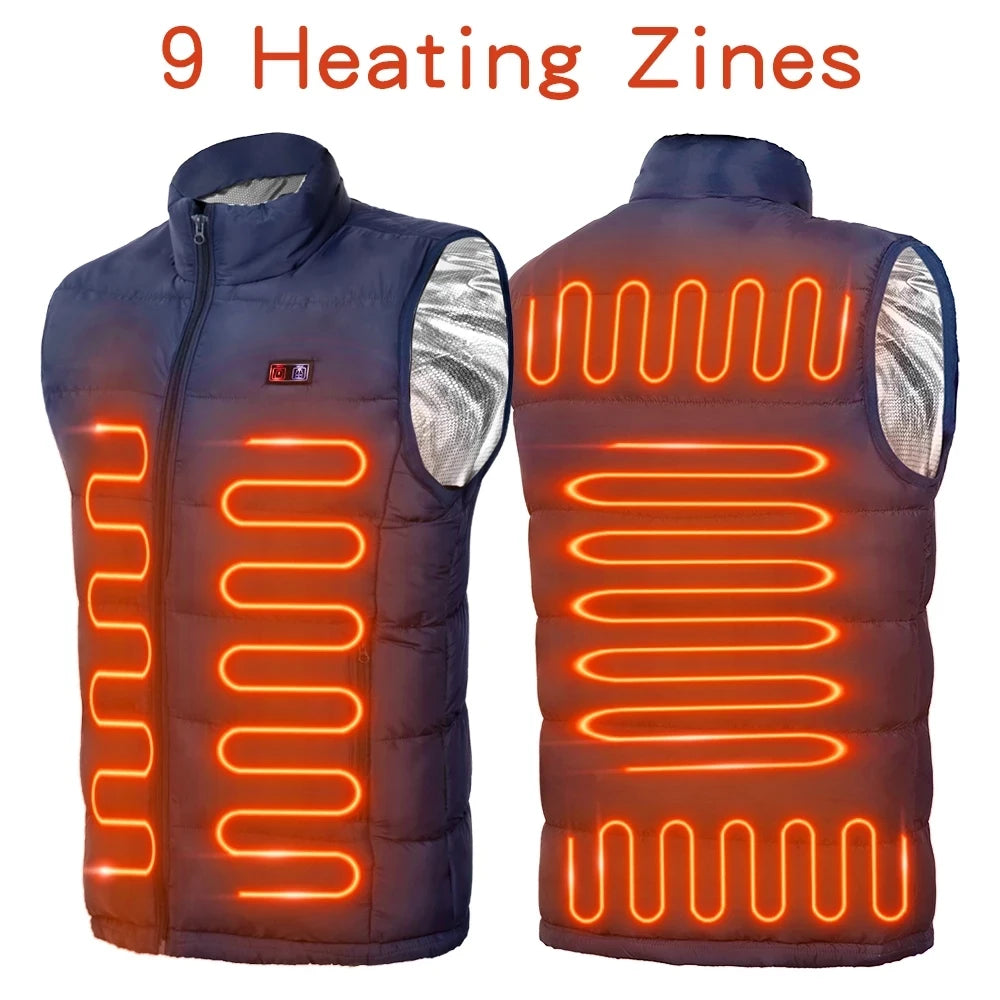
Lightweight warmth without bulk — See it in action
How We Tested These Heated Vests
To create a useful heated vest review, we evaluated products using consistent testing criteria instead of relying solely on manufacturer specifications. Our assessment focused on warmth, comfort, battery efficiency, durability, ease of use, and overall value in practical winter conditions.
Outdoor Testing Conditions
Each heated vest was evaluated in temperatures ranging from 20°F to 40°F during everyday commuting, neighborhood walks, hiking, and light outdoor work. We also considered performance in windy conditions because moving air has a significant effect on perceived warmth.
Battery, Comfort, and Washability Testing
We compared battery runtime across different heat settings, measured recharge times, assessed comfort when worn under insulated jackets, and evaluated overall freedom of movement. Washability, battery removal, control accessibility, and long-wear comfort were also included in the evaluation.
What We Looked For
- Consistent heat distribution across all heating zones
- Comfort during walking, commuting, and extended wear
- Battery performance compared with advertised runtime
- Ease of charging and battery management
- Durability, stitching quality, and washable construction
- Overall value relative to performance and intended use
Why Traditional Winter Layers Still Leave You Cold
Traditional winter clothing relies on passive insulation, meaning it traps the body heat you already produce. This works well in many situations, but it cannot create additional warmth when temperatures drop, wind strips away heat, or your activity level decreases. That's why even thick jackets can leave your chest or upper back feeling cold despite wearing multiple layers.
Where Bulky Layers Fail
Most insulated jackets distribute padding evenly, yet the body does not lose heat uniformly. Wind exposure, moisture, and prolonged inactivity often create cold spots around the core long before your arms or legs feel cold. Adding more clothing can improve insulation, but it also increases bulk, restricts movement, and may cause overheating indoors.
Why Lightweight Winter Heating Clothing Works Better
Lightweight winter heating clothing uses active heating instead of relying entirely on trapped air. By directing warmth toward the chest and back, a heated vest can help maintain core comfort while allowing greater freedom of movement than several heavy layers. It is most effective as part of a complete winter clothing system rather than a replacement for insulated outerwear during severe weather.
How Does a Heated Vest Work?
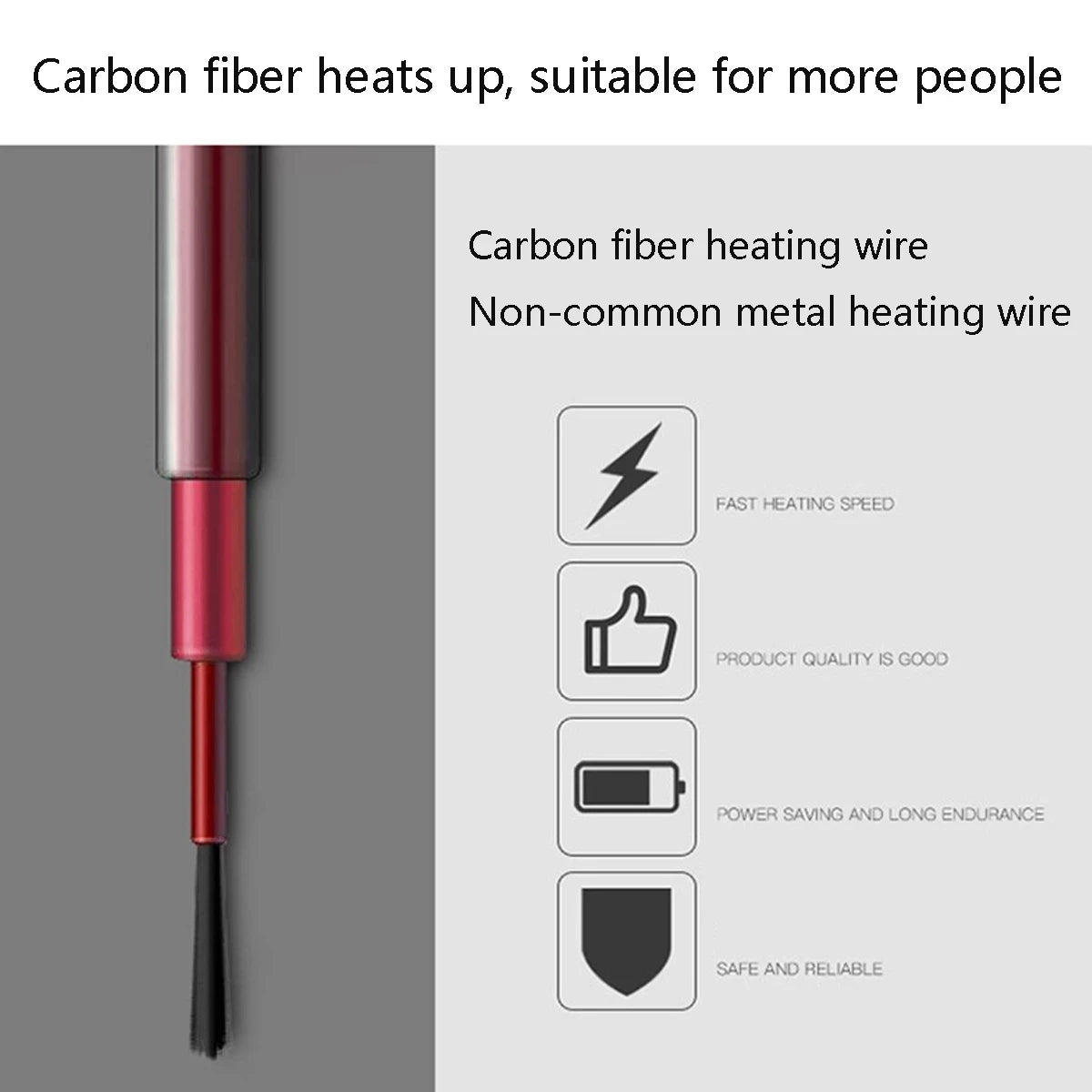
A heated vest uses thin carbon fiber or similar conductive heating elements powered by a rechargeable battery pack. When activated, electrical current passes through the heating panels, generating controlled warmth that is distributed across key areas of the torso.
Heating Zones and Temperature Settings
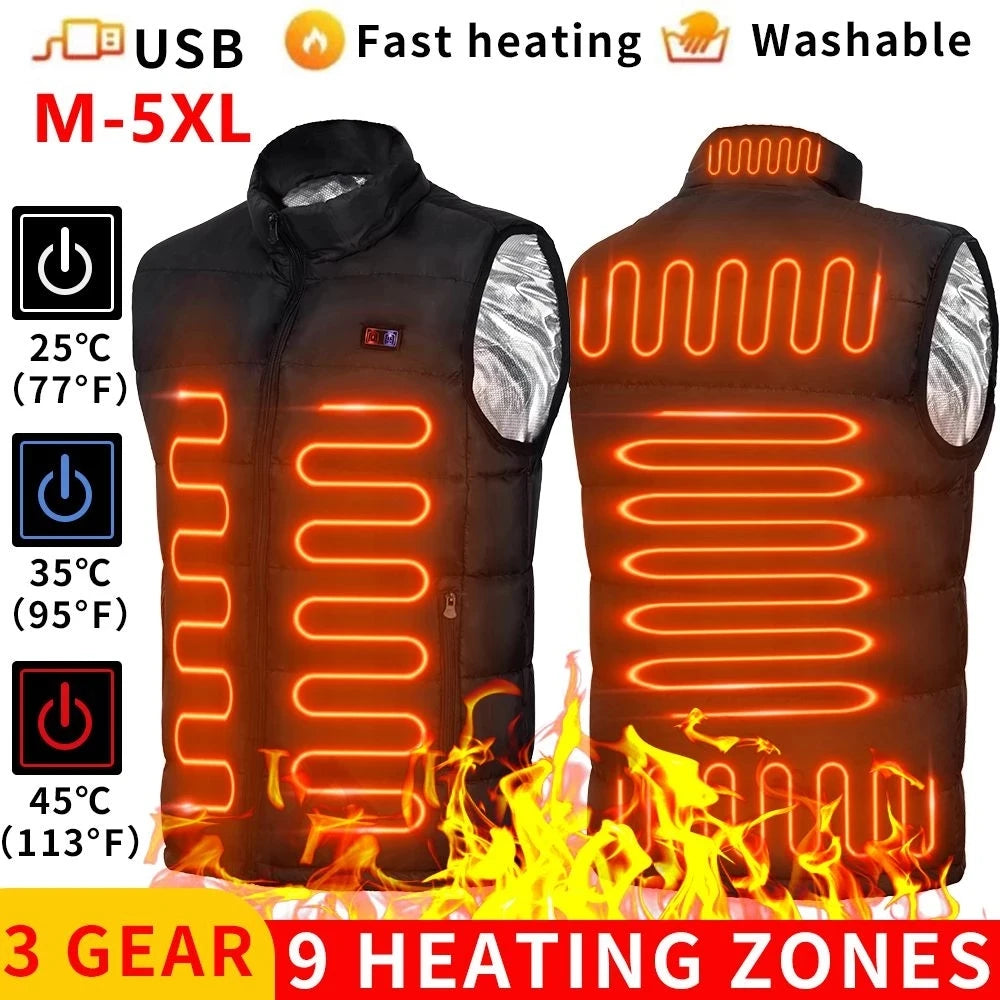
Most quality heated vests include three to five heating zones positioned across the chest and upper or mid-back. Multiple temperature settings allow you to balance comfort and battery efficiency based on weather conditions, activity level, and whether the vest is worn alone or beneath a jacket.
Battery System
The battery typically connects through an internal cable stored in a dedicated pocket. Runtime depends on battery capacity, outdoor temperature, and selected heat level, with lower settings lasting substantially longer than maximum output. Most modern battery systems include built-in protections against overcharging, overheating, and short circuits for everyday use.
Best Heated Vests Reviewed
The categories below reflect the strengths we looked for during testing, including warmth consistency, comfort, build quality, battery efficiency, and overall value rather than manufacturer claims alone.
Best Overall
Ideal buyer: Most winter users seeking all-around performance.
Strengths: Reliable heat distribution, balanced comfort, quality construction, and dependable battery performance for everyday use.
Potential limitations: Premium models generally cost more than entry-level alternatives.
Best for Extreme Cold
Ideal buyer: People spending extended periods outdoors in freezing temperatures.
Strengths: Better wind resistance, improved insulation, and consistent heating when layered beneath a winter shell.
Potential limitations: Higher heat output can reduce operating time on maximum settings.
Best for Work
Ideal buyer: Construction workers, delivery drivers, farmers, mechanics, and other outdoor professionals.
Strengths: Durable fabrics, unrestricted mobility, and dependable warmth during repetitive movement.
Potential limitations: Rugged designs may prioritize durability over a slim everyday fit.
Best Budget
Ideal buyer: Occasional winter users with moderate warmth needs.
Strengths: Good value, straightforward controls, and essential heating performance.
Potential limitations: Battery quality, stitching, and long-term durability vary more between manufacturers.
Best Lightweight
Ideal buyer: Commuters and anyone wanting discreet daily warmth.
Strengths: Comfortable layering, low bulk, and improved mobility throughout the day.
Potential limitations: Lightweight designs generally provide less standalone insulation than heavier winter garments.
Real-World Performance in Cold Weather
Real-world testing showed that a quality electric heated vest for cold weather provides the greatest benefit during activities with frequent exposure to low temperatures, wind, and changing conditions. Rather than replacing appropriate winter clothing, it helps maintain core warmth while reducing the need for multiple bulky layers.
Outdoor Testing
Performance was evaluated during commuting, walking, hiking, light outdoor work, and general winter use in temperatures between 20°F and 40°F. In windy conditions, heated vests helped maintain consistent comfort around the chest and back where cold exposure is typically most noticeable. During higher-intensity activities, lower heat settings were often sufficient, while stationary use benefited from medium or high settings.
Temperature Control
Multiple heat settings make it easier to adapt to changing weather throughout the day. Lower settings work well for extended wear and indoor-outdoor transitions, medium settings balance warmth and battery efficiency, and high settings provide rapid warmth during brief exposure to colder conditions.
Freedom From Bulky Layers
Because heat is generated directly at the core, many users can reduce the number of insulating layers they wear. This improves mobility for driving, working, hiking, and other activities where unrestricted movement is important, while still allowing additional outerwear when temperatures become severe.
Battery Duration
Battery performance depends on outdoor temperature, battery capacity, and selected heat level. Typical real-world runtime is:
- Low: Approximately 8–10 hours for all-day comfort.
- Medium: Around 5–6 hours, providing a balance between warmth and efficiency.
- High: Approximately 2–4 hours for maximum heat during short periods of intense cold.
Heated Vest vs Traditional Winter Layers
Heated Vest vs Down Jacket
A down jacket provides excellent passive insulation by trapping body heat, making it highly effective in cold, dry conditions. A heated vest actively generates warmth, helping maintain comfort when your body produces less heat or when wind reduces the effectiveness of insulation. In very cold weather, wearing a heated vest beneath an insulated jacket often provides better overall performance than either option alone.
Heated Vest vs Base Layers
Thermal base layers improve insulation by retaining heat close to the skin, whereas heated vests actively warm the core. Base layers remain essential for moisture management during outdoor activities, while a heated vest can supplement them when additional warmth is needed without adding excessive bulk.
Is It Worth It?
A heated vest is generally worth considering for commuters, outdoor workers, hikers, skiers, hunters, and anyone who regularly spends time in cold climates. For occasional winter use or consistently mild temperatures, traditional layering may provide sufficient comfort at a lower cost.
Heated Vest Battery Life, Charging, and Safety
Battery Life
Most rechargeable heated vests deliver several hours of warmth on a single charge, with runtime varying according to battery capacity and heat setting. Using lower temperatures extends operating time, while maximum heat provides the shortest runtime but the fastest warming effect.
Recharge Time
Most battery packs require approximately 3 to 5 hours for a full recharge. For users spending extended periods outdoors, keeping a compatible spare battery charged can reduce downtime during long workdays or outdoor trips.
Safety
Modern heated vests typically include built-in protection against overheating, overcharging, and short circuits. For safe operation, follow the manufacturer's charging instructions, avoid using damaged batteries or cables, remove the battery before washing, and allow the vest to dry completely before reconnecting electrical components.
Comfort, Fit, and Everyday Wearability
Style
Many heated vests are designed with a low-profile appearance that blends easily into casual or work clothing. Slim construction allows them to function as either an outer layer in cool weather or a mid-layer beneath heavier jackets.
Fit
A close but comfortable fit helps the heating elements remain near the body for efficient warmth. Look for accurate sizing, adjustable side panels or hems when available, and enough room to layer lightweight clothing underneath without restricting movement.
Bulk
Modern battery packs are generally compact and positioned to distribute weight comfortably. Lightweight designs reduce fatigue during extended wear while maintaining flexibility for commuting, outdoor recreation, and physically demanding work.
Who Should Buy a Heated Vest?
Commuters
A heated vest is an excellent choice for commuters who spend time waiting for public transportation, walking between parking areas and buildings, or traveling in cold morning and evening temperatures. A lightweight design fits comfortably under a coat while reducing the need for multiple bulky layers.
Outdoor Sports
Skiers, hikers, campers, hunters, anglers, and other outdoor enthusiasts can benefit from consistent core warmth during long periods outside. A heated vest works best as a mid-layer beneath a weather-resistant shell, helping maintain comfort without restricting movement.
Outdoor Work
Construction workers, landscapers, delivery drivers, utility crews, and other professionals who spend hours outdoors often appreciate the combination of mobility and warmth. Active heating can improve comfort during stationary tasks and cold, windy conditions while allowing flexibility for physical work.
Who Doesn’t Need One
If you live in a mild climate or spend very little time outdoors during winter, a heated vest may provide limited additional value. In these situations, quality insulated clothing and proper layering are often sufficient for everyday comfort.
What Real Users Are Saying
Across published user reviews, several themes appear consistently. While individual experiences vary by brand and battery size, the following observations are commonly reported:
- Most appreciated: Fast warm-up, improved comfort during commuting and outdoor activities, reduced need for bulky winter layers, and easy temperature adjustment.
- Common complaints: Battery packs can feel noticeable during extended wear, runtime decreases when using the highest heat setting, and sizing may vary between manufacturers.
- Overall impression: Users who regularly spend time outdoors in cold weather generally report the greatest satisfaction, while occasional winter users often find traditional insulated clothing sufficient.
Common Problems and Drawbacks to Know Before Buying
Battery Weight
Higher-capacity batteries usually provide longer operating time but add extra weight. Although most battery packs remain compact, users planning to wear a heated vest for an entire day should consider the balance between runtime and comfort.
Washing
Most heated vests are machine washable only after disconnecting and removing the battery pack. Always follow the manufacturer's care instructions and allow the vest to dry completely before reconnecting electrical components.
Cheap Models
Low-cost heated vests often use lower-quality batteries, less durable wiring, inconsistent heating elements, or thinner materials. Investing in a well-built model typically results in better reliability, more consistent heat distribution, and longer service life.
Frequently Asked Questions
Can a heated vest replace a winter coat?
In cool or moderately cold weather, a heated vest may be comfortable on its own. In freezing temperatures, strong wind, or snow, it performs best as an insulating mid-layer beneath a properly rated winter jacket rather than replacing one completely.
Is it safe?
Yes. Modern heated vests generally include safety features such as temperature regulation, overheat protection, and battery safeguards. Safe operation also depends on using the supplied battery, charging it correctly, and following the manufacturer's washing instructions.
How long does battery last?
Most rechargeable heated vests operate for approximately 3 to 10 hours depending on battery capacity, outdoor temperature, and selected heat level. Lower settings typically provide the longest runtime.
Can you wash it?
Yes. Remove the battery, secure any connectors if instructed by the manufacturer, and wash according to the care label. Never wash or submerge the battery pack.
Is it worth it?
If you regularly commute, work outdoors, hike, ski, or spend extended periods in cold weather, a heated vest can provide meaningful improvements in comfort and mobility. For occasional winter use in mild climates, traditional layered clothing may be sufficient.
How many heating zones should a good heated vest have?
Most quality heated vests include three to five heating zones covering the chest and back. Additional zones may improve heat distribution, but overall comfort also depends on fit, battery performance, and insulation.
Can the battery be replaced?
Many heated vests use removable rechargeable battery packs that can be replaced when they reach the end of their service life or when users want a spare battery for longer outdoor use. Always use a compatible battery recommended by the manufacturer.
Explore more comfort-focused innovations in Lifestyle and wellness essentials in Body Care and Health Devices .
Related Articles:
Pillar Articles:













