

Does a lightweight electric warming vest really keep you warm?
Yes. A lightweight electric warming vest keeps you noticeably warmer by delivering battery-powered heat directly to your core instead of relying on insulation alone. High-quality heated clothing for winter can warm the chest and back within minutes, helping your body retain heat while reducing the need for bulky layers.
That said, even the best heated clothes for winter are not a replacement for proper cold-weather layering in extreme conditions. Heated vests, heated jackets for cold weather, gloves, socks, and base layers work best when combined with breathable insulation and weather-resistant outerwear. The right combination depends on temperature, wind, activity level, and how long you'll be outdoors.
This guide compares today's most practical heated clothing categories, explains which options deliver the best value, and highlights where each type performs best—from everyday commuting to hiking, skiing, construction work, and other cold-weather activities.
Best Heated Clothing for Winter: Top Picks, Reviews & Buying Guide
⏱ 6 min read
Traditional winter clothing traps body heat, while modern heated clothing for winter actively generates warmth exactly where you need it most. Whether you're facing freezing commutes, outdoor work, winter sports, or simply struggle with cold temperatures, today's battery-powered heated apparel offers better mobility, faster warmth, and more comfort than piling on extra layers.
Quick Picks: Best Heated Clothing for Different Needs
Best Overall
Premium Heated Jacket for Extreme Cold
Best for prolonged outdoor exposure, harsh winter climates, and users who prioritize maximum warmth, multiple heating zones, and extended battery runtime.
Best Budget
Budget Heated Hoodie
A practical entry-level choice that delivers basic warmth for everyday winter wear without the higher price of premium heated winter gear.
Best for Outdoor Work
Heated Pants for Outdoor Work
Designed for construction sites, farming, maintenance, and other demanding jobs where lower-body warmth and durability matter throughout long shifts.
Best for Winter Sports
Heated Gloves for Extreme Cold
An excellent companion for skiing, snowboarding, hiking, and other outdoor adventures where maintaining finger dexterity is essential.
Best for Everyday Commuting
Lightweight Heated Vest for Daily Use
Ideal for commuters and travelers who want heated winter wear that layers comfortably beneath a jacket while providing fast, targeted core warmth.
Top 7 Best Heated Clothing for Winter (Tested & Reviewed)
1. Premium Heated Jacket for Cold Weather
A premium heated jacket remains the top choice for extreme winter conditions thanks to its extensive heating coverage across the chest, upper back, and collar. During extended outdoor use, multiple heat settings and quality insulation provide dependable comfort even in sub-freezing temperatures.
Best for: Extreme cold, outdoor professionals, winter travel, and long periods outside.
Typical battery runtime: Approximately 6–10 hours depending on heat setting and battery capacity.
Value rating: ★★★★★
- Pros: Long battery life, multiple heating zones, weather-resistant construction, excellent warmth retention.
- Cons: Higher purchase cost and slightly heavier than a heated vest.
2. Lightweight Heated Vest for Daily Use
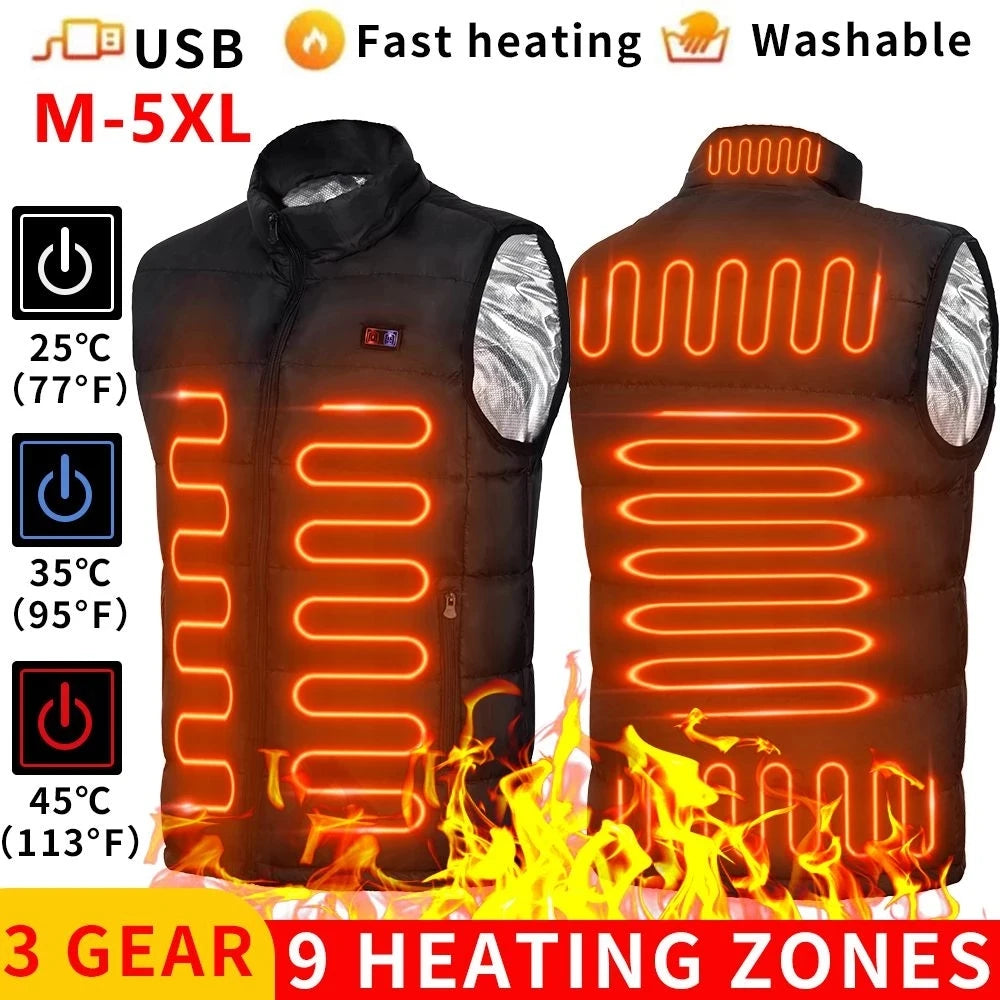
A heated vest delivers targeted warmth where your body needs it most while maintaining excellent freedom of movement. Its slim profile makes it easy to wear beneath an existing winter jacket or on its own during cool mornings and transitional weather.
Best for: Daily commuting, office-to-outdoor transitions, travel, walking, cycling, and everyday layering.
Typical battery runtime: Around 4–8 hours depending on heat level.
Value rating: ★★★★★
- Pros: Lightweight, flexible, comfortable to layer, fast heat-up, excellent mobility.
- Cons: Provides core warmth rather than full-arm coverage.
3. Budget Heated Hoodie
A heated hoodie offers an affordable introduction to battery heated clothing. While it typically produces less heat than premium jackets, it performs well during mild winter weather and casual everyday use.
Best for: Students, casual wear, and moderate winter temperatures.
Typical battery runtime: Approximately 3–6 hours.
Value rating: ★★★★☆
- Pros: Affordable, casual styling, lightweight, easy to wear daily.
- Cons: Lower maximum heat output and shorter battery life.
4. Heated Pants for Outdoor Work
Heated pants provide warmth where standard insulated trousers often fall short, making them especially useful during long shifts in freezing weather or low-activity outdoor work.
Best for: Construction, maintenance, farming, hunting, and prolonged outdoor exposure.
Typical battery runtime: Around 5–8 hours.
Value rating: ★★★★☆
- Pros: Full lower-body warmth, durable construction, excellent for cold job sites.
- Cons: Bulkier fit than standard outdoor pants.
5. Heated Gloves for Extreme Cold
Keeping hands warm is critical for comfort and safety during winter activities. Heated gloves use slim heating elements around the fingers and palm to improve warmth while maintaining grip and dexterity.
Best for: Skiing, snowboarding, motorcycling, hiking, and winter sports.
Typical battery runtime: Around 2–6 hours.
Value rating: ★★★★☆
- Pros: Fast warm-up, improved finger comfort, ideal for active winter use.
- Cons: Smaller batteries generally mean shorter runtimes.
6. Heated Base Layer Set
Heated base layers create an efficient foundation beneath insulated jackets and outer shells by distributing warmth evenly across the body without adding unnecessary bulk.
Best for: Mountaineering, skiing, winter camping, and extended cold-weather adventures.
Typical battery runtime: Approximately 5–8 hours.
Value rating: ★★★★☆
- Pros: Even heat distribution, breathable fabrics, excellent layering performance.
- Cons: Requires additional outer layers in severe weather.
7. Heated Socks for Winter Activities
Cold feet can quickly shorten any outdoor trip. Heated socks concentrate warmth around the toes and forefoot to improve overall comfort during long periods in snow or freezing temperatures.
Best for: Hiking, skiing, ice fishing, hunting, and cold-weather commuting.
Typical battery runtime: Approximately 3–7 hours.
Value rating: ★★★★☆
- Pros: Helps keep toes warm, compact battery system, improves overall winter comfort.
- Cons: Heating coverage is limited to smaller zones compared with heated jackets or vests.
Note: If you have diabetes, severe vascular disease, neuropathy, pregnancy-related concerns, or another medical condition affecting circulation or sensation, discuss any new home therapy with your healthcare provider before use.
Pillar Article: Ionic Detox Foot Spa Benefits: Full Review and Real Results
Other Related Articles:
Explore More:
- Best Home Remedies for Stress and Anxiety: Foot Soaks That Work
- Foot Massage for Sore Feet: 5 Devices That Bring Relief Fast
Who Should Buy Heated Clothing? (Use Cases & Scenarios)
Outdoor Workers & Commuters
Construction workers, utility crews, delivery drivers, cyclists, and commuters who spend hours outdoors benefit from heated clothing that provides consistent warmth without restricting movement. Heated jackets, vests, and gloves help maintain comfort during long workdays while reducing the need for multiple bulky layers.
Winter Sports Enthusiasts
Skiers, snowboarders, hikers, campers, and snowshoers often experience changing temperatures throughout the day. Lightweight heated apparel keeps the core and extremities warm during chairlift rides, rest breaks, and early morning starts without adding excessive weight to outdoor gear.
Hunters & Anglers
Activities that involve long periods of sitting or standing in cold weather make heated clothing especially valuable. Heated jackets, insulated vests, gloves, and socks help maintain body warmth during extended waits in blinds, tree stands, boats, or shoreline fishing locations.
Motorcyclists
Wind chill can make riding temperatures feel much colder than the actual air temperature. Heated base layers, jackets, gloves, and vests provide targeted warmth beneath riding gear, helping improve comfort during long-distance rides in cold conditions.
People Sensitive to Cold
Individuals who naturally feel cold, older adults, or anyone working in cool indoor environments may find battery-powered heated clothing more comfortable than simply wearing additional layers. Adjustable heat settings allow warmth to be tailored throughout the day.
Heated Clothing vs Traditional Winter Layers
When Heated Clothing Wins
Heated winter gear actively produces warmth instead of relying solely on trapped body heat. This makes it especially effective during low-activity situations, prolonged outdoor exposure, and rapidly changing weather where traditional insulation may not be enough.
| Feature | Electric Warming Vest | Traditional Winter Layers |
|---|---|---|
| Warm-up time | Usually within seconds to a few minutes | Depends on retained body heat |
| Bulk | Minimal | Often requires multiple layers |
| Heat distribution | Targeted and consistent | Varies by insulation and activity |
| Mobility | Excellent freedom of movement | Can become restrictive |
| Temperature control | Adjustable heat settings | No active temperature adjustment |
| Battery requirement | Rechargeable battery | Not required |
When Insulation Alone Is Enough
Traditional insulated jackets remain an excellent choice for short outdoor trips, mild winter weather, or high-intensity activities where your body naturally generates significant heat. In these situations, active heating may not be necessary.
Layering Best Practices
The most effective cold-weather system combines moisture-wicking base layers, insulating mid-layers, heated apparel when needed, and a windproof or waterproof outer shell. This approach maximizes warmth while allowing you to adjust clothing as temperatures and activity levels change.
Is Heated Clothing Safe? What You Need to Know
Yes. Modern battery heated clothing is generally safe when used according to the manufacturer's instructions. Most reputable products incorporate low-voltage electrical systems along with built-in safety features such as temperature regulation, overcurrent protection, and automatic shutoff to reduce the risk of overheating.
Battery Safety
Use only compatible rechargeable battery packs supplied or recommended by the manufacturer. Inspect batteries and charging cables regularly for signs of damage, avoid exposing batteries to excessive heat, and discontinue use if a battery becomes swollen or damaged.
- Charge batteries using the recommended charger.
- Do not puncture, crush, or modify battery packs.
- Disconnect the battery before washing or storing the garment.
Weather Safety
Many heated garments are designed to tolerate light rain and snow, but prolonged soaking or full submersion can damage electronic components unless the product is specifically rated for those conditions. Always allow garments to dry completely before reconnecting the battery.
Medical Considerations
People with reduced heat sensitivity, certain circulatory conditions, or implanted medical devices should consult a healthcare professional before using heated clothing for extended periods. Avoid using the highest heat setting for prolonged durations against bare skin.
Travel & Airline Tips
Rechargeable lithium-ion batteries for heated clothing are generally permitted in carry-on baggage on most airlines, while spare batteries are often prohibited in checked luggage. Before flying, verify the battery's watt-hour rating and review your airline's current battery policies.
How to Choose the Best Heated Clothing (Buying Guide)
Battery Life & Power Banks
Battery capacity has a direct impact on how long heated clothing for winter can provide consistent warmth. Most quality garments offer between 4 and 10 hours of runtime depending on the selected heat level. If you spend full days outdoors, choose models with replaceable battery packs or support for compatible backup batteries so you can extend operating time without waiting to recharge.
Heating Zones & Temperature Control
More heating zones generally create more even warmth, but placement is equally important. Look for heating elements positioned across the chest, back, shoulders, or lower back for core warmth, while gloves and socks should target the fingers and toes. Multiple heat settings let you balance comfort with battery efficiency as weather conditions change.
Material & Insulation
The best wearable heating apparel combines lightweight insulation with breathable fabrics that trap warmth while allowing moisture to escape. Softshell materials work well for active use, while insulated outer fabrics provide additional protection in colder environments.
Fit, Comfort & Layering
A close but comfortable fit allows heating elements to remain near the body for better efficiency. Clothing that is too loose reduces heat transfer, while garments that are too tight can restrict movement and layering flexibility. Consider how the garment will fit beneath waterproof jackets or over base layers.
Waterproof & Durability
For hiking, construction work, commuting, or winter sports, choose heated apparel made with durable stitching and weather-resistant materials. Water-resistant shells help protect the heating system from snow, light rain, and cold winds while improving long-term reliability.
Washability & Maintenance
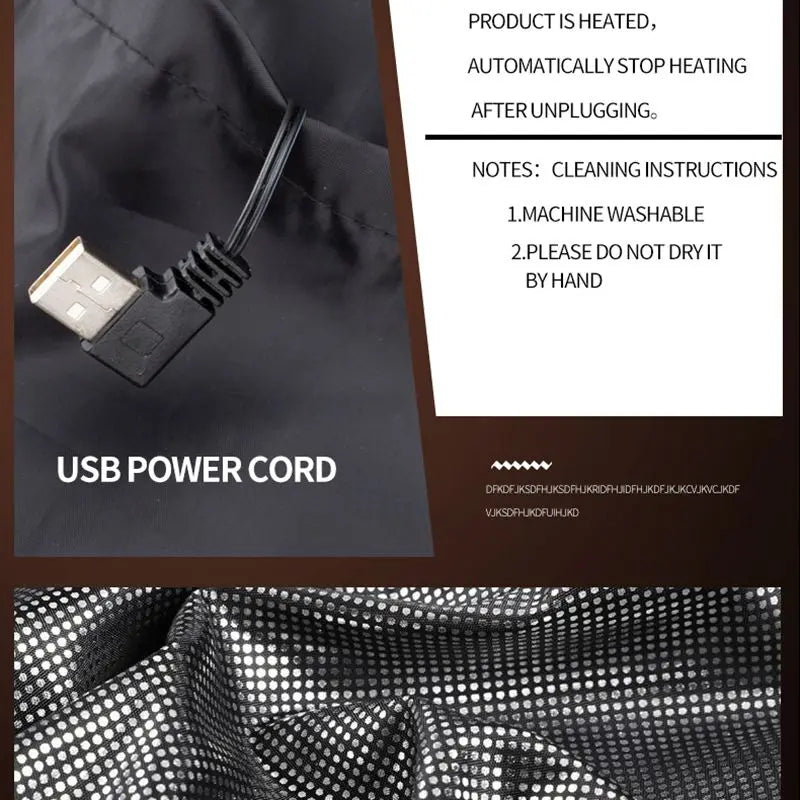
Most modern heated garments are machine washable after the battery has been removed. Follow the manufacturer's cleaning instructions, avoid harsh detergents, and allow the garment to dry completely before reconnecting the battery to help preserve both electronics and fabric performance.
Warranty & Replacement Batteries
A solid warranty provides confidence that heating elements and electrical components are built for long-term use. It's also worth checking whether replacement batteries are readily available, since lithium-ion battery performance naturally declines after repeated charging cycles.
How to Wash, Store & Maintain Heated Clothing
Before Washing
Always disconnect and remove the battery pack before cleaning. Fasten zippers, close hook-and-loop straps, and inspect cables or connectors for wear before placing the garment in the washing machine if machine washing is permitted.
Storage Tips
Store heated clothing in a cool, dry location away from direct sunlight and excessive humidity. Avoid folding garments tightly over heating elements for extended periods, as gentle storage helps preserve wiring and fabric integrity.
Battery Care
Recharge lithium-ion batteries every few months during the off-season instead of leaving them fully discharged. Keep batteries away from extreme heat and freezing temperatures, and replace damaged battery packs immediately to maintain safe performance.
Is Heated Clothing Worth It? (Cost vs Value)
For people who regularly spend time outdoors during winter, heated clothing often delivers long-term value through improved comfort, increased mobility, and reduced reliance on heavy layering. While the initial purchase price is higher than conventional winter apparel, quality heated garments can provide reliable performance over multiple cold seasons when properly maintained.
Who Gets the Most Value
Heated winter clothing is a worthwhile investment for outdoor workers, commuters, winter sports enthusiasts, hunters, anglers, motorcyclists, travelers visiting cold climates, and anyone who spends extended periods in freezing temperatures. These users benefit most from adjustable warmth and improved comfort throughout the day.
When It's Not Worth Buying
If you only encounter cold weather occasionally or spend most winter days indoors, premium heated apparel may not offer enough benefit to justify the higher upfront cost. In milder climates, quality insulated clothing alone may provide sufficient warmth for everyday activities.
FAQ: Heated Clothing for Winter
How long does battery heated clothing last?
Most battery heated clothing provides between 4 and 10 hours of warmth on a single charge. Actual runtime depends on battery capacity, outside temperature, the number of heating zones, and the selected heat setting. Using medium or low heat generally extends battery life.
Can heated clothing be washed?
Yes. Most heated jackets, vests, gloves, and other garments can be washed after removing the battery pack and disconnecting any detachable electrical components. Always follow the manufacturer's care instructions to protect the heating elements and extend the garment's lifespan.
Can you wear heated clothing indoors?
Absolutely. Many people use heated clothing indoors during colder months, particularly in offices, garages, workshops, or homes where temperatures remain cool. Switching to a lower heat setting helps maintain comfort while conserving battery power.
Does heated clothing replace winter jackets?
Not completely. Heated clothing works best as part of a layered winter clothing system. In mild weather, a heated vest or jacket may provide sufficient warmth on its own, while in severe conditions it should be paired with insulating and weather-resistant outer layers.
Is heated clothing safe for daily use?
Yes. Modern heated clothing is designed with low-voltage electrical systems and safety features such as temperature regulation, overheat protection, and automatic shutoff. Using approved batteries and following the manufacturer's instructions helps ensure safe daily operation.
Can heated clothing get wet?
Most heated garments can withstand light rain or snow thanks to water-resistant fabrics, but they are not intended for complete submersion unless specifically rated as waterproof. Remove the battery and allow the garment to dry thoroughly before using it again if it becomes heavily soaked.
Can I bring heated clothing on a plane?
In most cases, yes. Heated clothing itself is generally permitted, while lithium-ion batteries are usually required to be packed in carry-on luggage rather than checked baggage. Always verify the airline's current battery policies and watt-hour limits before traveling.
How many heating zones do I need?
For everyday commuting, two or three heating zones are often sufficient. If you spend long hours outdoors or regularly experience freezing temperatures, garments with additional heating zones across the chest, back, shoulders, or collar provide more even warmth and improved comfort.
For more wellness-focused solutions, explore the Body Care and Health Devices collection.
Related Articles:
- Graphene Heated Vest for Camping Cold Nights Explained
- Lightweight Electric Warming Vest How It Delivers Real Heat
Pillar Articles:













