

Does a thermal insulation winter vest really trap heat better?
A thermal insulation winter vest helps retain warmth by focusing insulation around your core, where your body loses significant heat in cold conditions. By combining insulated materials, strategic padding zones, and heat-retaining fabrics, a thermal insulation winter vest reduces unnecessary heat loss while maintaining comfort and mobility compared with bulky winter layers.
Thermal Insulation Winter Vest: How It Traps Heat Better
Cold weather comfort is not only about adding more layers—it is about choosing insulation that works efficiently. A thermal insulation winter vest protects the chest, back, and core areas where warmth matters most while keeping the arms free for natural movement. This design provides balanced heat retention, reduces the need for heavy clothing, and creates a more flexible winter layering system for daily wear and outdoor activities.
⏱ 7 min read
Explore how modern insulation design changes winter comfort from the inside out.
Many people experience the same winter clothing problem: their arms feel cold while thick jackets make their torso overheat. The difference comes down to how effectively clothing manages heat loss, airflow, and insulation around the body.
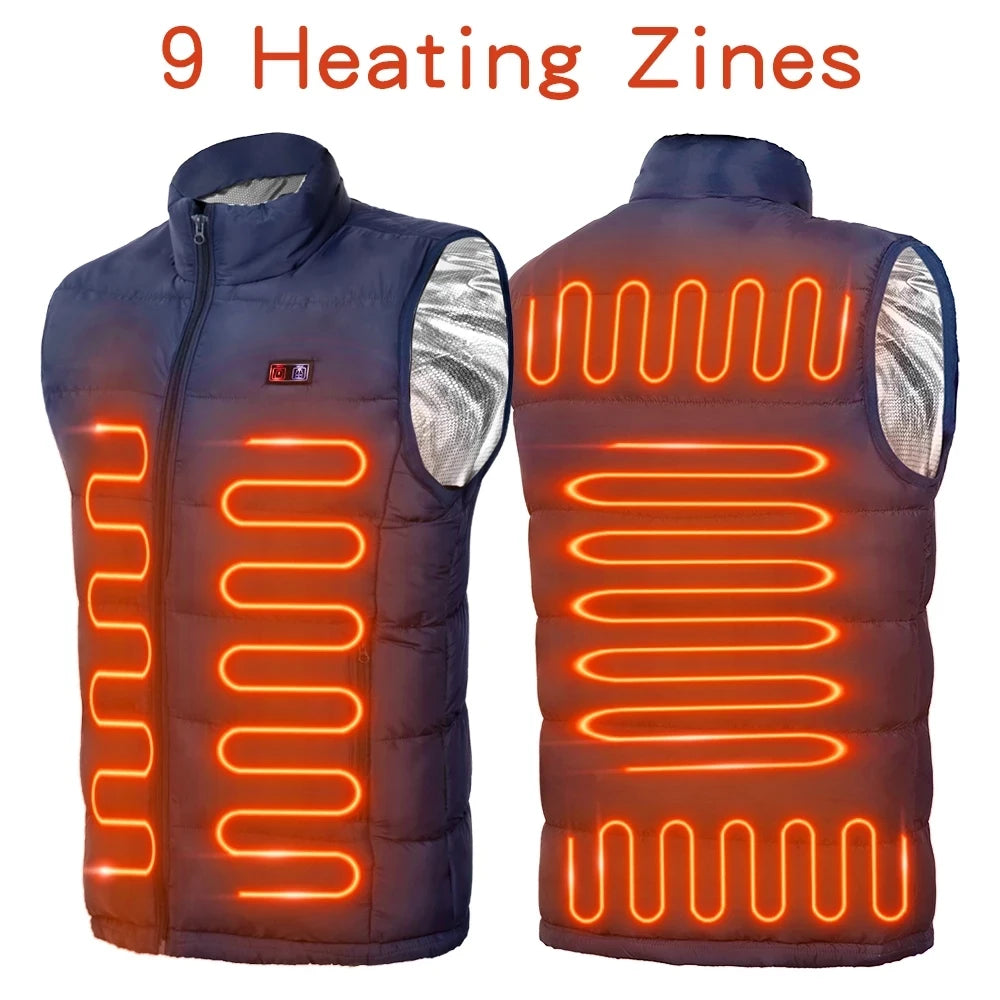
Thermal insulation winter vest design targets core heat retention while maintaining lightweight comfort — See it in action
Do Vests Keep You Warm? (Quick Answer)
Yes, vests keep you warm by insulating your core, including the chest and back areas where maintaining body heat is especially important. Unlike full jackets that add insulation around the arms, a winter vest concentrates warmth where it can provide efficient protection while allowing greater freedom of movement.
However, a vest’s warmth depends on insulation type, temperature, wind exposure, and how it is layered. In mild to moderate cold, a thermal insulation winter vest can work well as an outer layer. In colder conditions, it is most effective when combined with additional layers for complete protection.
How Do Vests Keep You Warm? (The Science Explained)
Core Heat Retention and Body Temperature Regulation
A thermal insulation vest works by creating a protective barrier around the torso that slows heat loss. Because the chest and back contain important organs and major blood vessels, keeping this area insulated helps the body maintain a stable temperature during cold weather.
Instead of adding unnecessary bulk everywhere, a vest uses targeted insulation to preserve warmth while keeping the shoulders and arms unrestricted. This makes it especially useful for walking, commuting, hiking, and other activities where mobility matters.
Insulation Types: Down vs Synthetic vs Fleece
- Down insulation: Provides excellent warmth-to-weight performance by trapping large amounts of warm air in a lightweight structure.
- Synthetic insulation: Offers reliable warmth in damp conditions and typically dries faster than down materials.
- Fleece insulation: Provides breathable comfort and lightweight warmth but offers less protection against wind.
How Thermal Vests Reduce Heat Loss
Thermal insulation vests help reduce heat loss through simple insulation principles:
- Conduction: Insulated materials slow the transfer of body heat into the colder surrounding air.
- Convection: A vest reduces cold airflow around the torso that can remove trapped warm air.
- Radiation: Some reflective inner materials help return body heat toward the core.
Why Core Body Heat Loss Matters in Winter
Staying warm in winter is not only about adding more layers. The body naturally prioritizes protecting the torso—especially the chest, back, and abdomen—because these areas contain vital organs and help maintain overall temperature balance.
- Heat loss from the core can affect how warm the rest of the body feels
- A colder torso can make hands, arms, and legs feel less comfortable in low temperatures
- Uneven insulation can create hot and cold spots that reduce comfort
- Too many heavy layers may trap sweat, which can increase cooling when moisture builds up
This is why a thermal insulation winter vest focuses warmth where it is most useful instead of simply adding thickness everywhere. Targeted core insulation provides efficient heat retention while maintaining better mobility for everyday movement.
How Does a Winter Vest Trap Heat So Efficiently?
Body-Mapped Insulation Zones
Many modern insulated vests use targeted insulation placement to concentrate warmth around the chest, upper back, and core areas while reducing unnecessary bulk around the shoulders. This design helps maintain warmth without limiting arm movement, making a thermal insulation winter vest practical for active use.
Heat Reflection Technology
Some thermal insulation winter vests include reflective inner materials designed to reduce radiant heat loss. By helping redirect body warmth back toward the wearer, these layers can improve perceived warmth without relying only on thicker insulation.
Breathability and Moisture Control
Effective insulation needs to balance warmth with moisture management. Breathable fabrics allow sweat vapor to escape during activity, helping prevent damp clothing from reducing comfort in cold conditions.
See how a thermal insulation winter vest performs in real cold
Are Vests Warm Enough in Winter?
Whether a vest is warm enough depends on temperature, wind, humidity, activity level, and how the vest is layered. A thermal insulation vest can provide excellent warmth in many winter situations, but it is not designed to replace a complete cold-weather system in every condition.
Mild Cold and Everyday Winter Wear
In mild winter temperatures around 5–15°C, a winter vest can often work well as an outer layer over a long-sleeve shirt, sweater, or hoodie. It provides core warmth while preventing the overheating that some people experience with heavier full jackets.
This makes insulated vests a practical choice for commuting, walking, travel, and everyday outdoor activities where mobility and comfort are priorities.
Moderate Cold and Active Outdoor Use
In temperatures around -5 to 5°C, a thermal vest is usually most effective as part of a layering system. Combining a vest with a moisture-wicking base layer and wind-resistant outer shell improves protection against cold air and changing weather.
For hiking, outdoor work, or active movement, a vest can help regulate temperature because it provides insulation without restricting arm movement or creating excessive bulk.
Extreme Cold and When You Need a Jacket
In freezing conditions below -5°C, strong winds, heavy snow, or long periods of inactivity outdoors, a vest alone may not provide enough coverage. A full insulated jacket or protective outer shell is often necessary to shield the arms and entire body from heat loss.
The best approach in severe winter weather is combining a thermal insulation vest with appropriate layers rather than relying on one garment alone.
Vest vs Jacket: Which Is Warmer for Winter?
A thermal vest and a winter jacket both provide insulation, but they are designed for different cold-weather needs. A vest focuses on protecting the core while maintaining mobility, while a jacket provides complete coverage against cold air, wind, and precipitation.
- Thermal vests: Best for core warmth, lightweight comfort, active movement, and flexible layering.
- Winter jackets: Best for full-body protection in harsh weather, including strong wind, snow, and prolonged outdoor exposure.
For commuting, hiking, travel, and active outdoor use, a vest can offer better comfort because it reduces bulk and allows easier movement. In severe winter conditions with strong wind or heavy moisture, a jacket remains the better standalone option because it protects more of the body.
| Feature | Thermal Vest | Winter Jacket |
|---|---|---|
| Core heat retention | Excellent | Excellent |
| Full-body coverage | Limited | Complete |
| Weight | Lightweight | Usually heavier |
| Mobility | High | Moderate |
| Layer flexibility | High | Lower |
| Wind and rain protection | Requires outer layer | Better standalone protection |
Why Wear a Vest in Cold Weather?
The main benefit of wearing a winter vest is efficient core insulation without restricting movement. By focusing warmth around the chest and back, a thermal insulation vest provides cold-weather comfort while keeping the arms free for natural movement.
- Improved mobility: Sleeveless construction allows easier arm movement during walking, hiking, work, or outdoor activities.
- Better temperature regulation: A vest reduces overheating during active use compared with heavier full-body layers.
- Lightweight warmth: Provides insulation without the bulk of thick coats and multiple heavy layers.
- Versatile layering: Works well over shirts, hoodies, sweaters, and under weatherproof jackets.
- Efficient insulation: Concentrates warmth around the core where heat retention is most important.
A thermal insulation winter vest is especially useful for people who need adaptable warmth throughout the day, such as commuters, travelers, hikers, and outdoor workers who frequently move between indoor and outdoor environments.
For windy, rainy, or extremely cold conditions, the best approach is combining a vest with a protective outer layer. A windproof or waterproof jacket can block harsh weather while the vest maintains core warmth.
How to Layer a Thermal Vest for Maximum Warmth
Base Layer for Moisture Management
A comfortable winter layering system starts with a moisture-wicking base layer. Merino wool and technical synthetic fabrics help move sweat away from the skin, keeping your body drier and reducing the cooling effect that occurs when moisture builds up during activity.
Thermal Vest as a Mid Layer
A thermal insulation vest works most effectively as a lightweight insulating layer between your base layer and outer shell. The vest traps warm air around your torso while leaving your arms unrestricted, making it ideal for commuting, hiking, and other activities where mobility matters.
Outer Shell for Wind and Rain Protection
When conditions become colder, windy, or wet, add a windproof or waterproof shell over your vest. The outer layer blocks cold airflow and precipitation, while the insulated vest continues protecting your core warmth. This three-layer approach helps prevent overheating while maintaining reliable protection in changing weather.
Who Should Wear a Thermal Insulation Vest?
A thermal insulation vest is a practical choice for anyone who wants targeted warmth without the bulk and restriction of a full winter jacket. Its sleeveless design makes it especially useful for people who stay active outdoors or need flexible layering throughout the day.
Everyday Commuters and Casual Wearers
For daily travel, shopping, and outdoor errands, a lightweight winter vest provides comfortable core insulation without causing overheating indoors or during movement.
Hikers and Outdoor Enthusiasts
Hikers often choose insulated vests because they provide warmth during rest periods while allowing unrestricted arm movement during climbs, walks, and changing terrain.
Winter Sports and Active Users
People participating in active cold-weather activities can benefit from a vest that balances insulation and ventilation. Keeping the torso warm while allowing the arms to move freely can improve comfort during extended activity.
Outdoor Workers
Outdoor workers who spend long hours in cool environments may prefer a thermal vest as part of a layered clothing system. The right insulation level, weather protection, and fit help maintain comfort throughout the workday.
It also pairs naturally with wellness-focused lifestyle solutions found in the Lifestyle collection.
Get yours now — limited stock!
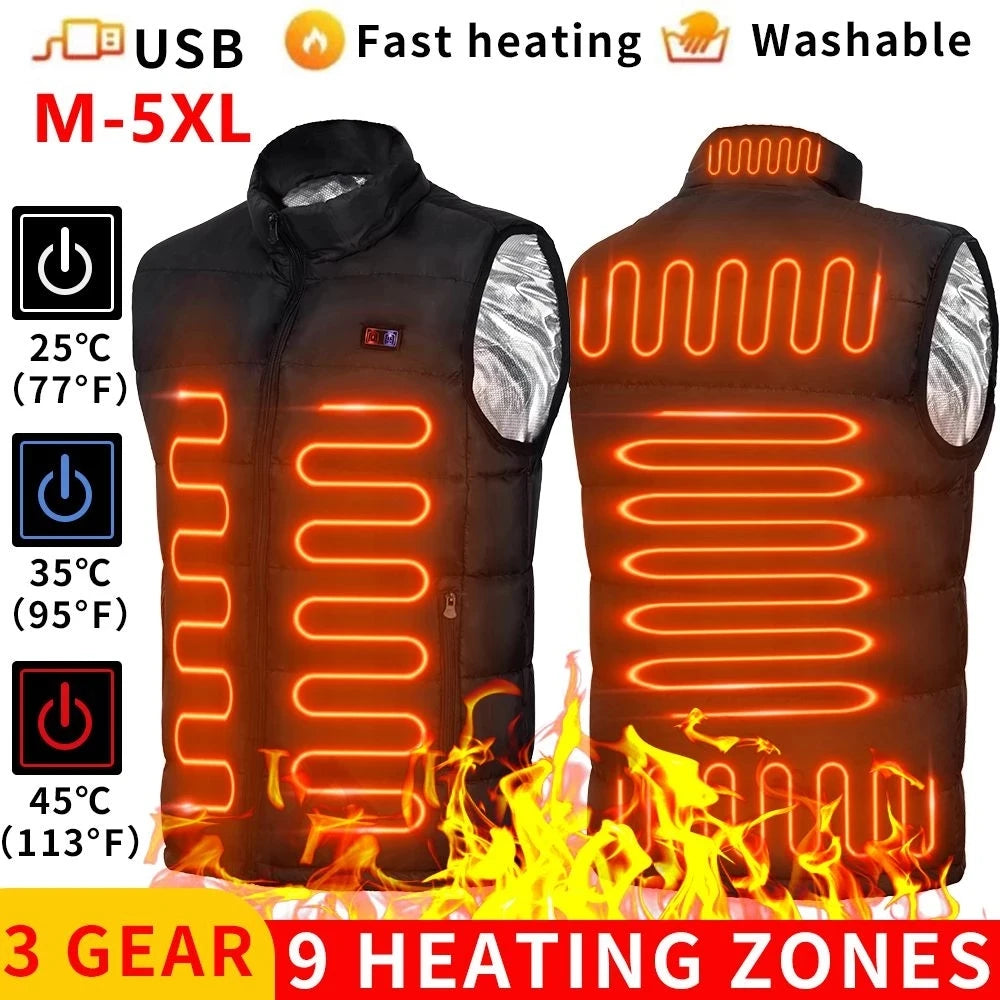
Lightweight winter wear designed for flexible warmth and comfortable layering — See it in action
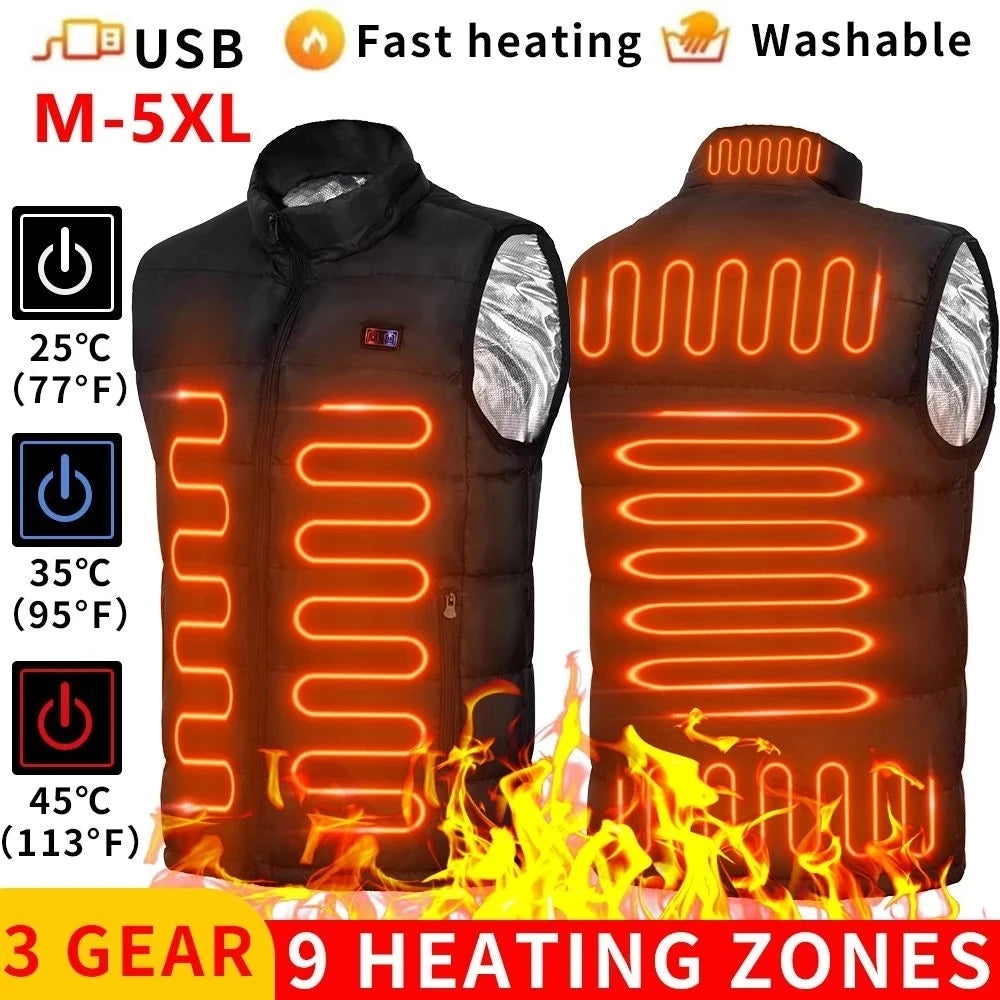
Thermal insulation winter vest comfort with freedom of movement for everyday cold-weather use — See it in action
Frequently Asked Questions
Do puffer vests keep you warm?
Yes. Puffer vests keep you warm by using insulated chambers that trap air and reduce heat loss around your core. Their effectiveness depends on insulation quality, fit, and the weather conditions where they are used.
How do vests keep you warm?
Vests keep you warm by insulating your chest and back, where protecting body heat is especially important. Insulation materials slow heat transfer while reducing the amount of warmth lost to the surrounding air.
Are vests warm enough in winter?
Thermal vests can be warm enough for mild to moderate winter conditions, especially when paired with suitable layers. In freezing temperatures, strong wind, or heavy precipitation, a vest works best under a protective outer jacket.
Can you wear a thermal vest in snow?
Yes, but a thermal vest should usually be combined with a waterproof or wind-resistant outer layer in snowy conditions. A vest alone may not provide enough protection from moisture and cold airflow.
Are down or synthetic vests warmer?
Down vests generally provide excellent warmth-to-weight performance, making them popular for lightweight insulation. Synthetic insulated vests perform better in damp environments because they maintain warmth more effectively when exposed to moisture.
Why wear a vest instead of a jacket?
A vest provides focused core warmth with greater arm mobility and ventilation. It is often preferred for active use, layering, and situations where a full jacket feels too bulky.
Is a thermal vest good for layering?
Yes. A thermal vest is one of the most versatile layering pieces because it adds insulation without restricting shoulder and arm movement. It can be worn over a base layer or underneath a shell jacket depending on the weather.
How should a thermal insulation vest fit?
A thermal insulation vest should fit close enough to retain warmth but leave enough room for base and mid layers underneath. A fit that is too tight can compress insulation and reduce its ability to trap warm air.
Related Articles:
- Electric Warming Core Garment Why Core Heat Matters
- Smart Temperature Control Vest Benefits You Can Feel
Pillar Articles:
- Warm Winter Clothing Review Is This Heated Vest Worth It
- Wearable Winter Heating Apparel for Active Cold Lifestyles
- Best Heated Vest for Winter Compared Side by Side
What to Look for When Buying a Thermal Insulation Vest
Choosing the best thermal insulation vest depends on more than thickness or appearance. The right insulated vest should balance warmth, weight, weather protection, mobility, and layering compatibility based on how and where you plan to use it.
Insulation Type and Warmth-to-Weight
The insulation material determines how efficiently a vest retains heat without adding unnecessary bulk. Down insulation is valued for its excellent warmth-to-weight ratio and compressibility, making it a strong choice for lightweight winter layering. Synthetic insulation is often preferred for active outdoor use because it continues performing better in damp conditions.
When comparing a thermal insulation vest, consider whether you need maximum warmth with minimal weight or reliable performance across changing weather conditions.
Windproofing and Water Resistance
Insulation alone does not determine winter comfort. Cold wind can remove trapped warmth quickly, while moisture can reduce insulation performance. A quality winter vest should include features such as a wind-resistant outer shell or water-repellent fabric to provide better protection in unpredictable conditions.
For hiking, travel, and outdoor work, weather resistance can be just as important as the insulation itself.
Weight, Packability, and Mobility
A lightweight winter vest should provide enough insulation without restricting movement. Packable designs are useful for travelers and outdoor enthusiasts because they can be compressed easily into bags when temperatures change.
Vests are especially practical for active users because the sleeveless design allows greater arm movement compared with heavier jackets.
Fit and Layering Compatibility
The best insulated vest should fit close enough to retain warmth while leaving enough space for a base layer or sweater underneath. A slim insulated vest can work well for commuting and casual wear, while a relaxed fit may be better for outdoor activities that require multiple layers.
A proper fit also helps insulation perform correctly because compressed filling materials may lose some ability to trap warm air.
Durability and Construction
Pay attention to stitching quality, zipper reliability, fabric strength, and overall construction. A well-made thermal insulation vest should maintain insulation performance through regular use while handling repeated layering, travel, and outdoor exposure.
Final Verdict: Which Thermal Insulation Vest Is Right for You?
The best thermal insulation vest depends on your climate, activity level, and layering needs. Lightweight insulated vests are ideal for everyday wear and commuting, while higher-performance options with stronger weather protection are better suited for hiking, winter sports, and outdoor work.
For mild to moderate cold, a thermal insulation vest can provide comfortable core warmth without the bulk of a full jacket. In colder or more demanding conditions, it works best as part of a complete layering system with moisture management, insulation, and weather protection working together.
When choosing an insulated vest, prioritize the features that match your lifestyle: warmth-to-weight performance for mobility, weather resistance for outdoor use, and a comfortable fit that supports flexible layering.













