

⏱ 12 min read — How to Remove Dead Skin Face Safely: A Simple Routine for Softer Skin
Does removing dead skin from your face really make a visible difference?
Yes. Removing dead skin face gently restores smooth texture, brightens the complexion, and improves product absorption — when done with the right frequency and method. A safe routine combines chemical or physical exfoliation with hydration and sun protection to avoid irritation and deliver lasting, softer results.
Tired of dull, rough patches that hide your natural glow? You’re not alone. Many people scrub too hard, over-exfoliate, or pick products that flare sensitivity — and see no improvement. This guide shows a simple, safe routine for how to remove dead skin face so your skin looks softer, smoother, and more even without downtime.
how to remove dead skin face - KentDO 💡 See it in action
What you need to get started
Start with a gentle cleanser, a chosen exfoliant (physical or chemical), a hydrating serum, a nourishing moisturizer, and daily sunscreen. Optional: a gentle device for at-home microdermabrasion or a soft konjac sponge for delicate skin.
Why remove dead skin? Immediate benefits you’ll notice
- Smoother texture — rough patches soften in days.
- Improved glow — dullness fades as dead cells clear.
- Better product performance — serums penetrate deeper.
- More even tone — hyperpigmentation and flakes become less obvious with consistent care.
Quick routine (start here)
Direct answer: To remove dead skin face safely, use one gentle exfoliation method 1–3 times per week, follow with a hydrating serum and moisturizer, and protect with broad-spectrum sunscreen daily. Adjust frequency by sensitivity and avoid combining strong actives on the same day.
- Cleanse with a gentle, non-stripping wash.
- Exfoliate with chosen method (see options below).
- Apply serum (hyaluronic acid or peptide-based).
- Seal with moisturizer and apply sunscreen in the morning.
Which style suits you best? Read on!
Step-by-step: safe exfoliation for every skin type
Below is a careful, non-aggressive method that works for sensitive to resilient skin types. Follow the order and stop if you feel burning or prolonged redness.
1. Cleanse — set the stage
Use lukewarm water and a cream or mild gel cleanser to remove surface oils and makeup. Pat dry — don’t rub.
2. Assess your skin
Check for open wounds, sunburn, or active inflammation. If present, skip exfoliation until healed. If you have rosacea, consult a clinician before trying strong exfoliants.
3. Choose an exfoliant
Pick one method at a time:
- Physical (gentle): soft konjac sponge, microfiber cloth, or a polish with superfine beads used no more than once a week for sensitive skin.
- Chemical (preferred for many): AHA (glycolic or lactic) for texture and brightness, BHA (salicylic) for congestion and oil-prone areas. Start at low concentration (5–10%) and patch test.
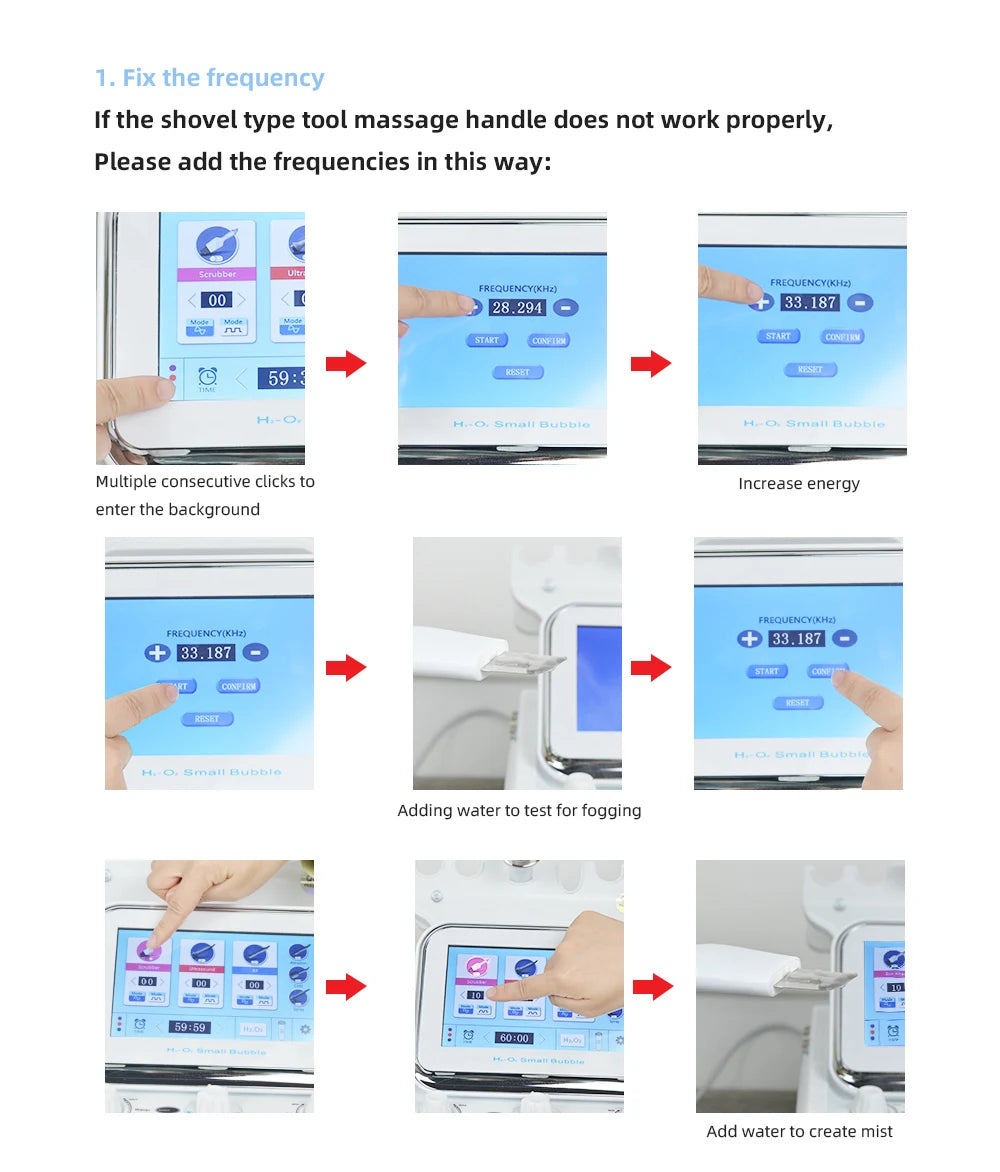
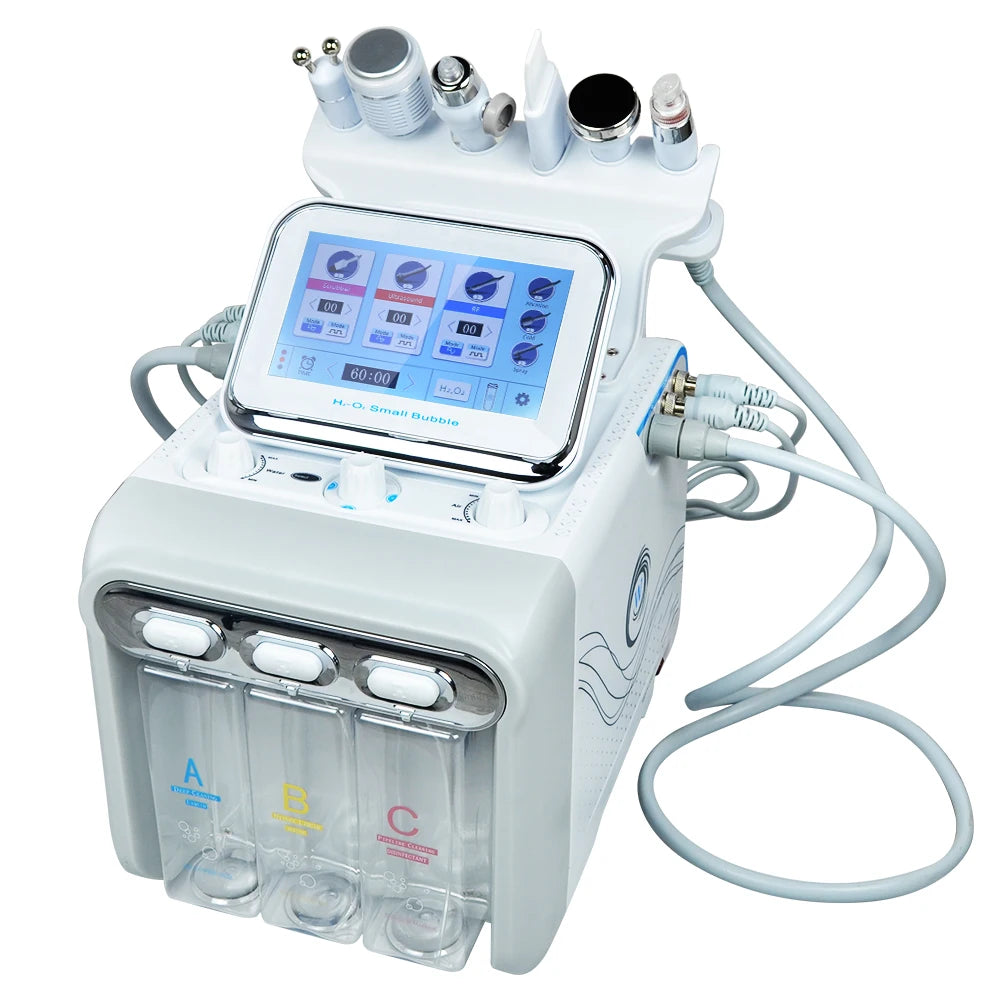
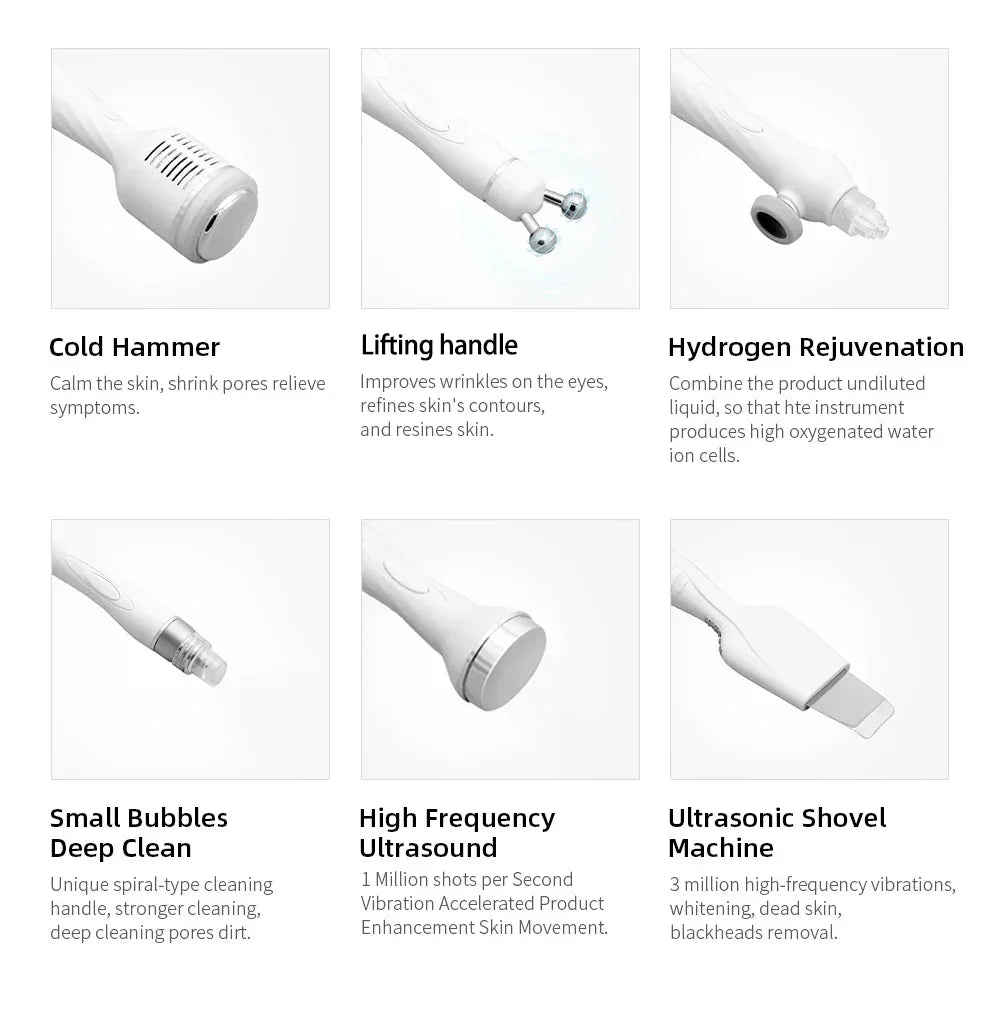
- Device-assisted: at-home microdermabrasion for visible smoothing when used correctly and infrequently. Example product: KentDO Hydro Microdermabrasion 6-in-1 — follow manufacturer guidance.
4. Apply carefully
For chemical exfoliants: apply a thin layer on clean skin; leave on according to product guidance; rinse thoroughly if it stings. For physical options: use light pressure and short strokes for 20–30 seconds max.
5. Hydrate and repair
Apply a hydrating serum (hyaluronic acid, glycerin) while skin is slightly damp. Follow with a ceramide-rich moisturizer to rebuild the barrier.
6. Always protect your skin
Use broad-spectrum SPF 30+ every morning after exfoliation days. Exfoliation makes skin more UV-sensitive — protection prevents pigmentation and damage.
Physical vs chemical exfoliation — choose the right path
Both methods remove dead skin but work differently. Physical removes by friction; chemical loosens bonds between dead cells. For long-term texture and pigment improvement, chemical exfoliation often provides smoother, less abrasive results.
| Method | Best for | Risks | Frequency |
|---|---|---|---|
| Gentle physical (konjac, soft cloth) | Very sensitive or reactive skin | Over-scrubbing can cause microtears | 1×/week |
| Chemical AHA (glycolic/lactic) | Dull, textured, dry or sun-damaged skin | Irritation if high strength or combined with retinol | 1–3×/week depending on concentration |
| BHA (salicylic) | Oily, acne-prone, congested skin | Dryness if overused | 1–3×/week |
| Device (microdermabrasion) | Thicker skin, texture, stubborn dullness | Temporary redness; needs correct technique | Every 2–4 weeks (at-home devices less often) |
How often should you exfoliate? Quick guide
- Very sensitive skin: once every 7–10 days with a mild method.
- Normal/combination: 1–3 times per week depending on product strength.
- Oily or very textured: up to 3 times per week with BHAs or low-strength AHAs.
- Devices: every 2–4 weeks; less if you see persistent redness.
Pro tips that protect your skin
- Patch test new actives on the inner forearm for 48 hours.
- Don’t mix strong acids and retinol on the same night unless directed by a pro.
- Keep exfoliation short and gentle — you’ll get results with consistency, not aggression.
how to remove dead skin face - KentDO 💡 See it in action
Before & after: realistic expectations and timeline
You may see smoother texture within a few days, but meaningful change to tone, large pores, or deep discoloration often takes 4–12 weeks of consistent, gentle exfoliation plus sun protection.
Example timeline
- Days 1–7: surface roughness softens; glow begins to return.
- Weeks 2–6: improved texture and product absorption; flaky patches reduced.
- Weeks 8–12+: visible lightening of superficial pigmentation and sustained smoother tone.
Device and product guide: tools that make it easier
For many, a reliable at-home tool can accelerate visible smoothing without clinical visits — as long as it’s used correctly. Professional-grade microdermabrasion devices and gentle acids are complementary when scheduled apart and paired with barrier repair.
Why some at-home devices help
Device-assisted exfoliation can mechanically lift dull cells and help topical actives work deeper, which is why people report faster-looking results when devices are used responsibly and spaced out from chemical treatments.
Product suggestions and where to learn more
- Hydrating cleansers and barrier-focused moisturizers.
- Low-strength AHA (5–10%) or BHA (0.5–2%) starting options.
- At-home microdermabrasion devices for a monthly deep-refresh — see the KentDO Hydro Microdermabrasion 6-in-1 product page for details and instructions.
Troubleshooting: what to do if things go wrong
Redness or burning
Stop exfoliating. Use a simple, fragrance-free moisturizer and a cold compress. If burning persists more than 24–48 hours, seek professional advice.
Increased breakouts
This can happen temporarily as pores purge. Reduce exfoliation frequency and switch to a BHA if oil and congestion are the primary issues.
Flaky or over-dry skin
Cut back frequency, add more emollients (oils, ceramides), and skip acids until the barrier repairs.
Real user feedback & social proof
Thousands of users report softer skin and faster product results when they switch from aggressive scrubbing to a gentle, consistent exfoliation routine. Below are representative comments:
“My skin felt smoother within a week, and my serums finally absorbed.” — A.S., 34
“Stopped the painful scrubbing and actually saw less redness after two weeks.” — R.M., 28
“Monthly device sessions gave me visible smoothing without downtime.” — L.P., 42
Safety notes: when to see a professional
- If you have eczema, active severe acne, or rosacea, consult a dermatologist before starting strong exfoliants or devices.
- Avoid exfoliation after recent chemical peels or cosmetic procedures without provider guidance.
how to remove dead skin face - KentDO 💡 See it in action
Mini-FAQ (schema-ready)
How often should I exfoliate my face to remove dead skin?
Most people benefit from exfoliating 1–3 times per week depending on the method and skin sensitivity. Devices are used less often (every 2–4 weeks). Adjust based on how your skin responds.
Is chemical or physical exfoliation better for sensitive skin?
Gentle chemical exfoliants like low-strength lactic acid or very mild physical options (konjac sponge) are often safer. Avoid gritty scrubs and high concentrations until you know your tolerance.
Can I use an at-home microdermabrasion device to remove dead skin?
Yes — when used per instructions, at-home devices can safely remove dead skin, improve texture, and boost product absorption. Space sessions apart from chemical exfoliation and protect skin afterwards with sunscreen.
Final thoughts — gentle consistency wins
Removing dead skin face safely isn’t about doing more — it’s about doing the right thing regularly. Choose a method that matches your skin’s needs, protect your skin from the sun, and support the barrier with hydration. When used responsibly, targeted devices and mild acids can transform texture and restore a natural, confident glow.
- Cleanser: gentle
- Exfoliant: one method at a time
- Hydrate: apply serum + moisturizer
- Protect: SPF every morning
Related Articles:
- Gentle Chemical Exfoliant for Dry Skin: How to Use It Without Irritation
- Home Remedies for Dry Skin: Easy Daily Rituals to Restore Moisture Fast
- Gentle Exfoliation for Sensitive Skin: A Beginner’s Guide to Doing It Right
- Facial Deep Pore Cleansing Steps Anyone Can Follow for Clearer Skin
Pillar Articles:













