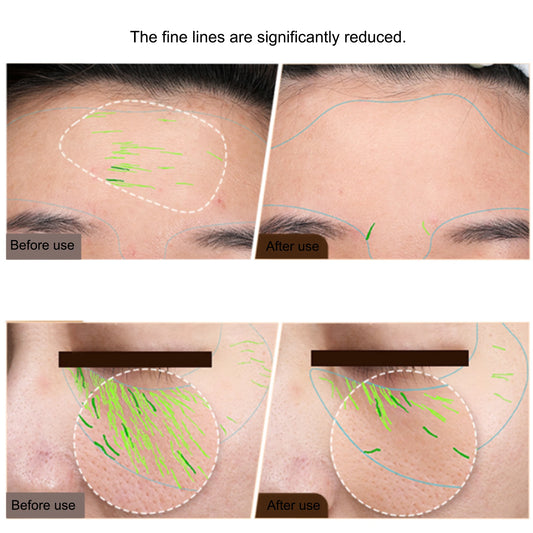
Q: Which is better — a sonic or ultrasonic facial brush?
A: Sonic brushes use rapid mechanical vibrations to move bristles and clean the surface of the skin, making them ideal for daily cleansing. Ultrasonic brushes operate at much higher sound wave frequencies that help loosen debris within pores without harsh scrubbing. For sensitive or acne-prone skin, ultrasonic tools are often gentler, while sonic brushes provide more traditional exfoliation.
⏱ 7 min read
Sonic vs Ultrasonic: What’s the Real Difference and Which Technology Is Better?
Sonic and ultrasonic technologies are used in everything from facial cleansing brushes to toothbrushes and professional cleaning tools. While both rely on vibration to remove debris, they operate at very different frequencies and clean surfaces in distinct ways. Understanding the difference between sonic and ultrasonic technology can help you choose the right device for clearer skin, better oral hygiene, and more effective cleaning.
Sonic vs Ultrasonic Explained in Simple Terms
The difference between sonic and ultrasonic technology comes down to vibration frequency and how each method cleans surfaces. Sonic devices use high-speed mechanical vibrations that physically move bristles or surfaces to loosen debris. Ultrasonic devices operate at much higher frequencies and create microscopic bubbles in liquid, a process called cavitation, which helps lift away dirt and bacteria.
Both technologies are used in cleaning devices such as toothbrushes, facial cleansing brushes, jewelry cleaners, and dental tools. The best option depends on the application: sonic technology often relies on gentle scrubbing motion, while ultrasonic technology focuses on microscopic cleaning through sound waves.
Understanding how each method works makes it much easier to choose the right device for your skincare routine, oral hygiene, or cleaning needs.
Sonic vs Ultrasonic: Key Differences at a Glance
| Feature | Sonic Technology | Ultrasonic Technology |
|---|---|---|
| Frequency Range | Typically 20,000–40,000 vibrations per minute | Usually above 20,000 Hz (often much higher) |
| Cleaning Method | Mechanical vibration moves bristles or surfaces | Sound waves create microscopic bubbles (cavitation) |
| Best For | Toothbrushes and facial cleansing brushes | Deep cleaning tools and liquid-based cleaners |
| Contact Required | Usually requires physical contact | Often works through liquid without direct scrubbing |
| Typical Devices | Sonic toothbrushes, sonic facial brushes | Ultrasonic cleaners, ultrasonic facial tools |
In simple terms, sonic technology focuses on fast physical motion, while ultrasonic technology relies on high-frequency sound waves that create microscopic cleaning action in liquids.
How Sonic Technology Works
Sonic cleaning technology relies on rapid mechanical vibrations. In devices like sonic toothbrushes or facial cleansing brushes, a motor generates thousands of vibrations per minute, causing the brush head or bristles to oscillate quickly.
This motion helps loosen dirt, oil, plaque, and debris by creating rapid back-and-forth movement on the surface being cleaned. In oral care devices, these vibrations can also move fluids such as toothpaste and saliva between teeth, improving cleaning efficiency.
- High-speed mechanical movement removes debris
- Often used with soft bristles or brush heads
- Requires direct contact with the surface
- Common in sonic facial brushes and sonic toothbrushes
Because sonic devices rely on physical motion rather than extreme frequencies, they are typically designed to be gentle enough for daily use on skin or teeth.
How Ultrasonic Technology Works
Ultrasonic technology operates at extremely high sound wave frequencies, generally above 20,000 hertz. These sound waves travel through liquids and create millions of microscopic bubbles that rapidly form and collapse in a process known as cavitation.
When these bubbles collapse, they release tiny bursts of energy that help dislodge dirt, oil, bacteria, and debris from surfaces. This allows ultrasonic cleaning to reach areas that traditional brushing or scrubbing might miss.
- Uses high-frequency sound waves
- Creates microscopic cleaning bubbles
- Often works best in liquid environments
- Common in ultrasonic facial tools and cleaning machines
This technology is widely used in professional dental equipment, jewelry cleaners, and some skincare devices that aim to cleanse pores without harsh scrubbing.

💡 See it in action: ultrasonic brush for face vs. sonic cleansing — Which is better for deep clean?
Sonic vs Ultrasonic: Cleaning Power and Performance Comparison
Both technologies are effective cleaners, but they perform differently depending on the task. Sonic devices rely on physical motion to remove debris, while ultrasonic devices use high-frequency sound waves to clean at a microscopic level.
Surface Cleaning
Sonic technology performs well when direct contact and gentle scrubbing are helpful, such as brushing teeth or cleansing facial skin. The vibration helps loosen debris while maintaining a familiar brushing motion.
Deep or Microscopic Cleaning
Ultrasonic technology excels at cleaning very small crevices or surfaces submerged in liquid. The cavitation process can remove particles from areas that brushes cannot easily reach.
Daily Use vs Specialized Cleaning
Sonic devices are typically designed for daily routines like skincare or brushing teeth. Ultrasonic technology is often used for deeper cleaning tasks or specialized skincare tools.
| Goal | Sonic Device | Ultrasonic Device |
|---|---|---|
| Remove makeup and surface oil | ✅ | ✅ |
| Penetrate clogged pores | ❌ | ✅ |
| Anti-aging stimulation | ❌ | ✅ |
| Safe for daily use | ✅ | ✅ |
| Suitable for sensitive skin | Maybe | ✅ |
Sonic vs Ultrasonic Facial Brush: Which One Is Better for Skin?
When comparing a sonic facial brush vs ultrasonic facial brush, the best choice depends on your skin type and skincare goals. Both tools help remove makeup, oil, and impurities, but they work differently.
Sonic facial brushes use gentle vibrating bristles to exfoliate and cleanse the skin’s surface. Ultrasonic facial brushes typically use high-frequency vibrations that help loosen debris inside pores without relying on traditional bristles.
Sonic Facial Brush: Pros and Cons
- Provides mild exfoliation through bristles
- Effective for removing makeup and surface oils
- Often suitable for normal to oily skin
- May be too abrasive for very sensitive skin
Ultrasonic Facial Brush: Pros and Cons
- Uses high-frequency vibrations instead of scrubbing
- Often gentler on sensitive skin
- Can help loosen debris inside pores
- May provide less physical exfoliation
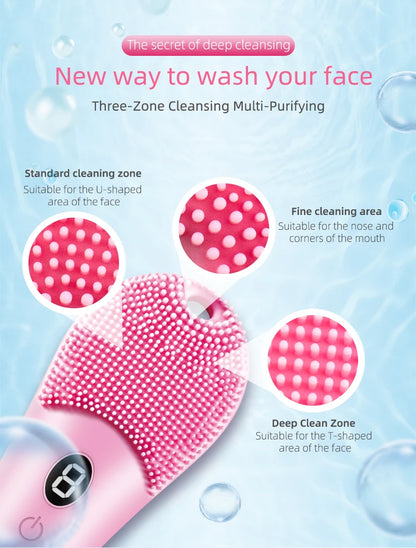
💡 See it in action: ultrasonic face brush clears pores with zero irritation
Sonic vs Ultrasonic Toothbrush: What Dentists Recommend
Sonic toothbrushes are widely recommended by dentists because they combine high-speed vibration with traditional brushing motion. The rapid movement helps remove plaque while also improving fluid movement around teeth and gums.
Ultrasonic toothbrushes also exist, but they are less common and typically rely on sound waves rather than large mechanical movements. Some models combine both technologies for enhanced cleaning.
- Sonic toothbrushes are more common and widely tested
- Ultrasonic models focus on microscopic cleaning action
- Both technologies can improve oral hygiene when used properly
How to Choose Between Sonic and Ultrasonic Devices
If you're deciding between sonic and ultrasonic technology, consider what you want the device to do and how often you plan to use it.
Choose Sonic If:
- You want a familiar brushing or scrubbing motion
- You need a daily skincare or oral care tool
- You prefer gentle exfoliation
Choose Ultrasonic If:
- You want deeper microscopic cleaning
- You prefer less physical scrubbing
- You are using a device designed for liquid-based cleaning
Choosing the Right Facial Brush for Your Skin Type
Best Sonic Facial Brush
The best sonic facial brush works well for normal to combination skin and provides effective daily cleansing. These brushes gently exfoliate the skin’s surface and help remove oil and makeup residue.
Ultrasonic Face Brush
An ultrasonic face brush may be better if you’re targeting clogged pores, blackheads, or sensitive skin. High-frequency vibrations help loosen debris inside pores without aggressive scrubbing.
Common Devices That Use Sonic vs Ultrasonic Technology
Facial Cleansing Brushes
Sonic and ultrasonic technologies are both used in modern facial cleansing tools designed to remove makeup, oil, and debris from pores.
Toothbrushes
Sonic toothbrushes are extremely common in daily oral care, while ultrasonic toothbrushes are more specialized but still used in some advanced models.
Jewelry and Retainer Cleaners
Ultrasonic cleaning machines are widely used for cleaning jewelry, eyeglasses, and dental retainers because cavitation can reach very small crevices.
Skin Care Tools
Professional skincare devices sometimes use ultrasonic technology to help cleanse pores or enhance skincare product absorption.

💡 Ultrasonic brush for face by KentDO — combine comfort, clarity, and convenience
Sonic vs Ultrasonic: Which Technology Should You Choose?
The difference between sonic and ultrasonic technology lies in how they clean. Sonic devices rely on fast physical vibrations, while ultrasonic devices use extremely high-frequency sound waves to create microscopic cleaning action.
For everyday uses such as toothbrushes or facial cleansing brushes, sonic technology is often the most common and practical choice. Ultrasonic tools are typically used when deeper or more specialized cleaning is needed.
Choosing the right technology ultimately depends on your skincare routine, skin sensitivity, and the type of device you plan to use.
Mini FAQ
What is the difference between sonic and ultrasonic?
Sonic technology uses fast mechanical vibrations to move brush heads or bristles, while ultrasonic technology operates at much higher frequencies that create microscopic cleaning action through sound waves.
Which is better: sonic or ultrasonic facial brush?
Sonic brushes provide gentle exfoliation and surface cleansing, while ultrasonic brushes focus on deeper pore cleansing with minimal scrubbing. The better option depends on skin sensitivity and skincare goals.
Is ultrasonic safe for daily skincare?
Many ultrasonic skincare tools are designed to be gentle enough for regular use. However, it’s important to follow manufacturer guidelines and avoid overuse.
Can sonic or ultrasonic brushes cause skin irritation?
Both types of brushes can cause irritation if used too aggressively or with harsh cleansers. Choosing soft brush materials and gentle settings helps minimize this risk.
Is ultrasonic technology stronger than sonic?
Ultrasonic devices operate at higher frequencies, but that doesn’t necessarily mean they are stronger. Instead, they clean differently by creating microscopic energy waves rather than relying on physical scrubbing.
Pillar Article: Best Sonic Facial Brushes in 2025: Real User Reviews & Top Picks
Other Related Articles:
- This One Sonic Brush Beat All the Rest—Here’s Why
- What Is the Best Sonic Face Brush for Acne-Prone Skin?
- The Hidden Differences Between Sonic & Ultrasonic Facial Brushes
- I Tried 5 Sonic Face Brushes So You Don’t Have To
Explore More: