Best Facial Brush for Acne-Prone Skin: 7 Dermatologist-Safer Picks Compared
Searching for the best sonic face brush for acne that actually helps manage breakouts without irritating sensitive skin? A well-designed facial cleansing brush can support clearer pores by removing excess oil, sunscreen, and makeup more effectively than hands alone—but only when chosen and used correctly. In this expert guide, we break down the best facial brush for acne-prone skin , how they work, and what dermatologists recommend based on acne type, skin sensitivity, and long-term skin barrier health.
⏱ 7 min read
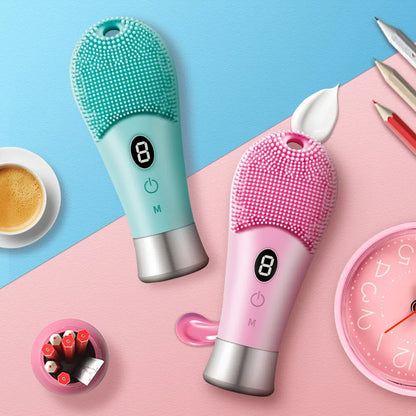
Best sonic face brush for acne — See it in action
Are Facial Cleansing Brushes Good for Acne-Prone Skin?
The best facial brush for acne prone skin can improve cleansing, remove excess oil, sunscreen, and makeup residue, and support a consistent skincare routine. However, cleansing brushes are not acne treatments. Their effectiveness depends on acne severity, skin sensitivity, brush design, and frequency of use.
Do Face Brushes Help Acne or Make It Worse?
For mild acne, oily skin, and clogged pores, a gentle sonic or silicone facial brush may improve cleansing efficiency and help reduce pore congestion when paired with a non-comedogenic cleanser. This supports a healthier acne skincare routine .
However, aggressive brushing or overuse can damage the skin barrier, increase redness, and worsen breakouts. More cleansing is not always better for acne-prone skin.
What Dermatologists Recommend for Different Types of Acne
- Mild blackheads/whiteheads: Gentle sonic or silicone brushes may be appropriate.
- Oily skin: 2–3 uses weekly can help control excess sebum.
- Sensitive skin: Soft silicone brushes are generally preferred.
- Inflammatory acne: Avoid mechanical exfoliation on active lesions.
- Cystic acne: Cleanse manually until inflammation improves.
When a Facial Brush Can Actually Be Harmful
Facial brushes should be avoided during active inflammation, peeling from retinoids, or recovery after dermatological procedures. Over-cleansing can weaken the barrier and make acne harder to control.
How Facial Cleansing Brushes Work for Acne-Prone Skin
Facial cleansing brushes enhance cleansing by providing controlled mechanical exfoliation that removes oil, sunscreen, and dead skin cells more efficiently than manual washing.
How Sonic Cleansing Technology Works
Sonic brushes use high-frequency micro-oscillations to loosen debris from pores with minimal friction, making them a safer option for acne-prone and sensitive skin types.
Sonic vs Spin Facial Brushes
- Sonic: Gentle vibration, minimal skin dragging, acne-friendly.
- Spin: Rotational exfoliation, stronger cleaning but higher irritation risk.
- Dermatologists generally prefer sonic devices for acne-prone skin.
Silicone vs Nylon Bristles for Acne Safety
Silicone is non-porous, easy to clean, and reduces bacterial buildup. Nylon bristles may offer deeper exfoliation but require frequent replacement and careful hygiene.
For deeper understanding of exfoliation intensity, see our exfoliation guide .
Which Brush Type Matches Your Skin Type?
- Sensitive skin: Silicone sonic brush
- Oily skin: Sonic or soft-bristle brush
- Combination skin: Adjustable sonic device
- Occasional breakouts: Gentle rotating brush
Quick Comparison: Best Facial Brushes for Acne-Prone Skin
Compare leading acne-safe facial brushes based on technology, hygiene, and skin compatibility.
Comparison Table
- KentDO Sonic Ultrasonic Facial Brush: Sonic, silicone, acne-prone, waterproof, USB rechargeable, replaceable-free head
- FOREO Luna 4: Sonic, silicone, sensitive skin, high waterproof rating
- PMD Clean: Sonic + massage, silicone, all skin types
- Olay Regenerist Brush: Rotating, nylon, oily skin
- Clarisonic Mia (legacy): Sonic, bristle head system, discontinued but widely referenced
How We Evaluated These Facial Brushes
Each brush was assessed based on acne-specific performance rather than marketing claims.
Cleaning Performance
Ability to remove oil, sunscreen, and makeup without excessive pressure.
Gentleness for Acne-Prone Skin
Preference for silicone materials and adjustable intensity settings.
Long-Term Hygiene and Maintenance
Ease of cleaning and resistance to bacterial buildup.
Overall Value
Durability, cost of ownership, and usability over time.
7 Best Facial Brushes for Acne-Prone Skin (2026 Picks)
Best Overall Sonic Face Brush
Best For: Balanced acne control with minimal irritation.
Pros: Deep cleansing, gentle sonic motion, easy to maintain
Cons: Requires consistent usage routine
Key Specs: Silicone head, sonic vibration, waterproof design
Why It Works for Acne: Removes pore-clogging debris without harsh scrubbing.
Things to Consider: Overuse may still irritate sensitive skin.
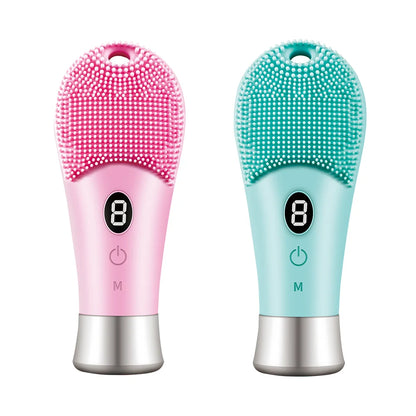
The KentDO Sonic Ultrasonic Facial Brush uses soft silicone and sonic pulses to gently lift impurities while protecting the skin barrier. It is designed for acne-prone users who need effective yet non-abrasive cleansing.
Best Silicone Facial Brush for Sensitive Acne
Best For: Highly sensitive or redness-prone skin.
Pros: Hygienic, gentle, easy to rinse
Cons: Less exfoliating power than bristle brushes
Key Specs: Medical-grade silicone, sonic vibration
Why It Works for Acne: Minimizes bacterial buildup and friction.
Things to Consider: May feel too mild for oily skin types.
Best Spin Brush for Deep Pore Cleansing
Best For: Very oily skin with clogged pores.
Pros: Strong exfoliation, deep oil removal
Cons: Higher irritation risk
Key Specs: Rotating nylon head, variable speed
Why It Works for Acne: Helps dislodge stubborn buildup.
Things to Consider: Not ideal for inflamed acne.
Best Budget Facial Cleansing Brush
Best For: Beginners testing brush cleansing.
Pros: Affordable, simple use
Cons: Limited features
Key Specs: Manual or basic powered brush
Why It Works for Acne: Provides light exfoliation support.
Things to Consider: Hygiene depends on user care.
Best Hygienic Silicone Sonic Brush
Best For: Acne-prone users prioritizing hygiene.
Pros: Antibacterial-friendly surface, waterproof
Cons: Fewer exfoliation options
Key Specs: Fully silicone body, sonic pulses
Why It Works for Acne: Reduces bacterial transfer risk.
Things to Consider: Less aggressive cleansing.
Best Gentle Exfoliating Brush for Acne
Best For: Mild congestion and uneven texture.
Pros: Smooth exfoliation, skin polishing effect
Cons: Not for active acne
Key Specs: Soft bristles, adjustable speed
Why It Works for Acne: Prevents buildup before breakouts form.
Best Travel Facial Brush for Acne-Prone Skin
Best For: Travel and portability.
Pros: Compact, lightweight, waterproof
Cons: Smaller battery capacity
Key Specs: USB rechargeable silicone design
Why It Works for Acne: Maintains routine consistency while traveling.

How to Use a Facial Brush Safely for Acne-Prone Skin
How Often Should You Use an Acne Brush?
Use 2–3 times per week. Sensitive skin may require once weekly use.
Choosing the Right Cleanser
Use a gentle, fragrance-free cleanser. Avoid combining with strong exfoliating acids in the same routine. See best cleansers for acne-prone skin .
Pressure, Brush Head Type, and Cleansing Time
Use minimal pressure and cleanse for about 60 seconds total.
Cleaning Your Facial Brush to Prevent Bacteria
- Rinse after each use
- Wash with mild soap
- Air dry completely
- Replace heads regularly
Common Mistakes That Trigger Irritation
- Overusing daily
- Pressing too hard
- Skipping cleaning
- Using on inflamed acne
Who Should NOT Use a Facial Cleansing Brush?
Inflammatory Acne
Active red pimples are easily irritated.
Cystic or Nodular Acne
Deep lesions should not be mechanically exfoliated.
Damaged Skin Barrier
Stop use if skin is burning or peeling. See skin barrier repair guide .
Recent Chemical Peels, Microneedling, or Retinoid Irritation
Avoid brushes during recovery phases.
How to Choose the Best Facial Brush for Acne-Prone Skin
Brush Material
Silicone is more hygienic; nylon offers stronger exfoliation.
Brush Technology
Sonic devices are generally gentler than rotating brushes.
Replacement Head Availability
Consider long-term cost and maintenance.
Waterproof Rating
Fully waterproof designs are easier to clean and safer.
Battery Life
Longer battery life improves convenience.
Ease of Cleaning
Smooth silicone designs reduce bacterial buildup.
Which Facial Brush Is Best for Your Skin Type?
Sensitive Acne-Prone Skin
Use silicone sonic brushes with low intensity.
Oily Acne-Prone Skin
Use sonic cleansing brushes 2–3 times weekly.
Combination Skin
Adjust intensity by zone (T-zone vs cheeks).
Hormonal Acne
Brushes support cleansing but do not replace acne treatment.
Occasional Breakouts
Budget silicone brushes are often sufficient.
FAQ: Facial Brushes for Acne-Prone Skin
Can sonic face brushes make acne worse?
Yes, if overused or used too aggressively. Gentle use reduces this risk.
How often should I use a sonic exfoliating brush?
2–3 times per week is ideal for most acne-prone skin.
Are silicone bristles better than nylon?
Silicone is generally more hygienic and easier to clean.
What is the best facial cleansing brush for sensitive acne skin?
Soft silicone sonic brushes are usually safest.
Should you use a facial brush every day for acne?
No, daily use may disrupt the skin barrier.
Can I use benzoyl peroxide with a facial brush?
Yes, but not in the same cleansing session. Alternate usage to avoid irritation.
Should I use a cleansing brush while using tretinoin?
Use caution. During tretinoin adjustment phases, avoid brushes. See retinoid skincare guide .
How often should brush heads be replaced?
Nylon heads: every 2–3 months. Silicone heads: every 6–12 months depending on wear.
Pillar Article: Best Sonic Facial Brushes in 2026: Real User Reviews & Top Picks
Other Related Articles:
- Sonic vs. Ultrasonic: You’re Choosing the Wrong Facial Brush
- This One Sonic Brush Beat All the Rest—Here’s Why
- The Hidden Differences Between Sonic & Ultrasonic Facial Brushes
- I Tried 5 Sonic Face Brushes So You Don’t Have To
Explore More: