

Top Skin Moisture Analyzer Manufacturers (2026 Supplier & OEM/ODM Guide)
Quick Answer: Who Are the Top Skin Moisture Analyzer Manufacturers?
The top skin moisture analyzer manufacturers in 2026 include :contentReference[oaicite:0]{index=0}, :contentReference[oaicite:1]{index=1}, :contentReference[oaicite:2]{index=2}, :contentReference[oaicite:3]{index=3}, :contentReference[oaicite:4]{index=4}, :contentReference[oaicite:5]{index=5}, and :contentReference[oaicite:6]{index=6}. These companies produce professional skin diagnostic tools used in dermatology clinics, beauty salons, cosmetic research laboratories, and skincare retail environments.
Leading manufacturers typically offer devices that measure skin hydration using corneometry or bio-impedance sensors while providing software analysis for oil levels, elasticity, and skin age. Buyers evaluating suppliers usually compare certifications, OEM capabilities, pricing tiers, and software features before choosing a manufacturer.
Leading Skin Moisture Analyzer Manufacturers in 2026
- Meishida (Rishi series digital skin analyzers)
- Antati skin analyzer device manufacturers
- KentDO professional skin diagnostic equipment
- Courage + Khazaka Electronic laboratory-grade corneometers
- Bomtech Electronics skin analysis machines
- Huacheng Beauty Equipment diagnostic tools
- Runve Medical skin analyzer systems
Which skin analyzer machine is most accurate for home use?
The most accurate home skin analyzers combine moisture and oil detection with advanced sensor technology. KentDO’s skin analyzer delivers fast, reliable readings in seconds, helping users personalize their skincare routine for hydration monitoring, pore visibility, and oil balance tracking.
⏱ 8 min read
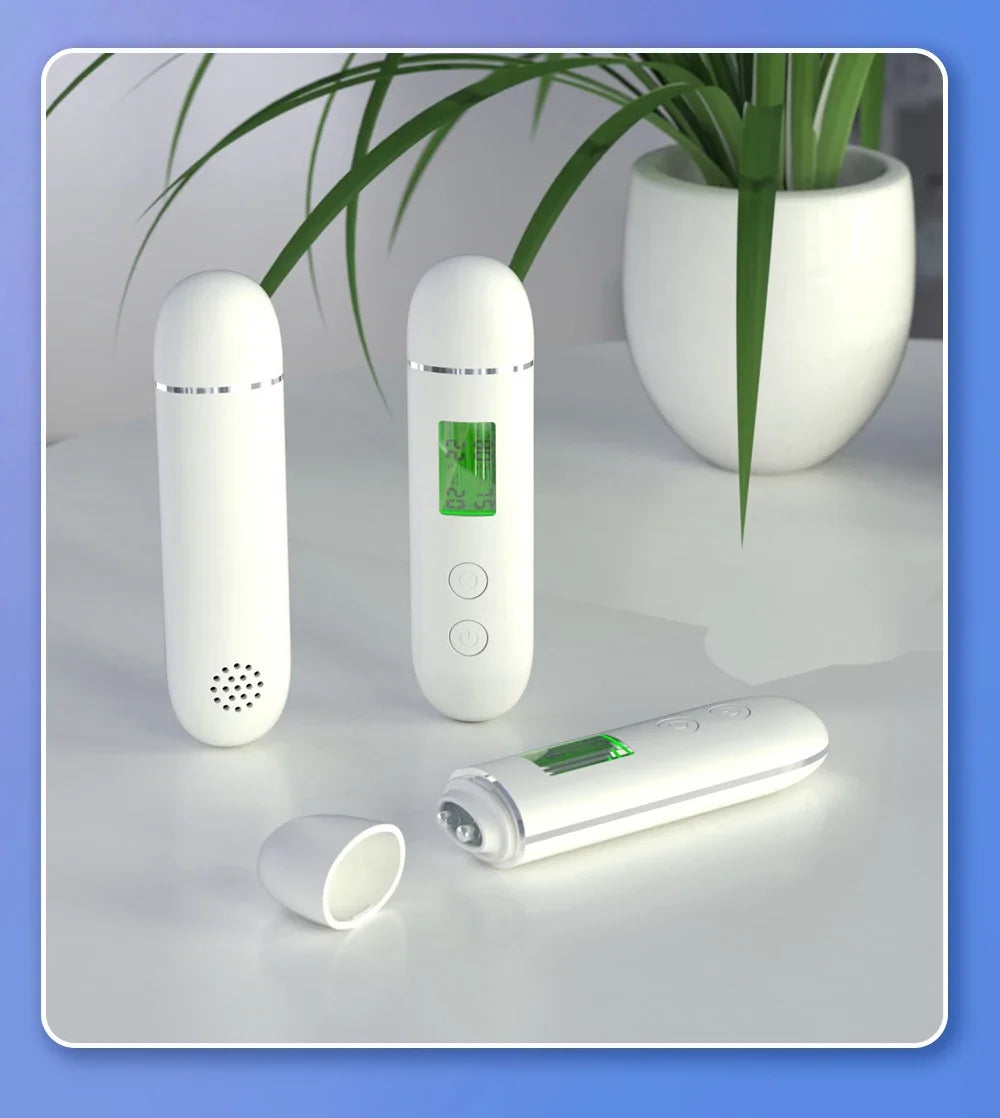
Skin analyzer machine with instant skin reader scan — real-time skincare clarity starts here.
Skin Moisture Analyzer Market Overview (2026)
Skin moisture analyzers are diagnostic devices that measure hydration levels in the stratum corneum. They are widely used in dermatology clinics, cosmetic research laboratories, aesthetic clinics, and beauty retail environments to evaluate skin condition and support skincare recommendations.
In 2026, demand continues to grow due to personalized skincare trends, AI-assisted diagnostics, and data-driven cosmetic formulations. Modern devices now combine hydration sensing with imaging systems to analyze oil balance, pores, elasticity, and pigmentation.
Professional Clinic Devices
Dermatology clinics rely on high-precision corneometer-based systems for research-grade hydration analysis and treatment planning.
Salon & Spa Skin Analyzer Systems
Salons use integrated systems that combine hydration sensors with facial imaging software for real-time consultations.
Portable Consumer Skin Moisture Testers
Handheld testers provide quick hydration readings for at-home skincare monitoring and routine optimization.
Learn More
Evaluation Criteria & Ranking Methodology
To help buyers identify the most reliable skin moisture analyzer manufacturers, we evaluated each company using a structured scoring framework.
How We Ranked These Manufacturers
- OEM/ODM manufacturing capability and customization depth
- Certifications such as ISO, CE, and FDA compliance
- Technology level (bio-impedance, capacitance, AI imaging)
- Production capacity and factory scale
- Export experience and global distribution network
- After-sales support, calibration, and software updates
Scoring Factors
Each manufacturer is assessed across innovation, reliability, pricing flexibility, and customization options.
Top Skin Moisture Analyzer Manufacturers
:contentReference[oaicite:7]{index=7}
Meishida’s Rishi series focuses on multi-layer skin analysis systems combining imaging and hydration sensing. The brand is widely used in OEM and private-label beauty device production, offering customizable software interfaces and branding solutions.
:contentReference[oaicite:8]{index=8}
Antati develops affordable professional analyzers used in salons and skincare retail. Devices typically measure hydration, pores, and elasticity to support consultation-based product recommendations.
:contentReference[oaicite:9]{index=9}
KentDO produces compact skin analyzers designed for fast hydration and oil balance readings. The brand focuses on usability, portability, and cost-effective diagnostic tools.
:contentReference[oaicite:10]{index=10}
A leading research-grade manufacturer known for corneometers used in dermatology and cosmetic science. Their instruments are widely used in academic and clinical testing environments.
:contentReference[oaicite:11]{index=11}
Bomtech produces imaging-based diagnostic devices for clinics and professional aesthetic institutions.
:contentReference[oaicite:12]{index=12}
Huacheng provides salon-grade analyzers combining imaging and hydration detection for beauty consultations.
:contentReference[oaicite:13]{index=13}
Runve focuses on compact systems for retail and clinic environments requiring fast skin assessments.
Best Skin Moisture Analyzer Manufacturers by Use Case
Best for Medical Clinics
Manufacturers offering corneometer-based clinical systems with validated accuracy and research-grade reporting tools.
Best for Beauty Spa Chains
Brands focused on fast scanning, UI simplicity, and customer consultation workflows.
Best for OEM / Private Label Brands
Manufacturers providing full customization of hardware, branding, and software ecosystems.
Best Budget Manufacturers
Cost-effective suppliers offering entry-level analyzers suitable for small salons and startups.
What Technology Do Skin Moisture Analyzers Use?
Corneometer / Capacitance Sensors
Measures hydration based on dielectric properties of skin layers and is widely used in clinical devices.
Bio-Impedance Skin Hydration Sensors
Uses electrical resistance to estimate moisture levels and is common in portable analyzers.
AI Skin Imaging + Hydration Detection
Combines imaging and sensor data for advanced diagnostic profiling of skin condition.
Technology Comparison of Skin Moisture Analyzers
| Technology | Accuracy | Use Case | Notes |
|---|---|---|---|
| Capacitance Sensors | Medium | Consumer & Spa Devices | Quick hydration estimation |
| Bio-Impedance | High | Professional Clinics | More precise moisture analysis |
| AI Skin Imaging | Very High | Advanced Systems | Multi-layer skin diagnostics |
OEM / ODM Manufacturing & Private Label Capabilities
Leading manufacturers now offer OEM and ODM services for global skincare brands and distributors.
OEM vs ODM Differences
- OEM: Client-defined design and specifications
- ODM: Manufacturer-provided models with customization options
Customization Options
- Branding and logo customization
- Software UI localization
- Hardware casing design
- App integration and data systems
Pricing, MOQ & Lead Time Benchmark (2026)
Pricing Tiers
- Entry-level: $50–$200
- Mid-range: $200–$800
- Professional systems: $800–$5,000+
MOQ
Typical MOQ ranges from 1–50 units for samples and 100–500 units for bulk production.
Lead Time
Production time ranges from 7–30 days depending on customization complexity.
How to Choose the Best Skin Moisture Analyzer Manufacturer
Certifications (ISO, CE, FDA)
Ensure compliance with international safety and quality standards for medical-grade consistency.
OEM / ODM Manufacturing Capability
Evaluate customization depth for branding and software integration.
Minimum Order Quantity (MOQ)
MOQ affects scalability and entry cost for distributors and startups.
Software & Data Analysis Features
Modern analyzers should include intuitive dashboards and exportable reports.
After-Sales Support and Calibration
Calibration and updates ensure long-term measurement accuracy.
Factory Vetting Checklist for Buyers
- ISO/CE certification availability
- OEM/ODM customization support
- Calibration documentation
- Software update policy
- Sample testing before bulk order
Manufacturer Comparison Table
| Manufacturer | OEM/ODM | Certification | Target Market | Strength |
|---|---|---|---|---|
| Meishida (Rishi) | Yes | CE / ISO | OEM Beauty Brands | Advanced customization & software |
| Antati | Yes | CE | Salons & Clinics | Affordable multi-function analyzers |
Professional vs Consumer Skin Moisture Analyzers
- Professional: Clinic-grade diagnostics with imaging + sensors
- Salon: Fast consultation-focused devices
- Consumer: Portable hydration testers for home use
KentDO Skin Analyzer Manufacturer Profile
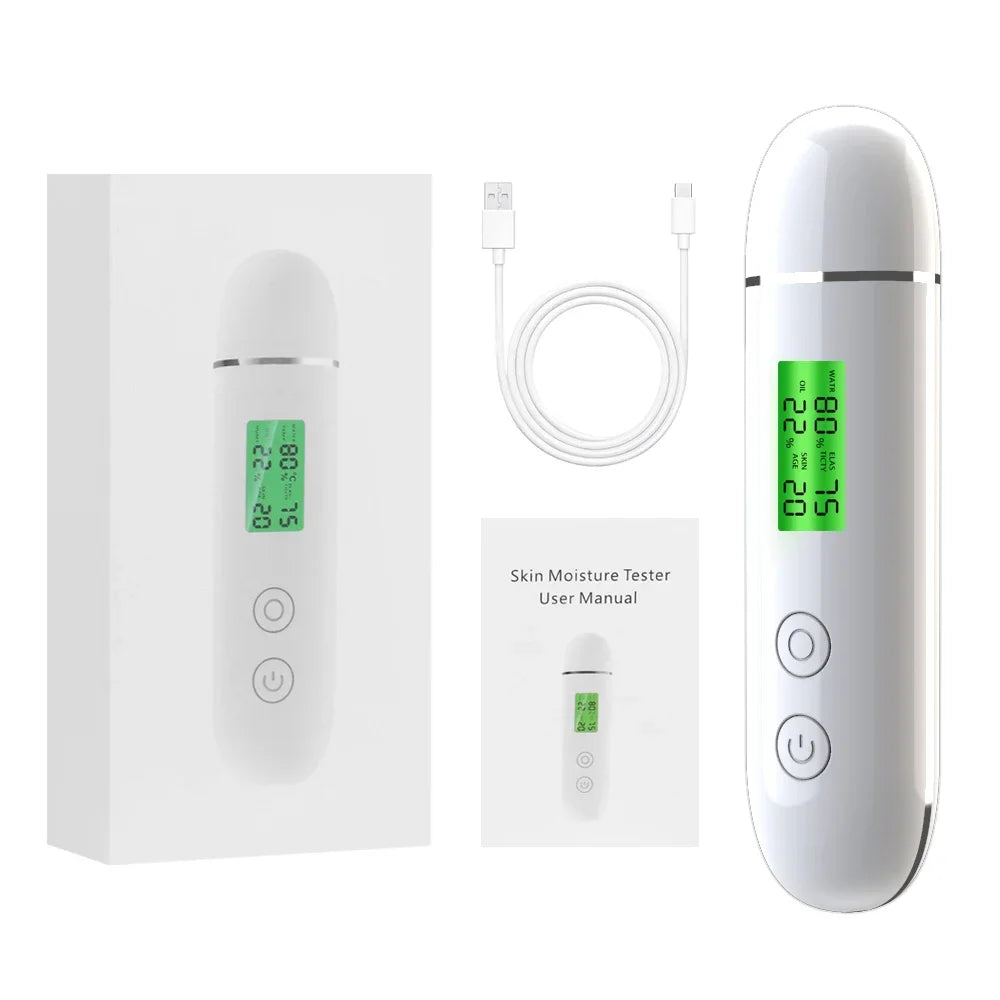
Portable hydration and oil balance analyzer for daily skincare monitoring.
Antati & Rishi Product Review Insights
Antati Skin Analyzer Device Reviews
Antati devices are valued for affordability and ease of use, making them popular in spa environments. However, they offer moderate clinical accuracy compared to high-end systems.
Rishi Advanced Digital Skin Analyzer by Meishida
Rishi systems support OEM branding, multi-layer analysis, and integrated skincare recommendation software for professional use cases.
FAQ: Skin Moisture Analyzer Manufacturers
- What is the most accurate skin moisture analyzer?
- Laboratory-grade corneometers are the most accurate for clinical use.
- What is OEM vs ODM in skin analyzers?
- OEM involves client-designed production, while ODM uses manufacturer-designed models with customization options.
- How much does a skin moisture analyzer cost?
- Prices range from $50 for entry devices to $5,000+ for professional systems.
- What is MOQ for OEM skin analyzer orders?
- MOQ typically ranges from 1–50 samples to 100–500 units for bulk orders.
Related Articles:
Pillar Articles:













