Clipper Comb Sizes Chart: Complete Guide to Hair Clipper Guard Lengths
Understanding a clipper comb size chart is the key to achieving precise haircuts, clean fades, and consistent trims. Whether you're learning about hair clipper comb sizes , experimenting with fade techniques, or choosing the right guard for a buzz cut, knowing how clipper guard numbers translate to hair length helps you avoid uneven results and achieve predictable outcomes.
⏱ 7 min read
Clipper Guard Sizes Chart (Quick Reference Table)
This clipper comb sizes chart shows the standard guard numbers, their corresponding hair lengths in inches and millimeters, and typical haircut results.
- #0 = 1/16" (1.5 mm) — very short, almost scalp
- #0.5 = 1/16"–3/32" (1.5–2.4 mm) — tight fade blending
- #1 = 1/8" (3 mm) — short buzz, visible scalp
- #1.5 = 3/16" (4.5 mm) — soft fade transition
- #2 = 1/4" (6 mm) — short, fuller buzz
- #3 = 3/8" (10 mm) — classic short haircut
- #4 = 1/2" (13 mm) — medium length
- #5 = 5/8" (16 mm) — longer, textured look
- #6 = 3/4" (19 mm) — fuller coverage
- #7 = 7/8" (22 mm) — thick, longer cut
- #8 = 1" (25 mm) — longest standard guard
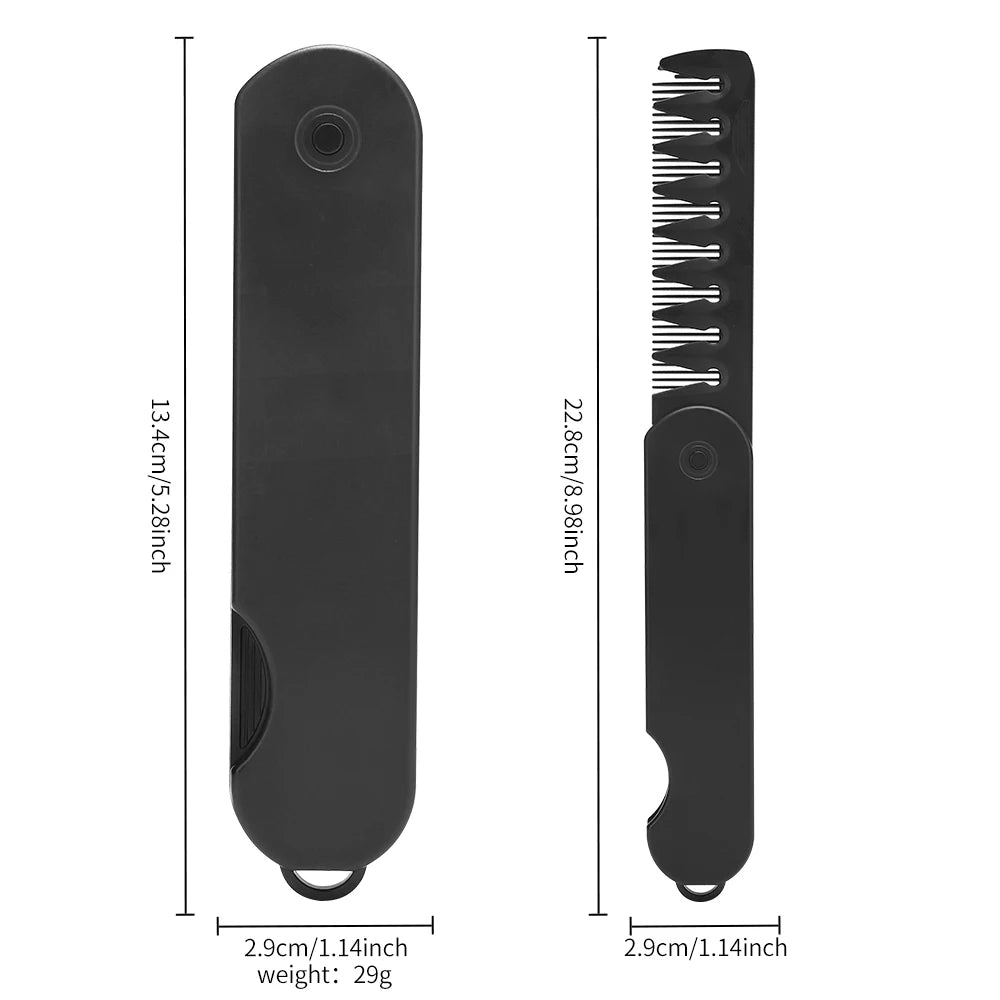
Master precision with the clipper comb size chart. Discover your fade tool here .
Clipper Comb Sizes Chart (#0–#8 Quick Reference)
The following clipper comb sizes chart shows the standard guard numbers used on most hair clippers and the approximate hair length each guard leaves after cutting.
Guard Number to Hair Length Chart (Inches & Millimeters)
| Guard Number | Hair Length (Inches) | Hair Length (Millimeters) | Typical Haircut Result |
|---|---|---|---|
| #0 | 1/16" | 1.5 mm | Very close buzz / nearly shaved |
| #0.5 | 1/16" – 3/32" | 1.5 – 2.4 mm | Skin fade blending |
| #1 | 1/8" | 3 mm | Short buzz cut |
| #1.5 | 3/16" | 4.5 mm | Fade transition |
| #2 | 1/4" | 6 mm | Short tapered haircut |
| #3 | 3/8" | 10 mm | Classic crew cut length |
| #4 | 1/2" | 13 mm | Standard short haircut |
| #5 | 5/8" | 16 mm | Long buzz cut |
| #6 | 3/4" | 19 mm | Thicker short haircut |
| #7 | 7/8" | 22 mm | Medium short haircut |
| #8 | 1" | 25 mm | Longest common clipper guard |
Visual Length Comparison by Guard Size
Each clipper guard size produces a noticeably different look. Lower guard numbers expose more scalp, while higher guards leave fuller hair coverage. For example, a #1 guard creates a tight buzz cut, while a #4 guard leaves enough length for styling and texture.
Understanding these visual differences helps prevent cutting hair shorter than expected.
Open vs Closed Lever Length Differences
Most hair clippers include an adjustable taper lever that changes cutting length slightly.
- Closed lever: shortest cutting length
- Open lever: adds approximately 0.5–1 mm of length
This allows barbers to blend between guard sizes without switching combs, especially useful for fades.
Beginner Quick Start Guide
If you're new to hair clippers, start with a longer guard than you think you need. You can always cut shorter, but you cannot put hair back once it's removed.
- Choose #4 or #5 if you're unsure
- Use #2 or #3 for classic buzz cuts
- Use #1 or lower only if you want a very close cut
- Practice blending with #1.5 and #0.5 guards
What Is a Clipper Comb Size Chart?
A clipper comb size chart is a reference guide that shows how different clipper guard numbers translate into actual hair lengths. Each guard attaches to a hair clipper and controls how much hair is left after cutting.
Clipper sizes (also called clipper grades) typically range from #0 to #8, with each step increasing hair length. These charts help both beginners and professionals choose the right guard for buzz cuts, fades, and layered styles.
Because slight differences exist between brands and lever settings, a size chart ensures consistent and predictable haircut results.
Complete Hair Clipper Comb Sizes Explained
Each guard number determines how much hair remains after the clipper passes over it. Lower numbers create shorter cuts, while higher numbers leave more length.
#0 Guard (1.5 mm)
Produces an extremely close cut with significant scalp visibility. Commonly used for bald fades, skin fades, and ultra-short military-inspired cuts.
#0.5 Guard (1.5–2.4 mm)
Primarily used as a blending tool between shaved areas and longer sections. Essential for creating smooth fade transitions.
#1 Guard (3 mm)
Leaves very short hair with visible scalp. Commonly used for buzz cuts and the base of skin fades.
#1.5 Guard (4.5 mm)
Acts as an intermediate step between #1 and #2 guards, helping eliminate harsh fade lines.
#2 Guard (6 mm)
Creates a short but fuller look with minimal scalp exposure. Ideal for clean, low-maintenance styles.
#3 Guard (10 mm)
A popular everyday length that balances neatness and coverage. Suitable for classic short haircuts.
#4 Guard (13 mm)
Leaves enough length for styling while maintaining a clean appearance. Often used for business cuts.
#5–#8 Guards
These longer guards are used for shaping, trimming, and maintaining length rather than close cutting. They provide fuller coverage and allow more texture on top.
Clipper Guard Sizes in mm (Metric Guide)
Many international barbers and home users prefer millimeters rather than inches when selecting clipper guards.
| Guard | Millimeters | Common Use |
|---|---|---|
| #0 | 1.5 mm | Skin fade base |
| #1 | 3 mm | Buzz cuts |
| #2 | 6 mm | Short buzz styles |
| #3 | 10 mm | Crew cuts |
| #4 | 13 mm | Textured short cuts |
| #5 | 16 mm | Long buzz cuts |
| #6 | 19 mm | Maintenance trims |
| #7 | 22 mm | Full coverage cuts |
| #8 | 25 mm | Longest standard guard |
Clipper Comb Lengths Conversion (Inches & Millimeters)
Clipper guards are traditionally measured in inches, but many international barbers prefer millimeters. Understanding both helps when comparing tools from different regions.
Inches to Millimeters Guard Conversion
| Guard | Inches | Millimeters |
|---|---|---|
| #1 | 1/8" | 3 mm |
| #2 | 1/4" | 6 mm |
| #3 | 3/8" | 10 mm |
| #4 | 1/2" | 13 mm |
| #5 | 5/8" | 16 mm |
| #6 | 3/4" | 19 mm |
| #7 | 7/8" | 22 mm |
| #8 | 1" | 25 mm |
Haircuts You Can Create With Each Guard Size
Understanding clipper comb sizes becomes easier when you connect guard numbers to real haircut styles.
Buzz Cuts by Guard Size
- #1 buzz cut – ultra short military style
- #2 buzz cut – clean and minimal
- #3 buzz cut – fuller but still low maintenance
- #4 buzz cut – balanced short haircut with visible texture
Real-World Haircut Results by Guard Size
- #1: ultra-short buzz, military style
- #2: short athletic cut
- #3: classic short haircut
- #4: textured short style
- #6+: longer trims and maintenance
Fade Guard Combinations
- Skin fade: #0 → #1 → #2
- Low fade: #0.5 → #1 → #2 → #3
- Mid fade: #0 → #1 → #2 → #3
- High fade: #0 → #1 → #2
Crew Cut Guard Guide
- Sides: #2 or #3
- Top: #4 or #5
- Back: tapered with #1 or #2
For more blending techniques and transitions, explore our fade haircut guide .
Cross-Brand Clipper Guard Size Comparison (Wahl, Andis, Oster)
Most professional clipper brands follow similar guard numbering systems, but slight variations may exist depending on manufacturer design.
Do Clipper Guard Sizes Differ by Brand?
| Guard Number | Wahl Length | Andis Length | Oster Length |
|---|---|---|---|
| #1 | 3 mm | 3 mm | 3 mm |
| #2 | 6 mm | 6 mm | 6 mm |
| #3 | 10 mm | 10 mm | 10 mm |
| #4 | 13 mm | 13 mm | 13 mm |
Brand Differences & Compatibility
While most brands follow similar guard numbering, slight differences in actual length and fit can occur.
- Wahl: most widely used standard system
- Andis: slightly different attachment fit
- Oster: uses detachable blade systems in some models
Always confirm compatibility before mixing guard sets across brands.
Universal vs Proprietary Guard Systems
Some clippers use universal attachment systems, while others require brand-specific guards. Professional detachable-blade clippers often have different compatibility requirements than consumer-grade adjustable clippers.
Learn more about clipper performance in our complete clipper troubleshooting guide .
How to Choose the Right Clipper Guard Size
Quick Decision Tree for Choosing Guard Sizes
- Want very short hair? → Use #1 or lower
- Want a balanced short cut? → Use #2 or #3
- Want longer, natural look? → Use #4 or higher
- Doing a fade? → Combine #0.5 to #3
Choosing Guards for Fades
Fades typically require multiple guard sizes, gradually increasing from short to longer lengths.
Choosing Guards for Buzz Cuts
Buzz cuts are usually created using a single guard size across the entire head.
Beginner Guard Selection Guide
- Start with longer guards first
- Work gradually toward shorter lengths
- Blend between guard sizes for smooth transitions
Common Mistakes When Choosing Guard Sizes
- Starting too short without testing
- Ignoring lever position
- Skipping intermediate guards when fading
- Assuming all brands cut identically
Pairing the right guard with quality tools improves results. Explore our Hair Care and Styling Devices collection.
Comparing Hair Clipper Comb Sizes for Every Fade
Fades are created by gradually transitioning between multiple guard sizes.
Fade Progression Chart (Step-by-Step)
- Start with #3 on top
- Blend into #2 mid section
- Use #1 lower section
- Finish with #0.5 near neckline
Low Fade Guard Combinations
Typical guard progression: #0 → #1 → #2 → #3
Mid Fade Guard Combinations
Typical guard progression: #0 → #1 → #2 → #3 → #4
High Fade Guard Combinations
Typical guard progression: #0 → #1 → #2
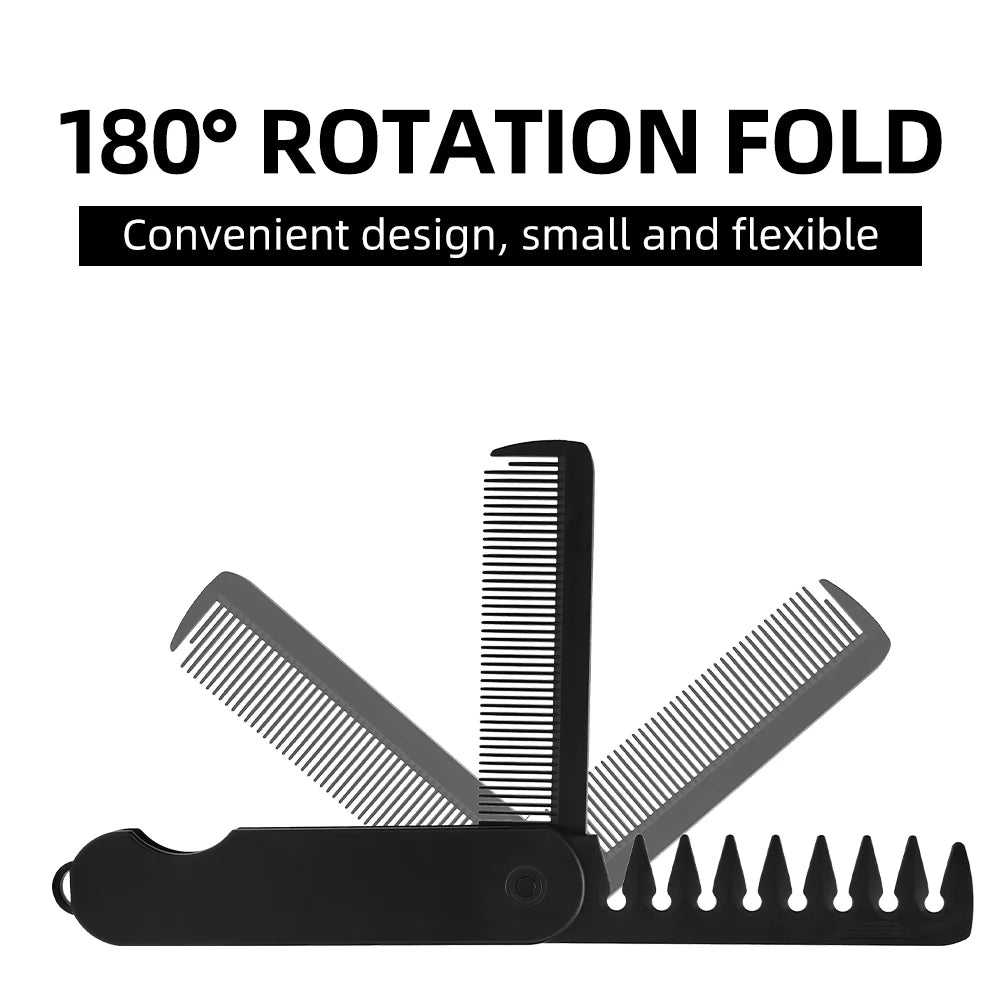
Explore the full fade comb tool collection for perfect transitions.
Need more guidance? Read our step-by-step fade haircut techniques .
How to Use Blending Combs for Seamless Transitions
Blending combs help remove visible lines that appear when transitioning between clipper guards.
- Start with the shorter guard and fade upward.
- Use a blending comb to lift longer hair sections.
- Trim lightly with the clipper edge.
- Repeat until the transition appears natural.
Many barbers rely on a flexible comb like the KentDO Folding Barber Hair Clipper Comb for precise blending and smoother fades.
Fade Comb Tool Techniques Every Barber Swears By
- Over-comb technique: reduces bulk and smooths fade lines.
- Clipper angle control: maintain consistent angles while blending.
- Mirror checks: evaluate symmetry from multiple perspectives.
- Finishing edges: refine hairlines with skin and beauty care device tools.
Pro Tips for Flawless Fades at Home
- Start with longer guards before moving shorter.
- Use the taper lever for smoother transitions.
- Check your work from multiple angles.
- Clean blades and guards regularly.
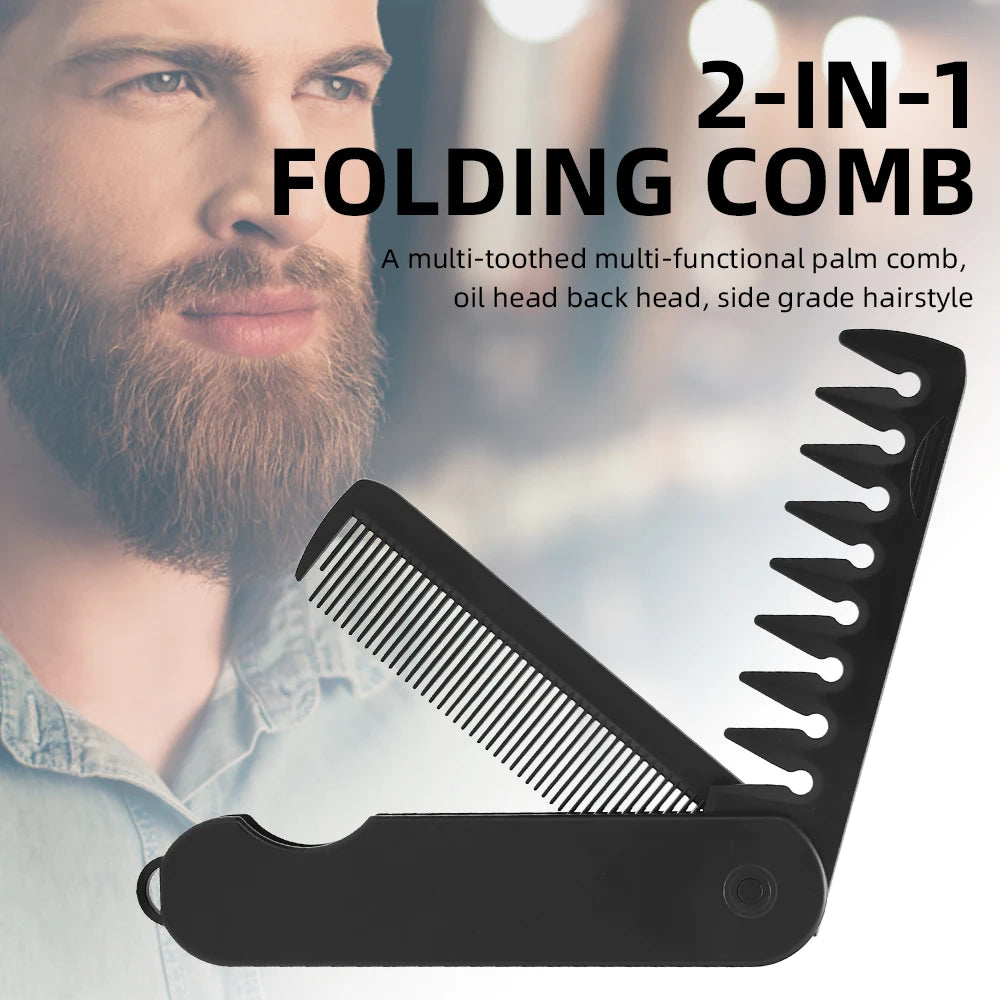
Finish strong with the KentDO fade comb tool—your partner in precision styling.
FAQs
What guard is 3mm?
A #1 guard equals 3 mm.
What guard leaves 1 inch of hair?
A #8 guard leaves approximately 1 inch (25 mm) of hair and is the longest standard guard included with most clipper sets.
What guard is best for fades?
Fades typically use #0.5, #1, #1.5, and #2 guards for smooth transitions.
What guard is best for a skin fade?
A skin fade commonly starts with no guard, a #0 guard, or a #0.5 guard before blending upward through longer guards.
Can you blend without a 0.5 guard?
Yes. Many barbers use the clipper lever in open and closed positions to create intermediate lengths when a 0.5 guard is unavailable.
What guard leaves stubble?
#0 or no guard creates a stubble-like finish with very little hair left on the scalp.
Do clipper guard sizes differ by brand?
Yes, slight variations exist, but most follow a similar standard sizing system.
Pillar Article: Clippers Are Pulling Hair? Top 5 Fixes Every Barber Should Know
Other Related Articles:
- Folding Mustache Comb Review: Is It Worth Adding to Your Kit?
- Top 7 Fade Haircut Tools Pros Swear By (Ranked by Efficiency)
- Why Your Clippers Pull Hair: Hidden Causes No One Tells You
- Best Professional Barber Comb Reviews: Which One Truly Cuts Clean?
Explore More: