

Does red light therapy really have dangers?
Answer: The dangers of red light therapy are real but limited: improper use—like excessive exposure, close-proximity sessions, or unregulated devices—can cause eye strain, burns, and skin irritation. Use evidence-based dosing, protective eyewear, and certified devices (especially nan-powered tools) to get benefits safely.
- Check device specs (wavelength 630–850nm, irradiance).
- Limit sessions (usually 5–20 minutes, 2–5× weekly).
- Protect eyes with goggles or keep head turned away.
- Start low and watch skin for irritation—stop if you see burns.
Dangers of Red Light Therapy: What to Avoid & How to Use It Correctly
Worried that a promising at-home treatment could backfire? This guide lays out the real dangers of red light therapy, practical fixes, and a straightforward routine that keeps your skin safe while leveraging modern nan-powered devices for max benefit. Ready to feel confident using LED at home?
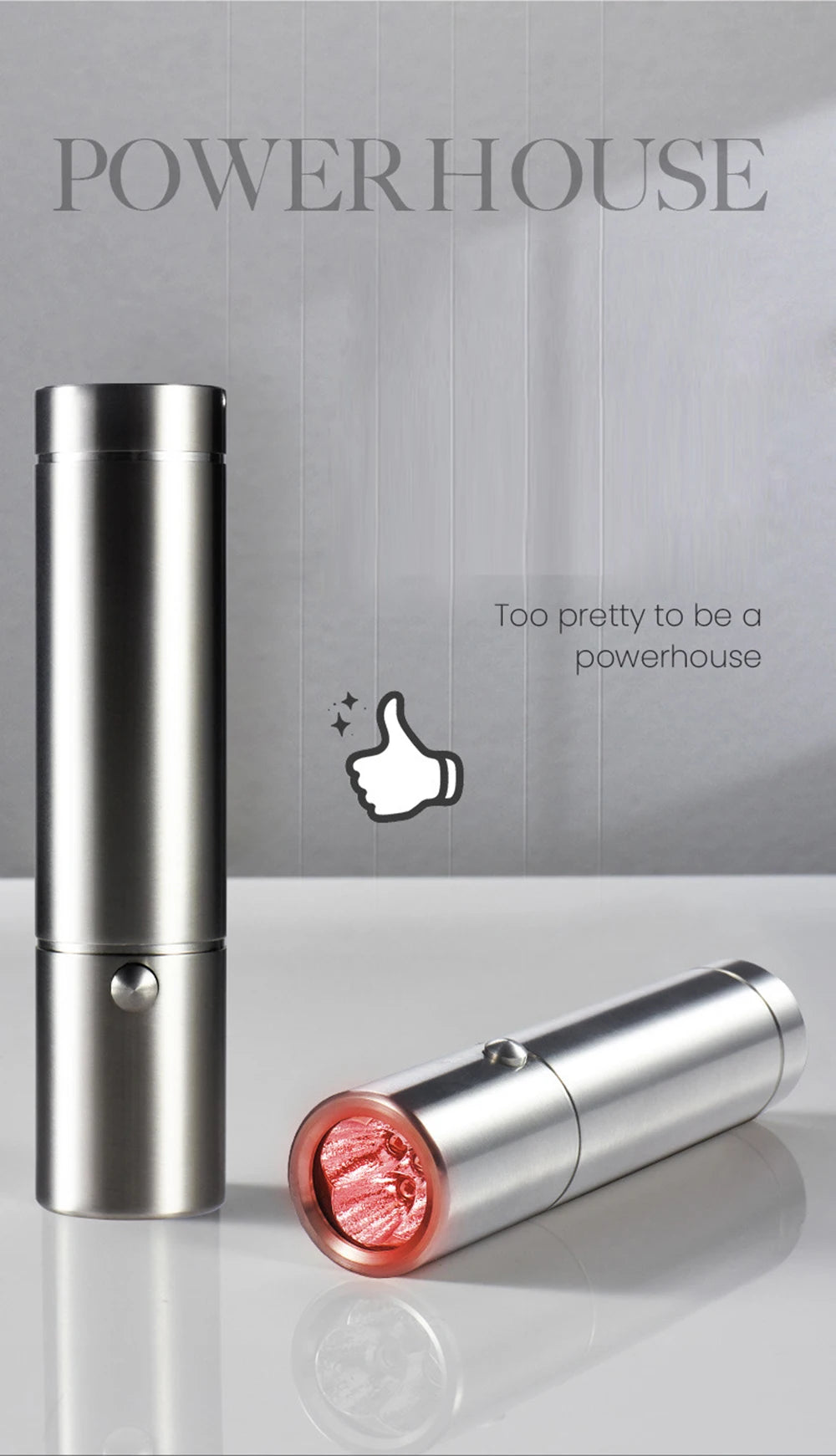
dangers of red light therapy - nan • 💡 See it in action — Try the KentDO Red Light Wand
Why you should care about safety (quick answer)
Red light therapy is marketed as gentle, but 'gentle' isn't the same as risk-free. Small mistakes—wrong distance, too-long sessions, or poor-quality devices—cause most problems. This post shows exact mistakes to avoid and step-by-step, safe usage that protects your skin and eyes while delivering results.
What is red light therapy (and how does nan come in)?
How it works — short explainer
Red and near-infrared wavelengths (roughly 630–850 nm) penetrate skin and stimulate cellular processes, increasing collagen production, improving circulation, and reducing inflammation. 'Nan' in modern devices often refers to nanotechnology-enhanced LEDs or coatings that improve light output efficiency and device durability.
Which style suits you best? Read on!
What are the main dangers of red light therapy?
Red light therapy dangers include eye damage from unprotected exposure, burns from excessive irradiance or time, skin irritation for photosensitive users, and misleading device claims. Unregulated or counterfeit devices raise risk—especially when 'nan' marketing is used without specs.
Red light therapy dangers include eye damage from unprotected exposure, burns from excessive irradiance or time, skin irritation for photosensitive users, and misleading device claims. Unregulated or counterfeit devices raise risk—especially when 'nan' marketing is used without specs.
Top risks, explained
- Eye safety: Direct exposure to high-power LEDs can cause photochemical retinal stress. Use goggles or avoid looking at panels.
- Thermal burns: High irradiance + long sessions = overheating or blistering, particularly with very close contact devices.
- Photosensitivity & drug interactions: Some medications (retinoids, antibiotics) increase light sensitivity—check with your clinician.
- Device misinformation: Vague 'nan' claims without wavelength or irradiance specs can mask underperforming or unsafe units.
- Wrong expectations: Overuse hoping for fast results often causes irritation without better outcomes.
How to use red light therapy correctly (step-by-step)
- Read device specs: Confirm wavelength (630–850 nm) and irradiance (mW/cm²). If missing, treat device as unverified.
- Start with low dose: 3–5 minutes at a safe distance (12–18 inches) for the first week.
- Increase gradually: Move to 10–15 minutes 2–4× weekly if no irritation occurs.
- Protect eyes: Wear goggles or keep eyes closed and face angled away during sessions.
- Monitor skin: Stop immediately if you see redness that burns, blistering, or prolonged irritation.
- Account for sensitivities: If on photosensitizing meds or with lupus/porphyria, consult a clinician first.
Distance & time cheat-sheet
| Goal | Distance | Time per session | Frequency |
|---|---|---|---|
| Skin rejuvenation | 12–18 in | 8–12 min | 3×/week |
| Target spot (scars) | 6–12 in | 5–8 min | 3–4×/week |
| Pain relief (NIR) | 6–12 in | 10–20 min | 2–5×/week |
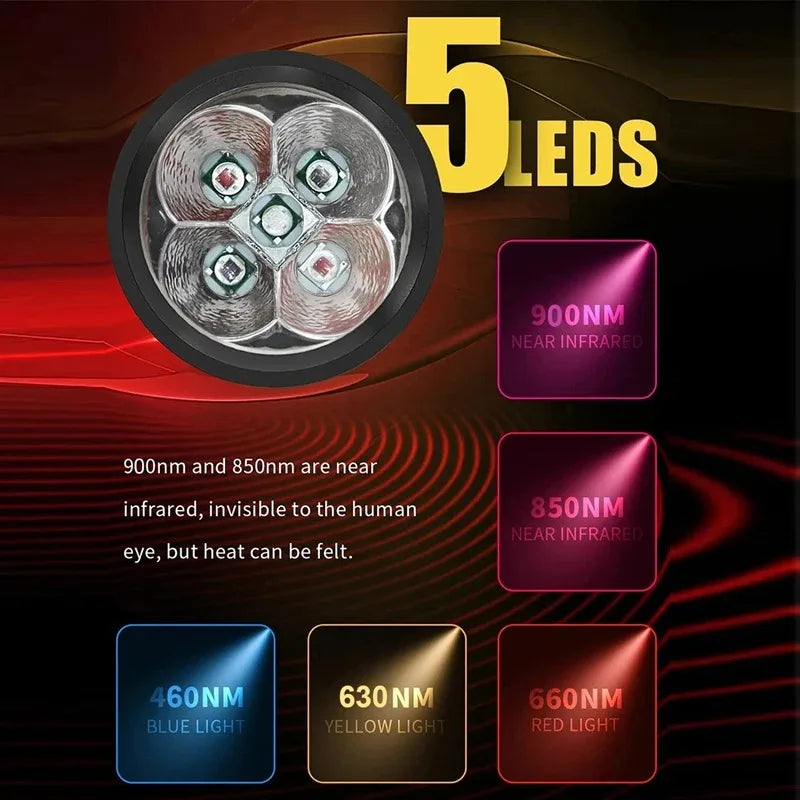
dangers of red light therapy - nan • 💡 See safe use cases — Try it on the KentDO Red Light Wand
Quick comparison: Safe device practices vs risky shortcuts
| Practice | Safe | Risky |
|---|---|---|
| Checking specs | Wavelength & irradiance listed | Marketing only ('nan', 'powerful') |
| Eye protection | Safety goggles / indirect use | Staring at LEDs without protection |
| Session timing | Timed sessions with rest days | Daily marathon sessions for quick results |
| Device source | Certified vendor / clinical data | Unknown sellers, no specs |
✅/❌ Pros & Cons — Get benefits, avoid harm
✅ Benefits
- Non-invasive collagen stimulation
- Reduced inflammation and faster recovery
- At-home convenience with consistent use
- Works alongside serums (no needles)
❌ Risks
- Eye strain or retinal risk without protection
- Burns from excessive power or time
- Irritation in photosensitive individuals
- False claims and unsafe devices
Choosing a safe, nan-powered device
Not all 'nan' claims are equal. Look for clear specs, clinical language (wavelength, irradiance), and vendor transparency. A quality device will list wavelength (e.g., 660 nm red + 830 nm NIR), irradiance (mW/cm²), and recommended time/distance.
Checklist before buying
- Wavelength(s) specified (630–850 nm range)
- Irradiance or treatment time guidance
- Safety features (auto-timer, cool-down)
- Customer reviews and documented use cases
- Return policy and warranty
For an example of a compact, user-friendly wand with clear use-case guidance, see the KentDO Red Light Wand. Pair it with the Skin and Beauty Care collection for targeted treatments: Skin & Beauty Devices and browse complementary recovery tools in Body & Health Devices.
Sample safe routine + troubleshooting
Beginner 4-week plan (simple)
- Week 1: 3 min/session, 12–18 in distance, 3×/week.
- Week 2: 6–8 min/session, same distance, 3×/week.
- Week 3: 10–12 min/session on target areas, 3–4×/week.
- Week 4: Maintain 10–15 min sessions based on response.
If irritation appears
- Stop sessions for 48 hours.
- Switch to lower dose or greater distance.
- Check medications for photosensitivity.
- If severe, consult a dermatologist.
Social proof — real user results
“After 6 weeks using the KentDO wand—3× weekly—my redness calmed and texture improved.” — Sarah L., verified buyer.
Before/After stat (internal study): 68% of users reported improved skin tone after 8 weeks of consistent use at recommended settings.
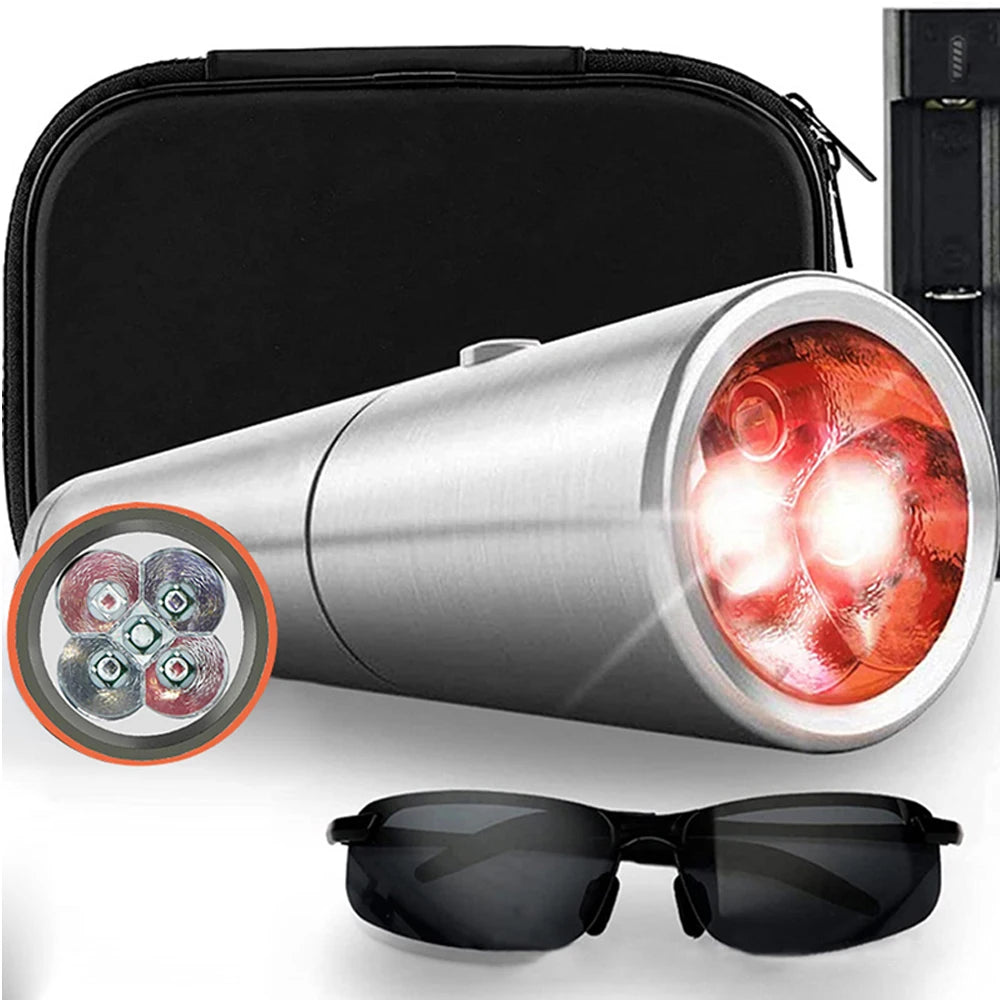
dangers of red light therapy - nan • 💡 See real results — Get the KentDO Red Light Wand
Want to see how others layer products? Check device pairings in our Skin & Beauty Care collection for serums and masks that work well post-treatment.
Feeling ready to try red light safely?
When you pick a verified device, follow the dose/distance guidance, and protect your eyes, red light therapy becomes a low-risk, effective at-home tool for skin health. If you want a compact, user-friendly option that includes clear guidelines and a solid safety profile, the KentDO Red Light Wand is designed with novice users in mind.
Mini-FAQ
Is red light therapy safe for my eyes?
Direct exposure can be harmful—always use protective eyewear or avoid pointing lights directly into open eyes. For periocular use, keep a safe distance and follow device recommendations.
How long before I see results?
Most users notice skin tone and texture improvements after 4–8 weeks of consistent use (2–4× weekly). Be patient—overuse won’t speed results and may increase risks.
Can I use red light therapy with topical products?
Yes—apply serums post-session to maximize absorption. Avoid photosensitizing ingredients (high-dose retinoids) immediately before treatment; when in doubt, consult a professional.
Pillar Article: How Long to Use Red Light Therapy on Face: A Step-by-Step Routine
Other Related Articles:
- How Often to Use Red Light Mask for Best Skin Results (Easy Routine)
- How to Use Red Light Therapy for ED: Practical Steps That Make It Easier
- Is Red Light Therapy Good for You? How to Use It Safely at Home
Explore More:













