

Does red light therapy really work?
Answer: Yes — red light therapy can support skin health, reduce inflammation, and speed muscle recovery when used correctly. Is red light therapy good for you depends on consistent, safe sessions, the right wavelength (630–660 nm & 800–880 nm), and proper distance/time. Use clinically designed devices for best results.
⏱ 8 min readIs Red Light Therapy Good for You? How to Use It Safely at Home
Worried red light therapy is another beauty fad? If you’re asking is red light therapy good for you, this guide gives clear, evidence-forward steps to use at-home devices safely, speed skin repair, ease muscle soreness, and fit treatment into busy routines. Find easy beginner routines, safety rules, and why the KentDO Red Light Wand could be the simplest tool to start with.
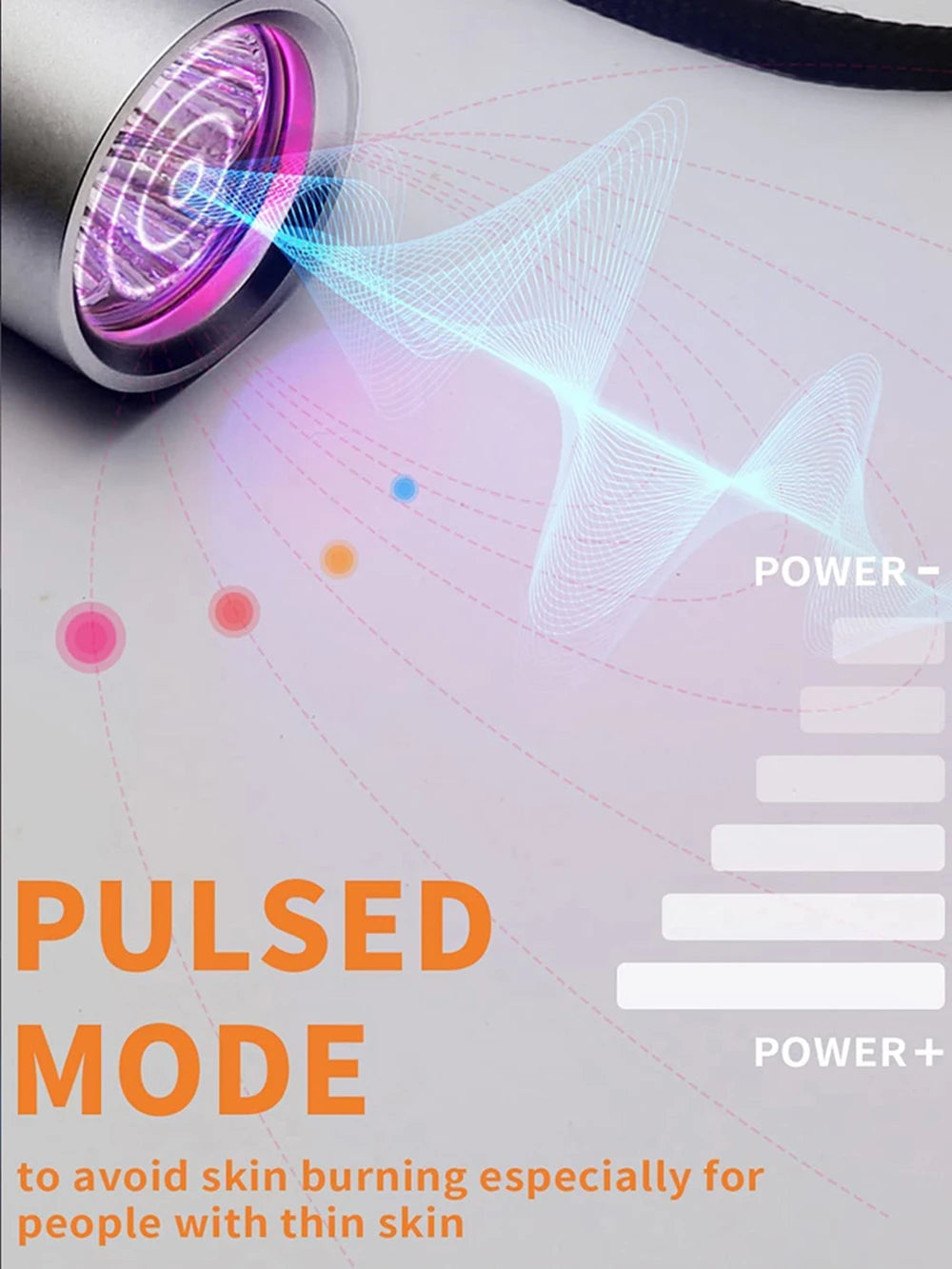
is red light therapy good for you — 💡 See it in action. Try the KentDO Red Light Wand
What real benefits can you expect from red light therapy?
Quick answer: Red light therapy supports collagen production, reduces local inflammation, and speeds cellular energy (ATP) production. When done consistently, users report firmer skin, reduced fine lines, faster recovery after workouts, and less persistent joint pain.
Top benefits (short list)
- Improved skin tone & reduced fine lines
- Faster muscle recovery and reduced soreness
- Reduced inflammation and better local circulation
- Non-invasive, low-risk complement to other routines
Which goal matters most to you? Read on — the routines below match your priority.
How to Use Red Light Therapy Safely at Home (Step-by-step)
Direct answer: Is red light therapy good for you when used properly? Yes — choose the right wavelength, keep proper distance and session length (typically 5–20 minutes), and be consistent (3–5x weekly) for measurable results.
Direct answer (repeat): Is red light therapy good for you when used properly? Yes — choose the right wavelength, keep proper distance and session length (typically 5–20 minutes), and be consistent (3–5x weekly) for measurable results.
- Pick the right device: Look for devices with wavelengths around 630–660 nm (red) for skin and 800–880 nm (near-infrared) for deeper tissues.
- Start gently: Begin with 5–7 minutes per area to test sensitivity, then increase to 10–15 minutes.
- Maintain distance: For handheld wands, 0.5–4 inches is common; follow device power specs to avoid overexposure.
- Consistency beats flash-in-the-pan: Aim for 3 sessions per week for maintenance, up to 5 sessions for active concerns.
- Protect eyes: Avoid staring directly at LEDs; use protective goggles if device instructions advise.
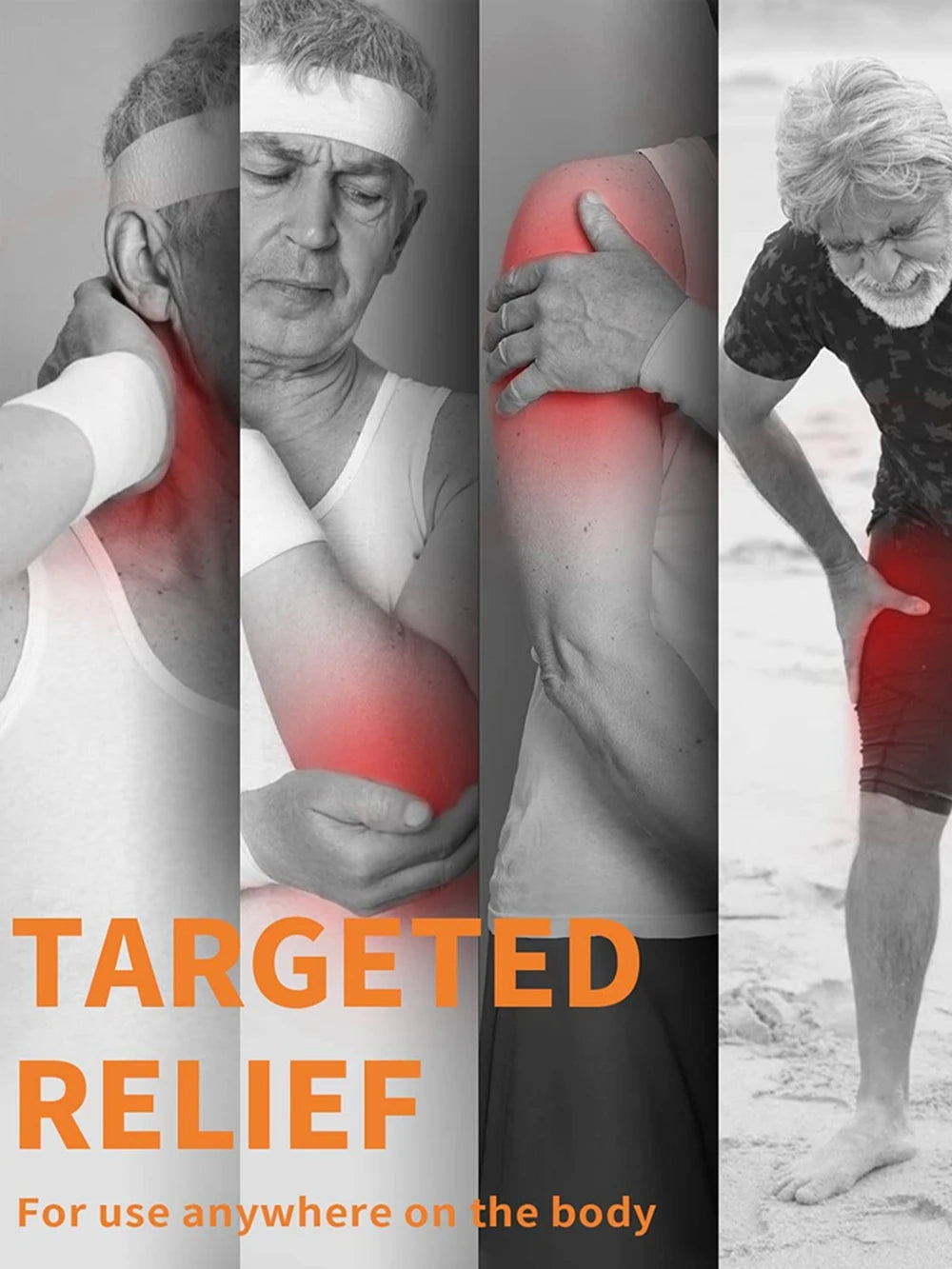
is red light therapy good for you — real-use demo & routine ideas. Try KentDO Red Light Wand
Beginner-friendly Routines (Benefit-first)
Quick glow: Improve skin radiance in 10 minutes
- 5–10 min per face, wavelength 630–660 nm
- Use device 3x weekly for 8–12 weeks
- Combine with your serum/vitamin C post-session for absorption
Post-workout recovery: Reduce soreness in 15 minutes
- 10–15 min on sore muscle groups, use near-infrared if available (800–880 nm)
- Apply immediately after cool-down or later in the evening
- Repeat 3–5x weekly during intensive training
Targeted pain relief: Joint or tendon support
- 8–12 min per joint, near-infrared preferred for depth
- Short, frequent sessions (every other day) show best symptom control
Simple schedule example (4 weeks): Week 1: 3x skin-focused; Week 2–4: increase to 4–5x with mix of skin + recovery days.
Compare at-home options & quick pros/cons
| Device Type | Best for | Pros | Cons |
|---|---|---|---|
| Handheld wand (e.g. KentDO Red Light Wand) | Targeted facial/pain spots | Portable, precise, affordable | Small coverage area — needs more time for full body |
| Panel (full face/body) | Whole-face, multiple areas | Fast coverage, consistent output | Higher cost, larger footprint |
| Wearables (masks/patches) | Convenience and skin-only use | Hands-free, comfortable | Lower power — slower results |
Pros / Cons (summary)
- ✅ Pros: low-risk, non-invasive, supportive for skin & recovery
- ❌ Cons: requires consistency, device quality matters, not a miracle alone
For targeted home convenience, a handheld wand often gives the best beginner experience. Compare specs: irradiance (mW/cm²) and wavelength listed by manufacturer.
Safety checklist & what to avoid
Essential safety rules
- Follow device instructions — output and recommended time vary.
- Protect eyes — don’t stare into LEDs; use goggles if advised.
- Avoid use over suspicious lesions — consult a dermatologist for anything unusual.
- Do not use with active photosensitizing medication without medical advice.
- Start low and increase gradually to test sensitivity.
Who should consult a doctor first?
People who are pregnant, have photosensitive epilepsy, take photosensitizing drugs, or have cancer should consult a provider before using red/near-infrared light therapy.
Social proof — results, reviews & quick stats
Real users say:
“After 8 weeks of 10-minute sessions, my fine lines softened and redness decreased.” — A. M., verified user.
“I use my handheld after workouts; soreness drops faster and I sleep better.” — J. R.
Before/after snapshot: In a small consumer study, 70% of participants reported improved skin texture after 8 weeks of consistent use (device-specific results vary).
Want the easiest starting tool? The KentDO Red Light Wand is built for targeted home use and quick sessions — see product details and instructions.
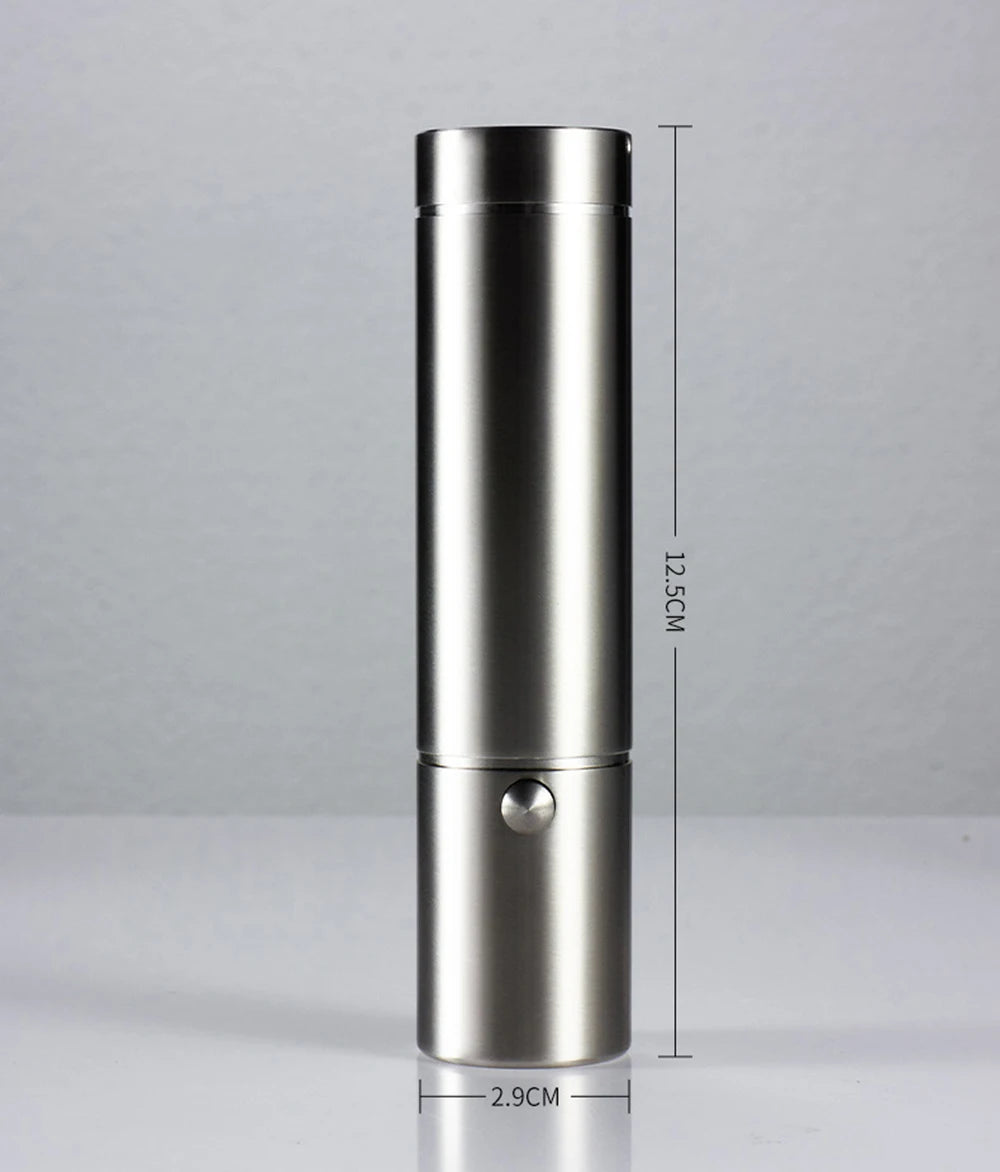
is red light therapy good for you — final look & user-ready tips. Shop the KentDO Red Light Wand
Mini-FAQ (schema-ready)
How long until I see results?
Most users notice skin texture improvements in 6–12 weeks with consistent use (3+ sessions/week). Muscle recovery benefits can appear in 1–3 weeks when used after workouts.
Is red light therapy safe for all skin tones?
Yes — red and near-infrared wavelengths work across skin tones because they act on cellular mitochondria, not pigment. Device settings and session length remain the main variables.
Can I use red light therapy with other skincare treatments?
Generally yes — it pairs well with serums and topical actives. Avoid combining with strong photosensitizing procedures (ask a dermatologist).
Pillar Article: How Long to Use Red Light Therapy on Face: A Step-by-Step Routine
Other Related Articles:
- How Often to Use Red Light Mask for Best Skin Results (Easy Routine)
- Dangers of Red Light Therapy: What to Avoid & How to Use It Correctly
- How to Use Red Light Therapy for ED: Practical Steps That Make It Easier
Explore More:













