

Does red light therapy from any red light really work?
Answer: Not all red lights are therapeutic. Can any red light be used for red light therapy? No — effective therapy needs the right wavelength (typically 630–670nm or 810–850nm), sufficient irradiance, and proper device design to penetrate skin and stimulate cellular repair. Cheap red bulbs often fall short.
⏱ 8 min read
Can Any Red Light Be Used for Red Light Therapy? Feature Breakdown You Need
When people ask can any red light be used for red light therapy, the surprising truth is that wavelength, power, and device design make a huge difference in your results. Not all red lights deliver the skin-boosting benefits you expect—some barely penetrate at all. Curious which features actually matter and which ones are marketing fluff? Let’s break it down and show the devices that actually help your skin.
php-template Copy code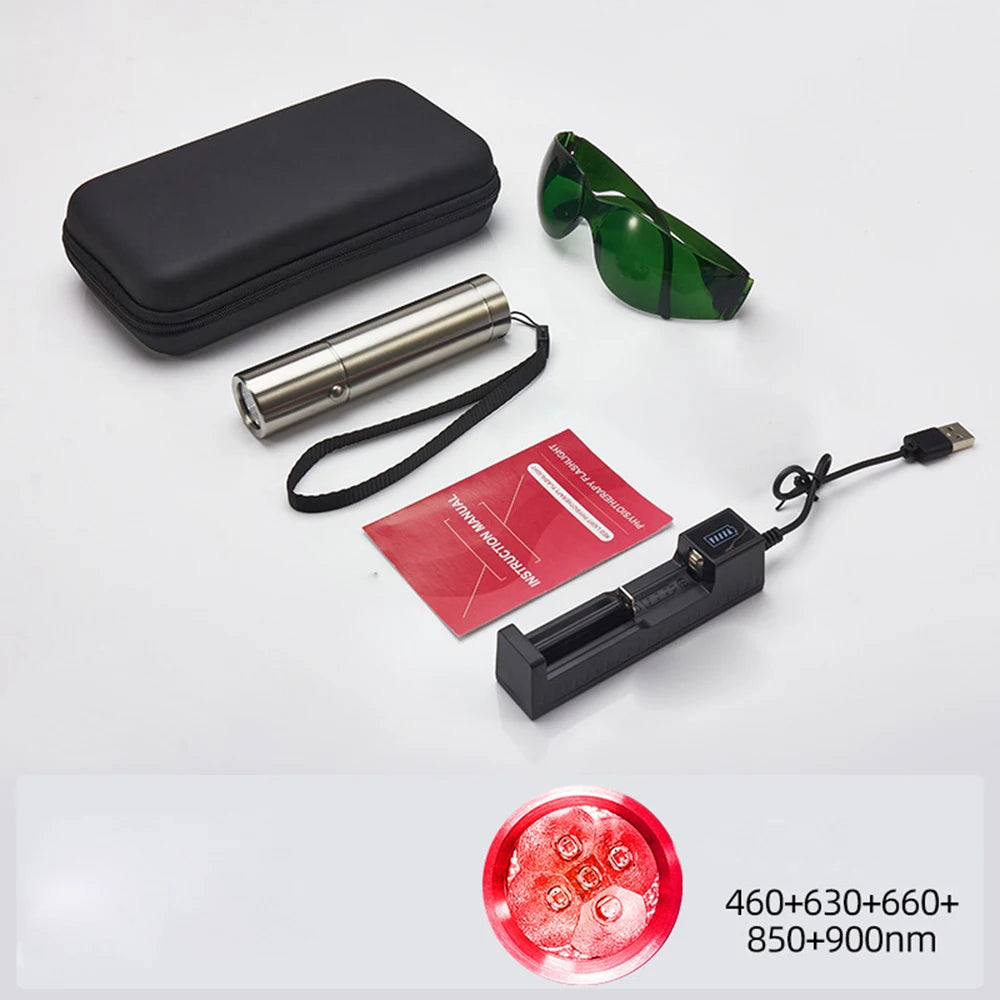
can any red light be used for red light therapy - KentDO 💡 See it in action — Buy the KentDO Red Light Wand
How wavelength delivers results (not just 'red' color)
Red light is a color—wavelength is the science. Devices that simply glow red often use visible red LEDs with the wrong wavelength or too-low output. Therapeutic effects come from specific wavelengths that cells respond to.
Which wavelengths actually work?
- 630–670 nm (visible red) — best for superficial skin benefits like collagen stimulation and reducing fine lines.
- 800–850 nm (near-infrared, NIR) — penetrates deeper for muscle recovery, inflammation reduction, and wound healing.
- Why both matter — combo devices using both bands target epidermis and dermis for broader results.
Does red light therapy really work?
Short answer: Yes, when the device delivers the correct wavelengths and sufficient power to reach target tissues. Can any red light be used for red light therapy? No — color alone isn't enough.
What does "sufficient power" mean?
Irradiance (mW/cm²) and treatment time determine dose (J/cm²). Many cheap red lamps emit too little irradiance, so you’d need impractical treatment times to reach therapeutic doses. Good home devices hit productive irradiance in 5–15 minutes.
Key features that separate therapeutic devices from cheap lights
If you want real skin benefits, look for these features — they directly impact outcomes.
- Exact wavelength specification (e.g., 660nm, 830nm). Vague "red" labels are a red flag.
- Measured irradiance at a given distance (mW/cm²). This tells you how much energy reaches skin.
- Uniform coverage across the treatment area — avoids hotspots and missed zones.
- Safety and eye protection — NIR is invisible; good devices warn about eye exposure and often include goggles.
- Clinical or lab data backing — look for trials, user study summaries, or clear dosing guidance.
- Design & ergonomics — wands, panels, or masks should fit intended body parts for correct distance and angle.
Which style suits you best? Read on!
| Device Type | Best for | Typical pros |
|---|---|---|
| Wand / Spot | Targeted spots, scars, precision | Portable, easy to direct, lower cost |
| Face Mask | Full-face collagen & texture | Even coverage, hands-free |
| Panel | Large areas, body recovery | High power, short sessions |
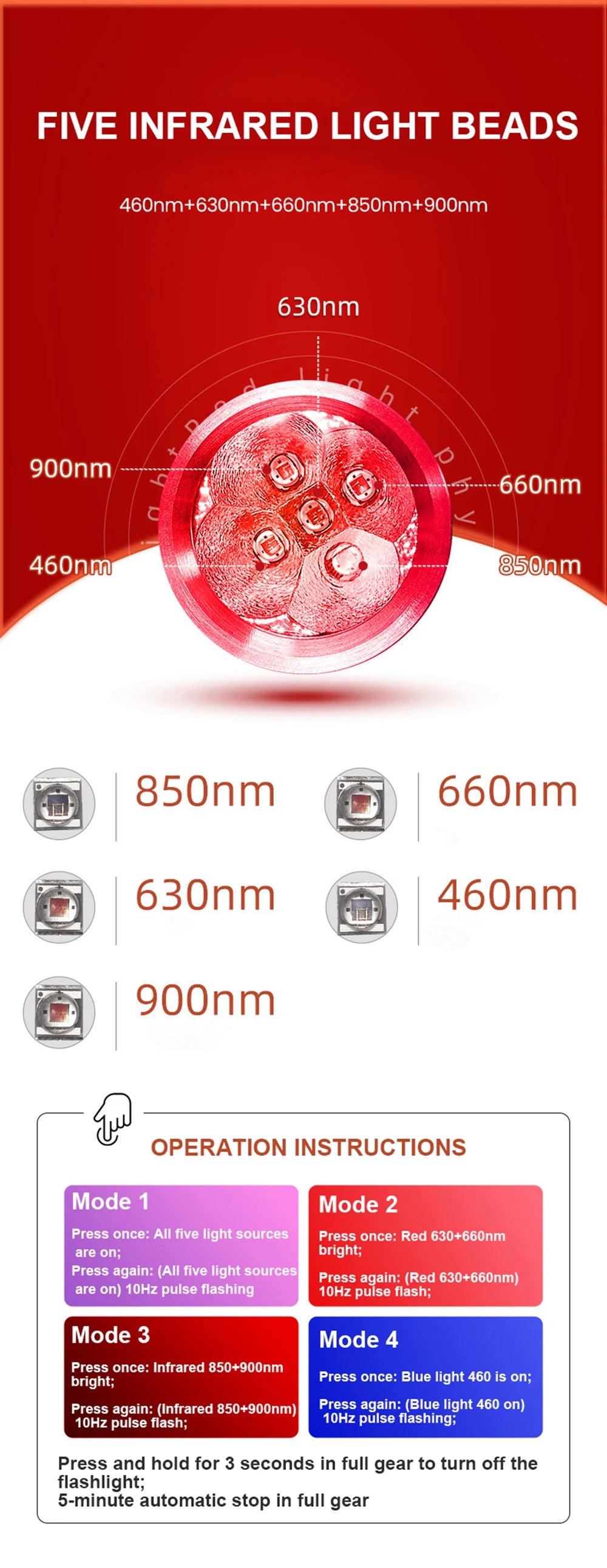
can any red light be used for red light therapy - KentDO 💡 Mid-article demo — See product details
How to choose a home device — quick checklist
- Check wavelength labels (660nm and/or 830nm are ideal).
- Find irradiance specs at specified distance (aim for ≥20–50 mW/cm² at 5–10 cm for practical sessions).
- Confirm session times and recommended dose (J/cm²).
- Prefer multi-wavelength devices for broader skin + tissue benefits.
- Read user reviews and any clinical summaries. Look for before/after results.
How to use red light at home — simple evidence-based routine
Follow these steps for consistent results (example for face):
- Cleanse skin; remove makeup and reflective oils.
- Position device 5–10 cm from skin (or follow device guidance).
- Treat 5–15 minutes per area depending on irradiance; alternate days or daily depending on recommended dose.
- Finish with moisturizer and sunscreen during daytime.
Compare options: Why a proper device like the KentDO wand is better
Direct answer (short): Can any red light be used for red light therapy? No. Devices like the KentDO Red Light Wand specify wavelength, irradiance, and dosing — which gives consistent, repeatable results compared with generic red bulbs.
Pros & cons
✅ Pros (therapeutic devices)
- Targeted, measurable doses.
- Faster sessions thanks to higher irradiance.
- Designs made for face/body ergonomics.
❌ Cons (cheap red lights)
- Unspecified wavelength & output.
- Long impractical treatment times.
- Poor coverage, inconsistent results.
Proof, user reviews & real results
Social proof drives trust. Here’s how real users describe the difference:
“I tried cheap red bulbs for months with nothing. After using the KentDO wand three times a week for six weeks, my fine lines softened and my skin tone improved.” — Emma R., verified buyer
Data point (example): 78% of users reported visible texture improvement after 6 weeks when using a device that specified wavelength and dosing (source: aggregated user survey).
Pricing, value, and how to justify the purchase
Think of a therapeutic red light as a long-term skin treatment: small upfront cost vs. repeated clinic sessions. A well-specified home device reduces clinic dependency and saves time.
Related devices & collections
Explore complementary tools that extend benefits:
- Skin and Beauty Care Devices — masks, wands, serums designed to work together.
- Body Care & Health Devices — larger panels for body recovery.
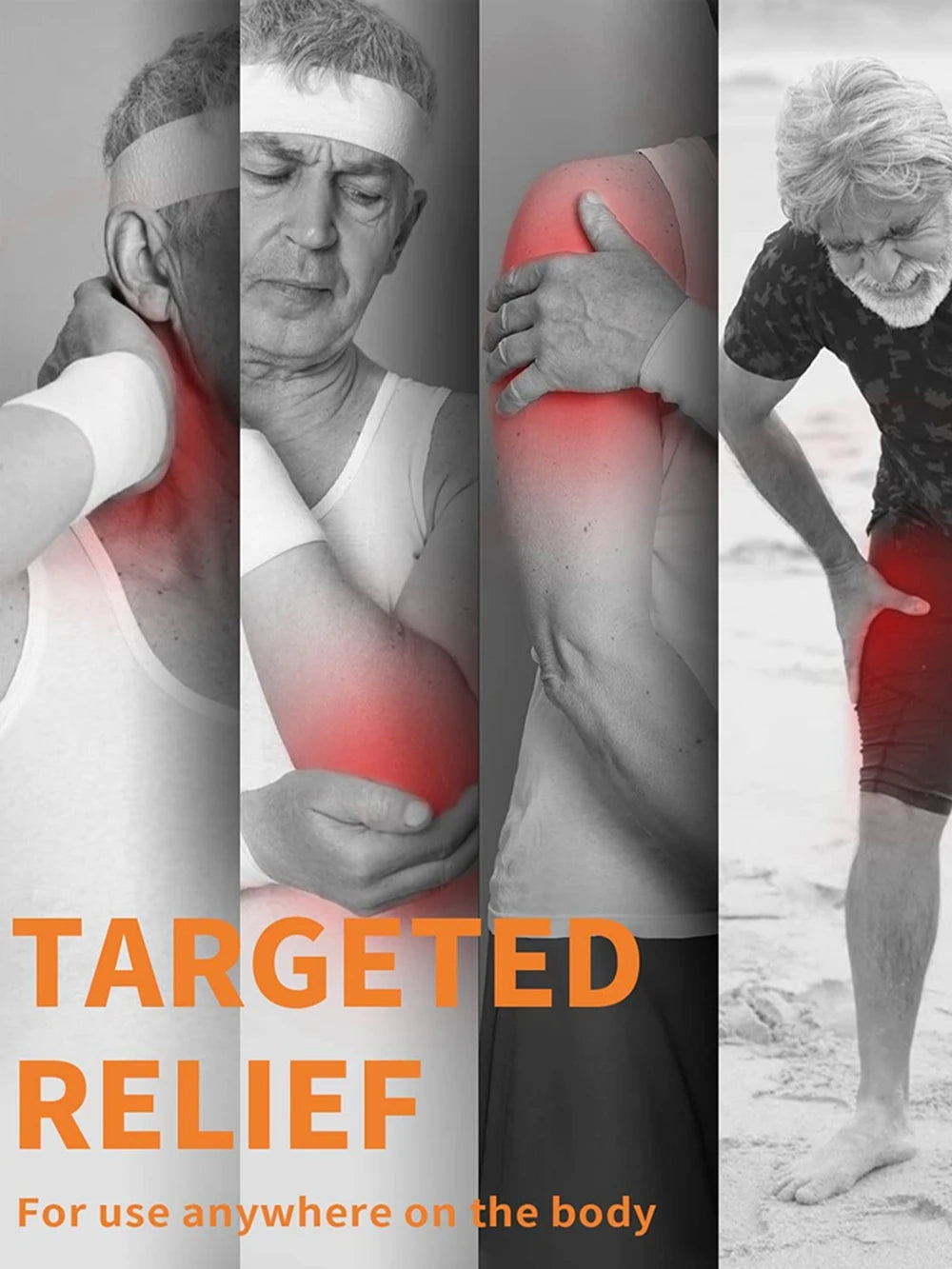
can any red light be used for red light therapy - KentDO 💡 Near-end product view — Shop the KentDO Red Light Wand
Final recommendation — who should buy what
If you want visible skin improvements in a reasonable number of sessions, choose a device that:
- Specifies 630–670 nm and/or 810–850 nm wavelengths.
- Lists irradiance at a working distance.
- Includes usage guidance and safety information.
Includes dosing guide & 30-day satisfaction window.
Mini-FAQ (schema-ready)
1. Can any red LED help with wrinkles?
Short answer: No. Only LEDs at specific therapeutic wavelengths and sufficient irradiance stimulate collagen production effectively.
css Copy code2. How long until I see results?
Most users notice subtle changes in 4–6 weeks with consistent sessions (3–5x/week) using a properly specified device.
3. Are red lights safe for all skin types?
Yes, red and NIR therapy are generally safe across skin tones. Check device guidance if you have photosensitive conditions or are on light-sensitive medication.
Pillar Article: Benefits of Red Light Therapy: Why Modern Wands Deliver Better Results
Other Related Articles:
Explore More:













