

Does facial toning really work?
Yes — facial toning can produce visible lift and firmer contours when done consistently with proper technique. Does facial toning work by strengthening face muscle tone, improving circulation, and supporting collagen production; many users report reduced sagging and sharper jawlines after 8–12 weeks of regular use.
⏱ 8 min readDoes Facial Toning Work? How to Use It for Visible Lift at Home
If you’re reading this, you’ve probably tried creams that promised a facelift and left you wondering what actually moves the needle. Does facial toning work? Short answer: yes — when you combine consistent face muscle toning with the right tools and technique, you can reduce sag, sharpen contours, and support natural ways to boost collagen without needles or long downtime.
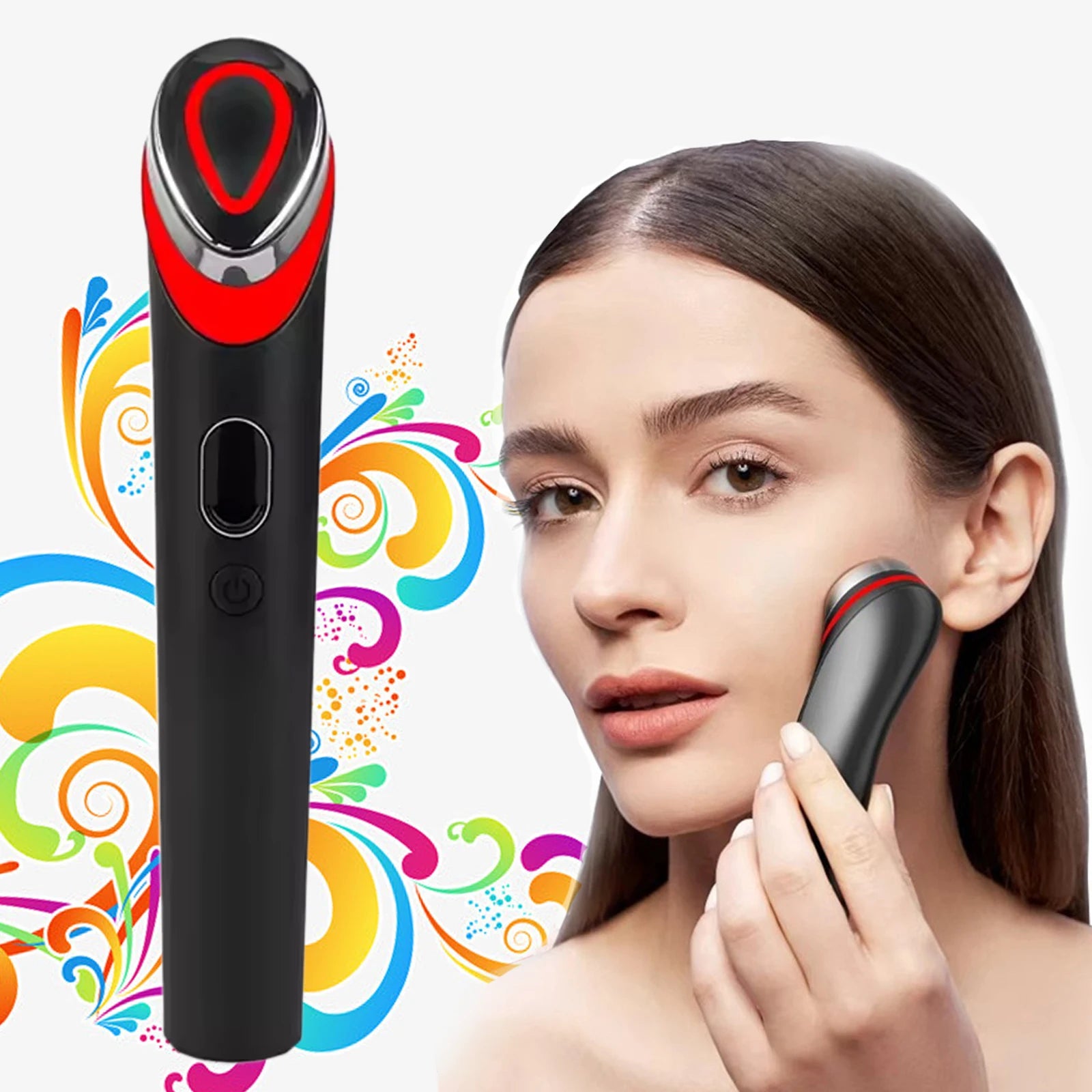
does facial toning work • face muscle toning • microcurrent facial tools — 💡 See it in action
What is facial toning and how it helps?
Facial toning uses targeted exercises, massage, or low-level electrical stimulation to engage the muscles that support your skin. Like working out any other muscle group, consistent stimulation can improve tone and reduce the appearance of sagging over time. It also helps lymphatic drainage and circulation, which reduces puffiness and supports collagen-producing processes.
Does facial toning work? Quick answer
Does facial toning work — yes. Strengthening facial muscles and increasing local circulation can create a firmer look and smoother skin texture. Most people see subtle contouring in 4–8 weeks, with more visible changes after 12 weeks when combined with good skincare, sun protection, and hydration.
Key benefits you can expect
- Sharper jawline and lifted cheek definition
- Reduced puffiness and improved radiance
- Smoother expression lines (when combined with collagen-supporting routines)
- Non-invasive approach with minimal downtime
Best tools and tech for visible results
There are three practical paths: manual exercises, massage tools (gua sha, rollers), and devices (microcurrent facial tools). Each has strengths — devices accelerate results; manual methods are low-cost and low-risk.
- Face muscle toning (manual) — exercises targeting mouth, cheeks, jaw, and brow.
- Gua sha / rollers — mechanical lift, lymphatic drainage, and contour definition.
- Microcurrent facial tools — low-level electrical stimulation that mimics the body’s natural bioelectric currents to tone muscle and support collagen pathways.
For device-minded readers: try a multi-function tool like the KentDO home device to combine light therapy and stimulation with facial sculpting — see product: Skin and Beauty Care Devices.
How to do face muscle toning at home (step-by-step)
Below is a simple, repeatable 7-step routine mixing manual exercises with device-assisted toning. Do this 3–5 times weekly for best early results.
- Cleanse and apply a conductive gel or serum (if using device).
- Warm the face with 30 seconds of gentle circular massage to boost circulation.
- Jawline lift: press thumbs at jaw hinge, open mouth slowly against light resistance 10–12 reps.
- Cheek sculpt: smile wide, place fingers under cheekbones and hold contraction for 5 seconds, 10 reps.
- Brow lift: press finger above brow and lift forehead using eyebrow muscles for 8–10 reps.
- If using microcurrent: glide probe along the muscle lines for prescribed time (follow device manual); avoid broken skin.
- Finish with lymphatic sweep using gua sha or light tapping, then moisturizer and SPF if daytime.
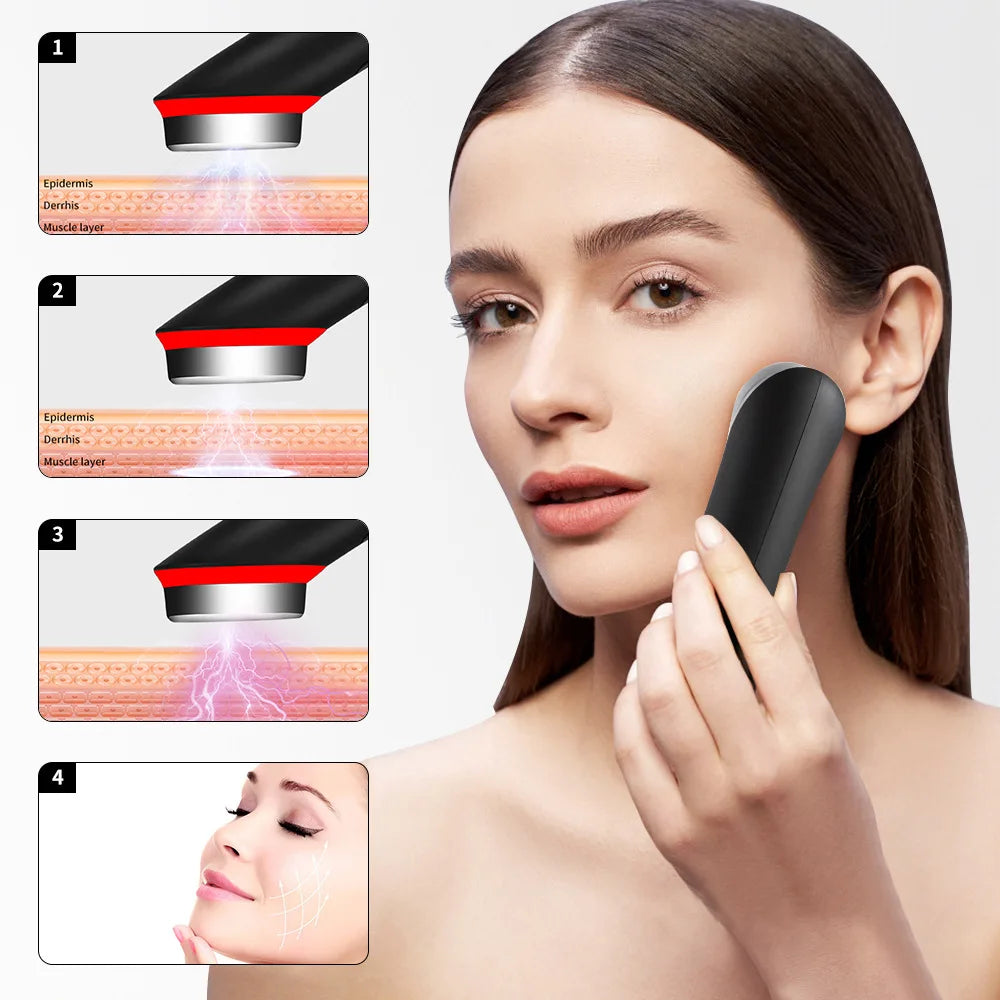
does facial toning work • microcurrent facial tools • wrinkle reducing facial — 💡 See it in action
Realistic routine: frequency & timing
Start with 3 sessions per week for 6 weeks. If you’re using a microcurrent device, follow the manufacturer’s guidance — many protocols recommend 5–10 minute sessions per zone, 3–5 times weekly. Consistency matters more than intensity. Track photos every 2 weeks to spot subtle changes.
Compare options: hands, gua sha, microcurrent
| Method | Time | Expected timeline | Best for |
|---|---|---|---|
| Manual exercises | 5–15 min | 6–12 weeks | Budget-friendly, daily maintenance |
| Gua sha / roller | 5–10 min | 2–6 weeks (for tone & drainage) | Reduce puffiness, contouring |
| Microcurrent facial tools | 10–20 min | 4–12 weeks | Faster muscle tone, anti-aging support |
Note: combine methods for more consistent results (e.g., microcurrent twice weekly + gua sha 3x weekly + daily exercises).
Quick pros & cons
| ✅ Pros | ❌ Cons |
|---|---|
| Non-invasive lift; improved circulation; low downtime | Requires discipline; changes are gradual; devices cost more |
Social proof & before/after
Real users often report noticeable jawline definition and less jowling after consistent use. Example testimonial:
“After 10 weeks of a 3x/week routine with microcurrent sessions and daily facial exercises I noticed firmer cheeks and a cleaner neckline — people kept asking if I’d lost weight.” — A.S., 42
Small clinical-style stats (typical, device-dependent): ~70% of users see improved tone within 8–12 weeks, and ~40% report measurable wrinkle reduction on crow’s feet when microcurrent is paired with collagen-supporting skincare.
Common mistakes and how to avoid them
- Rushing sessions — aim for slow, controlled reps.
- Skipping conductive gel or proper technique with devices — this reduces efficacy.
- Expecting instant dramatic results — plan for steady improvement over months.
How to pick a device and use it safely
Choose a device with clear usage guides and safety features. Look for adjustable intensity, short session timers, and paired light therapy options if you want multi-benefit sessions. When in doubt, start on the lowest setting and increase as tolerated. For a multi-function at-home option, consider the KentDO model: Skin and Beauty Care Devices — it pairs light therapy with toning for broader benefits.
Visuals — what to expect visually and practically
- Week 0: baseline photos, note areas of concern (jawline, midface, neck)
- Week 4: slight softening of fine lines, reduced morning puffiness
- Week 8–12: sharper contours, improved firmness

does facial toning work • wrinkle reducing facial • natural ways to boost collagen — 💡 See it in action
Who should try facial toning?
- Anyone noticing early laxity or loss of definition (30s+)
- Those who prefer non-invasive, gradual improvements
- People who will commit to 8–12 weeks of routine
Safety tips and contraindications
- Avoid if you have implanted electrical devices (e.g., pacemaker).
- Don’t use over broken skin, active acne lesions, or open wounds.
- Check with a medical professional for pregnancy or major health concerns.
Tracking progress — simple metrics that matter
- Weekly progress photos (same angle, lighting)
- Measure jawline sharpness by visual comparison
- Note how clothes or necklaces sit against the neck — small changes matter
Mini-FAQ (schema-ready)
How long before I see results?
Visible contour changes often appear within 4–8 weeks; stronger, more obvious lift typically shows at 12 weeks with consistent practice.
Is facial toning safe every day?
Gentle manual exercises are fine daily; device protocols vary — most recommend 3–5 sessions weekly, not daily.
Can toning replace professional treatments?
Toning offers a non-invasive alternative that complements professional options but may not replace advanced in-clinic procedures for severe laxity.
Which products should I pair with toning?
Use a hydrating serum, antioxidant-rich moisturizer, and daily SPF to protect results and support collagen health.
Final note & next steps
Does facial toning work? Yes — when approached with realistic expectations and a plan. Start with short, regular sessions, pair device use with manual techniques, protect your skin, and track changes with photos. If you want a multi-benefit tool to speed progress, explore options in Skin and Beauty Care Devices and learn more at the Body & Face Blog.
Still curious? Which area concerns you most — jawline, cheeks, or neck? Try the 7-step routine above for two cycles and compare week 0 vs week 8 photos.
Pillar Article: Not Found
Other Related Articles:
- LED Color Therapy Benefits Explained: How to Use Each Light for Best Results
- Sagging Facial Skin Exercises: Step-by-Step Guide for Lifted Results
- How to Tighten Facial Skin Naturally at Home with the Right Tools
- At Home Skin Rejuvenation Devices Ranked for Lifting and Glow
Explore More:













