

Does skin rejuvenation light therapy really work?
Yes — skin rejuvenation light therapy uses targeted wavelengths to stimulate collagen, reduce inflammation, and improve texture. Clinical studies show regular sessions with a high-quality phototherapy device or the best professional led light therapy machine can visibly reduce fine lines and boost firmness within weeks, making it a viable non-invasive anti-aging step.
⏱ 18 min readSkin Rejuvenation Light Therapy Benefits: Why This Tech Transforms Aging Skin
If your skincare routine feels stuck—expensive serums, little progress, and creeping lines—skin rejuvenation light therapy offers a science-backed, low-effort route to firmer, smoother skin. Whether you're comparing the best professional led light therapy machine or exploring a compact phototherapy device for home, this guide breaks down what works, why, and how to get visible results.
(Curious? Start by learning which wavelengths match your goals.)
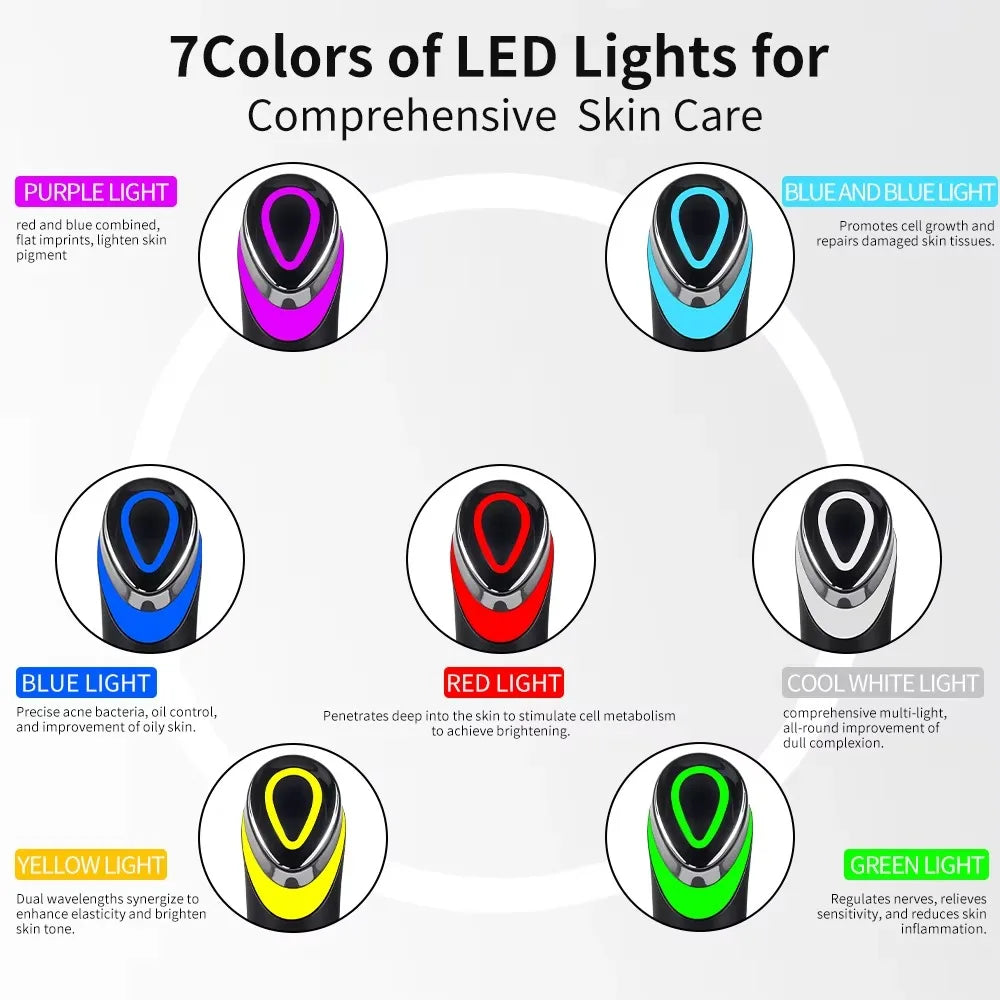
skin rejuvenation light therapy + best professional led light therapy machine — 💡 See it in action: KentDO 7-Color LED Beauty Device
Are you frustrated by slow or no results from creams and serums?
Many mid-30s to 60s shoppers tell the same story: they’ve invested in potent ingredients—retinoids, vitamin C, peptides—but still struggle with laxity, dullness, and crepe-like texture. Light therapy targets cells instead of surface layers, offering a complementary path that speeds repair and stimulates collagen without downtime.
How skin rejuvenation light therapy works — clear, science-first explanation
Direct answer: Skin rejuvenation light therapy uses specific wavelengths (mainly red and near-infrared) to energize mitochondria, increase collagen production, and reduce inflammation — the three biological levers that improve firmness and reduce fine lines when used consistently.
Which wavelengths matter most?
- Red light (630–660 nm): penetrates into the dermis to stimulate fibroblasts and collagen synthesis.
- Near-infrared (800–850 nm): reaches deeper tissues, supporting cellular energy (ATP) and improving elasticity.
- Blue light (415 nm): reduces surface bacteria and calms redness — useful for combination cases with acne or sensitivity.
Cellular mechanics in plain language
When red/NIR photons hit skin cells, mitochondria absorb the light and produce more ATP—the cell’s energy currency. More ATP → better collagen-building capacity and faster repair. Over time that shows as firmer texture, smoother lines, and improved tone.
Who benefits most?
- People with early-to-moderate signs of aging (fine lines, loss of firmness).
- Those wanting maintenance after professional treatments (lasers, peels).
- Anyone seeking a non-invasive, low-risk addition to routine skincare.
Why a high-quality phototherapy device outperforms cheap LEDs
Direct answer: A well-engineered phototherapy device delivers consistent wavelength accuracy, clinically effective irradiance, and uniform coverage—factors that determine whether you actually get collagen stimulation or just a warm glow.
Not all LEDs are created equal. The difference between a handheld gimmick and a true treatment device comes down to:
- Wavelength precision: Devices tuned to narrow bands (e.g., 630 nm ± 10 nm) stimulate the right chromophores.
- Irradiance (mW/cm²): There’s a therapeutic window—too low, no effect; too high, diminishing returns or risk of heat.
- Uniform panel coverage: Even exposure prevents patchy results and ensures all treated skin gets therapeutic dose.
Real-world advantage
Devices designed for clinical results often list irradiance and treatment times. Home devices that mirror those specs—while offering safety features and comfort—are the sweet spot for at-home rejuvenation without repeated clinic visits.
Compare: what to look for
| Feature | Basic at-home LEDs | Best professional led light therapy machine-style home devices |
|---|---|---|
| Wavelength accuracy | Broad, mixed | Narrow bands (630–660 nm; 800–850 nm) |
| Irradiance | Low | Therapeutic-range, documented |
| Coverage | Small spots | Uniform panel / mask options |
| Clinical data | Limited | Backed by studies or measurable specs |
Benefit-first breakdown: what you’ll actually notice
- Smoother fine lines: Collagen remodeling softens crepe lines around eyes and mouth over weeks.
- Improved firmness: Boosted elastin and collagen increase skin’s springiness.
- Brighter tone: Reduced inflammation and improved circulation lead to a healthier glow.
- Less redness and sensitivity: Anti-inflammatory effects calm inflamed skin.
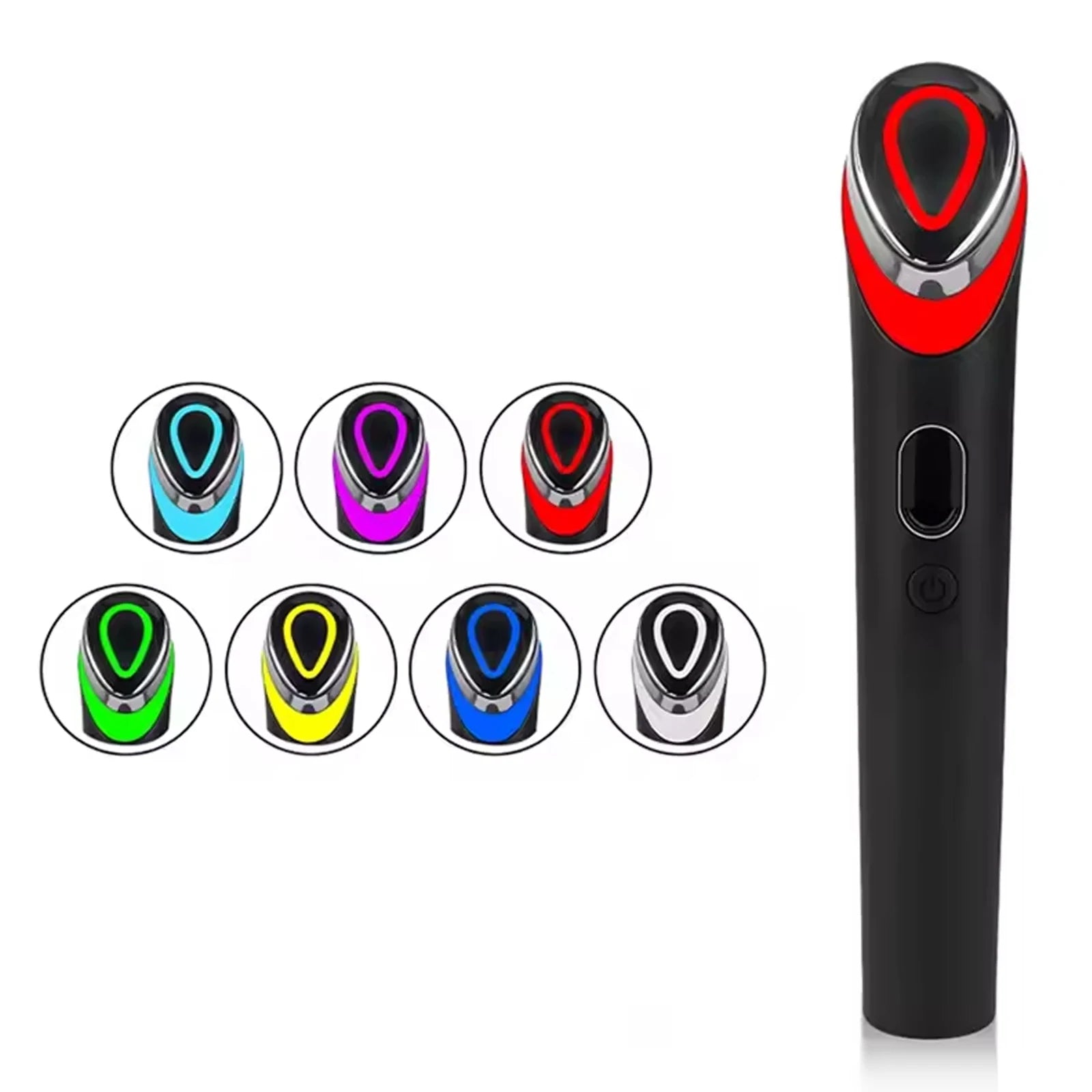
phototherapy device + beauty boost collagen — 💡 See it in action: KentDO 7-Color LED Beauty Device
Compare options: at-home vs professional clinic sessions
Short version: clinics offer stronger energy and deeper lasers; at-home devices offer convenience, consistency, and lower cost per session. For many people, a quality home phototherapy device provides maintenance-level collagen stimulation that, used regularly, rivals periodic professional care.
- Professional clinic: Faster results per session, higher cost, downtime varies.
- High-end home device: Safer for frequent use, consistent, cost-effective long term.
- Cheap LED gadgets: Cosmetic warmth, low evidence for real collagen change.
How to use a home LED phototherapy device — step-by-step
Direct benefits-focused steps:
- Cleanse skin thoroughly — no heavy oils or makeup.
- Position device at recommended distance (manufacturer’s guidance).
- Treat for recommended duration (often 10–20 minutes per area).
- Apply a hydrating serum or peptide cream after treatment to support repair.
- Repeat schedule: most protocols suggest 3–5 times per week initially, then maintenance 1–3 times weekly.
(Includes setup, timing, and what to combine for best outcomes.)
Practical tips for better results
- Be consistent — cumulative stimulus drives collagen remodeling.
- Track progress with photos every 2 weeks under the same light.
- Don’t skip sunscreen — UV exposure undermines gains.
- Pair with topical peptides or vitamin C for additive effects.
Treatment protocols, timing & safety
Typical home-device protocol (example):
| Initial phase | 3 sessions/week for 8–12 weeks |
| Maintenance | 1–2 sessions/week |
| Session length | 10–20 minutes per treated area |
Safety notes: Avoid direct eye exposure; follow manufacturer for distances. Consult a clinician if pregnant, on photosensitizing medications, or treating cancer history areas.
Real results, reviews & measurable outcomes
Clinical studies commonly report a 20–40% improvement in wrinkle depth and noticeable firmness gains after regular red/NIR therapy over 8–12 weeks. User reviews mirror this: many report subtle firming by week 4 and clearer, more radiant skin by week 8–12.
User testimonial
“After using a targeted LED panel at home for three months, my crow’s feet softened and my skin felt firmer. No downtime, just a few minutes most nights — I finally see the difference in selfies.” — M., 47
✅ Pros / ❌ Cons
- ✅ Non-invasive, low-risk
- ✅ Can be done at home — long-term savings
- ✅ Works synergistically with topical actives
- ❌ Requires regular use for best effect
- ❌ Low-quality devices produce minimal benefit
Product features & tech deep-dive — what to demand in a device
Essential specs explained
- Wavelengths listed and narrowband LEDs: Seek devices that specify nm ranges (e.g., 630 nm, 660 nm, 830 nm).
- Irradiance (mW/cm²): Know treatment time = required dose / irradiance. Higher irradiance shortens needed time.
- Covers the whole face evenly: a mask or wide panel reduces treatment time and prevents uneven exposure.
- Safety certifications: Look for CE, FCC, or similar marks and clear eye protection guidance.
Why multi-color panels help
Multiple wavelengths address layered concerns: blue for surface bacteria and congested skin, red/NIR for collagen and inflammation. A 7-color device gives flexibility to tailor sessions to your skin’s changing needs.
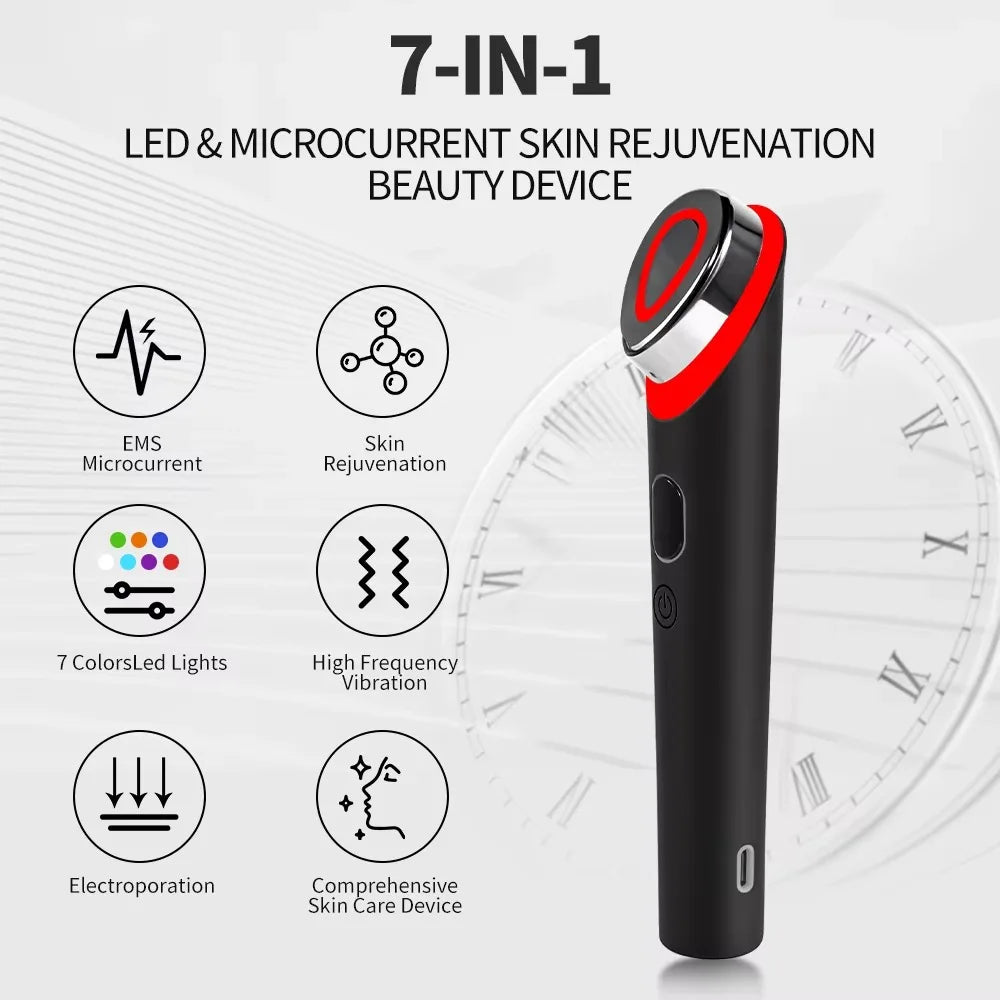
phototherapy device + red light wrinkles + beauty boost collagen — 💡 See it in action: KentDO 7-Color LED Beauty Device
Related devices and complementary tools
Pair your LED sessions with devices and categories that support skin health:
- Skin and Beauty Care Devices — serums + tools that complement light therapy.
- Body Care and Health Devices — if you plan to treat décolletage or body areas.
- Hair, Skin & Nai Blog — for reading on combined wellness and beauty routines.
Mini FAQ (schema-ready)
Does red light therapy reduce wrinkles?
Yes. Red and near-infrared wavelengths stimulate fibroblasts to make collagen and elastin and reduce inflammation, which together reduce wrinkle depth and improve skin texture when used consistently over weeks to months.
How long until I see results?
Many users notice subtle texture and glow improvements within 3–4 weeks, with more meaningful firmness and wrinkle changes typically visible around 8–12 weeks of regular use.
Is it safe for sensitive skin?
Yes, red/NIR therapies are generally gentle and anti-inflammatory. Patch test and follow device guidance; avoid if you use photosensitizing drugs without medical advice.
Evidence & recommended reading
Clinical trials on red and near-infrared LED therapies consistently report measurable improvements in skin elasticity and wrinkle reduction when the therapeutic window of wavelength and dose is met. Choose devices that publish specs rather than vague claims.
How to compare devices — a checklist
- Does the manufacturer list specific wavelengths (nm)?
- Is irradiance (mW/cm²) documented?
- Are suggested treatment times realistic for your schedule?
- Are there built-in safety features for eyes and heat?
- Does the device include testimonials, clinical references, or measurable specs?
Before & after: what realistic change looks like
Realistic expectations: softer fine lines, improved skin tone, and noticeable firmness. Dramatic, surgical-level tightening is not the goal. Instead, think of steady, visible improvement that restores a fresher baseline over months.
Making the choice: when to buy a home device vs book a clinic
Buy a home device if you want consistent, ongoing maintenance, cost-efficiency, and low-effort treatment. Opt for clinics when you need aggressive correction or combined therapies (laser resurfacing plus LED).
(If convenience and steady results matter most, a quality home phototherapy device is an investment in ongoing skin health.)
Product spotlight: KentDO 7-Color LED Beauty Device
This multi-wavelength phototherapy device is designed for home users seeking flexible, treatment-grade options. It combines narrowband LEDs across colors used for collagen, circulation, and surface clarity, packaged with safety features and preset programs. For details and to compare specs, see the product page: KentDO 7-Color LED Beauty Device.
Why shoppers choose it
- Multiple wavelengths for layered concerns.
- User-friendly presets reduce guesswork.
- Panel coverage for efficient sessions.
Sample 12-week routine (results-oriented)
- Weeks 1–4: 3×/week, 12–15 minutes focusing on face and neck.
- Weeks 5–8: 4×/week, alternate red and NIR sessions.
- Weeks 9–12: 2–3×/week maintenance, add blue for any breakout days.
Long-term care & pairing strategies
Combine with topical collagen support: peptides, hydrators (hyaluronic acid), and retinoids in a phased approach (retinoids at night separate from light therapy sessions as directed). Protect gains with daily SPF and lifestyle choices—sleep, hydration, and minimal smoking.
Final note — a realistic promise
Skin rejuvenation light therapy isn’t a miracle overnight, but it’s one of the most consistent, science-backed, low-risk ways to trigger your skin’s repair systems. For shoppers comparing alternatives, a solid home phototherapy device gives measurable improvements over months and the freedom to maintain results long-term.
Pillar Article: Not Found
Other Related Articles:
- LED Color Therapy Benefits Explained: How to Use Each Light for Best Results
- Sagging Facial Skin Exercises: Step-by-Step Guide for Lifted Results
- Does Facial Toning Work? How to Use It for Visible Lift at Home
- At Home Skin Rejuvenation Devices Ranked for Lifting and Glow
Explore More:













