

Does LED color therapy really work?
Answer: LED color therapy benefits include targeted skin rejuvenation, reduced inflammation, and improved tone when used consistently with proper settings. A 3 color LED mask (red, blue, near-infrared) supports collagen production, calms irritation, and fights bacteria — making at-home phototherapy device routines a practical addition to anti-aging and acne care.
⏱ 8 min readLED Color Therapy Benefits Explained: How to Use Each Light for Best Results
Worried your skincare routine isn't delivering the glow you want? LED color therapy benefits are an accessible way to target specific concerns — from fine lines to breakouts — using nothing more than light. This guide explains what each color does, how to build quick routines, and how a 3 color LED mask or phototherapy device can slot into busy mornings or nightly rituals for visible improvement.
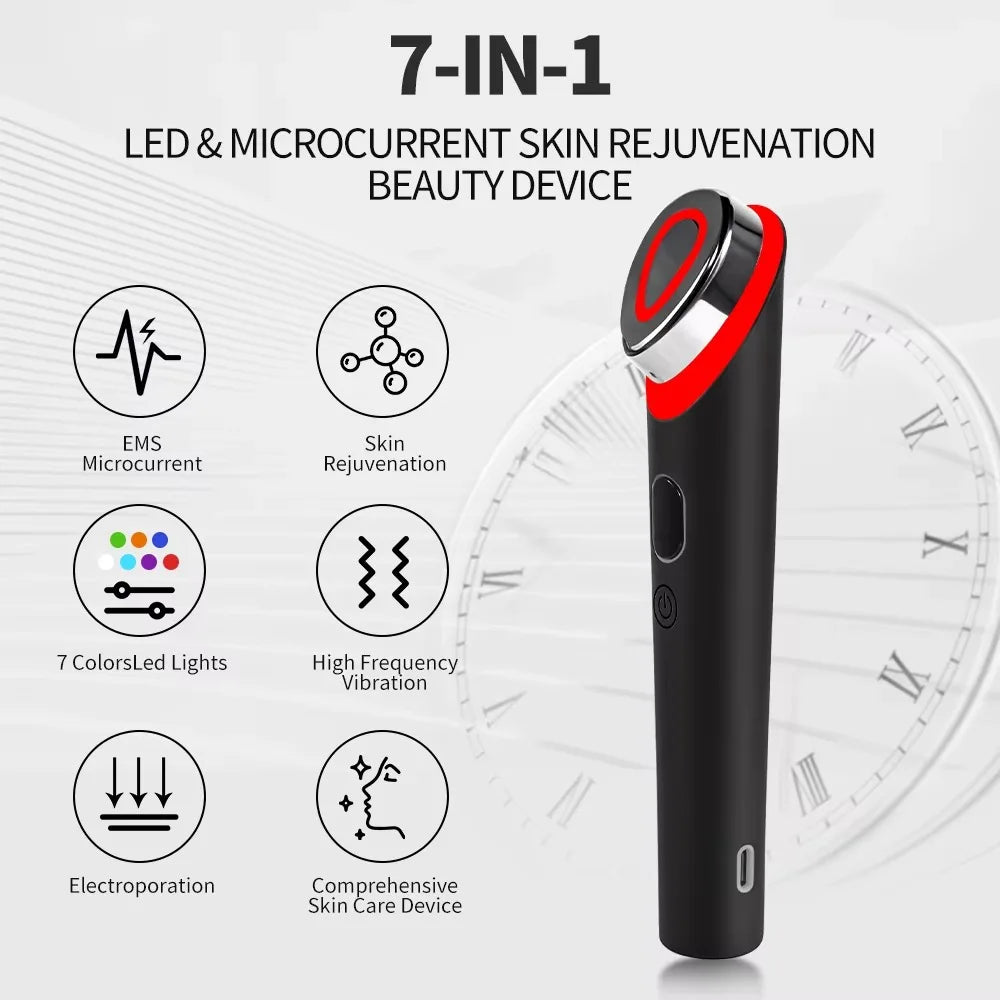
LED color therapy benefits + benefits of colour therapy — 💡 See it in action.
How LED Light Therapy Works — A Simple Explanation
LED (light-emitting diode) therapy uses targeted wavelengths to interact with skin cells. Different wavelengths (colors) penetrate to different depths and trigger cellular responses like increased collagen production, reduced bacteria activity, and decreased inflammation. The result: improved texture, tone, and resilience over time when used consistently.
LED Color Therapy Benefits (quick answer)
LED color therapy benefits include stimulating collagen (red), calming inflammation (near-infrared), and reducing acne-causing bacteria (blue). Using a 3 color LED mask or phototherapy device in short, regular sessions can boost skin brightness, reduce visible lines, and help control breakouts without downtime.
LED color therapy benefits include stimulating collagen (red), calming inflammation (near-infrared), and reducing acne-causing bacteria (blue). Using a 3 color LED mask or phototherapy device in short, regular sessions can boost skin brightness, reduce visible lines, and help control breakouts without downtime.
Which color suits your skin concern? Read on!
Which Color Should You Use — Practical Guide
Red light (620–700 nm) — Benefit-first: reduces the appearance of fine lines and supports firmer skin by stimulating fibroblasts and collagen production. Use if you’re targeting aging, dullness, or weakened skin elasticity.
Near-infrared (NIR, ~700–1200 nm) — Benefit-first: penetrates deepest to aid tissue repair and reduce inflammation/puffiness. Great for recovery days, sore or irritated skin, and post-procedure calming.
Blue light (405–420 nm) — Benefit-first: targets bacteria that contribute to acne and congested pores, helping to clear breakout-prone skin without drying it out when used properly.
- Combo approach: For many people a 3 color LED mask provides the best balance — red for anti-aging, blue for acne control, and NIR for healing.
- Tip: Sensitive skin benefits from shorter sessions and lower intensity to avoid temporary redness.
Quick benefits list (minimum 4 items)
- Stimulates collagen and elastin for firmer skin.
- Reduces inflammation and redness after irritation.
- Helps control acne-causing bacteria for clearer skin.
- Improves skin tone and boosts product absorption.
| Color | Primary Benefit | Best for |
|---|---|---|
| Red | Collagen stimulation | Fine lines, dullness |
| Blue | Bacteria control | Acne, congested pores |
| Near-infrared | Deep tissue repair | Inflammation, recovery |
Set up an Easy At-Home Routine (step-by-step)
Use this ordered routine to get consistent results. Sessions are short (5–20 minutes) and frequency depends on goals: for anti-aging aim for 3–5 sessions/week; for acne, start with 2–3 sessions/week and adjust.
- Cleanse: Remove makeup and sunscreen so light reaches skin directly.
- Prep: Pat skin slightly damp or apply a lightweight serum if product instructions allow.
- Set device: Choose color and intensity per device manual (start low if unsure).
- Position mask/panel: Ensure even coverage and comfortable fit.
- Time the session: Stick to the device’s recommended time (commonly 10–15 minutes).
- Finish: Apply targeted serum or moisturizer after therapy to maximize results.
- Repeat consistently: Track sessions to maintain progress over weeks.
Usage variations (how to tailor by concern)
- Anti-aging: Red + NIR, 10–15 minutes, 3–5x/week.
- Acne-prone: Blue, 10 minutes, 2–4x/week; pair with gentle topical acne treatment.
- Sensitive/Reactive: Start with 5–7 minute sessions at low intensity, 2–3x/week.
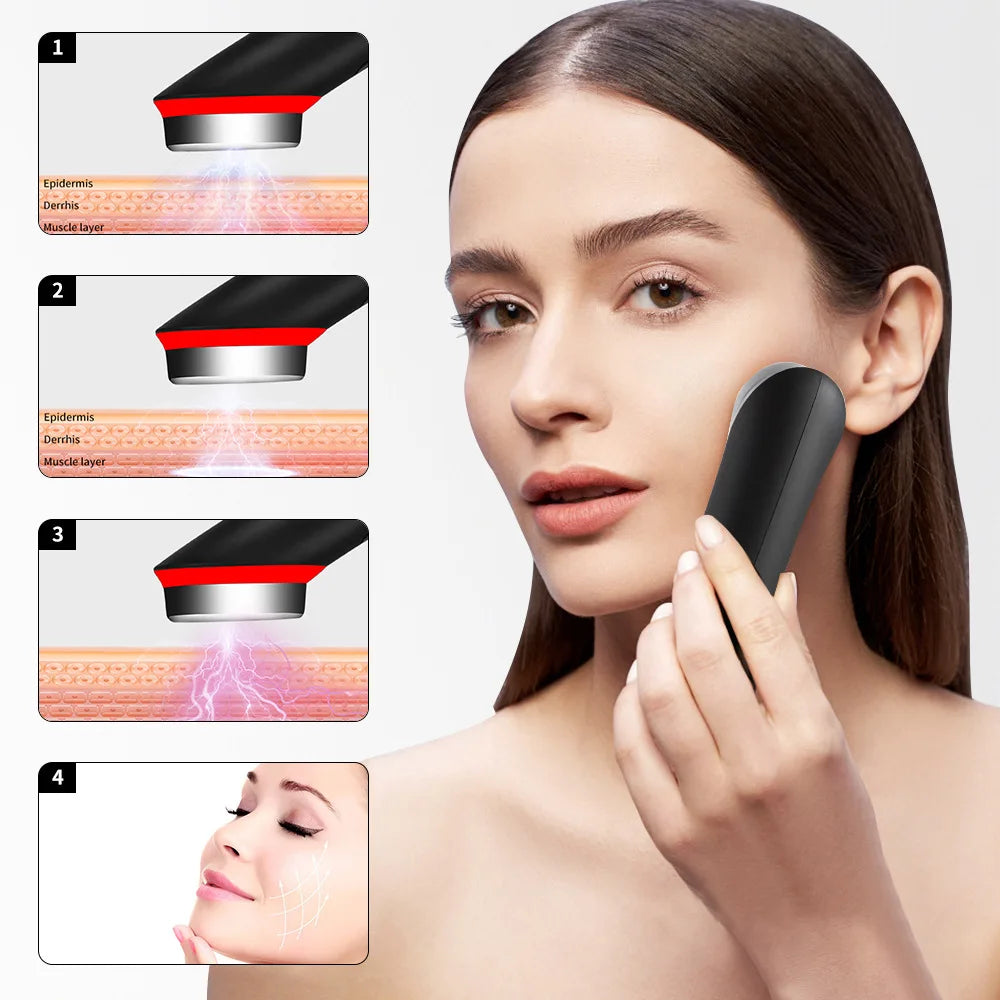
benefits of colour therapy + phototherapy device — 💡 See it in action.
Compare Devices: 3 Color LED Mask vs. Multi-Color Panels
Not all devices are equal. A compact 3 color LED mask is ideal for targeted facial use and convenience; larger panels give more flexibility for neck and décolletage but require more space.
3 Color LED Mask
- Pros: Convenient, designed for face, easy to use.
- Cons: Limited body coverage, fit varies by face shape.
- Best for: Daily facial maintenance.
Multi-Color Panels
- Pros: Larger treatment area, adjustable angles.
- Cons: Less portable, typically pricier.
- Best for: Full-face + neck treatments, multi-area use.
Safety, Timing & Troubleshooting
LED therapy is noninvasive and low-risk when used correctly. Still, follow these precautions:
- Avoid looking directly into high-intensity LEDs — close eyes or use built-in eye protection.
- If you take photosensitizing medication (e.g., certain antibiotics), check with a clinician first.
- Start with shorter sessions and gradually increase time or intensity.
- Stop if you experience prolonged redness, burning, or irritation and consult a dermatologist.
Common troubleshooting
- Uneven results: Ensure mask sits flat and device is moved slightly between sessions for even coverage.
- Temporary redness: Reduce session length or intensity — this often resolves quickly.
- No change after 4–6 weeks: Confirm consistency, device output, and pair therapy with supportive skincare like peptides or hydrators.
Real Results & Reviews
Users report clearer skin texture, calmer redness, and a more rested appearance after consistent use. Typical feedback includes easier makeup application and fewer active breakouts when blue light is added into a weekly routine. Testimonials highlight convenience and low downtime as major benefits.
“I noticed smoother skin texture after six weeks — quick sessions fit my schedule and my breakouts calmed down.” — verified user review
Why this phototherapy device fits into simple skincare routines
For people balancing busy lives and skincare goals, a compact 3 color LED mask can deliver targeted benefits without in-clinic time. It pairs well with serums and moisturizers, and can be slotted into morning or evening routines for cumulative results.
Product highlight: If you're exploring a practical at-home option, consider the KentDO 7-Color device as a starting point for multi-shade treatments. Find it in our Skin and Beauty Care Devices collection.
Direct answer: LED color therapy benefits include improved texture, targeted acne control, and a calmer complexion when used regularly with correct color selection and timing.
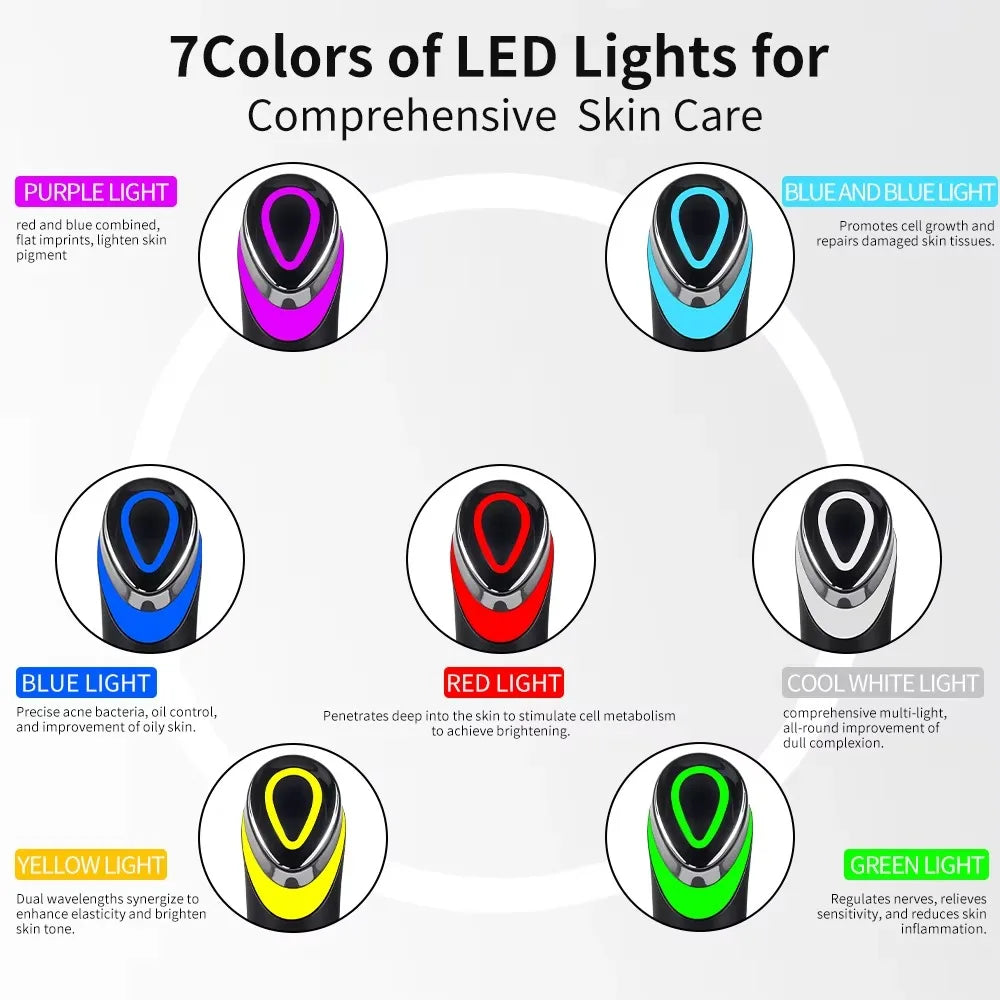
LED color therapy benefits + 3 color led mask — 💡 See it in action. Try the KentDO 7-Color LED Device
Trust Signals, How to Choose, and When to See a Pro
- Look for devices with clear wavelength specs (red ~630–660 nm, blue ~405–420 nm, NIR ~810–850 nm).
- Choose a mask with decent LED density and consistent output rather than flashy extras.
- Consult a dermatologist if you have active skin disease, recent procedures, or are on photosensitizing medication.
Mini-FAQ (schema-ready)
What are the main LED color therapy benefits?
LED color therapy benefits include stimulating collagen (red), combating bacteria (blue), and supporting tissue repair (near-infrared), which together improve tone, texture, and congestion when used consistently.
How often should I use a 3 color LED mask?
Aim for 3–5 short sessions per week for anti-aging benefits, and 2–4 sessions weekly for acne control. Start with lower time and intensity and adjust based on skin response.
Is LED therapy safe for sensitive skin?
Yes, when you start with shorter, lower-intensity sessions. If you have skin conditions or use photosensitizing medications, check with a clinician first.
How long until I see results?
Many users notice texture and glow improvements in 4–8 weeks with consistent use; acne improvements can appear earlier for some, but sustained routines yield the best outcomes.
Final thoughts — Make light therapy work for your life
LED color therapy benefits are easiest to capture when the device fits your schedule and skin goals. Pick a 3 color LED mask if you want targeted, repeatable treatments without clinic visits. Combine red for firmness, blue for breakouts, and near-infrared for healing, and keep sessions consistent. Small, regular steps add up to visible improvements.
For compatible devices and to explore options that match your nightly routine, visit our Skin and Beauty Care Devices collection and our Beauty & Self-Care Blog for tips and user stories.
Pillar Article: Not Found
Other Related Articles:
- Sagging Facial Skin Exercises: Step-by-Step Guide for Lifted Results
- How to Tighten Facial Skin Naturally at Home with the Right Tools
- Does Facial Toning Work? How to Use It for Visible Lift at Home
- At Home Skin Rejuvenation Devices Ranked for Lifting and Glow
Explore More:













